 Aussie AutoGlass
 - July 22, 2025
- By feng gao
- In mobile windscreen replacement, Mobile windscreen replacement in Blacktown, Windscreen replacement near me
- 328
- 0

Imagine cruising down the highway in your SUV or 4WD, the open road stretching before you, when suddenly a small stone flies up from the vehicle ahead and strikes your windscreen. In that instant, your peaceful drive turns stressful as you notice a crack spreading across the glass. It’s a scenario all too familiar to many drivers, and one that demands immediate attention. But who has the time to rearrange their busy schedule to visit a repair shop? This is where mobile windscreen replacement services step in, offering a hassle-free solution right at your doorstep.
In Sydney, mobile windscreen replacement for SUVs and 4WDs has become an essential service, addressing not just convenience, but also safety concerns for drivers on the go. With the hustle and bustle of daily life, the ability to have expert technicians come to you can make all the difference. Whether parked at home or at the office, the ease of having your windscreen replaced without interrupting your day-to-day activities is invaluable. This blog post will delve into the benefits of choosing mobile services, the expertise required for handling larger vehicles, and why it is crucial to ensure your windscreen is in perfect condition before your next adventure.
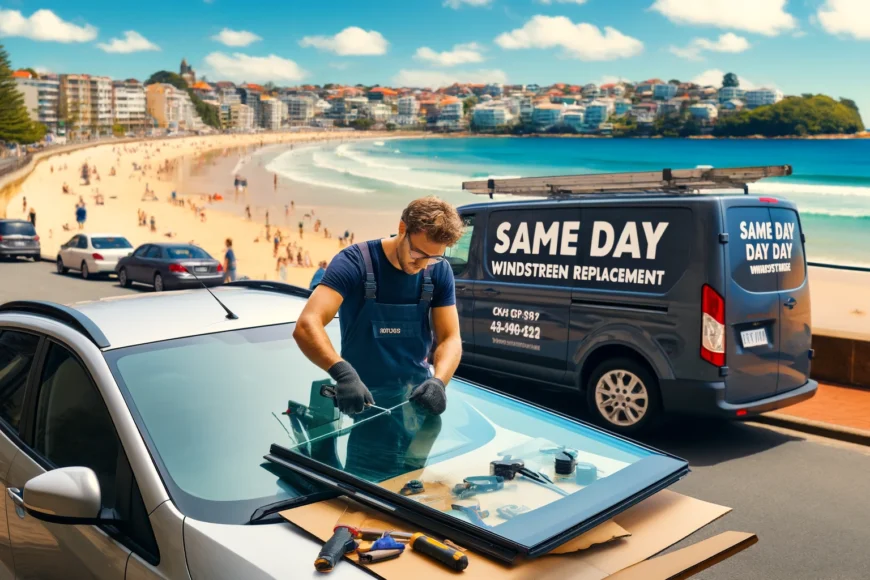
Imagine driving your vehicle after having its windscreen replaced, only to realize that the advanced driver-assistance systems (ADAS) aren’t functioning as they should. It’s unsettling, isn’t it? This scenario is more common than you might think, and it highlights a crucial aspect of modern vehicle maintenance that many drivers overlook: the necessity for recalibration. As vehicles evolve into sophisticated machines equipped with intricate technologies designed to keep us safe, understanding the implications of every repair, like a windscreen replacement, becomes imperative.
The integration of ADAS in vehicles has revolutionized road safety, offering features such as lane departure warnings, adaptive cruise control, and automatic emergency braking. These systems rely heavily on sensors and cameras, often mounted on or around your windscreen. So, the question arises: “Do you need calibration after replacing a car windscreen with ADAS?” The answer might surprise you. Many drivers are unaware that even a small misalignment can render these vital systems ineffective. In this blog post, we’ll delve into why calibration is not just a recommendation but a necessity, ensuring your vehicle’s safety features function optimally after any windscreen replacement.

Imagine driving down the highway, the sun setting in the rearview mirror, when suddenly a tiny chip in your windscreen splinters into a sprawling crack across the entire surface. It’s a scenario many of us have faced, and while it might seem like a simple fix, the windscreen replacement process is more intricate than it appears. Beyond mere aesthetics, your vehicle’s windscreen is a critical safety component, designed to withstand the forces of both nature and the road. Understanding the ins and outs of its replacement is crucial not only for maintaining your car’s integrity but also for ensuring your safety and that of your passengers.
Navigating the complexities of windscreen replacement involves more than just swapping out glass. It’s about adhering to a meticulous process, observing safety precautions, and recognizing the pivotal role this transparent shield plays in airbag deployment and structural support during collisions. In our guide, we’ll delve into the windscreen replacement process and safety precautions explained in detail. We’ll uncover the steps professionals take to ensure that every replacement meets stringent safety standards — from selecting the right materials to adhering to installation protocols. So, whether you’re an auto enthusiast or someone who simply wants to stay informed, join us as we explore the vital aspects of mastering windscreen replacement.
Book your appointment now and get 10% discount.
Give us 5 STARs feedback on google and a free drink on us.
MAKE APPOINTMENT


Imagine cruising down the highway in your SUV or 4WD, the open road stretching before you, when suddenly a small stone flies up from the vehicle ahead and strikes your windscreen. In that instant, your peaceful drive turns stressful as you notice a crack spreading across the glass. It’s a scenario all too familiar to many drivers, and one that demands immediate attention. But who has the time to rearrange their busy schedule to visit a repair shop? This is where mobile windscreen replacement services step in, offering a hassle-free solution right at your doorstep.
In Sydney, mobile windscreen replacement for SUVs and 4WDs has become an essential service, addressing not just convenience, but also safety concerns for drivers on the go. With the hustle and bustle of daily life, the ability to have expert technicians come to you can make all the difference. Whether parked at home or at the office, the ease of having your windscreen replaced without interrupting your day-to-day activities is invaluable. This blog post will delve into the benefits of choosing mobile services, the expertise required for handling larger vehicles, and why it is crucial to ensure your windscreen is in perfect condition before your next adventure.
Imagine driving your vehicle after having its windscreen replaced, only to realize that the advanced driver-assistance systems (ADAS) aren’t functioning as they should. It’s unsettling, isn’t it? This scenario is more common than you might think, and it highlights a crucial aspect of modern vehicle maintenance that many drivers overlook: the necessity for recalibration. As vehicles evolve into sophisticated machines equipped with intricate technologies designed to keep us safe, understanding the implications of every repair, like a windscreen replacement, becomes imperative.
The integration of ADAS in vehicles has revolutionized road safety, offering features such as lane departure warnings, adaptive cruise control, and automatic emergency braking. These systems rely heavily on sensors and cameras, often mounted on or around your windscreen. So, the question arises: “Do you need calibration after replacing a car windscreen with ADAS?” The answer might surprise you. Many drivers are unaware that even a small misalignment can render these vital systems ineffective. In this blog post, we’ll delve into why calibration is not just a recommendation but a necessity, ensuring your vehicle’s safety features function optimally after any windscreen replacement.
Imagine driving down the highway, the sun setting in the rearview mirror, when suddenly a tiny chip in your windscreen splinters into a sprawling crack across the entire surface. It’s a scenario many of us have faced, and while it might seem like a simple fix, the windscreen replacement process is more intricate than it appears. Beyond mere aesthetics, your vehicle’s windscreen is a critical safety component, designed to withstand the forces of both nature and the road. Understanding the ins and outs of its replacement is crucial not only for maintaining your car’s integrity but also for ensuring your safety and that of your passengers.
Navigating the complexities of windscreen replacement involves more than just swapping out glass. It’s about adhering to a meticulous process, observing safety precautions, and recognizing the pivotal role this transparent shield plays in airbag deployment and structural support during collisions. In our guide, we’ll delve into the windscreen replacement process and safety precautions explained in detail. We’ll uncover the steps professionals take to ensure that every replacement meets stringent safety standards — from selecting the right materials to adhering to installation protocols. So, whether you’re an auto enthusiast or someone who simply wants to stay informed, join us as we explore the vital aspects of mastering windscreen replacement.