 Aussie AutoGlass
 - July 21, 2025
- By feng gao
- In EV Car windscreen replacement, Mobile windscreen replacement in Blacktown, windscreens-tinting
- Tags autoglass replacement, Service Areas, windscreen tinting
- 412
- 0

Imagine driving down the highway, the sun setting in the rearview mirror, when suddenly a tiny chip in your windscreen splinters into a sprawling crack across the entire surface. It’s a scenario many of us have faced, and while it might seem like a simple fix, the windscreen replacement process is more intricate than it appears. Beyond mere aesthetics, your vehicle’s windscreen is a critical safety component, designed to withstand the forces of both nature and the road. Understanding the ins and outs of its replacement is crucial not only for maintaining your car’s integrity but also for ensuring your safety and that of your passengers.
Navigating the complexities of windscreen replacement involves more than just swapping out glass. It’s about adhering to a meticulous process, observing safety precautions, and recognizing the pivotal role this transparent shield plays in airbag deployment and structural support during collisions. In our guide, we’ll delve into the windscreen replacement process and safety precautions explained in detail. We’ll uncover the steps professionals take to ensure that every replacement meets stringent safety standards — from selecting the right materials to adhering to installation protocols. So, whether you’re an auto enthusiast or someone who simply wants to stay informed, join us as we explore the vital aspects of mastering windscreen replacement.
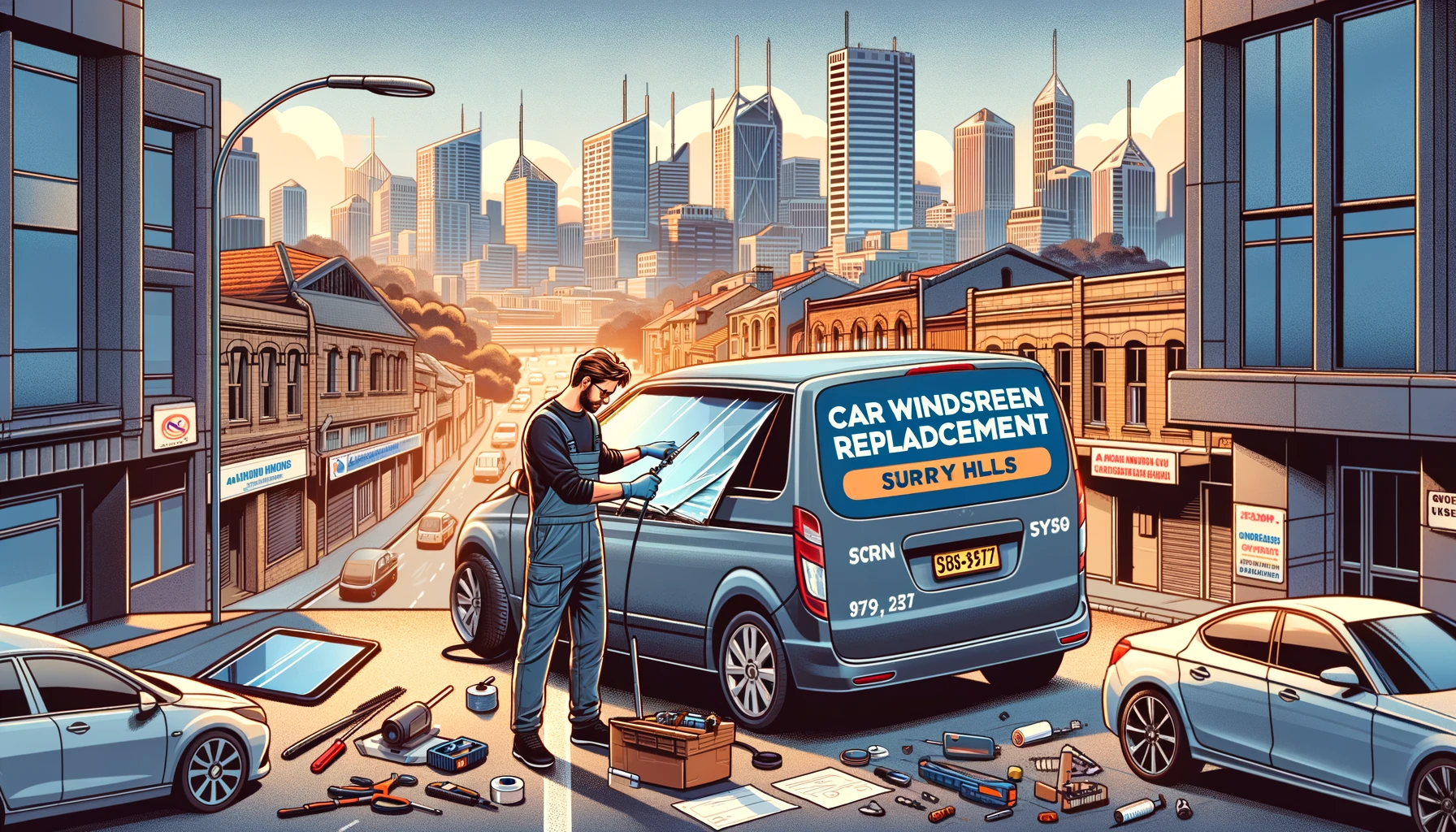
Your windscreen is not just a pane of glass; it is a structural cornerstone of your vehicle’s safety system. In modern automobiles, the windscreen provides up to 45% of the car’s overall rigidity, helping to maintain the cabin’s shape during a rollover or collision. A compromised or improperly installed windscreen might shatter unexpectedly, increasing the risk of ejection or greater roof collapse, thereby endangering the lives of everyone inside.
Beyond structural support, a clear and intact windscreen ensures unobstructed vision in all weather conditions. Even minor chips or cracks can refract sunlight or headlights at night, creating dangerous blind spots. Proper windscreen maintenance and replacement directly contribute to driver awareness, reaction times, and overall road safety. Recognizing the importance of windscreen safety is the first step in grasping why a professional approach to the windscreen replacement process and safety precautions explained matters so much.
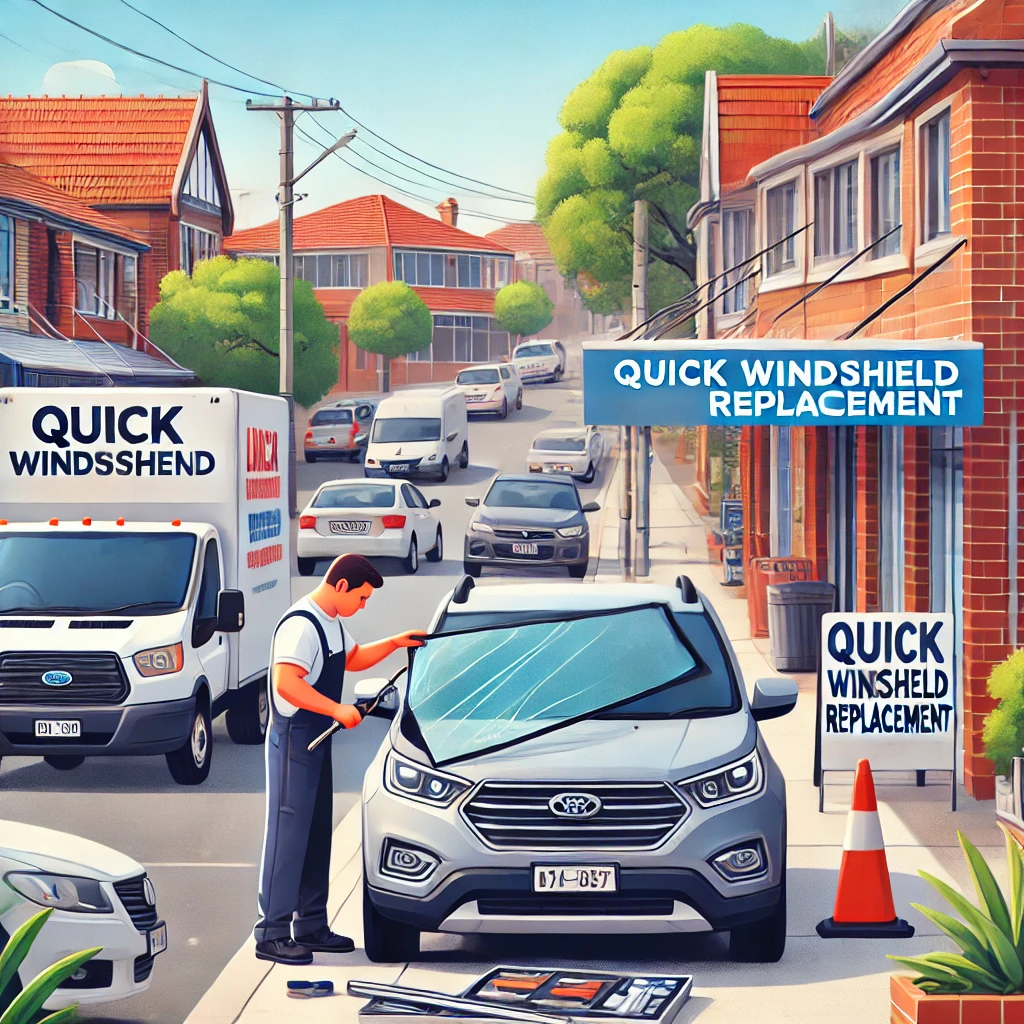
Windscreen damage can range from small stone chips to large cracks that compromise both appearance and integrity. Chips are typically surface-level indentations caused by debris striking the glass. If left unattended, these minor imperfections can rapidly expand into long, spider-web cracks, especially when subjected to temperature fluctuations or additional road vibrations.
Different types of damage—bullseye, star break, combination break, and edge crack—require different responses. A bullseye is circular and contained, often repairable if small. Star breaks have radiating lines, making them more problematic. Edge cracks are particularly dangerous, as they weaken the glass’ bonding to the frame. Recognizing the severity and type of windscreen damage early ensures timely intervention, preventing minor chips from becoming costly replacements.
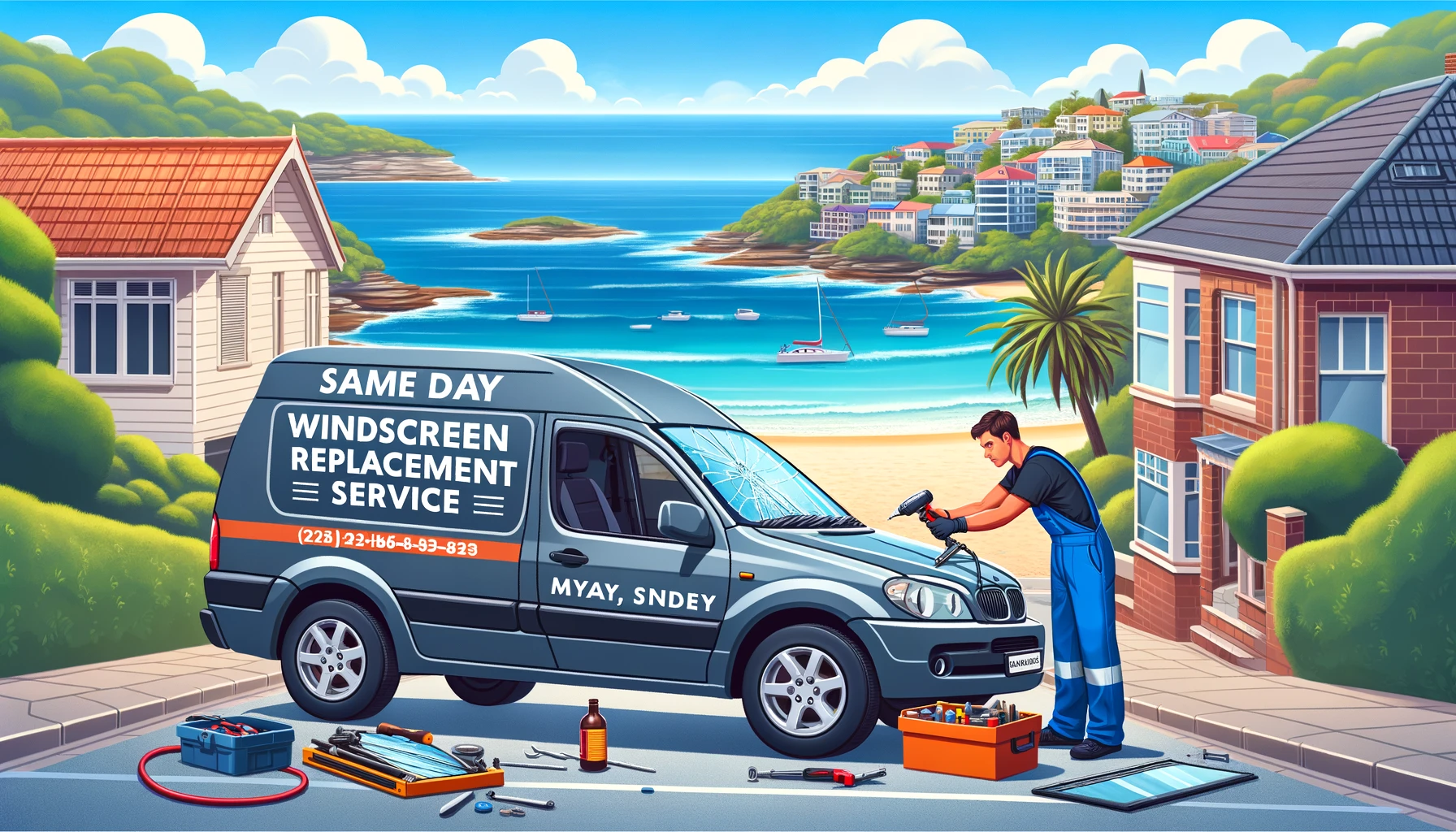
Before beginning any windscreen replacement, it is essential to prepare both the vehicle and its surroundings. Park on a flat, stable surface away from traffic, and ensure the work area is clean and dry. Deactivating the vehicle’s battery is also prudent, as modern windscreens often incorporate sensors for rain detection, lane-keep assist, and head-up displays.
Next, wear appropriate personal protective equipment—gloves, safety glasses, and long sleeves—to guard against sharp glass edges. Cover seats and dashboard areas with protective cloth to catch debris. Lastly, review the manufacturer’s guidelines for curing times and temperature requirements to ensure that adhesives bond correctly under the recommended environmental conditions.
Selecting a qualified windscreen replacement service can mean the difference between lasting safety and recurring issues. Look for certified technicians who follow industry standards, such as those set by the Auto Glass Safety Council (AGSC). Certifications indicate that the installer is trained in correct adhesive application, glass handling, and curing procedures.
Assess the reputation of the service provider through customer reviews and warranty offerings. A reliable company will guarantee leak- and wind-noise-free installations and stand behind their workmanship. Additionally, inquire about mobile service options; though convenient, mobile installations should meet the same safety and environmental criteria as a garage-based replacement to ensure optimal adhesive curing.
Modern windscreen replacement relies heavily on high-quality materials to restore structural integrity. Polyurethane adhesives are the industry standard for bonding glass to the vehicle frame. These adhesives must meet stringent shear strength, tensile strength, and elongation requirements to withstand impacts and maintain a seal against water and air infiltration.
The windscreen glass itself is laminated safety glass, comprised of two layers of tempered glass sandwiched around a polyvinyl butyral (PVB) interlayer. This interlayer holds the glass together upon impact, reducing the risk of ejection and preventing sharp shards from flying into the cabin. Always verify that replacement glass and adhesives comply with national safety regulations, such as ECE R43 in Europe or FMVSS 212/208 in the United States.
Professional technicians follow a multi-step installation process designed to restore the vehicle’s original safety performance. The first step is the careful removal of the damaged windscreen, using specialized tools to cut through the old adhesive without damaging the frame or paint. The pinch weld—the surface where glass meets metal—is then cleaned and primed to promote adhesive adhesion.
Next, a precise bead of polyurethane adhesive is applied around the frame using calibrated guns to ensure uniform thickness. The new windscreen is positioned and pressed gently into place, then checked for correct alignment. Finally, technicians allow the adhesive to cure for the recommended time—typically one to two hours—before driving, ensuring a secure bond and optimal performance during a collision.
The windscreen plays a critical role in proper airbag deployment and occupant protection. During a frontal collision, the passenger-side airbag uses the windscreen as a support to direct the inflation cushion towards occupants. If the windscreen is not properly bonded or if substandard adhesives were used, the glass can detach or crack, causing airbags to deploy below optimal height or angle.
Incorrect installation can lead to delayed or misdirected airbag action, increasing the risk of facial injuries or ejection. Manufacturers design airbags and windscreens to work in tandem; a professional windscreen replacement ensures that this synergy remains intact, preserving the overall crashworthiness of the vehicle and protecting occupants in high-impact scenarios.
After completing the windscreen replacement process, it’s vital to verify structural integrity before returning the vehicle to regular use. Conduct a water test to check for leaks, and listen for any wind noise at various speeds. Inspect the glass-to-frame bond by applying gentle pressure around the edges; any movement indicates insufficient adhesive cure or uneven application.
Additionally, allow the vehicle to rest for the full adhesive cure time as specified by both adhesive and vehicle manufacturers—often up to 24 hours in cooler climates. During this period, avoid slamming doors or driving off-road, as sudden vibrations can compromise the fresh bond. Proper post-replacement checks and precautions ensure that your windscreen will perform reliably under stress.
Maintaining your windscreen extends its service life and prevents small issues from escalating. Clean the glass regularly using a non-ammonia, pH-neutral cleaner to avoid degrading the PVB interlayer or polyurethane seal. Inspect for new chips or cracks after road trips, particularly following gravel roads or construction zones.
Replace worn wiper blades every six months to prevent scratches, and park in shaded or covered areas to minimize thermal stress. Prompt repairs of minor chips by certified technicians can often restore up to 95% of the windscreen’s original strength, delaying the need for full replacement. Consistent maintenance keeps the glass clear, safe, and structurally sound.
Mastering the windscreen replacement process and safety precautions explained in this guide is essential for preserving your vehicle’s integrity and safeguarding occupants. From initial damage assessment to selecting certified professionals and verifying post-installation integrity, each step contributes to overall road safety.
By adhering to industry standards, using quality materials, and following recommended maintenance, you ensure that your windscreen continues to perform its vital role—providing structural support, clear visibility, and proper airbag deployment in critical moments.
Book your appointment now and get 10% discount.
And give us google 5 Stars feedback and get a free drink on us.
MAKE APPOINTMENT


