 Aussie AutoGlass
 - January 21, 2025
- By lingquqing
- In EV Car windscreen replacement, mobile windscreen replacement
- 936
- 0

Imagine cruising down the highway on a sunny afternoon, your favorite tunes playing, and the open road stretching ahead. Suddenly, without warning, a small stone ricochets off the road, launching itself with pinpoint precision directly at your windscreen. In an instant, what seemed like a perfect drive is marred by a glaring chip or, worse, a hefty crack that snakes across the glass. It’s in these moments of unexpected disruption that we find ourselves pondering the increasingly relevant question: Is it worth buying car windscreen replacement insurance?
In this ultimate guide, we’ll unravel the complexities of windscreen insurance — a niche yet crucial aspect of car ownership that often flies under the radar until it’s needed most. With repair costs that can swiftly escalate from minor to major, this insurance might seem like a prudent precaution. But is it truly necessary for everyone? By exploring real-life scenarios, comparing costs, and deciphering fine print, we’ll arm you with the knowledge to decide whether windscreen replacement insurance is a must-have safety net or an unnecessary expense. Buckle up as we take a deep dive into the world of windscreen protection, saving both your peace of mind and your hard-earned dollars.
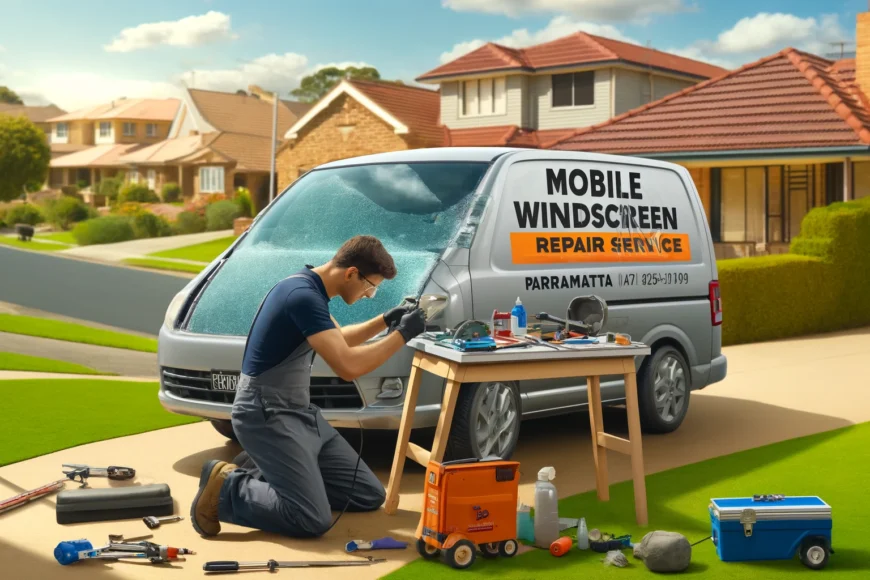
Imagine driving down a scenic highway, the road ahead is clear, and the sun casts a warm glow across the landscape. Suddenly, without warning, a small pebble kicks up from the car ahead, making an ominous crack against your windscreen. In a split second, your serene journey is interrupted and safety is compromised. For decades, a crack in the windshield meant an inevitable trip to the auto shop and a significant dent in your wallet. But what if the solution to this age-old automotive inconvenience was as seamless as it is innovative? Welcome to the revolution of AI windscreen replacement technology, where cutting-edge advancements are transforming the way we think about vehicle maintenance.
In this fast-paced era of technological breakthroughs, the automotive industry is witnessing a paradigm shift, driven by the relentless march of artificial intelligence. From self-driving cars to predictive maintenance, AI is reshaping our roads and redefining our expectations of automotive safety and efficiency. Among these changes, innovations in AI windscreen replacement technology have emerged as a game-changer, blending precision with automation to offer an unprecedented level of convenience and reliability. This transformation is not just about fixing a broken glass but reimagining the very fabric of vehicle care. As you delve into this fascinating world, prepare to discover how AI is not only mending cracks but also driving us into a future where technology anticipates and mitigates risks before they even occur.

In a world where technology is advancing at a pace few of us can truly comprehend, the once-clear line between human ingenuity and artificial intelligence continues to blur. This shift is particularly evident in industries where hands-on skill and precision have long been king. Now, even the delicate task of windscreen repair—a job traditionally reserved for trained experts with years of experience—is being eyed by a new competitor: AI robots. With their promise of efficiency, precision, and cost-effectiveness, one might wonder if these mechanical marvels will one day outshine their human counterparts. But can AI truly replicate the nuanced expertise and intuition of a seasoned technician when it comes to handling something as vital as your car’s windscreen?
Imagine driving down a highway, only for a rogue pebble to ping off your windshield, leaving a spiderweb of cracks. In the past, this scenario would undoubtedly lead you to a skilled artisan, a human who would delicately mend the damage, using a keen understanding built over countless repairs. But now, robotic arms equipped with sensors and digital precision are stepping into the workshop. While they can measure and fill gaps to perfection, the debate around whether this technology can ever fully replace the human touch is heating up. The question on many minds is: Will AI robots replace human windscreen repair services, or is there still an irreplaceable value in human craftsmanship that machines cannot replicate? As we explore this juxtaposition, the future of windscreen repair might just reveal itself to be a fascinating blend of both man and machine.
Book your appointment now and get 10% discount.
Give us 5 STARs feedback on google and a free drink on us.
MAKE APPOINTMENT


Imagine cruising down the highway on a sunny afternoon, your favorite tunes playing, and the open road stretching ahead. Suddenly, without warning, a small stone ricochets off the road, launching itself with pinpoint precision directly at your windscreen. In an instant, what seemed like a perfect drive is marred by a glaring chip or, worse, a hefty crack that snakes across the glass. It’s in these moments of unexpected disruption that we find ourselves pondering the increasingly relevant question: Is it worth buying car windscreen replacement insurance?
In this ultimate guide, we’ll unravel the complexities of windscreen insurance — a niche yet crucial aspect of car ownership that often flies under the radar until it’s needed most. With repair costs that can swiftly escalate from minor to major, this insurance might seem like a prudent precaution. But is it truly necessary for everyone? By exploring real-life scenarios, comparing costs, and deciphering fine print, we’ll arm you with the knowledge to decide whether windscreen replacement insurance is a must-have safety net or an unnecessary expense. Buckle up as we take a deep dive into the world of windscreen protection, saving both your peace of mind and your hard-earned dollars.
Imagine driving down a scenic highway, the road ahead is clear, and the sun casts a warm glow across the landscape. Suddenly, without warning, a small pebble kicks up from the car ahead, making an ominous crack against your windscreen. In a split second, your serene journey is interrupted and safety is compromised. For decades, a crack in the windshield meant an inevitable trip to the auto shop and a significant dent in your wallet. But what if the solution to this age-old automotive inconvenience was as seamless as it is innovative? Welcome to the revolution of AI windscreen replacement technology, where cutting-edge advancements are transforming the way we think about vehicle maintenance.
In this fast-paced era of technological breakthroughs, the automotive industry is witnessing a paradigm shift, driven by the relentless march of artificial intelligence. From self-driving cars to predictive maintenance, AI is reshaping our roads and redefining our expectations of automotive safety and efficiency. Among these changes, innovations in AI windscreen replacement technology have emerged as a game-changer, blending precision with automation to offer an unprecedented level of convenience and reliability. This transformation is not just about fixing a broken glass but reimagining the very fabric of vehicle care. As you delve into this fascinating world, prepare to discover how AI is not only mending cracks but also driving us into a future where technology anticipates and mitigates risks before they even occur.
In a world where technology is advancing at a pace few of us can truly comprehend, the once-clear line between human ingenuity and artificial intelligence continues to blur. This shift is particularly evident in industries where hands-on skill and precision have long been king. Now, even the delicate task of windscreen repair—a job traditionally reserved for trained experts with years of experience—is being eyed by a new competitor: AI robots. With their promise of efficiency, precision, and cost-effectiveness, one might wonder if these mechanical marvels will one day outshine their human counterparts. But can AI truly replicate the nuanced expertise and intuition of a seasoned technician when it comes to handling something as vital as your car’s windscreen?
Imagine driving down a highway, only for a rogue pebble to ping off your windshield, leaving a spiderweb of cracks. In the past, this scenario would undoubtedly lead you to a skilled artisan, a human who would delicately mend the damage, using a keen understanding built over countless repairs. But now, robotic arms equipped with sensors and digital precision are stepping into the workshop. While they can measure and fill gaps to perfection, the debate around whether this technology can ever fully replace the human touch is heating up. The question on many minds is: Will AI robots replace human windscreen repair services, or is there still an irreplaceable value in human craftsmanship that machines cannot replicate? As we explore this juxtaposition, the future of windscreen repair might just reveal itself to be a fascinating blend of both man and machine.