 Aussie AutoGlass
 - July 21, 2025
- By lingquqing
- In EV Car windscreen replacement, mobile windscreen replacement, Service Areas
- Tags autoglass replacement, Service Areas, Windscreen repair near Earlwood
- 1113
- 0

Picture this: you’re driving along the scenic highways of Australia, enjoying the vast landscapes and stunning views. Suddenly, a stray pebble strikes your windscreen, leaving a crack that spreads like wildfire. With your heart sinking, you pull over, knowing that ignoring it could compromise your safety. But here’s the pressing question: how much does it cost to replace a car windscreen without insurance in Australia? The mere thought of unexpected expenses can be daunting, and it’s crucial to understand what lies ahead.
Facing a windscreen replacement without the cushion of insurance can feel overwhelming. In Australia, the costs can vary significantly, influenced by factors like the make and model of your vehicle, the type of glass required, and even your location. Not only is it important to secure your vehicle’s integrity, but also to avoid potential fines for driving with a damaged windscreen. This blog post will guide you through the various elements that determine the cost, offering insights into making informed decisions when faced with such an unexpected hurdle. Whether you’re a seasoned driver or a new car owner, understanding the financial implications can make all the difference.

Several core elements directly affect how much you’ll pay for a windscreen replacement in Australia. First and foremost, the type and quality of the glass itself play a big role: original equipment manufacturer (OEM) glass generally carries a premium, while aftermarket alternatives may cost less but come with varying warranties. Labor rates also differ from one workshop to another, depending on factors such as local operating costs, technician expertise, and the complexity of the installation process. In some cases, calibration of advanced driver-assistance systems (ADAS) is required, adding specialized fees.
Another key factor is the urgency of the replacement. Many mobile services offer emergency or same-day installations at a surcharge, which can increase your bill by 10–20 percent. Environmental conditions and accessibility also matter—a vehicle parked in a narrow garage or on uneven terrain may require additional setup time, which can translate into higher labor charges. Seasonal demand fluctuations can also impact pricing; for example, storm seasons may drive up costs in certain regions due to increased workload for repair shops.
Finally, geographic location is a significant determinant. Urban centers like Sydney and Melbourne often feature higher labor rates and overheads compared to regional towns, where competition among local providers may keep prices more competitive. Taxation policies, state regulations, and local licensing fees can also cause variability. By understanding these driving factors—glass type, labor, ADAS requirements, urgency, and geography—you’ll be better prepared to navigate quotes and negotiate effectively when replacing your windscreen without insurance.
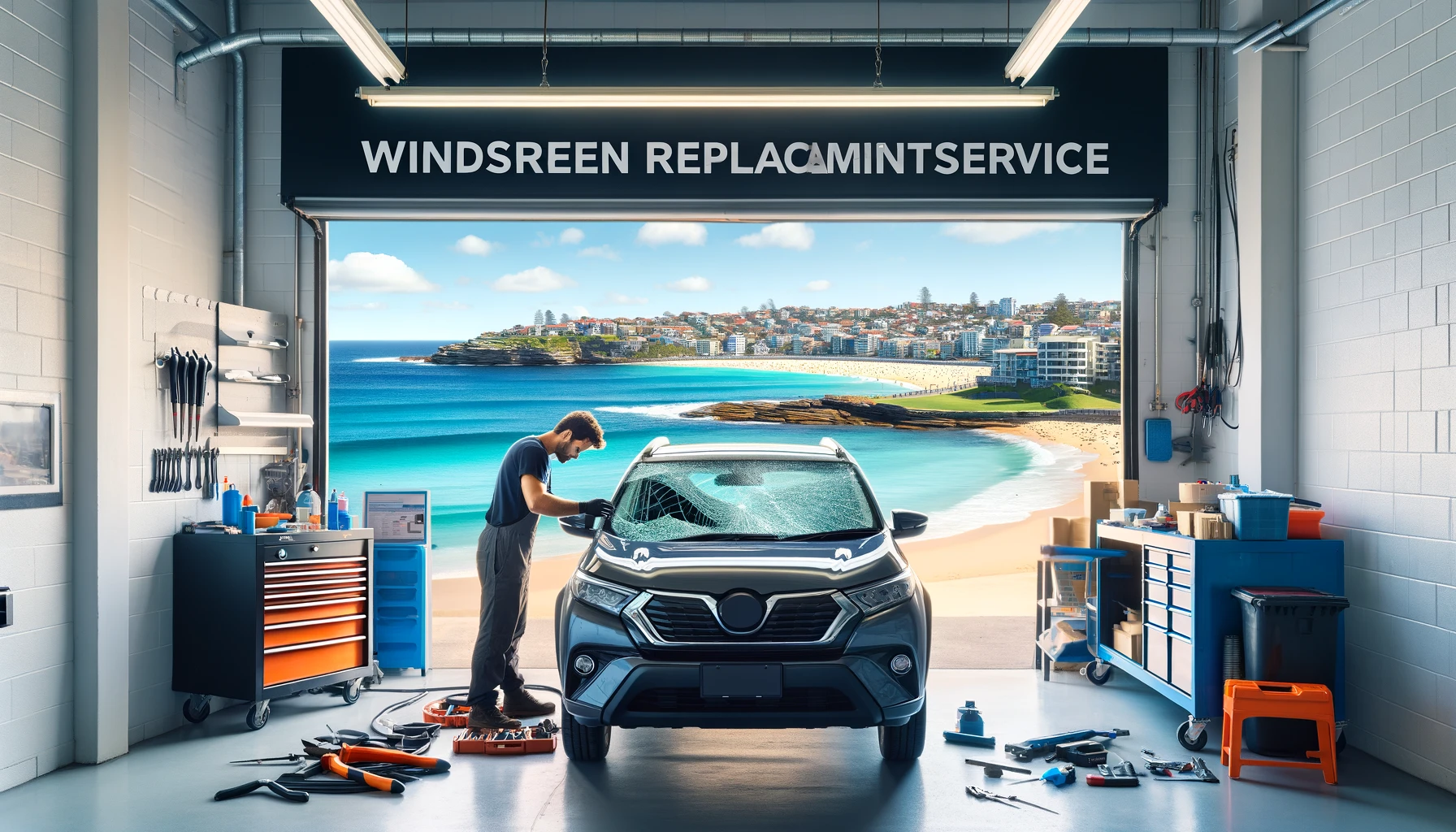
Your car’s make and model have a profound impact on windscreen replacement costs. Premium and luxury brands frequently require specialized glass with unique curvature, custom tinting, or built-in sensors, raising material expenses. In contrast, mainstream or economy models often use more standardized glass, making replacements quicker and cheaper. Windscreen replacement with Aussie AutoGlass starts from $330, depending on your vehicle (see our windscreen cost guide). Windscreens equipped with rain sensors, head-up displays, or heating elements demand extra handling and calibration, translating into both higher part and labor fees. Electric vehicles (EVs) and hybrids sometimes have reinforced windscreen assemblies to meet structural rigidity standards, which again pushes the price up. Additionally, rare or imported models may require glass shipped from overseas, adding shipping fees and lead times.Technician expertise also varies by vehicle type. Shops specializing in European or Japanese vehicles may command a premium for their niche skill set, but they can often complete replacements more reliably and with fewer callbacks. Conversely, general repair centers might be more affordable but could lack the same level of precision for advanced systems. When seeking quotes, always specify your vehicle’s make, model, trim level, and any extras like tinted glass or integrated antennas. This ensures the quote is accurate and prevents surprises when you’re handed the final invoice.

Not all automotive glass is created equal. The most common options are OEM, aftermarket, and recycled windscreens. OEM glass mirrors the original factory specifications and typically comes with a manufacturer’s warranty, but it’s the most expensive choice. Aftermarket glass meets safety standards and often carries a shorter warranty but can cost 20–30 percent less than OEM. Recycled or “green” glass from salvage yards is the cheapest, yet availability and quality vary widely.
Beyond source, glass features also affect pricing. Acoustic windscreen glass, designed to reduce road and wind noise, commands a higher premium, while heated or laminated glass with embedded defrosters adds both parts and labor costs. Tinted or UV-protective glass provides extra comfort and protection but increases the overall replacement bill. If your vehicle has ADAS, the glass must be compatible with lane departure warnings, automatic braking, and other sensor-based systems—this specialized glass can double or even triple the standard replacement price.
When comparing prices, consider the long-term implications. While aftermarket and recycled options may save money upfront, they might not offer the same clarity, durability, or warranty coverage. OEM glass, despite its higher price tag, often ensures perfect fit, optimal optical quality, and full compliance with original safety standards. Ultimately, your choice depends on budget, safety priorities, and how long you plan to keep the vehicle. Weigh these factors carefully before finalizing your selection to avoid unexpected costs or compromised performance down the road.
The state or territory where you live can significantly influence replacement costs. Major metropolitan areas such as Sydney, Melbourne, Brisbane, and Perth tend to have higher labor rates and overheads, driven by increased demand and operating expenses. Tasmania and the Northern Territory, due to their relative isolation, may incur additional shipping fees for parts, pushing prices even higher. Seasonal factors, like cyclone season in northern regions, can also generate spikes in demand and subsequent price surges.Local licensing and inspection regulations also play a role. Some states require post-installation inspections to ensure compliance with safety standards, which may involve additional fees. Additionally, certain councils impose environmental levies on glass disposal, adding a small surcharge to your bill. Before committing to a service provider, inquire about any regional surcharges or mandatory fees to avoid budget blowouts. Comparing quotes across nearby areas can sometimes reveal hidden savings, even if it means traveling a short distance for a lower price and reliable workmanship.
When budgeting for a windscreen replacement, remember that the glass itself is only part of the total expense. Labor charges typically account for 40–60 percent of the final bill, reflecting the skill, time, and tools required for a proper installation. In vehicles equipped with advanced sensors or camera systems, technicians often need to calibrate ADAS components post-installation. Calibration costs vary by vehicle and are quoted separately; Aussie AutoGlass coordinates with specialist calibration providers where it’s needed. Emergency or after-hours services can attract premium rates, sometimes adding 15–25 percent to standard labor costs. If adhesives or primers need to cure for several hours before the vehicle is drivable, you might also face storage or drop-off fees.Finally, administrative costs such as warranty handling, tax, and booking fees can nibble away at your budget. Some shops charge a non-refundable deposit to order parts, while others include a small “booking fee” to secure your appointment slot. Always request a detailed breakdown of all potential charges when asking “How much does it cost to replace a car windscreen without insurance in Australia?” A clear, itemized quote will help you avoid unpleasant surprises and ensure you’re comparing apples to apples across different providers.
While the idea of a DIY windscreen replacement might seem appealing to save on labor costs, it carries significant risks. Proper installation requires specialized tools, high-quality adhesives, and extensive knowledge of glass bonding standards. A botched job can lead to leaks, wind noise, or—even worse—improper structural integrity, which compromises safety in a collision. If you attempt DIY replacement and the windscreen fails, you could end up paying more in the long run for corrective repairs.Professional services, on the other hand, ensure compliance with Australian Design Rules (ADR) and manufacturer specifications. Certified technicians use calibrated tools to align ADAS sensors and guarantee that adhesives cure properly for maximum strength. Many reputable providers offer a lifetime warranty on workmanship and a 12–24 month warranty on materials, protecting you against leaks, defects, or premature damage.When weighing costs, factor in potential savings on insurance premiums. Some insurers offer discounts when replacement work is carried out by accredited workshops. Additionally, professional installations often include free post-fit inspections or minor adjustments at no extra charge. If budget constraints are tight, consider combining a high-quality aftermarket windscreen with professional installation—this hybrid approach can reduce material costs while maintaining safety and compliance.
Gathering multiple quotes is crucial to ensure you get the best deal on your windscreen replacement. Start by compiling a shortlist of local and mobile providers, then request itemized estimates that break down glass cost, labor, ADAS calibration, disposal, and any additional fees. Transparency is key—avoid providers who give ballpark figures without specifics. A detailed quote allows you to compare offerings side by side and identify any hidden charges.
When evaluating quotes, don’t focus solely on price. Consider the provider’s reputation, certifications, and warranty offerings. Check online reviews and ask for recommendations from friends or colleagues. Some installers partner with major glass manufacturers, which can indicate access to high-quality materials and training. Ask about turnaround times and whether they offer complimentary pickup or mobile service. Quick service may be worth a small premium if you rely on your vehicle daily.
Negotiation can sometimes yield savings. If you’ve received a better written quote from one provider, ask your preferred workshop if they can match or beat it. Bundle deals—such as fitting a rear or side window at the same appointment—may also attract discounts. Finally, confirm payment terms and whether deposits are refundable if your plans change. By diligently comparing quotes and vetting providers, you’ll be in a stronger position to make a cost-effective, confidence-inspiring decision.
When your budget can’t absorb the full cost of a windscreen replacement, financing can bridge the gap. Many glass repair shops partner with third-party lenders or offer in-house payment plans that spread the expense over several months. Interest-free options for 3–6 months are common, though you’ll need to meet credit criteria and possibly pay a processing fee. Be sure to read the fine print—late payments can trigger penalties or retroactive interest charges.
Another avenue is using a personal loan or a credit card with a 0% introductory period. If you’re confident in your ability to repay within the interest-free window, these tools can provide flexibility. However, be cautious of high interest rates once the promotional period ends. For low-income earners, some community or state-based assistance programs might subsidize part of the replacement cost, particularly if the damage renders the vehicle unsafe or unroadworthy.
Before committing to financing, compare the total repayment amount—including fees and interest—against your available cash or hardship fund. A small personal savings buffer can often outweigh the long-term cost of financing. If you anticipate additional maintenance expenses on the horizon, weigh those against your repayment obligations. Ultimately, the goal is to restore your windscreen’s integrity without compromising your broader financial health.
Proactive measures can help you avoid the shock of replacement bills. Stone chip and crack repairs start from $110. Avoid tailgating large trucks or driving on gravel roads where loose stones are more likely to bounce up and strike your glass.Park wisely to minimise environmental hazards. Whenever possible, choose covered or shaded areas to protect against falling branches, ice, or extreme temperature swings that can exacerbate existing chips. In colder regions, warm up your vehicle gradually rather than blasting the defroster on high; rapid temperature changes can cause minor cracks to spread. Using a windscreen protector or car cover when parked for extended periods also shields the glass from incidental damage.Finally, maintain proper tire pressure and suspension settings—imbalanced tires and worn shocks can cause excessive vibrations, which stress the windscreen and make it more prone to damage. If you notice early signs of wear, address them quickly. By combining regular inspections with safe driving and parking habits, you’ll reduce the likelihood of costly replacements and keep your windscreen in top condition year-round.
Replacing a windscreen without insurance in Australia doesn’t have to be a financial nightmare. By understanding the key cost drivers—such as glass type, labor rates, vehicle features, and regional factors—you can request accurate quotes and make smart choices. Weighing professional installation against DIY risks, exploring financing options, and proactively preventing damage will all help you stay within budget without compromising safety.
When you ask “How much does it cost to replace a car windscreen without insurance in Australia?” remember that transparency and preparation are your best allies. Get multiple itemized quotes, scrutinize warranties, and consider long-term value over the lowest upfront price. Armed with the right information, you can navigate unexpected repairs confidently and hit the road again with peace of mind.
Book your appointment now and get 10% discount.
And give us google 5 Stars feedback and get a free drink on us.
MAKE APPOINTMENT


