 Aussie AutoGlass
- July 21, 2025
- By lingquqing
- In mobile windscreen replacement, Mobile windscreen replacement in Blacktown, windscreen replacement
- Tags windscreen repair, Windscreen repair near Earlwood, windscreen tinting
- 986
- 0

Imagine driving your vehicle after having its windscreen replaced, only to realize that the advanced driver-assistance systems (ADAS) aren’t functioning as they should. It’s unsettling, isn’t it? This scenario is more common than you might think, and it highlights a crucial aspect of modern vehicle maintenance that many drivers overlook: the necessity for recalibration. As vehicles evolve into sophisticated machines equipped with intricate technologies designed to keep us safe, understanding the implications of every repair, like a windscreen replacement, becomes imperative.
The integration of ADAS in vehicles has revolutionized road safety, offering features such as lane departure warnings, adaptive cruise control, and automatic emergency braking. These systems rely heavily on sensors and cameras, often mounted on or around your windscreen. So, the question arises: “Do you need calibration after replacing a car windscreen with ADAS?” The answer might surprise you. Many drivers are unaware that even a small misalignment can render these vital systems ineffective. In this blog post, we’ll delve into why calibration is not just a recommendation but a necessity, ensuring your vehicle’s safety features function optimally after any windscreen replacement.

Advanced Driver-Assistance Systems (ADAS) have become integral to modern automotive engineering, transforming vehicles from simple machines into sophisticated safety platforms. These systems encompass a range of technologies—such as lane departure warning, adaptive cruise control, automatic emergency braking, blind spot detection, and parking assistance—that work in concert to monitor road conditions, driver input, and surrounding traffic. By processing data from cameras, radar, ultrasonic sensors, and LiDAR, ADAS features can anticipate hazardous situations and intervene before human reaction time allows. This not only reduces the likelihood of collisions but also minimizes the severity of impact when accidents do occur.
The significance of ADAS extends beyond personal safety to broader societal benefits. Studies show that vehicles equipped with robust ADAS features experience up to a 40 percent reduction in rear-end collisions and a 23 percent drop in overall crash rates. Fleet operators and insurance companies increasingly encourage the adoption of these systems to lower operational costs and claims. Moreover, regulatory bodies around the world are moving toward mandating certain ADAS functions in all new vehicles, underscoring the technology’s critical role in the next generation of road safety. Understanding the Importance of ADAS in Modern Vehicles highlights why maintaining system accuracy—especially after repairs like windscreen replacement—is not optional but essential to preserving the safety advantages these systems provide.
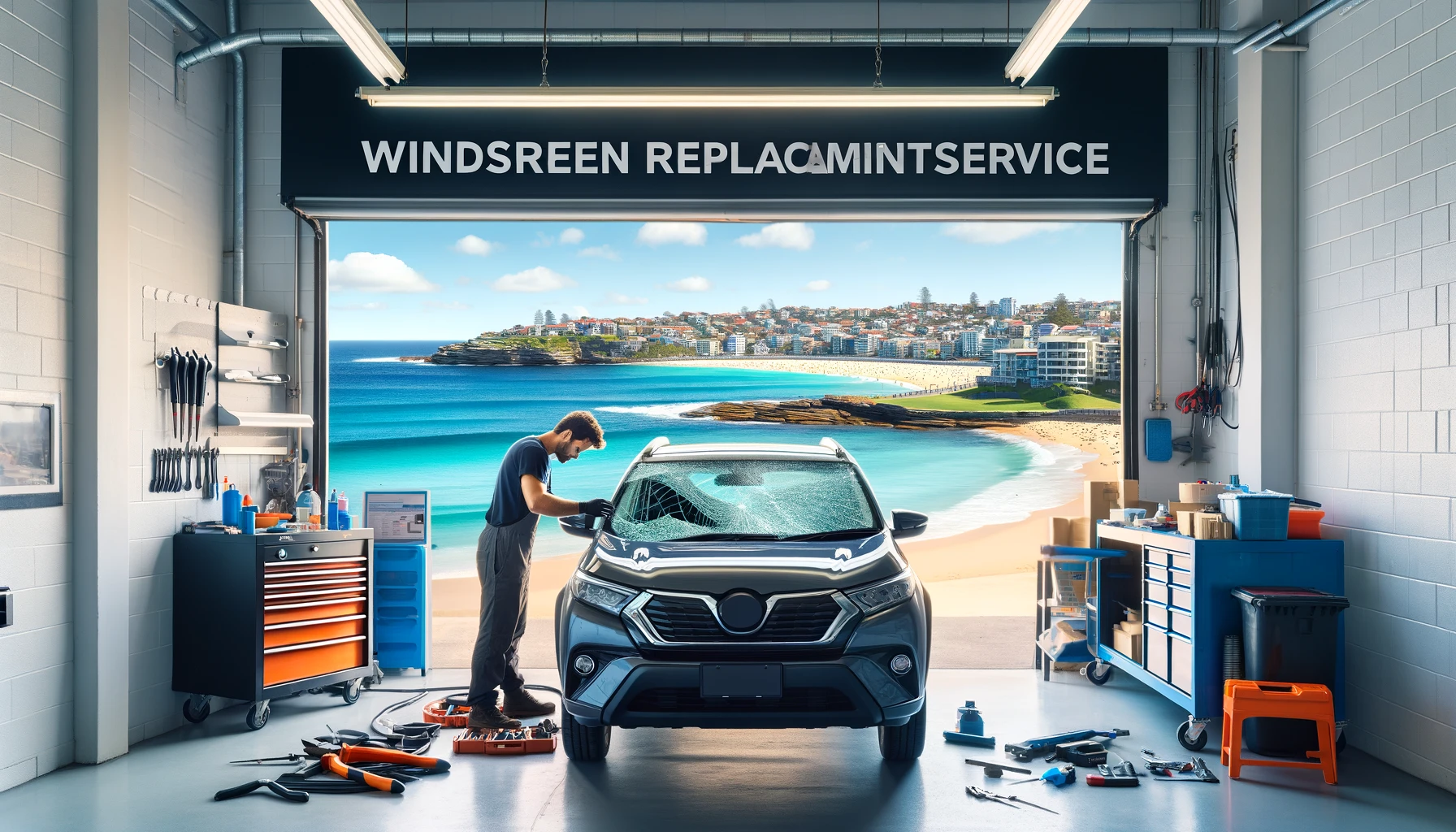
The windscreen serves as more than just a barrier against wind and debris; it is a fundamental mounting point for many ADAS components. Cameras responsible for lane-keeping assistance, traffic sign recognition, and forward collision warning are often fixed to the interior side of the windscreen. Similarly, rain sensors and light sensors that automate wiper functions and headlight control depend on clear, unobstructed glass. The precise positioning of these devices relative to the vehicle’s axis ensures accurate detection of road markings, obstacles, and changing weather conditions.
Any deviation in windscreen alignment or quality can compromise sensor performance, leading to delayed warnings or false alarms. For instance, if the glass is not perfectly flush or if the adhesive bond shifts the sensor mount, the camera’s field of view may tilt, causing lane departure warnings to trigger erroneously or fail to trigger when truly needed. Consequently, the Role of Windscreen in ADAS Functionality goes beyond mere support; it is a critical factor in calibration and reliable operation. Careful attention to windscreen integrity and positioning is vital for keeping advanced safety systems working as intended.

Replacing a vehicle’s windscreen can subtly alter the mounting angle or position of ADAS sensors, which depend on precise calibration to interpret visual and radar data accurately. The Impact of Windscreen Replacement on ADAS Calibration cannot be understated: even a millimeter’s shift can lead to misalignment, undermining system reliability. Without recalibration, features like adaptive cruise control may misjudge distances, while lane-keep assist might drift toward lane markings incorrectly.
After a windscreen replacement, sensors and cameras often require realignment to factory specifications. Adhesive thickness, glass curvature, and even ambient temperature during installation can affect sensor positioning. Failing to account for these variables during the repair process risks reducing the efficacy of safety-critical systems. Ensuring that recalibration follows any windscreen work is not just best practice; it’s a necessity to restore full ADAS functionality and uphold the level of protection drivers expect.
Even if a vehicle appears to drive normally after windscreen replacement, subtle warning signs can indicate that ADAS calibration is necessary. Ignoring these indicators can erode system performance over time, potentially compromising safety.
Common indicators include sudden alerts for lane departure when the car is centered in its lane, inconsistent adaptive cruise control braking patterns, or illuminated warning lights on the dashboard. Drivers might also notice erratic behavior from automatic high beams or blind spot warnings that trigger without nearby vehicles. Paying close attention to these signs helps ensure that “Do you need calibration after replacing a car windscreen with ADAS” is answered affirmatively whenever anomalies arise.
Operating a vehicle with uncalibrated ADAS exposes drivers and passengers to increased safety risks. Without proper calibration, distance-measuring sensors may over- or underestimate the proximity of other vehicles, pedestrians, and obstacles. This can lead to inadequate braking distances or unintentional lane deviations, both of which heighten the likelihood of collisions. Automatic emergency braking might activate too late—or not at all—during critical moments. Similarly, lane-keeping assistance could steer the vehicle toward the shoulder, other lanes, or off the road entirely.
Beyond immediate safety hazards, uncalibrated ADAS can strain driver confidence. When warning systems behave unpredictably, drivers may become desensitized to alerts, potentially ignoring genuine warnings later. Furthermore, insurance companies may deny claims if it is determined that a vehicle’s safety systems were not properly maintained. Recognizing the Risks of Driving Without Proper ADAS Calibration underscores why recalibration after windscreen replacement is essential for safety, liability protection, and preserving the driver’s trust in vehicle technology.
The calibration process involves aligning sensors and cameras to the manufacturer’s precise specifications, ensuring that each ADAS component accurately interprets its environment. Technicians use specialized equipment—such as calibration targets, alignment rigs, and diagnostic tools—to simulate real-world conditions. The vehicle is positioned in a controlled environment, and the system software guides the adjustment of each sensor until it falls within acceptable tolerance ranges.
Static calibration is performed indoors using fixed targets placed at defined distances, whereas dynamic calibration requires a short drive on a flat, straight road. During dynamic procedures, the system collects real-time data to finalize sensor orientation. Understanding the Calibration Process for ADAS helps drivers appreciate why skilled professionals and proper facilities are essential to achieving reliable results.
When deciding between professional and DIY calibration, vehicle owners should weigh accuracy, cost, and safety. Professional calibration by certified technicians offers the assurance of factory-level precision. Technicians have access to manufacturer-grade equipment, detailed calibration specifications, and the experience to handle complex sensor systems. This option often includes a warranty on the calibration work, ensuring that any issues arising shortly afterward are rectified without additional expense.
DIY calibration kits are available online and can be more cost-effective upfront. However, they require significant technical knowledge, precise measurements, and a suitable environment for both static and dynamic calibration procedures. Mistakes in the DIY process—such as incorrect target placement or inadequate road conditions—can exacerbate calibration errors. Professional vs. DIY Calibration Options should be evaluated carefully; for most drivers, entrusting calibration to trained professionals is the safest and most reliable choice.
The cost of ADAS recalibration varies depending on vehicle make and model, the complexity of the systems involved, and regional labor rates. Calibration costs vary by vehicle and are quoted separately; Aussie AutoGlass coordinates with specialist calibration providers where it’s needed. Some service centers offer package deals that include windscreen replacement and ADAS calibration, which can reduce overall expenses compared to separate services.Insurance policies and extended warranties may cover part or all of the recalibration cost, especially if the windscreen replacement was due to a covered claim. It is advisable to consult with both your insurer and service provider to clarify coverage details. Factoring in the Cost Considerations for ADAS Recalibration helps drivers plan for necessary maintenance expenses and avoid unexpected financial burdens.
Locating a certified calibration center is crucial for restoring ADAS functionality to factory standards. Start by consulting your vehicle manufacturer’s website or owner’s manual, which often list approved service facilities. National automotive associations and dealer networks can also provide directories of certified centers. Verify that the chosen facility employs technicians trained on your specific make and model and uses up-to-date calibration equipment.
Online reviews and recommendations from fellow vehicle owners can further guide your selection. When contacting a center, ask about their calibration process, equipment brands, and warranty terms. By Finding Certified Calibration Centers for Your Vehicle, you ensure that your windscreen replacement is complemented by expert recalibration, preserving the full protective benefits of ADAS technologies.
Replacing a windscreen without recalibrating ADAS components is like changing a ship’s compass without realigning the helm—systems may appear intact, yet precision is lost. Proper ADAS calibration after windscreen replacement restores the accuracy of cameras and sensors, safeguarding both driver and passenger.
By recognizing the importance of ADAS, understanding calibration procedures, and choosing qualified professionals, vehicle owners can maintain the reliability of advanced safety features. Ensuring Safety Through Proper ADAS Calibration is not just a technical requirement but a critical step in preserving confidence and control on every journey.
Book your appointment now and get 10% discount.
And give us google 5 Stars feedback and get a free drink on us.
MAKE APPOINTMENT


