 Aussie AutoGlass
 - January 29, 2026
- By feng gao
- In mobile windscreen replacement, Mobile windscreen replacement in Blacktown, windscreen maintenance
- Tags Same day repaire, windscreen repair, WINDSCREEN REPLACEMENT
- 219
- 0

Imagine cruising down the highway in your sleek new car, equipped with the latest Advanced Driver Assistance Systems (ADAS). These state-of-the-art technologies offer unprecedented safety and convenience, but what happens when a stray stone chips your windscreen, or worse, shatters it entirely? For many drivers, the prospect of windscreen damage can be daunting, especially when dealing with the intricate sensors and cameras integrated into ADAS. Navigating the world of windscreen replacement service for new car models with ADAS is vastly different from the straightforward repairs of yesteryear. It requires a keen understanding of not only the glass itself but also how to recalibrate and maintain these sophisticated systems afterward.
In fact, according to a recent automotive industry study, nearly 30% of new vehicles sold in 2022 came equipped with some form of ADAS, making it more likely than ever that drivers will encounter these high-tech replacements. The stakes are high; improper handling can lead to malfunctioning safety features that compromise your vehicle’s performance. This blog post unravels what drivers need to know when facing windscreen replacement for ADAS-equipped vehicles, ensuring that safety and functionality remain uncompromised. Dive in as we explore expert insights, essential tips, and the latest industry trends shaping this critical aspect of modern automotive care.
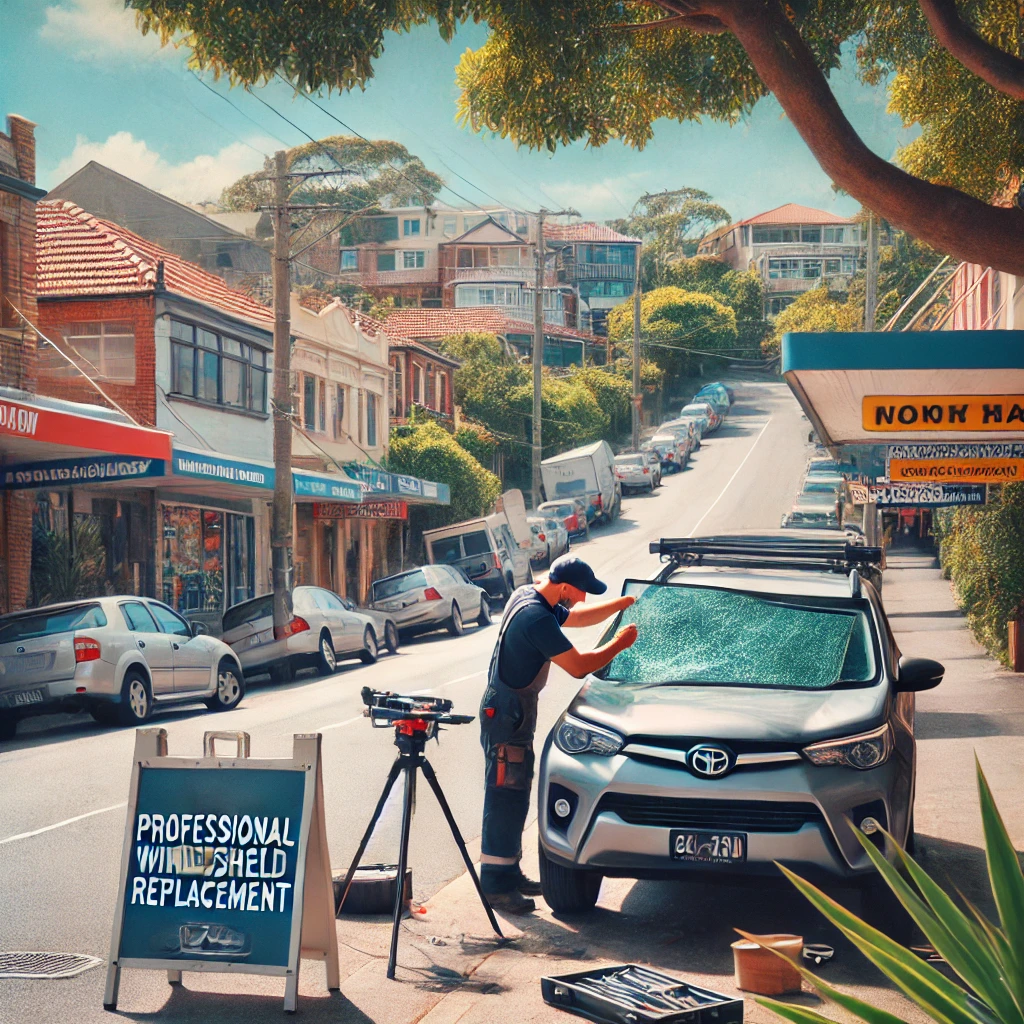
The integration of Advanced Driver Assistance Systems (ADAS) into modern windscreen assemblies has transformed what was once a routine repair into a highly specialized procedure. ADAS features such as lane-keeping assist, automatic emergency braking, and adaptive cruise control rely on precisely calibrated cameras and sensors that are often mounted directly on or behind the windscreen. Any misalignment caused by improper installation can lead to sensor drift or calibration errors, compromising the vehicle’s ability to detect obstacles, maintain lanes, or respond to emerging hazards.
When considering a windscreen replacement service for new car models with ADAS, understanding the critical nature of these technologies is paramount. These systems are designed to augment driver awareness and reaction times, reducing the likelihood of collisions and enhancing road safety. However, the very sensors that make these systems effective also add complexity and cost to windscreen repairs. A minor chip or crack that might have been trivial in older vehicles now necessitates a comprehensive inspection and post-installation recalibration process to ensure that the ADAS continues to function as intended.
Beyond the technical ramifications, the presence of ADAS alters the timeline and workflow for replacement. Technicians must follow detailed manufacturer guidelines, utilize specialized equipment, and often work within controlled environmental conditions to prevent contamination of camera lenses or sensor housings. This level of precision underscores why vehicle owners should seek out qualified providers for windscreen replacement service for new car models with ADAS rather than attempting DIY fixes or trusting unverified glass shops.

Engaging a certified professional for windscreen replacement service for new car models with ADAS ensures that both the glass and the associated safety systems are treated with the required expertise and care. Professional services invest in training and equipment that meet or exceed OEM (original equipment manufacturer) specifications, which is critical when dealing with ADAS components. These specialists are well-versed in manufacturer-specific calibration procedures, adhesive application techniques, and environmental controls that minimize contamination risks and promote optimal sensor performance.
Moreover, professional providers carry appropriate liability insurance and warranties to protect vehicle owners. In the event of post-installation failures—whether due to adhesive bond issues or calibration drift—qualified workshops will diagnose and rectify the problem at no additional cost, safeguarding both your investment and peace of mind. They also maintain meticulous records of each replacement, including temperature and humidity logs, calibration reports, and quality control checks. These documents can prove invaluable should there be any insurance claims or warranty disputes related to the windscreen replacement service for new car models with ADAS.
Another key benefit of choosing a professional service is access to genuine or OEM-equivalent glass. Cheaper aftermarket alternatives may not feature the precise mounting points, optical clarity, or sensor integration needed for flawless ADAS operation. A mismatched windscreen could cause unpredictable sensor behavior, false warnings, or complete system failures. By opting for a reputable specialist, vehicle owners can rest assured that their ADAS-dependent safety features remain fully operational, preserving both the functionality and value of their investment.
Modern vehicles incorporate a variety of ADAS technologies directly into the windscreen area, each designed to enhance driver safety and convenience. Among the most common are forward-facing cameras for lane departure warning and traffic sign recognition, infrared sensors for night vision systems, and radar modules for adaptive cruise control. Each of these components requires precise mounting angles and unobstructed fields of view to function accurately.
Understanding which ADAS features your vehicle employs is essential when seeking windscreen replacement service for new car models with ADAS. This knowledge helps the service provider determine the calibration equipment, software, and environmental conditions required for optimal alignment. Misidentifying or overlooking an integrated sensor can lead to costly recalibration sessions or compromised system performance down the road.
Replacing a windscreen on an ADAS-equipped vehicle involves multiple challenges that set it apart from traditional glass repairs. First, the intricate nature of sensor alignment means that even a fraction of a degree’s misplacement can trigger false alarms or sensor blackout. This level of precision demands advanced specialized tools and skilled technicians capable of reading intricate calibration schematics.
Second, certain OEM guidelines stipulate controlled workshop conditions—specific temperature and humidity ranges—to ensure the adhesives cure properly without introducing air bubbles or moisture ingress. Such environmental requirements can add logistical constraints, extending repair times and increasing overhead costs compared to standard windscreen installations.
Finally, software integration poses a unique hurdle. After the physical installation, technicians must connect to the vehicle’s onboard diagnostics (OBD) system and run calibration routines using manufacturer-specific software. In some cases, cloud connectivity or subscription services may be necessary to access the latest calibration parameters or sensor firmware updates. Neglecting this step can render the ADAS calibration incomplete, diminishing the overall effectiveness of critical safety features.
Selecting the right provider for windscreen replacement service for new car models with ADAS involves assessing expertise, certifications, and equipment quality. Look for workshops that hold OEM endorsements or are part of recognized automotive calibration networks. These affiliations indicate that the technicians receive regular training and adhere to stringent quality standards set by vehicle manufacturers.
Additionally, verify that the service center has dedicated calibration bays with controlled environmental conditions. Properly installed windscreen adhesives require stable temperatures and low humidity levels to cure effectively. A provider lacking these facilities might complete a replacement quickly but leave your ADAS system at risk of sensor misalignment or adhesive failure over time.
Finally, review customer testimonials and warranty offerings. A reputable shop will stand by its work, offering comprehensive guarantees that cover both the glass replacement and the accuracy of post-installation ADAS calibration. Transparent pricing—detailing costs for labor, calibration equipment usage, and any software updates—helps avoid unexpected charges and builds trust between you and the service provider.
Recalibration is the final, critical step in windscreen replacement service for new car models with ADAS. Technicians begin by positioning the vehicle in relation to calibration targets—specialized patterns or fixtures representing real-world road scenarios. These targets may include lane markings, traffic signs, or pedestrian silhouettes, arranged at precise distances and orientations.
Once the targets are in place, the technician connects a calibration tool to the vehicle’s OBD port and initiates manufacturer-specific software routines. These routines guide the system through a series of sensor alignment checks and adjustments. Calibration may involve static procedures, where the vehicle remains stationary, or dynamic procedures, which require a short, controlled drive to fine-tune radar-based systems. Success is measured by comparing sensor readings against expected values; any discrepancies prompt iterative adjustments until all readings fall within the OEM-specified tolerances.
After completing the recalibration process, a thorough validation ensures that all ADAS functions operate as designed. Technicians perform systematic tests, verifying that lane departure warnings, automatic emergency braking, and adaptive cruise control respond accurately to simulated obstacles and road markings. Visual inspections confirm that cameras and sensors are free from dust, debris, or adhesive residue that could impair performance.
Vehicle owners should also receive a detailed calibration report outlining the procedures performed, the final alignment values, and any software versions applied. This documentation is not only a record of quality control but also a reference point for future maintenance. When properly executed, professional windscreen replacement service for new car models with ADAS reinstates the full suite of safety features, delivering the highest level of driver assistance and peace of mind.
The cost of a windscreen replacement service for new car models with ADAS typically exceeds that of a standard windscreen due to the added calibration requirements and specialized equipment. Labor rates often include time spent on meticulous adhesive application, multi-stage curing processes, and the calibration routines needed to align sensors precisely. Depending on the vehicle make and model, total costs can range from 20% to 50% higher than non-ADAS windscreen replacements.
Insurance policies may cover ADAS windscreen replacements, but coverage varies by provider and plan. Some insurers consider ADAS recalibration a separate claim item, requiring pre-authorization for calibration fees and specialized labor. To avoid unexpected out-of-pocket expenses, verify with your insurer whether your comprehensive or glass-only coverage includes calibration services. If necessary, ask for an itemized estimate that clearly separates glass replacement, adhesive products, calibration tool usage, and software fees.
In cases where deductible amounts approach or exceed the cost of the service, it might make financial sense to pay out-of-pocket—especially if your insurer imposes a rate increase for filing a glass claim. Comparing quotes from multiple certified ADAS calibration centers can help identify the best balance of quality, warranty, and affordability.
The evolution of windscreen technology continues to advance in tandem with ADAS capabilities. Manufacturers are developing bond-free sensor modules that integrate seamlessly into windscreen laminates, reducing the need for mechanical fixtures and enhancing optical clarity. Some modern windscreens incorporate heat-reflective coatings to protect camera and sensor electronics from temperature extremes, thereby improving longevity and performance consistency.
Another emerging trend is the use of augmented reality (AR) heads-up displays (HUDs) projected directly onto the windscreen. By overlaid navigation cues and hazard warnings in the driver’s line of sight, AR HUDs further reduce reaction times and cognitive load. These systems require ultra-flat, distortion-free glass, raising the calibration stakes even higher for replacement services. Advanced scanners and laser-based leveling tools are now in development to meet these stringent flatness requirements.
Looking ahead, machine learning algorithms may allow ADAS sensors to self-calibrate in real time, compensating for minor alignment errors without manual intervention. This could shorten or eliminate the need for traditional static calibration routines, making post-replacement checks faster and more cost-effective. As these technologies become mainstream, it will be critical for windscreen replacement service for new car models with ADAS to adapt, ensuring that both the glass and the intelligence it carries meet the highest standards of safety and reliability.
Windscreen replacement for ADAS-equipped vehicles demands a level of precision and expertise far beyond conventional glass repairs. From understanding sensor integration to executing meticulous calibration procedures, every step influences the effectiveness of life-saving driver assistance features.
By selecting a certified professional with the right equipment, following OEM guidelines, and verifying insurance coverage, vehicle owners can restore both their windscreen integrity and the full functionality of their ADAS systems. Staying informed about emerging windscreen technologies will ensure you’re prepared for the next generation of driver-assist innovations.
Book your appointment now and get 10% discount.
And give us google 5 Stars feedback and get a free drink on us.
MAKE APPOINTMENT


