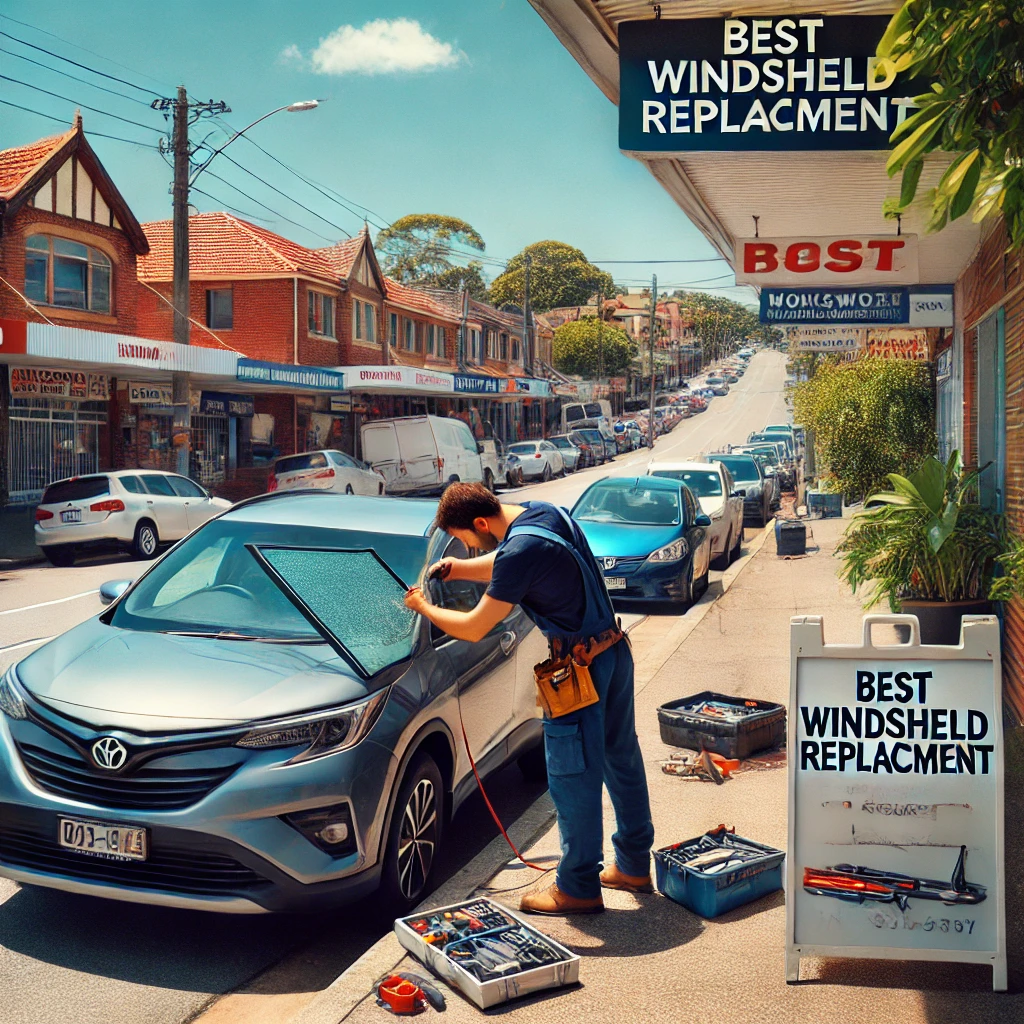
Imagine cruising down the highway, enjoying the open road, when suddenly a rogue pebble kicks up and cracks your windscreen. It’s a common scenario that drivers dread, but what’s even more alarming is the rise in repair costs. As 2025 approaches, industry analysts are predicting a significant jump in windscreen prices, leaving many to wonder just what’s driving these costs skyward. For car owners, this could mean budgeting more for unexpected repairs, but the story doesn’t end there.
Behind the windscreen cost increase in 2025 lies a complex web of factors, from global supply chain disruptions to advancements in automotive technology. The demand for more sophisticated materials, coupled with inflationary pressures, is reshaping the landscape for manufacturers and consumers alike. This blog explores these underlying forces, providing a comprehensive look at what’s fueling the price hikes and how it might affect your wallet. Whether you’re a car enthusiast or simply a curious driver, understanding these dynamics could save you from future sticker shock.
Impact of Global Supply Chain Disruptions
Over the past few years, global supply chains have been stretched to their limits by a perfect storm of events: lingering effects of the pandemic, labor shortages at critical ports, shipping container scarcities, and geopolitical tensions. For windscreen manufacturers, these disruptions have translated into longer lead times for raw materials like specialty glass and resin compounds. When shipping lanes are congested or containers rerouted, suppliers must charge more to cover expedited transport and storage costs. As a result, the baseline cost of producing windscreens is steadily climbing.
Car owners asking “windscreen cost increase 2025 – what’s driving the price?” will find much of the answer lies in these bottlenecks. When a tempered or laminated pane of glass is delayed by weeks, manufacturers face idle production lines and higher overhead. Many pass these increases directly to distributors and repair shops. Additionally, fluctuating freight rates—up as much as 200 percent in some trade lanes—force suppliers to build in hefty surcharges. By the time the finished product reaches your local auto glass installer, the cumulative effect of these disruptions is visible on your invoice.
Advancements in Automotive Technology
Modern vehicles come equipped with an array of driver assistance systems that rely on the windscreen as a critical mounting point. Heads-up displays, rain sensors, lane departure cameras, and even infrared night-vision systems are now common features in mid-range and premium models. Integrating these technologies requires precision-engineered glass with embedded coatings and cutouts, driving up both production complexity and cost. Factory calibration during installation further adds labor hours to each repair or replacement job.
These high-tech windscreens are no longer simple sheets of glass; they’re electronic platforms. Installing a camera housing or HUD projector often demands hand-inspection and specialized tooling, which raises labor rates. Moreover, recalibration after replacement—ensuring that sensors properly align with vehicle control units—can tack on 20 to 40 minutes of technician time. In the end, consumers pay more for the added safety and convenience, reflecting the trend where automotive innovation directly fuels higher windscreen repair and replacement expenses.
Demand for Sophisticated Materials
As automakers strive to deliver quieter, stronger, and more energy-efficient vehicles, windscreen materials have evolved far beyond standard laminated glass. Acoustic interlayers help dampen road and wind noise, while solar control coatings reduce interior heat gain. Some luxury models even feature electrochromic glass that adjusts tint on demand. These enhancements require rare polymers, precious-metal coatings, and multi-layer lamination processes that push raw material costs upward.
Moreover, the growing focus on lightweighting—using thinner glass and advanced adhesives to improve fuel efficiency—introduces new composite materials and resins that command premium prices. Suppliers must invest in specialized presses, clean-room facilities, and patented chemical compounds to meet OEM specifications. When demand for these high-performance windscreens spikes, economies of scale don’t always keep pace, resulting in higher per-unit costs that trickle down to repair shops and, ultimately, to consumers at the counter.
Inflationary Pressures on Windscreen Costs
Beyond sector-specific factors, general inflationary trends have exerted upward pressure on windscreen pricing. Energy costs for glass furnaces, chemical manufacturing, and transport have climbed in tandem with global commodity prices. Labor wages for skilled technicians are also on the rise as shop owners compete to retain certified installers. These overhead increases get baked into every quote, making it more expensive to repair even minor chips or cracks.Many repair networks index their prices to national inflation metrics. When inflation sits above 5 percent annually—as it has in recent years—service providers adjust their labor rates accordingly. Windscreen replacement with Aussie AutoGlass starts from $330, depending on your vehicle (see our windscreen cost guide). This interplay between macroeconomic inflation and sector-specific cost drivers ensures that windscreen repair and replacement prices remain on an upward trajectory heading into 2025.
Reshaping the Landscape for Manufacturers
The current cost environment is catalyzing consolidation in the automotive glass industry. Large OEM suppliers are acquiring smaller aftermarket firms to secure raw material supply and leverage scale efficiencies. Those who can invest in vertical integration—owning everything from glass melting furnaces to distribution warehouses—gain a strategic edge in managing costs. Meanwhile, independent repair shops face pressure to form purchasing cooperatives to access bulk discounts on windscreen inventory.
Manufacturers are also exploring nearshoring production to reduce dependence on distant ports and volatile shipping lanes. Regional glass plants in North America and Europe can respond faster to local demand, albeit at higher labor rates. As the industry restructures, production capacity will shift, and so will pricing power. Buyers may notice fewer low-cost imports but benefit from improved delivery reliability—trading off sticker price against service speed and availability.
Effects of Price Hikes on Consumers
For everyday drivers, rising windscreen costs can strain household budgets. Those without comprehensive auto insurance may delay repairs, risking small chips spreading into full cracks. And for insured motorists, higher replacement bills can lead to increased premiums or larger deductibles. With some insurers capping glass coverage payouts, policyholders end up footing the difference out of pocket.
Price hikes can also influence consumer choices regarding vehicle maintenance. Instead of seeking professional repair, some opt for DIY chip kits—at the risk of subpar results and compromised safety. In extreme cases, owners might postpone replacing a shattered windscreen, reducing visibility and elevating accident risk. Ultimately, the financial burden of these price increases extends beyond the repair invoice, impacting driving safety and long-term vehicle care decisions.
Strategies to Budget for Windscreen Repairs
Proactive planning can mitigate the financial shock of windscreen damage. Setting aside a dedicated “auto maintenance” fund helps cover unexpected expenses without tapping into emergency savings. Shop around for quotes from certified installers—comparing labor rates, part warranties, and calibration fees can yield significant savings. Don’t overlook aftermarket or refurbished windscreens, which often come with industry-standard guarantees at lower price points.
Investing in preventive measures—like protective films or windshield covers—can reduce the likelihood of chips from road debris. Consider adding glass coverage endorsements to your auto policy, which may waive deductibles for minor repairs. Extended warranties or service plans from vehicle manufacturers sometimes include glass protection, allowing you to lock in current prices for several years. By adopting these budgeting tactics, drivers can soften the blow of escalating repair costs in 2025 and beyond.
Future Outlook: Predictions Beyond
Looking past 2025, we can expect gradual easing of some supply chain constraints as technology investments and nearshore manufacturing expand. Advances in automated glazing lines and 3D-printed sensor housings may reduce labor content and material waste, potentially tempering cost growth. However, the ongoing drive for smarter, safer vehicles will continue to demand complex windscreen solutions.
Inflationary fundamentals and geopolitical uncertainties remain wildcards. Natural disasters, trade policy shifts, or new regulations on manufacturing emissions could spur fresh price adjustments. For consumers and industry stakeholders, staying informed about global trends and cultivating flexible sourcing strategies will be key to navigating the evolving landscape of windscreen repair and replacement costs.
Conclusion
As we approach 2025, the convergence of supply chain disruptions, cutting-edge automotive tech, sophisticated glass materials, and inflationary pressures ensures that windscreen replacement will cost more than ever before. Understanding these drivers—often summed up in the question “windscreen cost increase 2025 – what’s driving the price?”—helps drivers anticipate and plan for those expenses.
By exploring industry trends and adopting budgeting strategies, car owners can minimize sticker shock and maintain vehicle safety. While prices may fluctuate, proactive measures and informed choices will keep your windshield—and your finances—crystal clear.
ONLINE APPOINTMENT
Book your appointment now and get 10% discount.
And give us google 5 Stars feedback and get a free drink on us.
 Aussie AutoGlass