 Aussie AutoGlass
 - October 13, 2025
- By feng gao
- In EV Car windscreen replacement, Mobile windscreen replacement in Blacktown, Windscreen replacement near me
- Tags windscreen repair, Windscreen repair near Earlwood, WINDSCREEN REPLACEMENT
- 604
- 0

Imagine driving along the beautiful coastal roads of Australia, the sun setting in the distance, when suddenly, a rock kicks up from the road and cracks your windscreen. It’s a situation many drivers dread, yet it’s surprisingly common given the diverse terrains and bustling traffic. Addressing a cracked windscreen isn’t just about maintaining your car’s aesthetic; it’s a matter of safety that demands timely attention. But as you pull over to assess the damage, the question looms heavily: What will it cost to replace a cracked windscreen in Australia?
Navigating the options for windscreen replacement can be as daunting as a jigsaw puzzle with several missing pieces. Insurance policies, the type of vehicle, and even the specific type of windscreen can all influence the overall expense, leaving many vehicle owners feeling overwhelmed. In this blog post, we will unravel the intricacies and provide a clear understanding of the costs involved in replacing a cracked windscreen across Australia. We’ll equip you with the knowledge necessary to make informed decisions, ensuring that your journey remains safe and stress-free.

When considering the cost to replace cracked windscreen Australia-wide, several variables come into play. First and foremost is the extent of the damage. Small chips and shallow cracks can sometimes be repaired, whereas extensive fractures or damage directly in the driver’s line of sight typically necessitate a full windscreen swap. The windscreen’s make and model—whether it’s an original equipment manufacturer (OEM) part or an aftermarket replacement—also affects pricing. High-end vehicles, luxury models, and specialty windscreens (such as acoustic or heating-equipped glass) carry premium costs compared to standard replacement glass.
Labor rates represent another significant factor. Metropolitan areas like Sydney and Melbourne often have higher service charges than regional or rural locations, where demand for mobile or in-shop services may be lower. Mobile replacement services, which come to you, add convenience but sometimes command a higher fee than workshop installations. Seasonal demand can also shift pricing slightly—while windscreens are replaced year-round, extreme weather conditions (e.g., winter road debris or summer roadworks) can spike service requests and temporarily affect labor availability and cost.
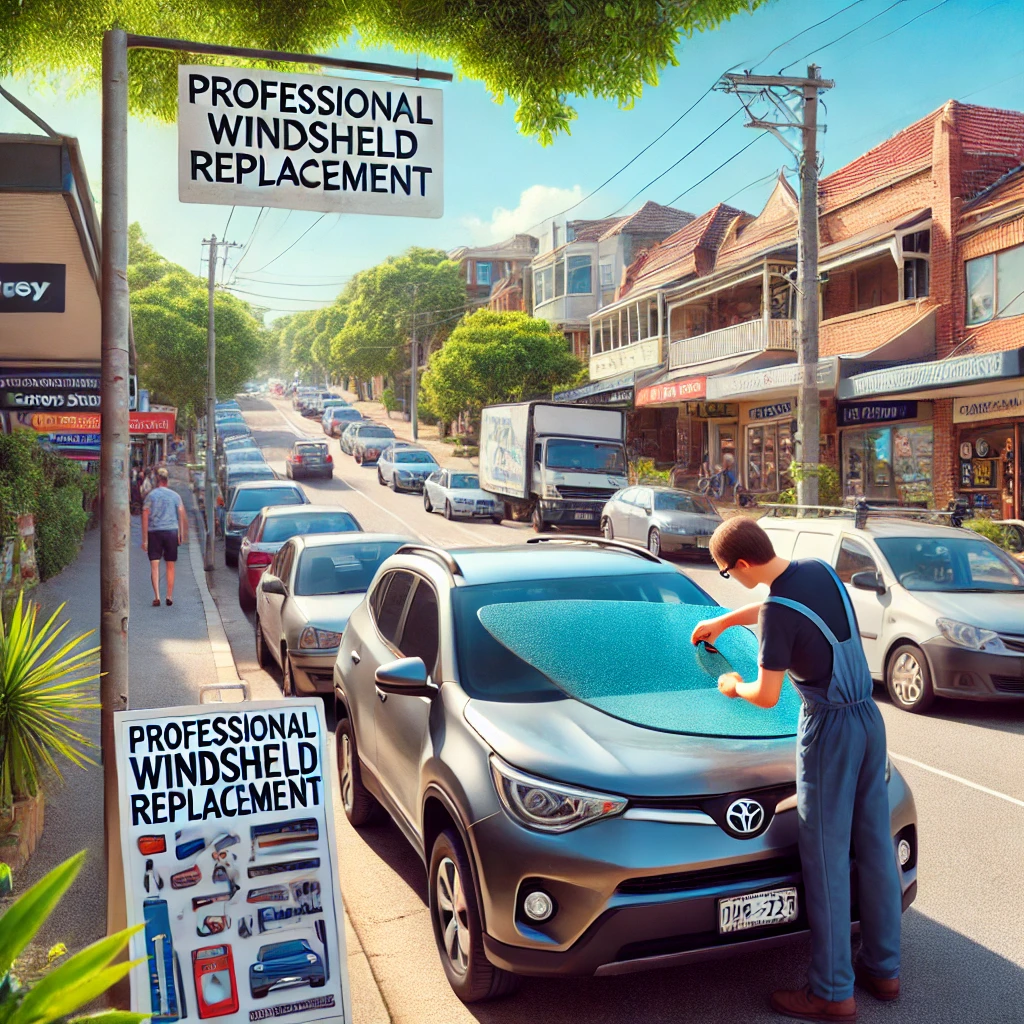
Windscreen replacement with Aussie AutoGlass starts from $330, depending on your vehicle (see our windscreen cost guide). Budget aftermarket windscreens typically fall toward the lower end of this spectrum, whereas OEM-quality glass and additional features such as acoustic dampening or built-in sensors will drive costs upward. Any insurance excess depends on your individual policy, so it’s worth checking your policy documents or asking your insurer. When searching for the true cost to replace cracked windscreen Australia-wide, it’s wise to obtain at least three quotes—factoring in glass quality, labor, calibration costs for cameras or sensors, and any insurance excess. This ensures you secure the best value without compromising on safety or quality.

Insurance can significantly offset the financial burden of windscreen replacement, but coverages vary widely across policies and providers. Understanding your level of protection and applicable limits is crucial before booking any service. Let’s look at two common types of windscreen-related insurance coverage that many Australian drivers encounter.
Review your policy documents or speak directly with your insurer to determine excess amounts, any glass-specific sub-limits, and whether you need to use approved repairers to maintain full coverage. Having clarity about what your insurer will cover helps avoid unexpected out-of-pocket expenses.
Not all windscreens are created equal. The materials and manufacturing processes used for different windscreen types have a direct influence on price, safety features, and performance characteristics.
From basic laminated glass to advanced heated or acoustic options, choosing the right windscreen for your vehicle involves balancing cost, comfort, and functionality. Below, we explore two of the most common windscreen types and how they impact replacement expenses.
When faced with a minor chip or crack, you may be tempted to grab a DIY repair kit from the local auto store. While home repair kits are affordable and convenient, they are best suited for very small chips under 20mm in diameter and shallow impact points. Attempting a DIY fix on larger or complex cracks can lead to inadequate bonding and visibility issues, compromising safety.
Professional replacement services provide trained technicians, high-grade resins, and calibrated equipment to ensure a seamless repair or replacement. Though professional solutions cost more upfront, they deliver guaranteed results, often with warranties covering workmanship and material defects.
Beyond the basic glass and labor expenses, there are several often-overlooked factors to consider when budgeting for windscreen replacement. Calibration of driver-assistance systems (ADAS) is now a standard requirement for many modern vehicles. Cameras and sensors for lane-keep assist, emergency braking, and adaptive cruise control are frequently mounted on or near the windscreen. Certified technicians must follow proper waste management protocols, which can influence labor costs. Additionally, if your vehicle has built-in rain sensors, heads-up displays, or heated elements, each feature carries additional installation complexity and material charges. Ask your service provider for a detailed breakdown of these ancillary costs to avoid surprises. Finally, always verify whether any manufacturer recalls or extended warranties might cover glass defects, potentially saving you hundreds of dollars.
Choosing a trustworthy windscreen replacement provider is essential for quality, safety, and peace of mind. Start by seeking businesses accredited by the Auto Glass Association Australia (AGAA) or those with clear industry certifications. Accreditation ensures technicians adhere to national safety standards, use approved adhesives, and follow correct installation procedures.
Online reviews, customer testimonials, and word-of-mouth recommendations are invaluable. Check third-party review platforms like ProductReview.com.au or Google Reviews for recurring praise or complaints about punctuality, workmanship, and post-service support. Many reputable companies offer mobile call-outs, extended warranties, and direct insurance billing. Before booking, confirm that the provider uses OEM or high-grade aftermarket glass, provides comprehensive warranties, and includes ADAS calibration in their quoted price. Comparing at least three quotes will help you balance cost, convenience, and quality.
Preventing damage in the first place can save you time, hassle, and money. When driving on gravel roads or in construction zones, maintain a safe distance from vehicles ahead, especially large trucks known to kick up stones. Slow down as you approach loose surfaces to reduce the force of impact. Regularly inspect your windscreen for small chips and cracks; addressing them immediately with professional or DIY repairs can prevent expansion and potential replacement.
Parking strategies also help. Whenever possible, park in shaded areas or covered carports to protect your windscreen from extreme heat, which can exacerbate minor cracks. Avoid parking under overhanging branches or near areas with frequent falling debris. Finally, use gentle windshield wiper fluid washes to clear dust and grit—abrasive particles can scratch the glass surface, weakening its integrity over time. Incorporating these simple habits into your routine will go a long way toward preserving your windscreen’s longevity and safety.
Replacing a cracked windscreen in Australia involves more than just glass and labor costs—it requires understanding insurance policies, selecting the right glass type, and ensuring proper installation and calibration. By considering these factors, you can secure the best balance between affordability and safety.
Whether you opt for DIY repairs for minor chips or professional replacements for extensive damage, timely action is key. Regular inspections and preventive measures reduce the risk of costly replacements, keeping you safe and your vehicle roadworthy.
Book your appointment now and get 10% discount.
And give us google 5 Stars feedback and get a free drink on us.
MAKE APPOINTMENT


