 Aussie AutoGlass
 - August 4, 2025
- By feng gao
- In Mobile windscreen replacement in Blacktown, windscreen maintenance, windscreen replacement
- Tags repair near me, Service Areas, Windscreen repair near Earlwood
- 428
- 0
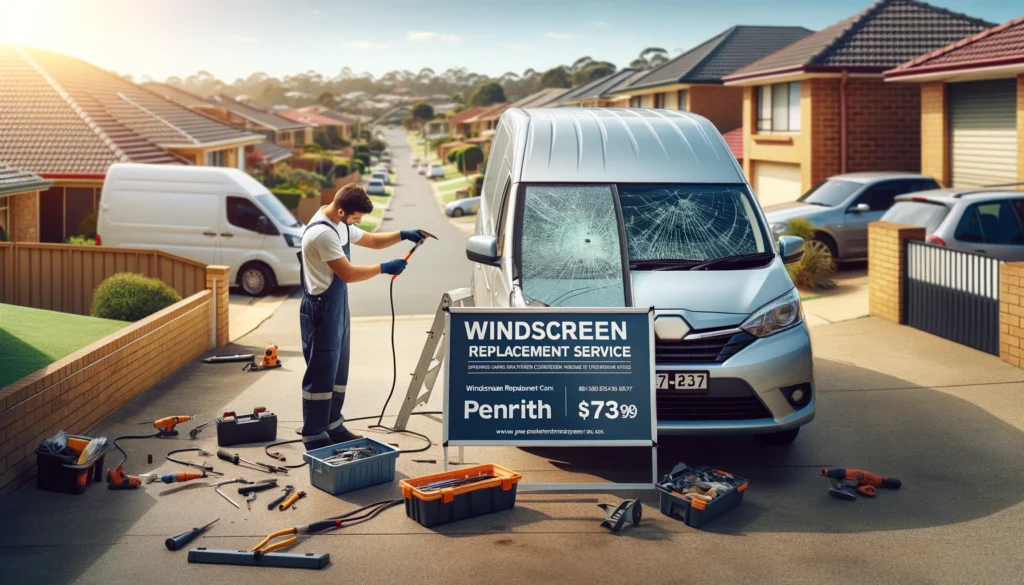
Imagine you’re cruising down the highway, enjoying your favorite tunes, when suddenly—crack! A small stone catapults from nowhere, leaving an unsightly chip on your car’s windscreen. It’s a scenario many drivers face, and it’s more than just an aesthetic issue. That seemingly minor chip can quickly escalate into a sprawling web of cracks if left unchecked. This common plight isn’t just about maintaining your car’s appearance; it’s about safety and financial foresight. Windshield damage might seem like a small problem, but repairing it promptly can save you from costly replacements and maintain the structural integrity of your vehicle.
Car windscreen damage repair is not simply a technical task; it’s an essential skill for every savvy car owner. In this ultimate guide, we’ll delve into the nitty-gritty of handling windscreen woes, offering you practical, step-by-step advice that not only saves your bacon but also ensures peace of mind. From understanding different types of damages to knowing when to repair versus replace, we’re here to equip you with the knowledge you need to tackle this common automotive issue efficiently. So, whether you’re a seasoned driver or a new car owner, stay with us as we transform a potential headache into a manageable task.

Understanding the different forms of windscreen damage is the first step in implementing effective car windscreen damage repair. From tiny stone chips to sprawling star cracks, each type poses its own set of risks and repair techniques. Two primary categories of damage typically affect your windscreen: impact damage and stress cracks. Impact damage occurs when an external object—often a rock or debris—strikes the glass, creating chips or pits. Stress cracks, by contrast, form over time due to temperature fluctuations, poor installation, or vehicle flex, resulting in long, slender fractures.
Impact damage can be subdivided further into bullseye, star, combination, and crack types. A bullseye chip resembles a tiny circular crater, while star cracks radiate lines from the point of impact. Combination breaks mix both forms, making them more complicated to repair. Separate from impact issues, stress cracks often start at the edge of the windshield and can elongate across the pane. Recognizing these distinctions helps you decide whether a quick DIY fix will suffice or you need professional car windscreen damage repair services. Identifying the exact damage type ensures that you apply the right method and stop minor chips from evolving into major structural concerns.
Timely car windscreen damage repair isn’t just about aesthetics—it’s a matter of safety. The windscreen plays a critical role in your vehicle’s structural integrity, supporting the roof and assisting airbag deployment in case of an accident. Even a small chip compromises the glass’s strength, increasing the chance of a catastrophic failure under stress. Prompt repair prevents chips from spreading, maintains optimal visibility, and ensures that the windscreen performs as designed during a collision or rollover.
Neglecting minor damage can quickly escalate repair costs. A small bullseye chip costing a modest fee to fix today may require a full windscreen replacement tomorrow if it grows unchecked. Weather fluctuations—extreme heat, cold snaps, and road vibrations—can turn a minor blemish into a network of cracks in days. Acting swiftly gives you the best chance to address damage before it worsens, saves you money, and reduces the downtime of being without your vehicle. Ultimately, prompt intervention safeguards both your wallet and your well-being on the road.

Spotting early indicators of windscreen damage can save you time and money on car windscreen damage repair. Often, damage starts small and almost unnoticeable, but certain warning signs should never be ignored. The most obvious is visible chips or cracks—especially those larger than a 20p coin or located in your line of sight. These defects hinder clear vision and can distort incoming light, increasing glare and reducing reaction times while driving.
Beyond the obvious, listen and look for subtler cues. A rattling noise during bumps might indicate that the windshield is no longer snug in its frame. Water leaks around the edges or fogging between layers of laminated glass point to seal failures. Feel for vibrations or wind drafts while driving at speed; these suggest gaps that compromise both comfort and safety. If any of these signs appear, schedule a car windscreen damage repair assessment without delay to nip problems in the bud and ensure your windshield stays secure and crystal clear.
Tackling car windscreen damage repair yourself can be tempting, thanks to the availability of DIY repair kits. These kits typically include resin, an applicator, curing strips, and instructions. Small chips and shallow cracks can often be restored to near-invisible condition with minimal tools and effort. Kits are cost-effective—often under £20—and allow you to fix minor chips at home, avoiding appointment wait times and labour fees.
However, DIY methods have limitations. They work best on single-impact chips smaller than 2cm, located away from the edges. Complex damage—bullseyes larger than a coin, long cracks, or edge fractures—require professional attention. Certified technicians use specialized vacuums and pressure equipment to infuse resin deeply and evenly, restoring structural cohesion. Pros can also assess if the damage compromises your vehicle’s safety standards and advise on full windshield replacement if necessary. Weighing kit cost savings against potential repair quality and longevity is essential when deciding between a DIY fix and a professional service.
When you discover windscreen damage, acting methodically ensures you address the issue efficiently and minimize further damage. First, clean the impacted area lightly with a soft cloth to remove debris—avoid harsh chemicals or scraping, which can worsen cracks. Next, apply a clear protective tape or splash guard over the chip to prevent moisture and dirt from seeping in. This temporary measure preserves the damage until you can complete a proper repair.
After initial stabilization, decide between a DIY repair kit and professional services based on damage size, type, and location. If opting for the former, follow the kit’s instructions precisely—work in shaded conditions, use the right curing time, and inspect the result under daylight. If you choose a specialist, book an appointment as soon as possible and ask about on-site versus garage repair options. Keep your documentation—photos of the damage, quotes, and receipts—to support insurance claims or future resale negotiations. These steps let you tackle car windscreen damage repair comprehensively, reducing the odds of a minor chip turning into a costly replacement.
Several variables influence the price of car windscreen damage repair, making it crucial to understand what drives costs. The damage’s size, depth, and location play the primary role—small chips under 2cm away from edges can cost as little as £30–£50 to repair with a professional technician. Larger cracks, combination breaks, or chips near the frame often require more intricate work, potentially pushing costs to £100 or more. Edge repairs are particularly delicate; technicians must remove the existing seal, inject resin precisely, and re-seal the windscreen to ensure a watertight finish.
Additional factors include the make and model of your vehicle—windscreens for luxury cars or those with rain sensors, head-up displays, or heating elements demand specialized glass and skilled labour. Mobile repair services may charge a premium for on-site visits, while garages usually offer lower labour rates but require you to drop off your vehicle. Finally, geographic location and local competition can cause fluctuations in standard rates. By understanding these elements, you can compare quotes and choose a cost-effective solution for car windscreen damage repair without sacrificing quality or safety.
Most comprehensive and third-party fire and theft insurance policies include windscreen coverage, making car windscreen damage repair more accessible. Some insurers offer free repairs for chips up to a certain size, while others apply a small excess or limit the number of claims per year. Always verify your policy’s terms—check for sub-limits specific to glass work, excess amounts, and approved repairers. Using an in-network provider often simplifies the claims process, with the insurer paying the workshop directly.
If you choose an out-of-network specialist, be prepared to pay upfront and claim back expenses. Keep all invoices and before-and-after photographs as evidence. Regularly review your policy renewal documents to confirm that windscreen coverage remains included; insurers sometimes adjust terms, excesses, or claim caps. Properly leveraging your insurance can significantly reduce or eliminate the out-of-pocket expense of car windscreen damage repair, ensuring you fix chips and cracks promptly without financial strain.
Prevention is the best defence in the world of car windscreen damage repair. Maintaining a safe following distance—at least four car lengths on the motorway—gives you more time to react to flying debris and reduces the chance of rocks hitting your windshield. Regularly inspect the roads you frequently drive; loose gravel or freshly resurfaced stretches often pose higher risks. Drive slower on these surfaces and avoid tailgating trucks or other vehicles that kick up stones.
Seasonal care also helps prevent stress cracks. Park in shaded areas or a garage during extreme heat to avoid sudden temperature fluctuations that strain laminated glass. During winter, warm the car gently—start with low fan settings and gradually increase heat to defrost the windscreen, preventing rapid thermal expansion. Finally, replace worn wiper blades promptly; failing blades can scratch the glass and create micro-abrasions that weaken the windscreen over time. Implementing these habits reduces the likelihood of chips or cracks, keeping your windshield robust and clear.
The windscreen is more than a window; it’s a vital component of your car’s safety framework. Modern vehicles rely on laminated glass—two glass layers bonded by a tough polymer interlayer—that helps maintain cabin integrity during impacts. In a rollover, the windscreen supports up to 45% of the roof’s load-bearing capacity, preventing collapse and protecting occupants. Even small chips compromise this strength, creating weak points that distribute stress unevenly across the pane.
Moreover, an intact windscreen is essential for proper airbag deployment. Front-impact airbags use the windscreen as a backstop, inflating towards it to cushion passengers effectively. A weakened or cracked windscreen can shatter under airbag pressure, reducing the cushion’s effectiveness and increasing injury risk. From collision performance to rollover protection, maintaining a flawless windscreen through prompt car windscreen damage repair ensures your vehicle’s designed safety features function as intended when you need them most.
Addressing car windscreen damage repair promptly isn’t just about saving money—it’s about safety, peace of mind, and preserving your vehicle’s structural integrity. Small chips and cracks can quickly spiral into bigger problems, leading to costly replacements and compromised protection in accidents. By understanding damage types, acting swiftly, and choosing the right repair option, you safeguard your visibility and ensure your windscreen performs its critical role.
Regular inspections, preventative driving habits, and clarity on insurance coverage all contribute to keeping your windshield in top condition. Whether you opt for a DIY kit or professional service, don’t delay—tackle any blemish as soon as it appears. After all, timely car windscreen damage repair might just be the one precaution that saves your bacon on the road.
Book your appointment now and get 10% discount.
And give us google 5 Stars feedback and get a free drink on us.
MAKE APPOINTMENT


