 Aussie AutoGlass
 - January 29, 2026
- By lingquqing
- In Mobile windscreen replacement in Blacktown, Service Areas, windscreen replacement
- Tags glass repair, repair near me, wind+screen+repair
- 319
- 0

Every driver dreads the sudden, sharp sound of a stone striking their windscreen, leaving behind a star-shaped chip that demands attention. It’s a common issue that can escalate if not addressed promptly, but deciding whether to repair or replace your windshield isn’t always straightforward. In this guide, we’ll navigate this tricky terrain, helping you understand when a simple repair might suffice and when a full replacement is necessary.
Did you know that even a tiny chip can compromise the structural integrity of your windscreen? That’s right; that seemingly insignificant mark could be the weak point that turns a minor incident into a major safety hazard. This isn’t merely about aesthetics—knowing whether to repair or replace a star-shaped chip on your windscreen is crucial for your safety. As we delve deeper, we’ll equip you with practical insights and expert advice to make informed decisions, ensuring both your peace of mind and the longevity of your vehicle.
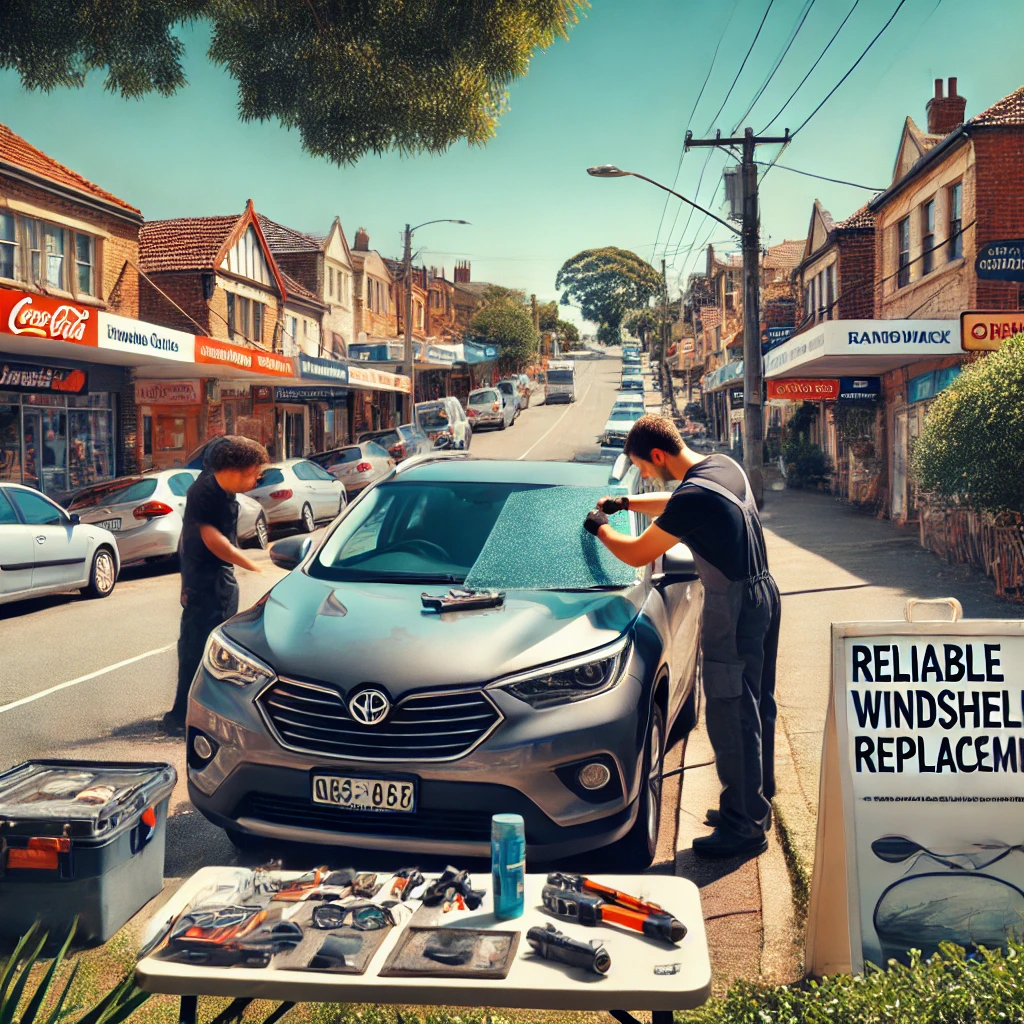
Star-shaped chips are essentially small clusters of fractures radiating from a central impact point. When a stone or debris strikes the glass, the energy disperses in multiple directions, creating thin cracks that weaken the surrounding area. Over time, these micro-fractures can spread, fueled by temperature fluctuations, road vibrations, and even subtle shifts in cabin pressure. What begins as a modest blemish can rapidly transform into a long spiderweb crack that spans the entire pane.
Beyond mere visibility concerns, the integrity of a windscreen is vital for overall vehicle safety. Modern windscreens are laminated, meaning they consist of two glass layers bonded by a plastic interlayer. This design helps prevent ejection during collisions and supports airbag deployment. A compromised laminate due to a star-shaped chip can reduce the glass’s capacity to absorb impact, putting you at greater risk in an accident. When contemplating “Should I repair or replace a star-shaped chip on my windscreen,” understanding this structural role underscores why swift action is important.
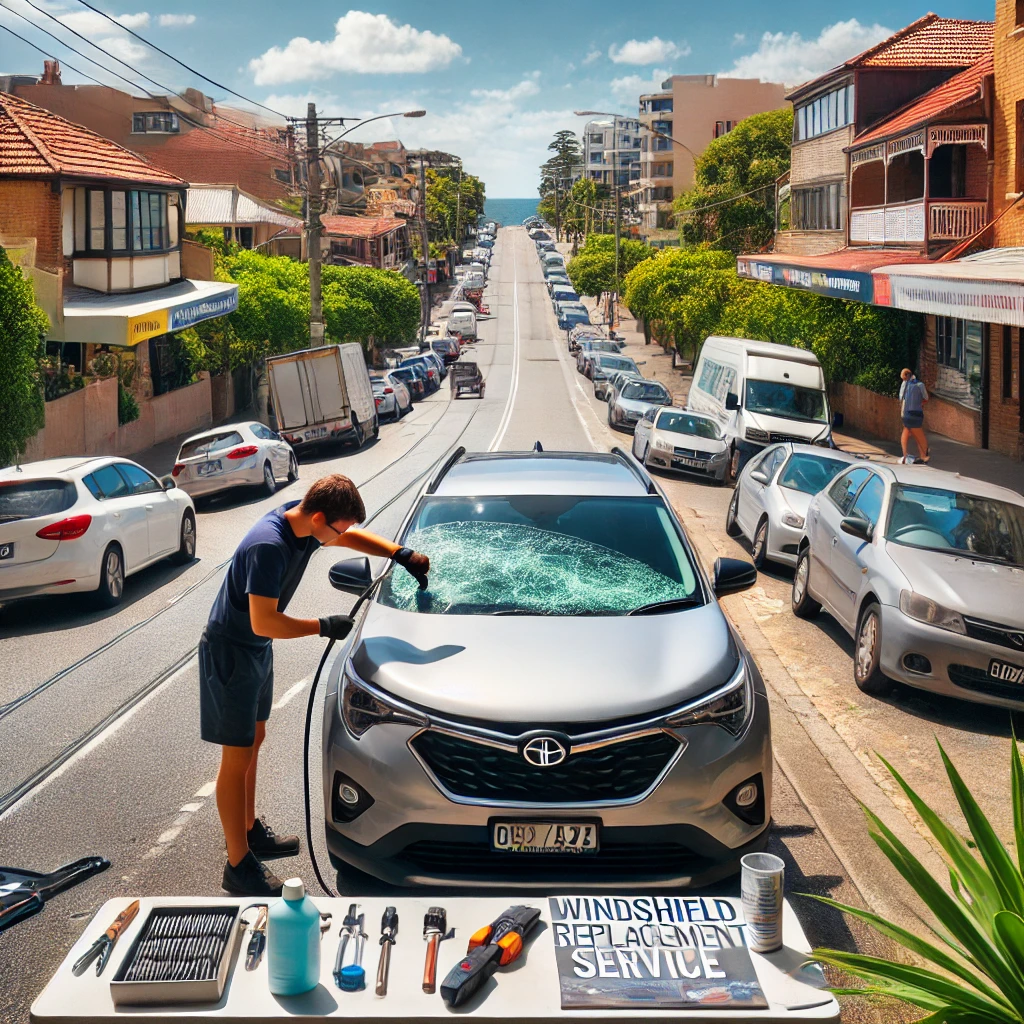
Making the right choice starts with evaluating the chip’s size, depth, and position. Generally, repairs are most successful for chips smaller than a 25 pence coin and located away from the edges. Edge chips are prone to rapid propagation because vibrations and temperature changes have more leverage on the glass perimeter. If a star-shaped chip sits near defrost lines, camera sensors, or wiper sweep zones, replacement may be safer to avoid visual distortions after repair.
Other critical considerations include your climate, driving habits, and insurance coverage. In areas with extreme temperature swings, even a minor chip can expand overnight as cold glass meets hot air—accelerating crack growth. Similarly, frequent highway driving or rough roads exacerbate stress on the compromised zone. Finally, check whether your auto policy covers windshield repairs without affecting premiums; many insurers waive the deductible for small chips, tipping the balance toward quick fixes rather than full replacements.
Repairing a star-shaped chip is often quicker and more cost-effective than full replacement. A skilled technician injects resin into the fracture lines, restoring much of the glass’s original strength. In most cases, repairs finish within an hour and can be done at your home or office, minimizing downtime. By preserving the factory-installed windscreen, you also maintain the precise optical quality originally designed for clear visibility and camera calibration.
Another significant advantage is environmental impact. Repairing rather than replacing reduces glass waste and the energy associated with producing new panels. Plus, many repair centers offer warranty coverage on resin work, giving you peace of mind against repeat spreading. For minor star-shaped chips, this minimally invasive approach addresses both safety and sustainability without the expense and hassle of sourcing a perfect glass match for your vehicle’s make and model.
Despite the perks, a repair isn’t a cure-all. If your chip exceeds a certain diameter—usually larger than a 25 pence coin—or has multiple overlapping fractures, the resin may not fully bond, leaving stress points that can still spread. Depth is equally crucial: chips that penetrate down to the inner laminate sometimes trap moisture or dirt, creating flaws that compromise clarity and strength.
Additionally, repaired areas often remain slightly visible, creating minor distortions or ‘cloudiness’ under direct sunlight or at night. For drivers with helmet-mounted displays, advanced driver-assistance systems, or critical sightlines, even subtle optical imperfections can be distracting. In such cases, despite the appeal of a quick resin treatment, opting for a full windscreen change ensures uncompromised visibility and performance.
Some damage simply can’t be remedied by resin injection. If you notice cracks extending toward the edge, spidering beyond a small radius, or if the chip intersects with defroster wires or sensor areas, the structural integrity is too compromised. Rapidly spreading cracks—sometimes growing overnight—are a telltale sign that replacement is the safer route.
Also, any windshield that has been previously repaired multiple times loses its original bonding consistency. Layering resins in the same spot can create weak interfaces where future fractures start more easily. Visible delamination—where the interlayer separates from the glass—or warping of the glass surface further points to the need for a full replacement rather than another patch-up attempt.
Stone chip and crack repairs start from $110 (see our windscreen cost guide). Insurance often covers this amount without raising your premium. Calibration costs vary by vehicle and are quoted separately; Aussie AutoGlass coordinates with specialist calibration providers where it’s needed. Consider long-term resale value: a flawless, OEM-certified windshield can maintain higher trade-in appraisal than one with visible repair spots. If you plan to keep your vehicle for many years, investing in a replacement now could avoid repeated repair expenses and insurance claims down the line.
DIY windscreen repair kits have become popular, promising quick fixes with syringe-style resin injectors and curing strips. Achieving perfect resin flow, bubble-free application, and proper UV curing can be challenging without professional-grade tools.Professional technicians use specialized vacuum-and-pressure machines to draw out air pockets and force resin deeper into fractures. They also perform post-repair polishing and clarity tests to ensure optical quality. For a small star-shaped chip, a DIY kit might suffice as a temporary measure, but for lasting safety and legal compliance—especially if you’re uncertain or lack experience—professional service remains the gold standard.
From an ecological standpoint, repairing a chip conserves resources and diverts glass from landfills. Manufacturing new laminated windshields consumes energy, raw materials, and transport fuel. By choosing repair, you reduce your carbon footprint and support a circular economy approach where existing materials are preserved rather than discarded.
That said, poorly executed repairs may require eventual replacement anyway, potentially negating initial environmental benefits. Always ensure repairs meet industry standards and use quality resins certified for low-toxicity and UV resistance. In this way, you strike a balance between sustainability and safety, extending the lifespan of your existing glass while upholding performance.
Preventing damage is the best strategy. Maintain a safe following distance from trucks and construction vehicles that kick up road debris. Regularly inspect your windscreen for small chips and cracks, especially after gravel roads or hailstorms. Addressing issues within 24–48 hours greatly increases repair success rates.
Seasonal care also matters: park in shaded areas during extreme heat to avoid thermal stress cracks, and never blast a cold windshield with hot defroster air. Finally, keep your wiper blades in good condition—worn blades can scratch the glass surface and exacerbate weak points. Following these simple tips will minimize the likelihood of having to ask yourself, “Should I repair or replace a star-shaped chip on my windscreen?” in the first place.
Deciding whether to repair or replace a star-shaped chip hinges on size, depth, location, and your driving conditions. For small, isolated chips, professional repair offers a cost-effective, eco-friendly solution that preserves your windscreen’s structural integrity. However, if damage is extensive, edge-located, or obscures critical sensors, full replacement is the safer bet.
By weighing immediate costs against long-term safety and resale value—and by following expert maintenance tips—you can confidently choose the option that protects both your investment and your well-being on the road.
Book your appointment now and get 10% discount.
And give us google 5 Stars feedback and get a free drink on us.
MAKE APPOINTMENT


