 Aussie AutoGlass
 - January 2, 2026
- By feng gao
- In mobile windscreen replacement, Mobile windscreen replacement in Blacktown, Service Areas
- Tags autoglass replacement, Same day repaire, Windscreen repair near Earlwood
- 404
- 0

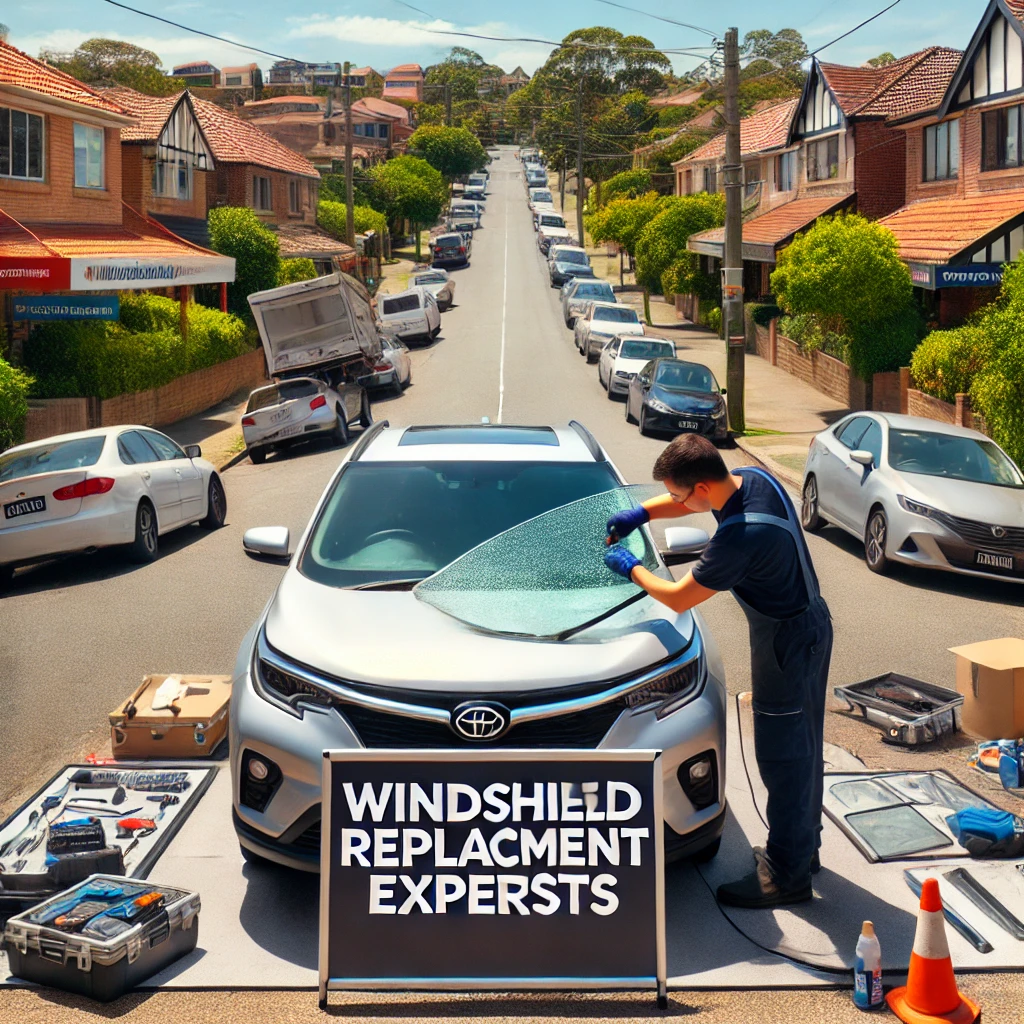
Imagine cruising down the highway, the thrill of the open road ahead, when suddenly a stray pebble from the vehicle in front of you hurls toward your car, striking your windscreen. It’s a driver’s nightmare, especially if your car is equipped with the sophisticated technology of a built-in heads-up display (HUD). This feature, which seamlessly projects crucial information onto your windscreen, is a marvel of modern automotive engineering. But what happens when your HUD-compatible windscreen needs replacing? The stakes are higher than a simple glass swap; precise calibration is crucial to maintain the clarity and accuracy of your HUD.
The prospect of windscreen replacement for cars with built-in heads-up displays can often seem daunting. With intricate technology involved, the fear of losing this dynamic feature’s functionality looms large. Many drivers are unaware that not all windscreen replacements are equal—or even compatible—with this cutting-edge tech. This guide aims to demystify the process, offering essential insights into selecting the right service provider, understanding the costs involved, and knowing exactly what steps are necessary to keep your HUD functioning flawlessly post-replacement. Whether you’re navigating an insurance claim or exploring out-of-pocket expenses, this comprehensive resource is your roadmap to a seamless and stress-free windscreen replacement experience.

Heads-up display (HUD) technology in automotive windshields projects key driving data—such as speed, navigation directions, and safety alerts—directly onto the glass in the driver’s line of sight. By using a specialized transparent projection film bonded within the windscreen, the HUD system creates a virtual image that appears to float in front of the vehicle. This reduces the need for drivers to look down at instrument clusters, thereby enhancing reaction times and overall road safety.
Modern HUD setups rely on precise optical elements and sensors calibrated to the driver’s eye level. Light-emitting diodes (LEDs) or laser systems generate the displayed information, which is then reflected off the windscreen’s internal film. Advanced HUDs can even incorporate augmented reality overlays, highlighting lane guidance and hazard warnings in real-time. Understanding this layered technology is essential when considering windscreen replacement, because any deviation in the film’s placement or optical clarity can degrade the HUD’s performance and potentially compromise your driving experience.

Replacing a windscreen that supports heads-up display functionality isn’t just about fitting a piece of glass; it requires meticulous calibration to ensure accurate projection alignment. Even minor misalignments can cause the HUD’s displayed data to appear skewed or out of focus. This could distract the driver or lead to misinterpretation of critical information, undermining the very safety benefits the HUD is intended to provide.
After installing a new HUD-compatible windscreen, technicians use specialized calibration tools and software to adjust the projector’s angle, focus, and brightness. Calibration often involves test patterns and diagnostic equipment to verify that the digital overlay aligns perfectly with real-world road markers. Skipping or rushing this process could result in ghosting effects, blurred visuals, or inaccurate positioning of speed and navigation prompts, making professional calibration an indispensable step in windscreen replacement for cars with built-in heads-up display (HUD).
Your windscreen serves as more than just a barrier against wind and debris; it’s integral to vehicle structural integrity and safety systems. Over time, chips, cracks, and scratches can undermine both visibility and the performance of embedded HUD technology. Recognizing the early warning signs is crucial to avoid more extensive damage and costly repairs down the line.
Visible damage such as spider-web cracks, bull’s-eye chips, or long fissures directly in the driver’s line of sight are clear indicators that replacement is necessary. In HUD-equipped vehicles, even minor surface abrasions or delamination of the projection film can distort the HUD image, leading to ghosting or focus issues. If you notice fluctuations in HUD brightness, jittery projections, or misaligned navigation arrows following a small impact, these are red flags that your windscreen needs professional assessment and likely replacement.
Not all auto glass repair shops are equipped to handle the specialized demands of windscreen replacement for cars with built-in heads-up display (HUD). When selecting a service provider, look for certified technicians who have experience with OEM-approved HUD calibration processes. Technicians should use precision alignment jigs, manufacturer-specific software, and high-quality adhesives that match the original windscreen specifications.
Research providers by reading customer reviews, verifying certifications from windshield manufacturers, and confirming that they offer post-installation calibration services. A reputable shop should also provide a detailed breakdown of the replacement and calibration steps, warranty coverage on both the glass and the HUD functionality, and transparent pricing. Choosing the right specialist upfront can save you from calibration errors, future malfunctions, and potential safety hazards.
Windscreen replacement costs for HUD-equipped vehicles typically exceed those for standard windshields due to the added technology and calibration requirements. Factors influencing the total price include the make and model of your car, OEM versus aftermarket glass selection, labor rates for expert technicians, and the complexity of the HUD calibration process. Because every HUD vehicle is different, ask for a quote for your specific make and model.
Opting for OEM-certified glass ensures compatibility with your car’s HUD system but often carries a premium price tag. Aftermarket options may cost less but can present risks such as improper projection clarity or reduced UV protection. Additionally, shops may charge separately for calibration, diagnostic scans, and reprogramming the vehicle’s onboard computer. To avoid sticker shock, request itemized cost estimates that break down parts, labor, and calibration fees for transparent budgeting.
Undergoing windscreen replacement for cars with built-in heads-up display (HUD) involves more steps than a standard glass swap. The process begins with a thorough inspection of the damage and verification of the HUD components. Technicians then remove the old windscreen using specialized tools to avoid damaging the interior trim or HUD projectors.
Once the damaged glass is out, the frame is cleaned of old adhesive and debris. A new OEM-compatible windscreen is test-fitted to ensure proper alignment with the HUD projector. High-grade automotive-grade urethane is applied, and the new glass is carefully set into place. After adhesive curing, the vehicle undergoes a series of calibration procedures to fine-tune the HUD’s alignment, brightness, and focus, ensuring the projected data remains crisp and accurately positioned.
Proper calibration is the linchpin that restores the accuracy and safety of your HUD. Once the new windscreen adhesive has cured, technicians perform both static and dynamic calibration tests. Static calibration involves projecting test grids onto the glass and making micro-adjustments to the projector’s angle and focus until the image is perfectly aligned with reference marks on the windshield.
For dynamic calibration, the vehicle may be driven through a controlled course where the HUD’s performance is monitored in real-world conditions. Technicians check for image stability, clarity under varying light levels, and precise alignment of navigation cues with road features. Only after passing these rigorous checks will the technician sign off, ensuring your HUD delivers the same level of performance as the original installation.
Dealing with insurance claims for advanced windshield repairs can be complex. Begin by reviewing your policy to determine coverage for glass damage, specifying whether it covers OEM parts and calibration labor. Some insurers classify windscreen replacement with HUD calibration as a special claim, requiring pre-authorization and detailed repair estimates from certified providers.
When filing your claim, submit photographs of the damage, an itemized estimate for parts and labor, and evidence of the installer’s HUD calibration credentials. Insurers may direct you to partner shops, but confirm those shops have HUD expertise. Stay proactive by following up on claim status and ensuring the insurer approves both the glass replacement and the specialized calibration, so you’re not left with unexpected out-of-pocket charges.
If your insurance policy only partially covers HUD windscreen replacement or imposes a deductible, plan for potential out-of-pocket expenses. OEM windscreen glass, specialized adhesives, and calibration services can add up quickly. Request a comprehensive estimate that separates parts, labor, calibration, and any diagnostic fees to understand where your money is going.
Setting aside a buffer of 10–20% above the quoted cost can protect you from unforeseen charges—such as additional calibration adjustments or reprogramming updates. You may also explore financing options or manufacturer loyalty discounts if you own a dealership-backed vehicle. By proactively budgeting, you can navigate windscreen replacement for cars with built-in heads-up display (HUD) without financial surprises.
Windscreen replacement for cars with built-in heads-up display (HUD) demands precision, expertise, and the right service provider. From recognizing damage early to ensuring proper calibration, each step plays a critical role in preserving the safety and convenience your HUD offers.
By understanding costs, navigating insurance claims, and budgeting for out-of-pocket expenses, you can confidently manage the process. Prioritize quality OEM components and certified technicians to keep your advanced display operating flawlessly after replacement.
Ultimately, a well-executed windscreen swap and calibration will allow you to return to the road with peace of mind, fully leveraging the technological edge of your HUD system.
Need a hand? Aussie AutoGlass provides a mobile service across greater Sydney. Calibration costs vary by vehicle and are quoted separately; Aussie AutoGlass coordinates with specialist calibration providers where it’s needed. Read more in our guide to heads-up display windscreen replacement in Sydney, or contact us for a quote.
Book your appointment now and get 10% discount.
And give us google 5 Stars feedback and get a free drink on us.
MAKE APPOINTMENT


