 Aussie AutoGlass
 - June 9, 2025
- By lingquqing
- In mobile windscreen replacement, Mobile windscreen replacement in Blacktown, Service Areas, windscreen maintenance
- Tags autoglass replacement, windscreen repair, WINDSCREEN REPLACEMENT
- 1284
- 0
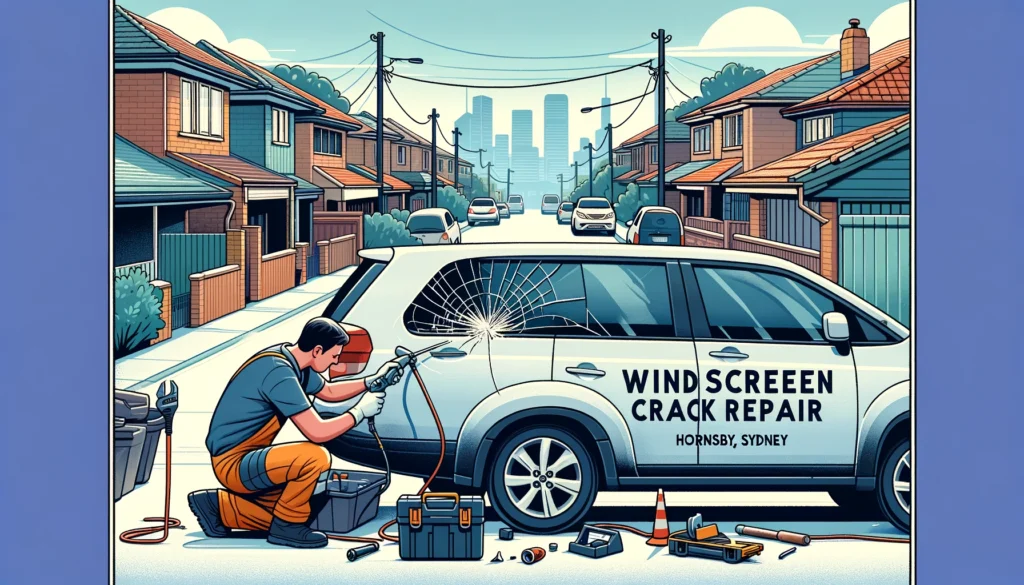
Imagine driving through the scenic routes of Australia, the sun shining brightly overhead, when suddenly—there’s a loud crack. A small stone has turned your clear windscreen into a spider web of damage. It’s an all-too-common scenario many drivers face, leaving them in a dilemma not only about repairs but about legal implications as well. Cracked windscreens aren’t just a nuisance; they can lead to hefty fines and penalties if left unaddressed. Understanding the cracked windscreen police fine in Australia is crucial for every vehicle owner, not just to avoid unexpected expenses but to ensure safety on the road.
Many motorists are unaware that driving with a damaged windscreen doesn’t just increase the risk of accidents, but it can also hit you hard financially. Australian law enforcement takes road safety seriously, and a compromised windscreen is deemed a significant hazard. With varying regulations across states and territories, navigating these laws can feel like a maze. We’ll delve into the specifics of what these fines entail and how you can steer clear of unnecessary penalties. Whether you’re a seasoned driver or new to the roads, this guide will equip you with the knowledge to avoid falling foul of the law.
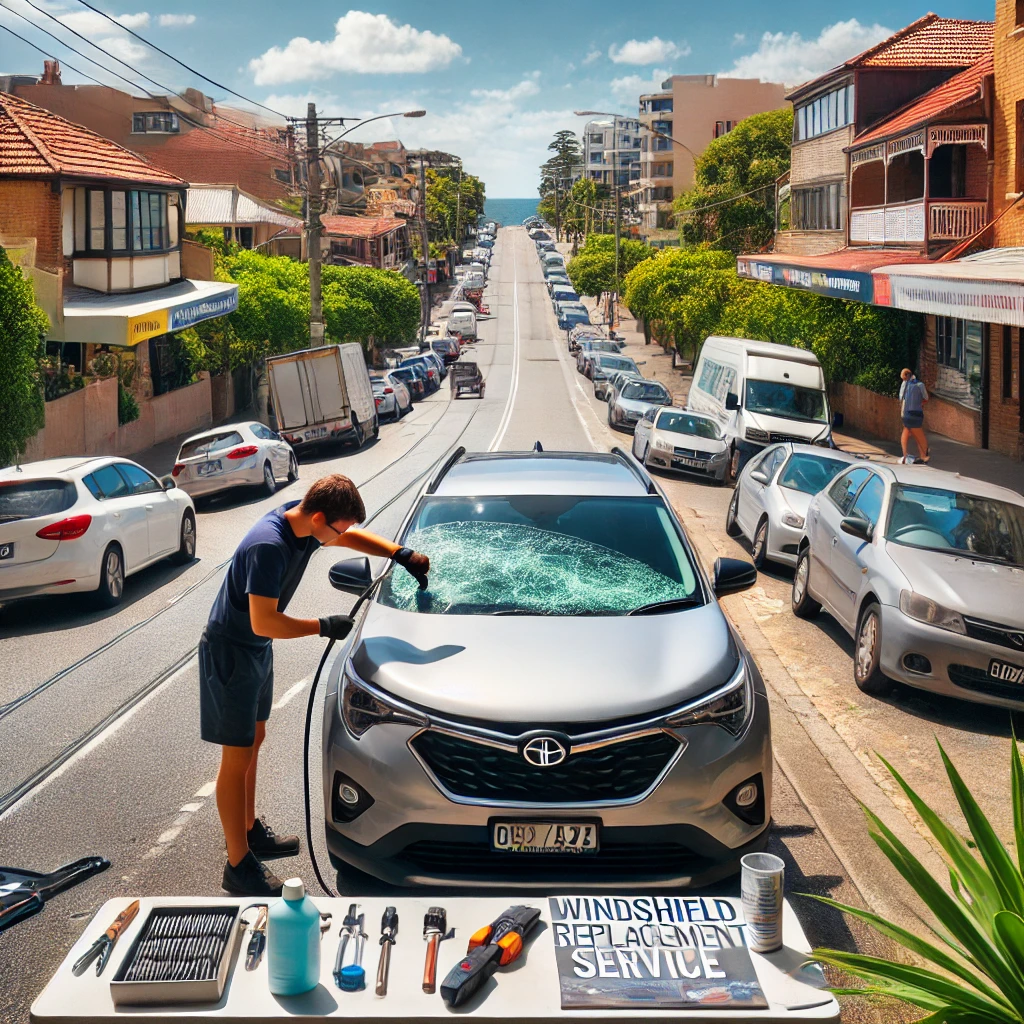
A clear windscreen is your primary window to the road and an integral part of your vehicle’s structural safety. Good visibility enables you to spot obstacles, pedestrians, and traffic signals in time, reducing the likelihood of collisions. Modern windscreens are engineered to work with airbags and roof crumple zones to maintain cabin integrity during accidents. A crack or chip, even if seemingly minor, can compromise these safety systems by altering the windscreen’s strength and shatter pattern in a collision.
Beyond safety, a pristine windscreen also ensures compliance with roadworthy standards enforced by state and territory authorities. Driving with a damaged windscreen can lead to a “defect notice” or an immediate fine, undermining your ability to travel legally. Environmental factors like UV exposure, temperature changes, and road debris can quickly exacerbate a small crack, expanding it across the windscreen. Regular inspections and timely repairs not only keep you legally compliant but also save you money by preventing the need for full replacements and avoiding the dreaded cracked windscreen police fine Australia.
While every state and territory in Australia enforces laws around vehicle safety, regulations governing cracked windscreens can differ significantly. In New South Wales, drivers risk on-the-spot fines if a crack extends into the driver’s primary field of view, whereas Victoria mandates that any damage larger than 10mm in the swept area requires repair or replacement. Queensland’s legislation focuses on windscreen condition at registration and inspection points, highlighting that visible damage near the driver’s line of sight can render a vehicle unroadworthy.
South Australia and Western Australia follow similar patterns, emphasizing the size, location, and severity of cracks. In Tasmania and the Northern Territory, local motoring authorities often issue defect notices for windscreens that obscure vision or jeopardize structural integrity. The Australian Capital Territory imposes fines for interstate vehicles that don’t meet its safety standards, underscoring the importance of maintaining a clear windscreen when traveling across borders. Familiarizing yourself with the specific requirements of each jurisdiction helps you avoid inconsistent penalties and ensures uninterrupted mobility.

Operating a vehicle with a cracked windscreen exposes drivers to more than just repair costs. Law enforcement officers can issue on-the-spot infringement notices, requiring immediate penalty payment or court attendance. In some states, driving with a defect notice remains an offense until it’s rectified, and failure to comply can escalate the matter to prosecution. Accrued demerit points for safety violations may also lead to license suspension for repeat offenders, compounding the initial punishment.
Beyond fines and demerit points, a damaged windscreen can affect insurance claims if an accident occurs. Insurers may argue negligence, reducing or refusing payouts due to non-compliance with roadworthy requirements. In extreme cases, a serious collision exacerbated by impaired visibility can lead to more severe legal repercussions, including civil liability for injuries or property damage. Understanding these cascading consequences emphasizes why a simple crack demands prompt attention.
Fine amounts for driving with a cracked windscreen can vary based on the state, severity of damage, and enforcement policies. In New South Wales, fines start around AUD 334 for cracks in critical viewing areas, rising if the vehicle is deemed unroadworthy. Victoria’s penalties are more modest, with infringements near AUD 227, but they can escalate if drivers ignore defect notices. In Queensland, motorists face fines up to AUD 777 for unchecked damage during vehicle inspections.
Across South Australia and Western Australia, penalties usually fall within the AUD 250–400 range for first-time offenses. Tasmania and the Northern Territory impose fines around AUD 300, but these can increase if the crack is large or compromises structural integrity. Penalties in the Australian Capital Territory are similar, often accompanied by a defect notice mandating immediate repair. Keeping abreast of updated penalty schedules ensures you’re prepared for potential costs and highlights the financial wisdom of timely windscreen care.
Several variables determine the severity of a cracked windscreen police fine in Australia. First, the location of the damage is crucial; cracks directly in front of the driver’s seating position are penalized more heavily than peripheral chips. The size and depth of the crack also play pivotal roles—surface chips under 10mm may escape fines, but anything larger often breaches legal thresholds. Duration matters too: older, weather-exposed cracks are seen as higher hazards compared to fresh, contained chips.
Other influencing factors include the driver’s compliance history, time of inspection, and presence of safety features like tinted film, which can mask damage. Law enforcement officers exercise discretion based on road conditions and weather—during periods of heavy rain or glare, even minor cracks are considered more dangerous. Understanding how these elements interplay helps drivers proactively address issues and potentially negotiate reduced fines or avoid penalties altogether.
Upon spotting a crack, your first priority is to assess its size and location. Clean the area around the damage to remove debris and prevent dirt from worsening the crack. Photograph the chip or crack immediately—this documentation can prove vital if contesting a fine or making an insurance claim. Next, consult your vehicle’s manual or local road authority guidelines on permissible damage thresholds.
Contact a qualified windscreen repair technician as soon as possible. Many mobile services offer on-site repairs, sealing out moisture and halting crack growth. If the damage violates legal limits, arrange for a full replacement to avoid fines. Notify your insurer if you plan to claim the cost; be mindful of excess fees and policy limits. While waiting for professional service, avoid extreme temperature changes that could expand the crack, and drive conservatively to minimize vibration.
The decision between repairing and replacing a windscreen hinges on the crack’s size, location, and depth. Repairing minor chips typically costs between AUD 50 and AUD 150, covering resin injection that bonds glass fragments and restores structural integrity. This option is often fully covered by comprehensive insurance policies with no excess payment. Repairs are faster, eco-friendly, and can usually be completed within minutes.
Full windscreen replacement becomes necessary when cracks exceed 40mm in the swept area or are located along the edges, where they compromise bonding. Replacement costs range from AUD 200 to AUD 600, depending on vehicle make, model, and windscreen specifications like heating elements or rain sensors. While more expensive, replacement guarantees restored safety and clear visibility, eliminating any risk of fines due to non-compliance. Factor in potential insurance excesses, but remember that avoiding the cracked windscreen police fine Australia often justifies the investment.
Proactive windscreen maintenance is the best defense against fines and safety risks. Schedule monthly inspections to identify minor chips before they expand. Use a soft, lint-free cloth and manufacturer-approved glass cleaners to remove grime, avoiding harsh chemicals that can weaken resin seals. Park in shaded areas or garages to protect your windscreen from thermal shock caused by rapid temperature changes.
Consider applying a protective windscreen sealant that repels water and reduces the likelihood of chips. Replace worn-out wiper blades promptly to prevent scratches that can obscure vision and amplify crack appearance. Educate family members about safe driving distances on gravel roads to minimize stone strikes. Regular servicing not only preserves windscreen clarity but keeps you compliant with regulations, helping you avoid the dreaded cracked windscreen police fine Australia.
Maintaining a clear and undamaged windscreen is essential for both safety and legal compliance in Australia. By understanding the specific laws in your state or territory, you can address cracks promptly and avoid hefty fines or demerit points. Proactive inspections and timely repairs help preserve your vehicle’s structural integrity and protect you from unexpected penalties.
Remember, small preventive measures—like cleaning, protective coatings, and safe parking—can keep minor chips from escalating into larger issues. Investing in professional windscreen care not only enhances visibility but also ensures you steer clear of the cracked windscreen police fine Australia, giving you peace of mind on every journey.
Book your appointment now and get 10% discount.
And give us google 5 Stars feedback and get a free drink on us.
MAKE APPOINTMENT


