 Aussie AutoGlass
 - January 29, 2026
- By lingquqing
- In EV Car windscreen replacement, mobile windscreen replacement, Mobile windscreen replacement in Blacktown
- Tags repair near me, Same day repaire, Windscreen repair near Earlwood
- 195
- 0

Imagine cruising down the highway, your car’s advanced driver-assistance systems (ADAS) seamlessly guiding you to your destination. These technological marvels, from automatic braking to lane departure warnings, aren’t just features—they’re key players in modern road safety. But underneath this sleek interface lies a hidden complexity: the intricate calibration of sensors and cameras that keep everything running smoothly. What happens when they get disrupted, say, with something as routine as a windscreen replacement?
Navigating the world of ADAS may seem daunting, especially when you’re dealing with maintenance issues. An often overlooked consideration is whether replacing your windscreen necessitates an ADAS recalibration. It’s a detail that many drivers might dismiss, potentially unaware of the safety implications involved. In this post, we’ll unravel the mystery surrounding this crucial question, offering insights to keep your vehicle’s safety systems in top-notch condition without breaking the bank or compromising on security.
Advanced Driver-Assistance Systems (ADAS) encompass a suite of technologies—cameras, radar, lidar, ultrasonic sensors and control modules—that help drivers avoid accidents and navigate more confidently. Lane keeping assist, adaptive cruise control, automatic emergency braking and blind-spot monitoring are just a few examples of ADAS features. Each relies on precise data from sensors, which must be properly calibrated to ensure accurate detection of road markings, vehicles, pedestrians and obstacles.
Calibration aligns the physical orientation and software interpretation of these sensors. Static calibration involves using specialized targets in a controlled environment, while dynamic calibration fine-tunes sensor performance through actual driving scenarios. Without correct alignment, the ADAS might misinterpret distances or angles, leading to false alarms or missed warnings. Regular calibration checks are essential, especially after events that might disturb sensor positioning—such as collisions, suspension work or windscreen replacement.

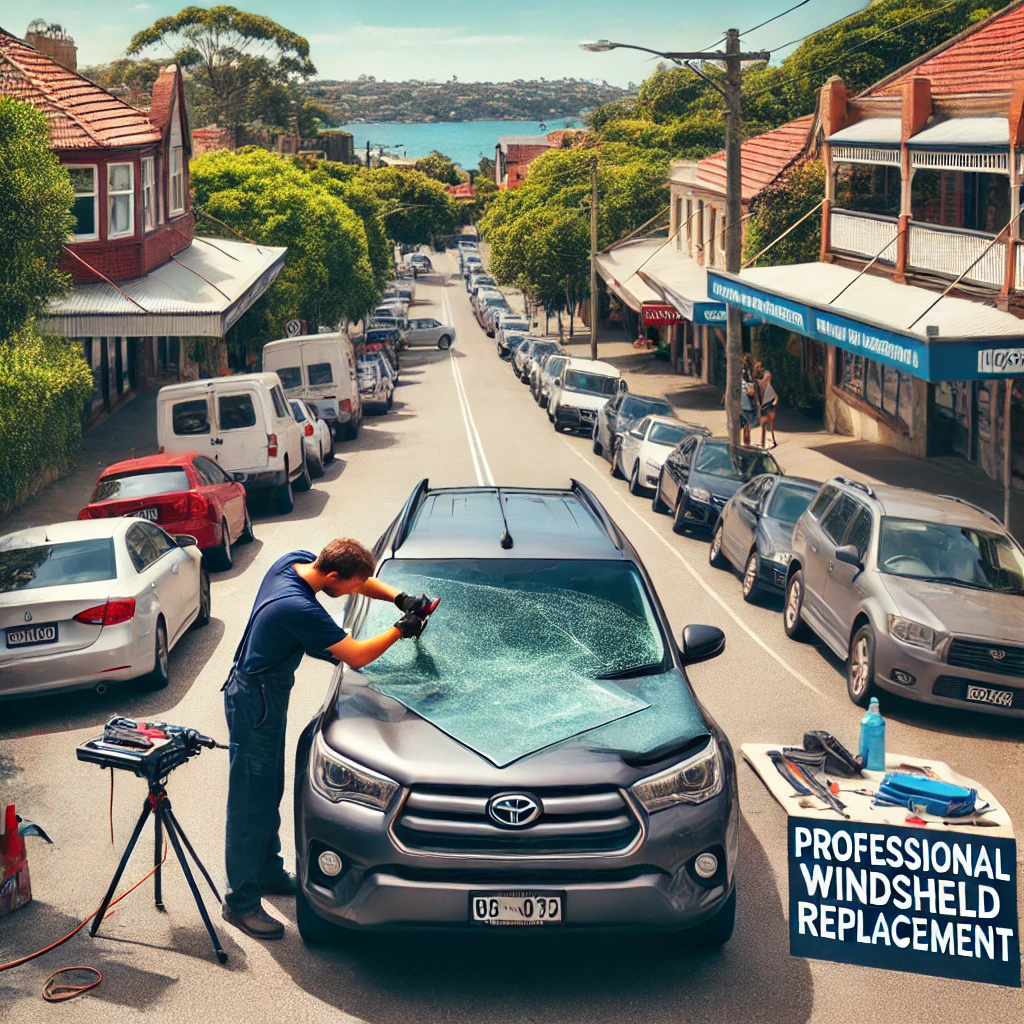
When you replace your windscreen, you’re not just swapping glass—you may be altering the mounting surface for cameras and sensors. Many modern vehicles integrate ADAS cameras and rain sensors directly into the glass. If this glass shifts even slightly, the sensor’s field of view changes, compromising system accuracy.
One question many drivers ask is: Do you need to recalibrate ADAS every time the windscreen is replaced? The short answer is yes, in most cases. Failing to recalibrate may lead to misaligned cameras, erratic warnings or complete system shutdown. Given the vital role of ADAS in preventing collisions, recalibration after every windscreen swap is a prudent safety measure.
Even without replacing the windscreen, physical impacts or vibrations can knock ADAS sensors out of alignment. Pay attention to your dashboard and how the vehicle behaves during normal driving.
Warning lights, such as “Camera Malfunction” or “Sensor Disabled,” are clear indicators. You may also notice lane-keeping assist drifting, adaptive cruise control failing to maintain safe following distances, or emergency braking activating unexpectedly. These symptoms should prompt an immediate check and potential recalibration, as compromised ADAS could undermine your vehicle’s safety.
ADAS features are designed to reduce human error, which remains the leading cause of traffic accidents. Properly functioning systems can mitigate rear-end collisions, lane-departure incidents and pedestrian impacts. When calibration is off, the very safety nets you rely on may become less effective or completely unreliable.
Beyond safety, many jurisdictions now recognize certified ADAS calibration as part of mandatory vehicle inspections. Insurance providers may deny claims if it’s found that a misaligned ADAS contributed to an accident. Ensuring your ADAS is properly calibrated not only protects lives but also safeguards you from legal and financial repercussions.
The expense of recalibration varies by vehicle make, model and the complexity of its ADAS suite. Calibration costs vary by vehicle and are quoted separately; Aussie AutoGlass coordinates with specialist calibration providers where it’s needed. Static calibration tends to be less expensive than dynamic calibration, which requires more sophisticated equipment and road-time.Some repair shops bundle windscreen replacement with ADAS recalibration, offering package deals that can lower overall costs. While DIY calibration kits exist, they often lack the precision of manufacturer-approved tools. Investing in professional calibration can prevent costly mistakes, saving you money in the long run by avoiding accident-related repairs and insurance issues.
DIY ADAS calibration kits are becoming more accessible, promising cost savings for the handy vehicle owner. These kits typically include calibration targets, measuring tools and software access. However, they demand meticulous setup and adherence to precise instructions. A minor misplacement of a target or slight measurement error can lead to inaccurate calibration.
Professional recalibration, on the other hand, leverages factory-grade equipment and certified technicians. Technicians follow manufacturer-specific procedures, ensuring each sensor is aligned to the factory’s exact tolerances. While pricier, professional service comes with warranties and peace of mind that your ADAS will perform as intended under real-world conditions.
Myth 1: “Only luxury cars need ADAS recalibration.” In reality, mid-range and even entry-level vehicles feature ADAS that require precise alignment. Myth 2: “If the camera seems fine, I don’t need recalibration.” Visual inspection isn’t enough—software errors can lurk unnoticed until an emergency.
Myth 3: “Once calibrated, it never needs another check.” Vibrations, minor fender-benders or even road conditions can drift sensor alignment over time. Myth 4: “Any mechanic can recalibrate ADAS.” Only technicians with the right tools, software licenses and training can guarantee an accurate service that meets manufacturer standards.
After your windscreen replacement and ADAS recalibration, conduct your own basic checks. Drive at low speed in a safe area and test lane-keeping assist, adaptive cruise control and automatic braking. Listen for unusual warnings or erratic sensor behavior.
Regularly inspect your windscreen for cracks, chips or misalignment, and keep sensor mounting areas clean. Follow up with your service center if any warning lights reappear. Proactive checks help catch issues early, ensuring your ADAS continues to protect you effectively.
Automotive experts advise scheduling an ADAS diagnostic scan during every major service interval. Calibrate sensors at least once every two years or sooner if you notice performance hiccups. Use manufacturer-approved cleaning solutions for camera lenses and sensor housings to prevent dirt or water spots from distorting readings.
Stay informed about software updates from your vehicle’s manufacturer. Many modern cars receive over-the-air patches that refine ADAS algorithms. Partnering with a service center experienced in your specific brand ensures that calibration and software are always current.
ADAS recalibration after a windscreen replacement isn’t an optional extra—it’s a critical step to maintain the safety and reliability of your vehicle’s advanced features. Proper alignment of sensors and cameras ensures accurate lane detection, collision avoidance and adaptive driving support.
By understanding the impact of windscreen changes, recognizing calibration warning signs and investing in professional service, you protect yourself and others on the road. Stay proactive: schedule regular ADAS checks and follow expert maintenance tips to enjoy the full benefits of these life-saving technologies.
Book your appointment now and get 10% discount.
And give us google 5 Stars feedback and get a free drink on us.
MAKE APPOINTMENT


