 Aussie AutoGlass
 - October 13, 2025
- By 60 Minute Website Challenge
- In EV Car windscreen replacement, Mobile windscreen replacement in Blacktown, Service Areas
- Tags autoglass replacement, glass repair, WINDSCREEN REPLACEMENT
- 1048
- 0
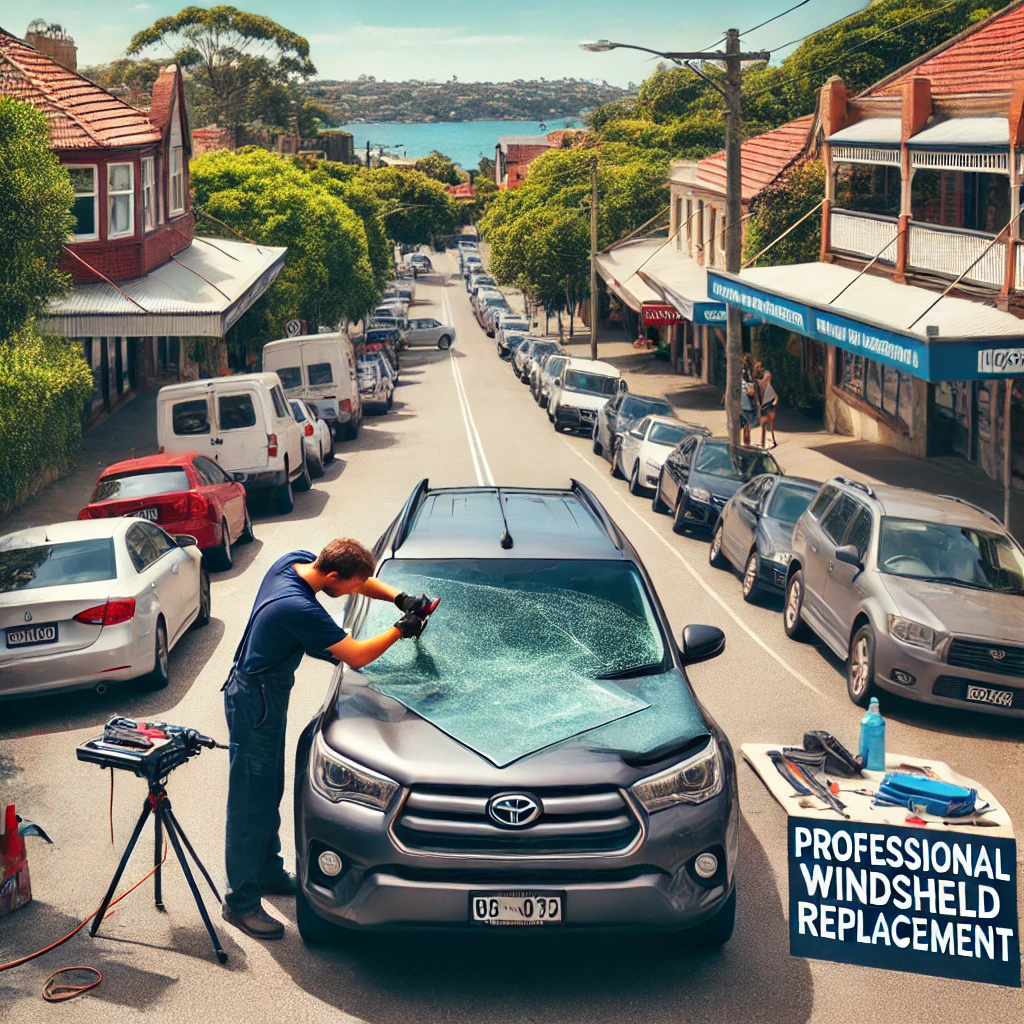
Imagine driving down the highway, your car’s advanced systems seamlessly keeping you in lane, adjusting your speed, and even alerting you to potential hazards. These intelligent features are powered by Advanced Driver Assistance Systems (ADAS), which rely heavily on precise camera calibrations. Now picture the inconvenience of a cracked windscreen requiring replacement. It’s not just about swapping out glass—there’s an intricate dance of technology at play that demands attention to detail. This is where ADAS camera recalibration after windscreen replacement becomes essential, ensuring your safety features function flawlessly.
The complexity of these systems might seem daunting, but understanding their importance can significantly enhance your driving experience. With ADAS technology becoming a standard in modern vehicles, overlooking the calibration process can lead to compromised safety and functionality. In our detailed guide, we will walk you through why recalibrating these systems post-windscreen replacement is non-negotiable and how it ensures the continued reliability of your vehicle’s cutting-edge technologies. Join us as we delve into the crucial steps that bridge the gap between sophisticated technology and everyday driving safety.
Advanced Driver Assistance Systems (ADAS) use cameras and sensors to interpret road conditions, identify obstacles, and assist with steering, braking, and acceleration. When your windscreen is replaced, the position and angle of these cameras shift even slightly, which can significantly degrade system accuracy. Without proper alignment, features such as lane-keeping assist, adaptive cruise control, and automatic emergency braking may underperform or fail entirely. Ensuring adas camera recalibration after windscreen replacement is thus critical to maintain the system’s designed precision and reliability.
Failing to recalibrate can have serious consequences. A misaligned camera may misinterpret lane markings or miss pedestrians, leading to increased risk of accidents. Beyond safety, improper calibration can result in costly warranty claims or legal liabilities if an uncalibrated system contributes to an incident. Many automakers stipulate recalibration as part of their service requirements, and insurance providers often require documented proof before covering ADAS-related repairs. In short, camera recalibration isn’t an optional extra—it’s a vital safety step following any windscreen work.
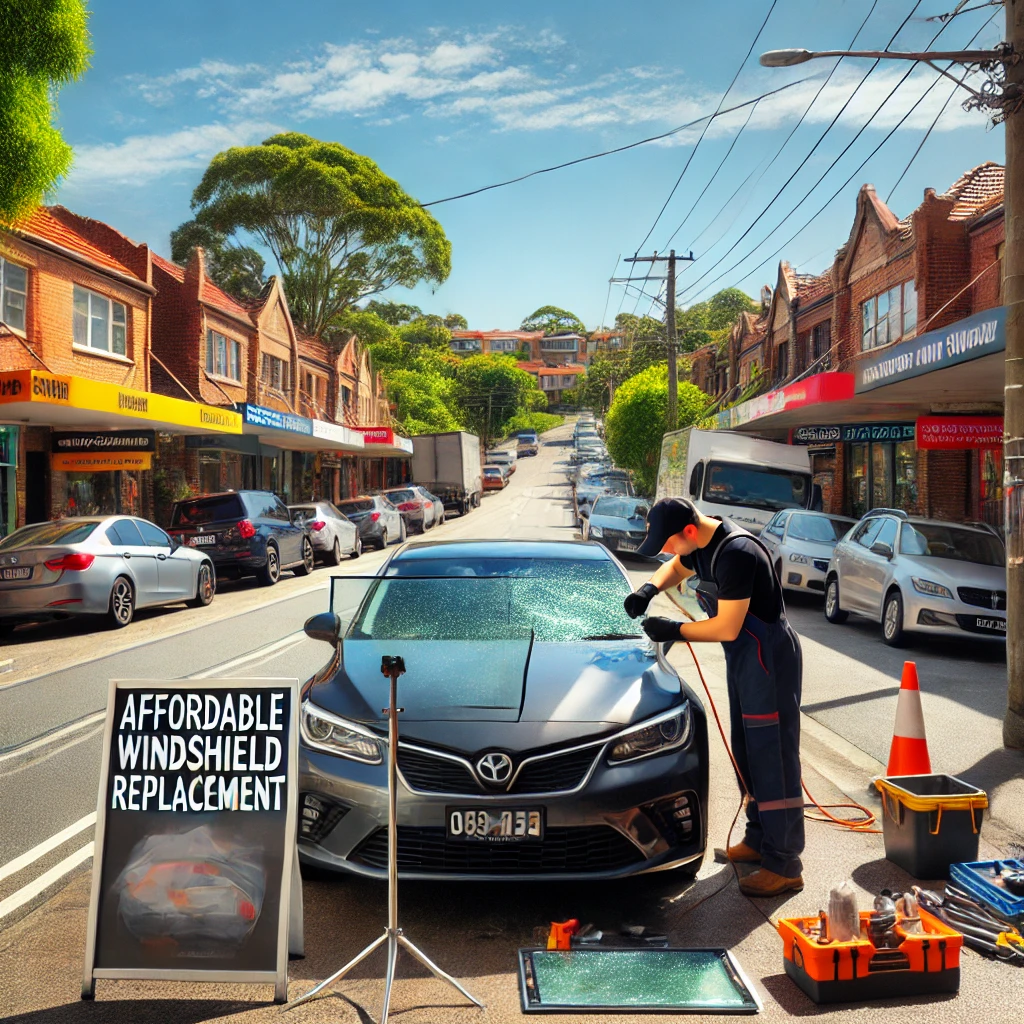
ADAS technology encompasses a suite of electronic features designed to increase vehicle safety by augmenting human decision-making with automated responses. Core components include cameras, radar sensors, ultrasonic sensors, and LiDAR in higher-end models. Cameras mounted behind the windscreen provide visual data on traffic lanes, road signs, pedestrians, and other vehicles. This visual feed is processed by onboard software to execute or prompt corrective actions when potential hazards are detected.
The success of ADAS features hinges on seamless integration between hardware and software. Cameras must have a clear, distortion-free view of the road, free from obstructions or misalignment. Even minor changes—such as a new windscreen or adhesive residue—can alter the camera’s perspective and impair its ability to interpret visual cues accurately. As ADAS systems evolve toward semi-autonomous driving, the tolerance for error shrinks, making precise calibration more important than ever.

A damaged windscreen is more than a cosmetic issue; it compromises vehicle structure and safety. Modern windscreens are laminated glass bonded to the vehicle frame, contributing to roof strength and airbag deployment effectiveness. Cracks or chips near ADAS cameras can distort vision or scatter light, leading to false readings or system shutdowns. Replacing a compromised windscreen restores structural integrity and optical clarity but changes the mounting environment for cameras.
During replacement, technicians remove and install the new glass using adhesives with different thicknesses and curing properties. This process often shifts camera mounts and alters sightlines. After adhesive cures, the windscreen’s orientation relative to the vehicle body may vary by millimeters—enough to misalign cameras. Given that ADAS features rely on precise geometry, a recalibration must follow every windscreen replacement to ensure sensors interpret the world correctly and maintain the highest safety standards.

Proper calibration ensures that lane departure warnings activate only when necessary, without false alarms that distract the driver. When cameras are misaligned, the system may incorrectly read faded or uneven lane markings, leading to unnecessary alerts or failure to warn. Accurate calibration restores the camera’s field of view so lane-keeping assist remains reliable in a variety of road conditions.
Adaptive cruise control and automatic emergency braking similarly depend on precise camera alignment. Inconsistent calibration can cause the vehicle to misjudge distances, resulting in delayed braking or abrupt stops. By recalibrating, technicians confirm that pedestrian detection, collision avoidance, and traffic sign recognition systems operate within manufacturer-specified tolerances. The outcome is a fully functional ADAS suite that enhances safety rather than introducing unpredictable behavior.
Manufacturers incorporate different camera types based on the required functionality. Monocular cameras offer a single viewpoint, providing basic object detection and traffic sign reading. While cost-effective, they lack depth perception, limiting accuracy at long range. These are commonly used for lane departure warnings and simple forward collision alerts.
Stereo or dual-objective cameras use two lenses spaced a precise distance apart to create a 3D view of the environment. Depth perception improves detection of obstacles and pedestrian positions, enhancing emergency braking and adaptive cruise control. Some luxury vehicles also integrate infrared cameras to support night vision, identifying heat signatures of pedestrians or animals in low-light conditions. Each camera type demands specific calibration procedures and specialized targets to ensure optimal performance after any windscreen replacement.
The calibration process begins with a thorough inspection of the newly installed windscreen, checking for any distortions or uneven surfaces. Technicians then position the vehicle in a controlled environment, free from reflective surfaces or ambient light that could interfere with camera alignment. A manufacturer-approved calibration tool, often a flat panel or calibration board, is placed at a precise distance and height.
Static calibration uses these fixed targets to align cameras to exact angles, while dynamic calibration involves test driving on marked roads to fine-tune sensor readings in real-world conditions. Both methods verify that the ADAS modules report data within acceptable margins. Once complete, diagnostic scans confirm that the system communicates properly with the vehicle’s electronic control units, ensuring readiness for everyday use.
Successful adas camera recalibration after windscreen replacement depends on skilled technicians trained to manufacturer standards. Certified professionals understand vehicle-specific calibration parameters and know how to handle delicate camera assemblies without altering their position. They follow step-by-step procedures outlined in service manuals to avoid errors that could compromise safety features.
Calibration equipment varies by brand and model but typically includes high-resolution calibration boards, precision tripods, laser alignment tools, and proprietary diagnostic software. Investment in up-to-date tools is crucial, as outdated or generic calibration targets can lead to misalignment. Reputable service centers maintain calibration stations with level floors and adequate space to meet strict tolerances, ensuring each camera is precisely realigned to factory specifications.
After calibration, technicians perform a series of validation checks to confirm that all ADAS functions operate correctly. Static tests verify that cameras detect lane markings, traffic signs, and pedestrians on calibration targets. Any discrepancies trigger a repeat of the alignment procedure to achieve optimal results. These preliminary checks are conducted before the vehicle ever leaves the workshop.
Dynamic testing then assesses system performance under real driving conditions. The vehicle is driven on roads featuring various lane configurations, speed limits, and potential obstacles. Engineers monitor data from the ADAS control module, ensuring alerts and interventions occur within expected thresholds. Only when the system consistently meets manufacturer criteria is the vehicle deemed roadworthy, guaranteeing that safety features will respond correctly in everyday scenarios.
One prevalent challenge is environmental interference during calibration. Reflections, uneven lighting, or an unlevel surface can skew camera alignment. To address this, technicians use calibration bays with controlled lighting and precision leveling systems, ensuring target boards remain perfectly perpendicular to the camera’s line of sight.
Another hurdle involves adhesive curing times. If cameras are calibrated before the windscreen adhesive fully sets, the glass may shift slightly, invalidating the alignment. Professionals allow proper curing—often recommended by the windscreen manufacturer—before starting calibration, preventing the need for costly rework. Finally, constant updates to vehicle software require that technicians maintain access to the latest diagnostic data. Partnering with authorized service networks or using certified calibration tools ensures compatibility with evolving ADAS protocols.
Maintaining the integrity of your vehicle’s ADAS features requires meticulous attention to calibration after windscreen replacement. From understanding the technology to choosing certified technicians and equipment, each step plays a critical role in preserving safety and performance.
By following the outlined best practices—static and dynamic calibration, proper curing times, and rigorous testing—you can drive with confidence, knowing your advanced safety systems are properly aligned and fully operational.
Book your appointment now and get 10% discount.
And give us google 5 Stars feedback and get a free drink on us.
MAKE APPOINTMENT


