 Aussie AutoGlass
 - August 25, 2025
- By feng gao
- In Mobile windscreen replacement in Blacktown, windscreen maintenance, windscreen replacement
- Tags Same day repaire, Service Areas
- 603
- 0

Imagine cruising down the highway, the sun shining brightly as you enjoy the open road. Suddenly, a small rock from the vehicle ahead bounces off your windscreen, leaving behind nothing more than a tiny hairline crack. It’s a predicament many drivers are familiar with, but it raises an important question that can’t be ignored: “Do I need to replace windscreen if it has tiny hairline cracks?” Ignoring these seemingly insignificant imperfections might be tempting, but understanding their potential implications is crucial for your safety and peace of mind.
Hairline cracks may appear harmless, yet they can lead to significant issues over time. These fine lines, almost invisible at first glance, can expand into larger fractures due to changes in temperature, moisture, or even the vehicle’s vibrations. Before you dismiss that faint scar on your glass, consider the risks of compromised visibility or sudden shattering. In this blog post, we’ll delve into the practical reasons and expert advice on whether replacement is necessary, helping you make an informed decision to ensure your journey remains safe and uninterrupted.

Tiny hairline cracks, despite their minimal appearance, can significantly undermine the structural integrity of your windscreen. A windscreen is not merely a piece of glass; it contributes to the vehicle’s overall rigidity and rollover protection. When microscopic fissures form, they create stress concentration points that can compromise the laminated safety glass. Even if the crack remains stable, it weakens the bond between layers and diminishes the windscreen’s capability to withstand external forces like debris impact or sudden temperature fluctuations.
Moreover, windscreen manufacturers design glass to disperse impact energy uniformly. A hairline crack interrupts this distribution, making the surrounding area more susceptible to additional damage. For instance, a minor bump or pothole can convert a tiny fissure into a spider web of cracks within moments. This not only jeopardizes your view of the road but also complicates repairs, often progressing beyond the repairable threshold. Understanding this impact clarifies why the question “Do I need to replace windscreen if it has tiny hairline cracks?” demands serious consideration rather than dismissal.
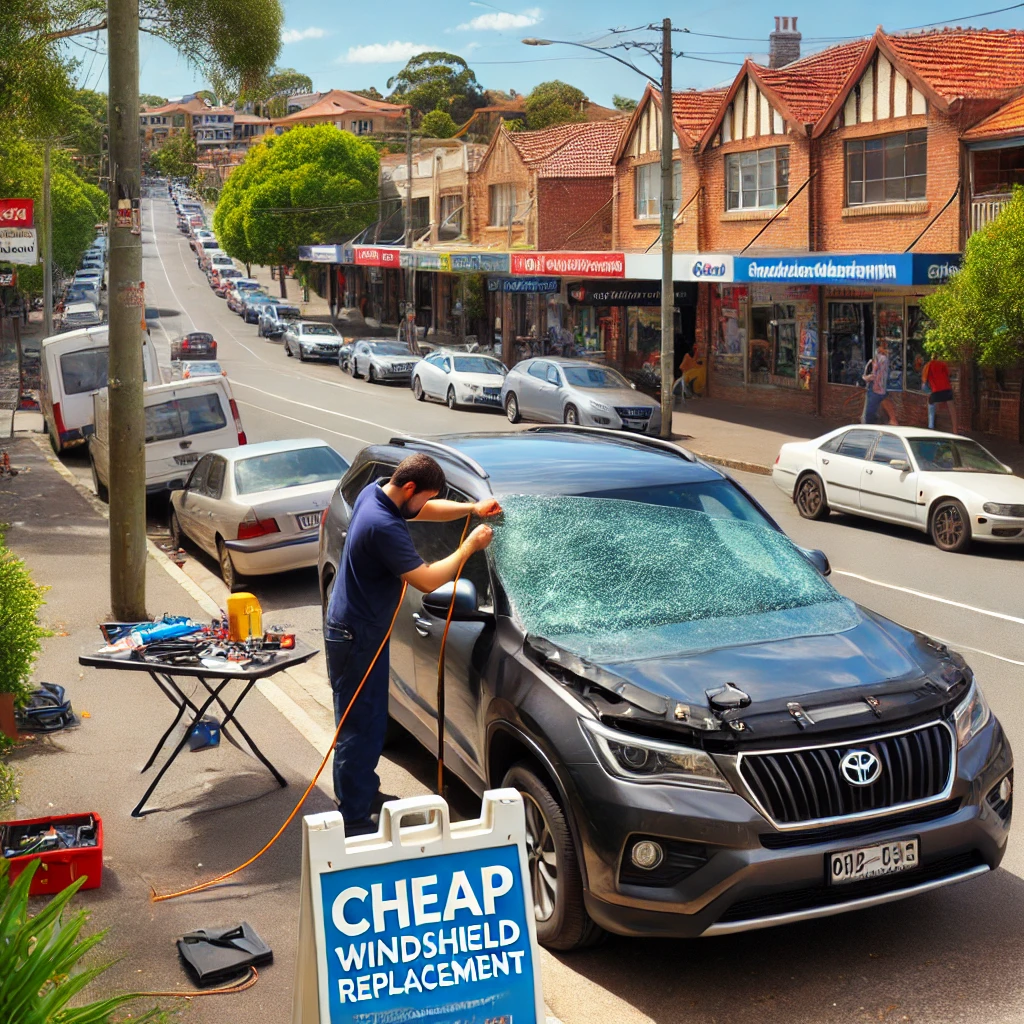
Several environmental and mechanical factors accelerate the growth of hairline cracks. Temperature variations, for example, cause glass to expand and contract. In hot weather, the glass may widen slightly, while cold snaps contract it rapidly. These constant shifts place stress on the edges of a crack, causing it to widen and branch out. Likewise, moisture intrusion can seep into the crack, freeze, and expand, forcing the fissure to grow deeper and longer over time.
Vibrations from driving over rough terrain or uneven roads also exacerbate crack propagation. Each bump or jolt introduces micro-movements in the glass layers, gradually pushing the crack further. Even minor impacts from gravel or debris can trigger a sudden, noticeable spread. Vehicle manufacturing variances play a role too—some windscreens are more flexible or thicker than others, affecting how cracks behave under stress. Recognizing these factors helps you gauge the urgency of repair or replacement before the crack becomes irreparable.
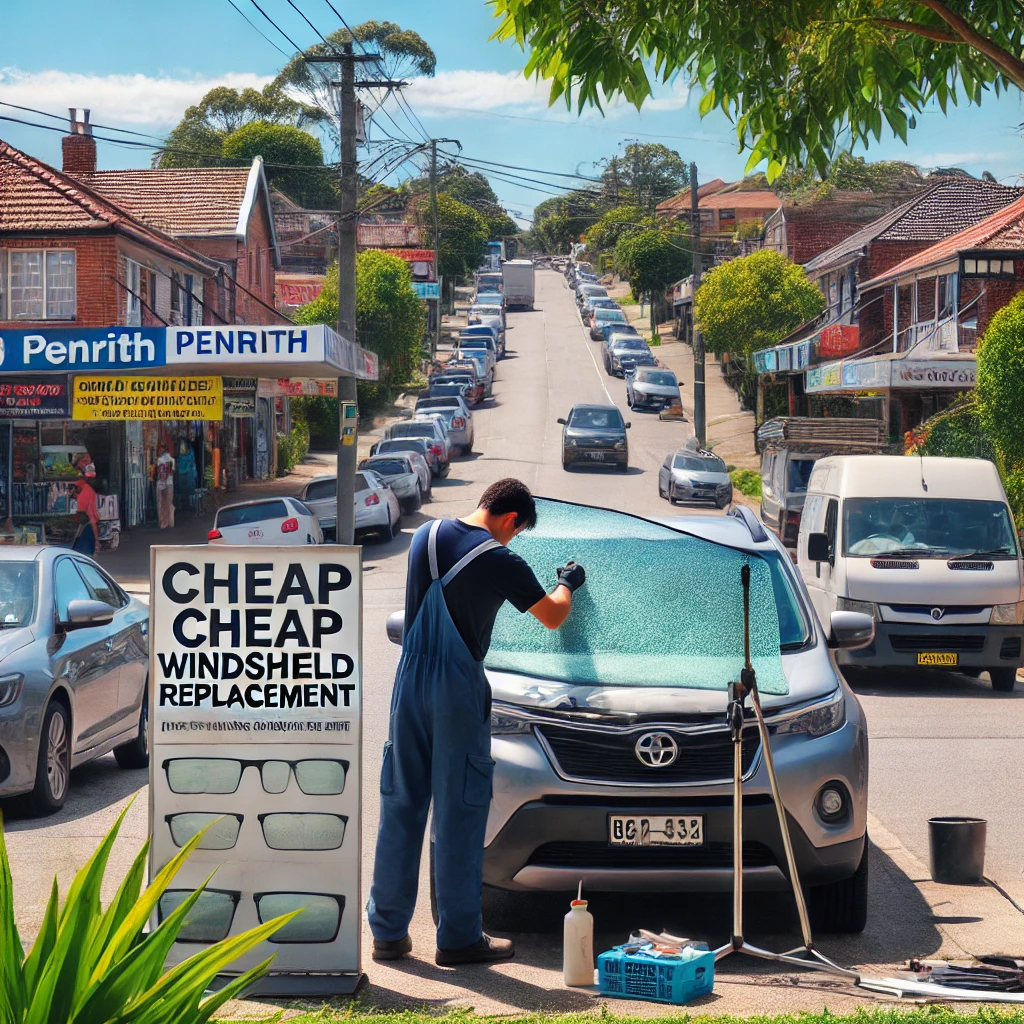
Neglecting tiny hairline cracks poses serious safety hazards for both drivers and passengers. A compromised windscreen may shatter more easily upon impact, increasing the risk of injury from flying glass shards. In a rollover scenario, the windscreen provides crucial support to the roof structure; a weakened pane could collapse, leading to catastrophic consequences. Moreover, cracks can impair driver visibility, especially when sunlight or headlights catch the fissure, creating distracting glare patterns.
Impaired visibility can be particularly dangerous in adverse weather conditions or at night, where even a small crack can refract light and mask road hazards. Additionally, sudden failure of the windscreen at highway speeds can startle the driver, potentially leading to loss of vehicle control. Recognizing these risks underscores why timely attention to hairline cracks is essential—not just for cosmetic reasons, but for preserving the protective role of your windscreen in every driving scenario.
Automotive glass specialists consistently recommend addressing hairline cracks as soon as they appear. Many experts argue that the repair window is narrow—ideally within a few days of crack formation—before contaminants like dirt or moisture worsen the damage. Professional repair kits can seal and stabilize small fissures, but their effectiveness decreases as cracks lengthen beyond a few inches. Experts often advise against delaying repair, as what starts as a minor line can rapidly escalate into a large, unsalvageable break.
When weighing repair versus replacement, technicians consider crack length, depth, and location. Cracks that trespass into the driver’s line of sight or extend to the edges of the glass often necessitate full replacement for safety and visibility. Conversely, a shallow crack confined to the central glass area may be amenable to resin injection. Consulting a qualified professional ensures you receive a clear assessment and the most appropriate solution, adhering to industry best practices for windscreen maintenance.
The financial implications of fixing a hairline crack can vary widely. Stone chip and crack repairs start from $110 (see our windscreen cost guide). Repairs are typically quick, often completed within 30 minutes to an hour, making them a cost-effective option for minor damage. Calibration costs vary by vehicle and are quoted separately; Aussie AutoGlass coordinates with specialist calibration providers where it’s needed. Full replacement offers a permanent resolution, restoring original clarity and strength. Balancing immediate repair savings against long-term benefits of replacement helps in decision-making—particularly when standard insurance policies often cover glass work with minimal or no deductible.
Legal guidelines for windscreen condition vary by jurisdiction, but most regions enforce strict standards. In many countries, any crack exceeding a certain length—commonly 3 mm to 40 mm—can result in a vehicle failing its mandatory safety inspection. Cracks within the driver’s line of sight are often deemed illegal, regardless of size, due to the potential hazard. Fines and citations may follow if authorities determine the damage compromises road safety.
Insurance regulations may also influence repair decisions. Comprehensive auto policies typically cover windscreen repair or replacement, with some insurers waiving the deductible for minor damage if repaired promptly. However, delayed repairs can lead to insurers refusing coverage or treating the damage as wear and tear, shifting the entire financial burden to the vehicle owner. Staying informed about regional laws and insurance provisions ensures compliance and avoids unexpected penalties or costs.
When professional help isn’t immediately accessible, temporary DIY fixes can slow crack propagation until proper repair is possible. Clear adhesive tapes, nail polish, or specialized windscreen repair kits available online can seal the crack’s surface, keeping out dirt and moisture. Adhesive coatings lack the strength to bond inner layers of laminated glass effectively and may give drivers a false sense of security. Nail polish can obscure vision and may peel off in hot weather. True windscreen repair requires professional-grade resin injected under high pressure. While DIY tactics buy you time, scheduling an expert service should be your next step to ensure long-term integrity and safety.
A thorough professional inspection begins with a visual and tactile examination of the windscreen. Technicians measure crack length, depth, and proximity to structural areas or sensors. They use specialized gauges and magnifying lenses to assess micro-fissures invisible to the naked eye. This initial evaluation establishes whether the damage is within repairable limits or warrants full replacement.
If repair is viable, the technician cleans the crack and injects a two-part resin under vacuum pressure to eliminate air pockets. The resin fills the void, bonding the layers and preventing water intrusion. After curing with ultraviolet light, the surface is polished to restore clarity. For replacements, experts carefully remove the old windscreen, prepare the frame with automotive-grade primer, and install a new pane using urethane adhesives calibrated for vehicular safety standards. Advanced driver-assistance systems are then recalibrated to factory specifications.
Prompt attention to hairline cracks safeguards both your safety and wallet. Early intervention through repair often costs a fraction of replacement and preserves the windscreen’s structural support. Rapid action also prevents contaminants from entering the crack, which can compromise repair efficacy and lead to costly full replacement later on. Driving with even a minor blemish risks the crack spreading unpredictably.
A proactive maintenance schedule—including regular windshield checks—ensures small issues are caught before they escalate. Many drivers underestimate the speed at which cracks can grow, especially under fluctuating weather conditions. By acting swiftly, you maintain optimal visibility, comply with legal requirements, and uphold the protective function of your vehicle’s windscreen, turning a minor blemish into a manageable maintenance task.
Deciding whether to repair or replace a windscreen with tiny hairline cracks hinges on understanding the risks of delay versus the benefits of prompt action. Minor cracks can quickly morph into major safety hazards, affecting visibility and structural integrity. Consulting professionals early can save both time and money, and in most cases, a cost-effective resin repair will suffice.
Ultimately, the question “Do I need to replace windscreen if it has tiny hairline cracks?” should be answered by assessing crack size, location, and your local legal standards. Taking swift, informed action ensures that your windscreen continues to protect you on every journey, preserving both your safety and peace of mind.
Book your appointment now and get 10% discount.
And give us google 5 Stars feedback and get a free drink on us.
MAKE APPOINTMENT


