 Aussie AutoGlass
 - November 17, 2025
- By lingquqing
- In windscreen replacement, Windscreen replacement near me, windscreens-tinting
- Tags autoglass replacement, windscreen repair, Windscreen repair near Earlwood
- 135
- 0

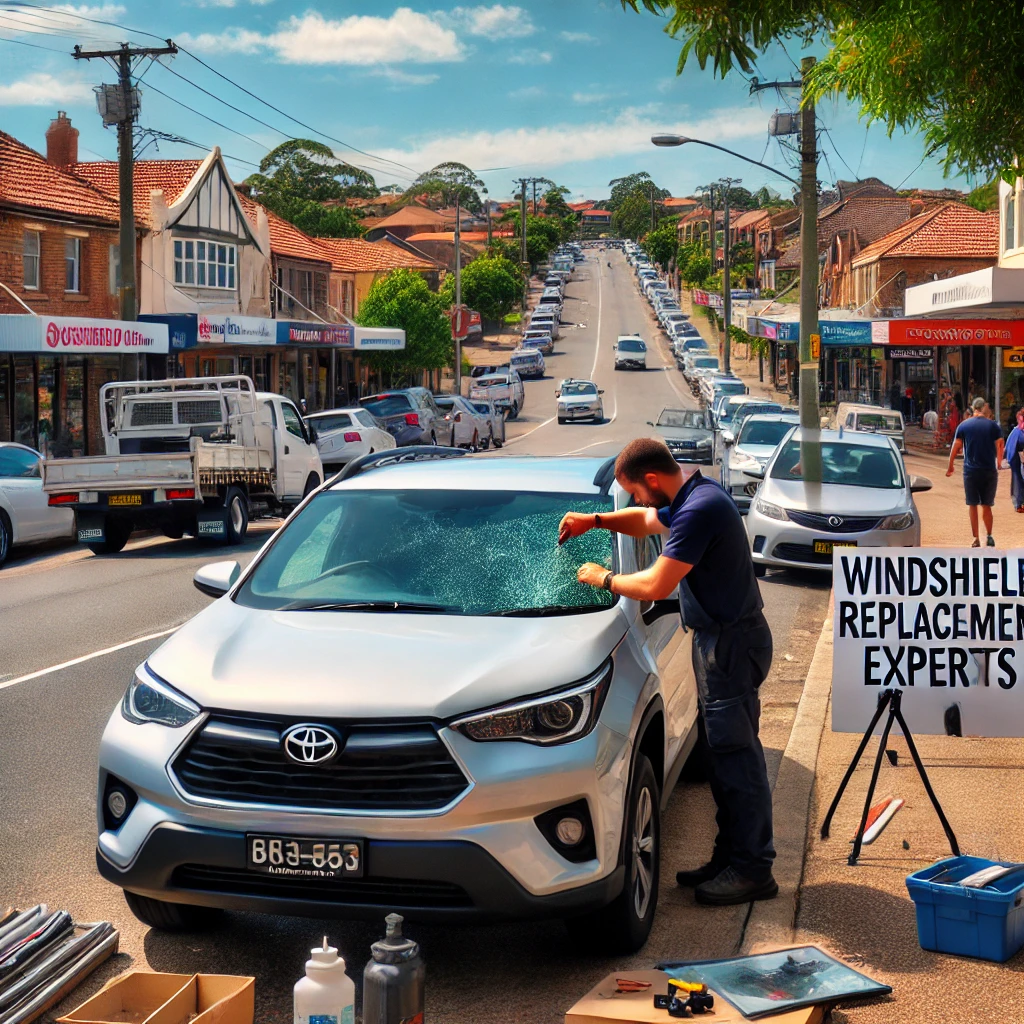
Imagine this: You’re on your way to an important meeting when a rogue pebble catapults from the car ahead and sends a sharp crack across your windscreen. Annoying, right? Soon, that crack becomes an unsightly spiderweb, spreading its reach across the glass, demanding urgent repair. After a necessary visit to the repair shop and a new windscreen installation, one burning question undoubtedly lingers in your mind: Can I drive my car immediately after windscreen replacement? It’s a critical concern for many drivers, especially those dependent on their vehicles for daily commutes and commitments.
The reality is that while replacing a windscreen might seem like a straightforward task, there are various factors at play that determine when you can safely hit the road again. The type of adhesive used, the weather conditions, and even the vehicle model can all influence the curing time required for a secure seal. Overlooking these details could compromise your safety, as well as the integrity of the replacement. By understanding the nuances involved, you’ll not only ensure a safer drive but also potentially save yourself from future headaches and repair costs. So, buckle up as we delve into what you need to know before revving the engine post-windscreen replacement.
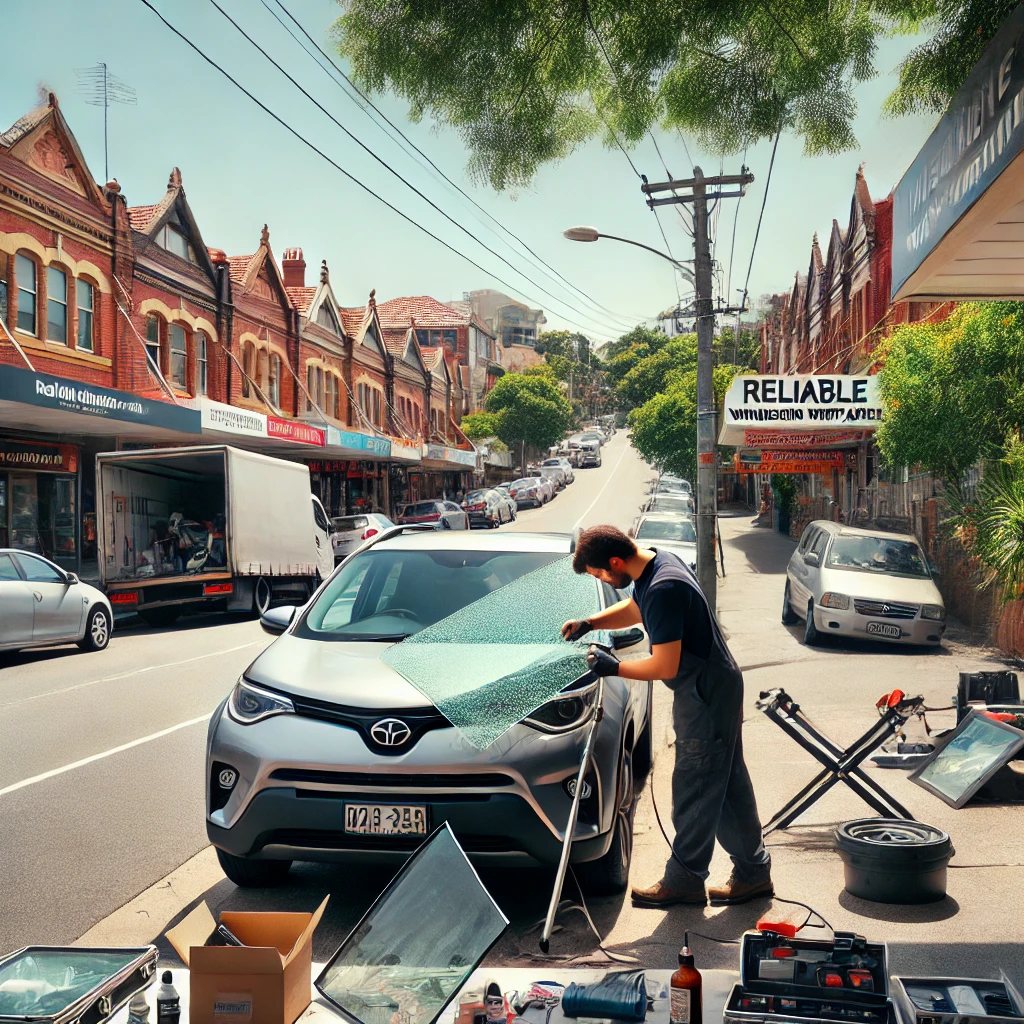
Proper curing time is the cornerstone of a successful windscreen replacement. When a new windscreen is bonded to the vehicle frame, high-strength adhesives must set fully to create a watertight and structural seal. If you rush this process, you risk compromising the bond, which could lead to sudden windscreen detachment, leaks, or even shattering under stress. Proper curing ensures that the adhesive reaches its designed tensile strength and elasticity, allowing the windscreen to absorb road vibrations and withstand external impacts safely.
Furthermore, the curing process impacts cabin safety features such as airbags. Many modern vehicles direct airbag deployment pressure against the windscreen to cushion passengers during a collision. If the adhesive hasn’t cured completely, the windscreen may pop out instead of providing that critical backstop, reducing the effectiveness of the airbag system. Therefore, understanding and respecting the manufacturer’s recommended curing period isn’t merely a suggestion—it’s a vital safety standard. Before dismissing the question, “Can I drive my car immediately after windscreen replacement?” take into account that driving too soon can jeopardize your safety and that of others on the road.
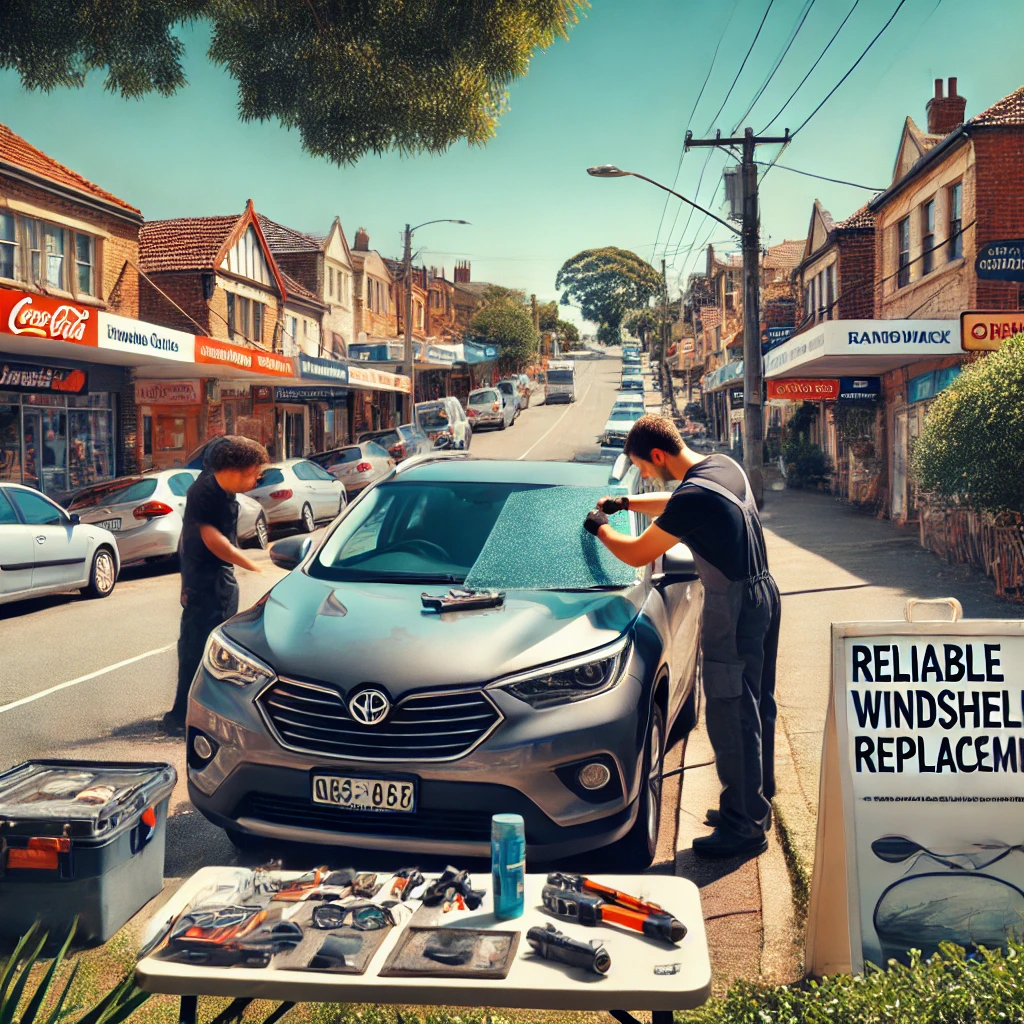
Curing time for windscreen adhesives can vary widely based on several interrelated factors. First, the type of adhesive used plays a central role—some modern urethane formulas cure faster than traditional polyurethane, but they may require precise temperature conditions. Second, ambient temperature and humidity directly influence the chemical reaction rate, speeding up or slowing down drying times. High humidity can accelerate curing, while extremely low temperatures may stall the process altogether.
Other considerations include the expertise of the installer and the condition of the bonding surface. Improper surface preparation—such as residual oils, dirt, or moisture—can prevent the adhesive from bonding correctly, prolonging curing time or causing weak adhesion. Similarly, the thickness of the applied adhesive bead and the windscreen’s size and curvature can affect how quickly the material sets. Always consult the adhesive manufacturer’s technical data sheet for specific guidance. By accounting for these variables, you’ll gain a clearer picture of when it’s truly safe to resume driving.
Automotive glass technicians typically use high-performance adhesives designed for structural bonding. The most common are single-component polyurethane (PU) and advanced one-hour urethanes. PU adhesives have been industry standards for decades, offering reliable strength but longer curing times—often up to 24 hours in cooler conditions. Conversely, one-hour urethanes leverage faster-reacting chemistries that can cure within a couple of hours under ideal temperatures.
Some manufacturers also employ dual-component adhesives that mix resin and hardener at the nozzle for a more rapid set. While these formulas can slash curing times significantly, they demand precise mixing ratios and environmental control to avoid premature skinning or incomplete setting. Ultimately, the choice of adhesive depends on the vehicle manufacturer’s specifications, the repair facility’s equipment, and the anticipated driving schedule. Always ask your technician which adhesive is being used and how it aligns with your urgency to get back on the road.
Weather plays an outsized role in adhesive curing. In warm, dry climates, adhesive polymers cross-link more rapidly, providing sufficient bond strength in as little as one to two hours. However, in cold or damp environments, the chemical reactions slow significantly, extending full curing times to six hours or more. Excessive humidity may seem beneficial, but it can introduce moisture into the bond line if the work area isn’t adequately controlled.
Rain poses another challenge: water can wash away uncured adhesive beads or contaminate the bonding surface, preventing proper adhesion. Wind can also cool the adhesive too quickly, causing surface skinning without full internal cure. To mitigate these issues, professional repair centers often use climate-controlled booths or heated blankets on the windscreen to maintain optimal curing conditions regardless of outdoor weather. If you’re having your windscreen replaced on a rainy or chilly day, discuss realistic driving timelines with your technician to ensure safety.
Different vehicle models come with varied windscreen designs, each affecting adhesive curing dynamics. Cars with steep windshield angles may require thicker adhesive beads to fill uneven gaps, which can extend curing times. Luxury vehicles often feature bonding surfaces treated with primers or sealers that necessitate additional flash-off periods before adhesive application. Neglecting these preparatory steps can result in extended curing times or adhesive failure.
Moreover, some modern vehicles include embedded sensors, cameras, and rain-detection systems mounted on the windscreen. These integrations require precise repositioning and calibration after the glass is bonded. Technicians must wait for the adhesive to reach minimum bond strength before restoring and testing electronic components. As a result, even if the adhesive formulation allows a quick drive-away time, the need to calibrate advanced driver-assistance systems (ADAS) might prolong the waiting period. Always factor in model-specific requirements alongside adhesive curing guidelines.
Once the adhesive has met its minimum cure time, you can cautiously resume driving, but best practices should still be observed. Start by taking a short, low-speed route to test the bond strength under gentle conditions. Avoid highways or high-traffic roads where rapid acceleration, high speeds, or sudden braking could stress the nascent adhesive bond. Keep cabin temperature stable—avoid blasting hot or cold air directly onto the windscreen, which could create uneven temperature gradients and stress the seal.
Be mindful of speed bumps, potholes, and other road hazards for at least 24 hours after replacement. These jolts can momentarily flex the glass and test the bond before it reaches full strength. Additionally, keep your windows closed as much as possible; sudden airflow pressure changes can dislodge the seal if it hasn’t fully set. These precautions, combined with following the technician’s specific drive-away time, will help maintain the integrity of your new windscreen and reinforce safety on the road.
Even after waiting the recommended time, you should inspect your windscreen for warning signs of improper curing. Look along the edges for any gaps or uneven bead lines—these indicate areas where adhesive may have been insufficiently applied or washed away. Feel around the seal with a gloved hand (once it’s safe to touch) to check for soft spots or tackiness. A fully cured adhesive should feel firm and rubbery, not gooey or powdery.
Other telltale indicators include wind noise or whistling at highway speeds, which suggests small leaks in the seal. Water ingress during rain or car washes is another red flag; moisture inside the cabin or between the glass and molding points to bonding failure. If you notice cracks or crazing in the adhesive itself—sometimes appearing as small white lines—you may have encountered a cure inhibition issue. At the first sign of any of these problems, slow down, avoid aggressive driving, and arrange for a professional inspection immediately.
Proper maintenance of your new windscreen helps prolong its lifespan and preserve the integrity of the bond. Start by waiting at least 48 hours before using high-pressure automatic car washes, as the strong jets can disturb a curing seal. When cleaning manually, use gentle, non-ammonia glass cleaners and a soft microfiber cloth to avoid scratching the glass or loosening the adhesive edge. Avoid scouring pads or harsh chemicals that could degrade the polymer seal over time.
Regularly check the wiper blades and replace them if they show signs of wear or cracking. Damaged wipers can drag unevenly across the glass, exerting pressure on the edges and potentially stressing the bond. Inspect the seal annually for small gaps or discoloration; early detection of seal degradation makes repairs easier and less costly. By combining careful cleaning practices with periodic visual inspections, you’ll maintain both clarity and structural integrity of your windscreen.
If you experience persistent issues such as water leaks, wind noise, or adhesive residue flaking away despite following all recommended precautions, it’s time to consult a professional. DIY fixes often provide only temporary relief and can mask deeper problems with the original installation. A certified automotive glass technician will perform a thorough evaluation, identify the root cause, and either reinforce the existing bond or replace the windscreen again if necessary.
Prompt action can prevent minor defects from escalating into major failures. For instance, a small gap in the seal can allow water to corrode metal components around the windscreen frame, leading to costly rust repairs. Similarly, unnoticed adhesive weakness could turn into a full detachment during an accident, negating the safety features of modern windscreen designs. Whenever uncertainty arises—especially after attempting to drive away at minimum cure time—reach out to your service provider for expert guidance.
Knowing “Can I drive my car immediately after windscreen replacement?” involves more than just a quick yes or no. Adhesive type, curing conditions, vehicle model, and proper installation techniques all factor into when it’s genuinely safe to hit the road. Rushing can compromise bond strength, impair safety systems, and lead to costly repairs down the line.
By respecting recommended cure times, following professional advice, and observing careful driving and maintenance practices, you’ll safeguard both your windscreen’s integrity and your own well-being. When in doubt, always turn to a qualified technician to assess any concerns and ensure that your windscreen replacement stands the test of time and travel.
Book your appointment now and get 10% discount.
And give us google 5 Stars feedback and get a free drink on us.
MAKE APPOINTMENT


