
Seven ADAS Calibration Myths Sydney Drivers Still Believe
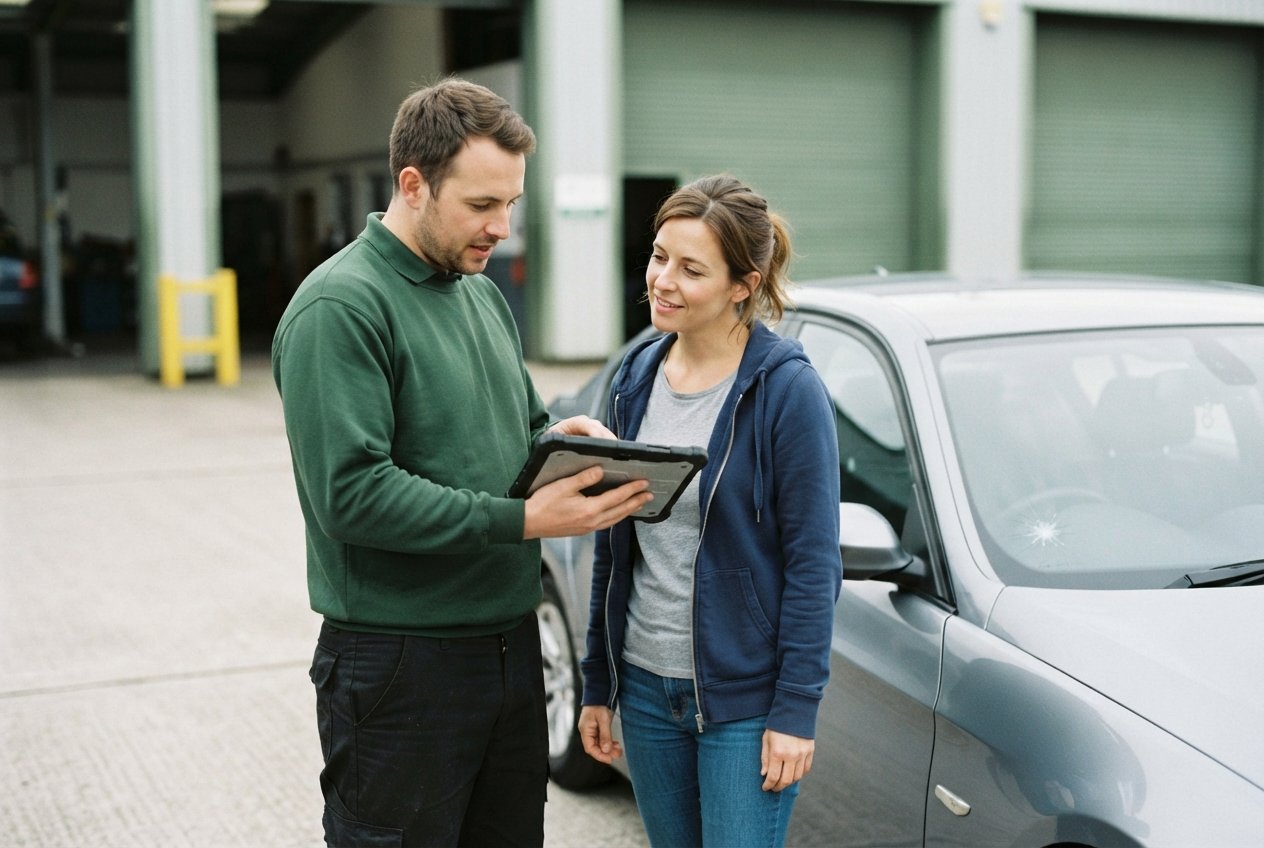
Driver-assistance systems have spread faster than understanding of how they work. Here are seven beliefs about ADAS calibration we hear often, and what is actually true.
Myth 1: “The Camera Calibrates Itself as You Drive”
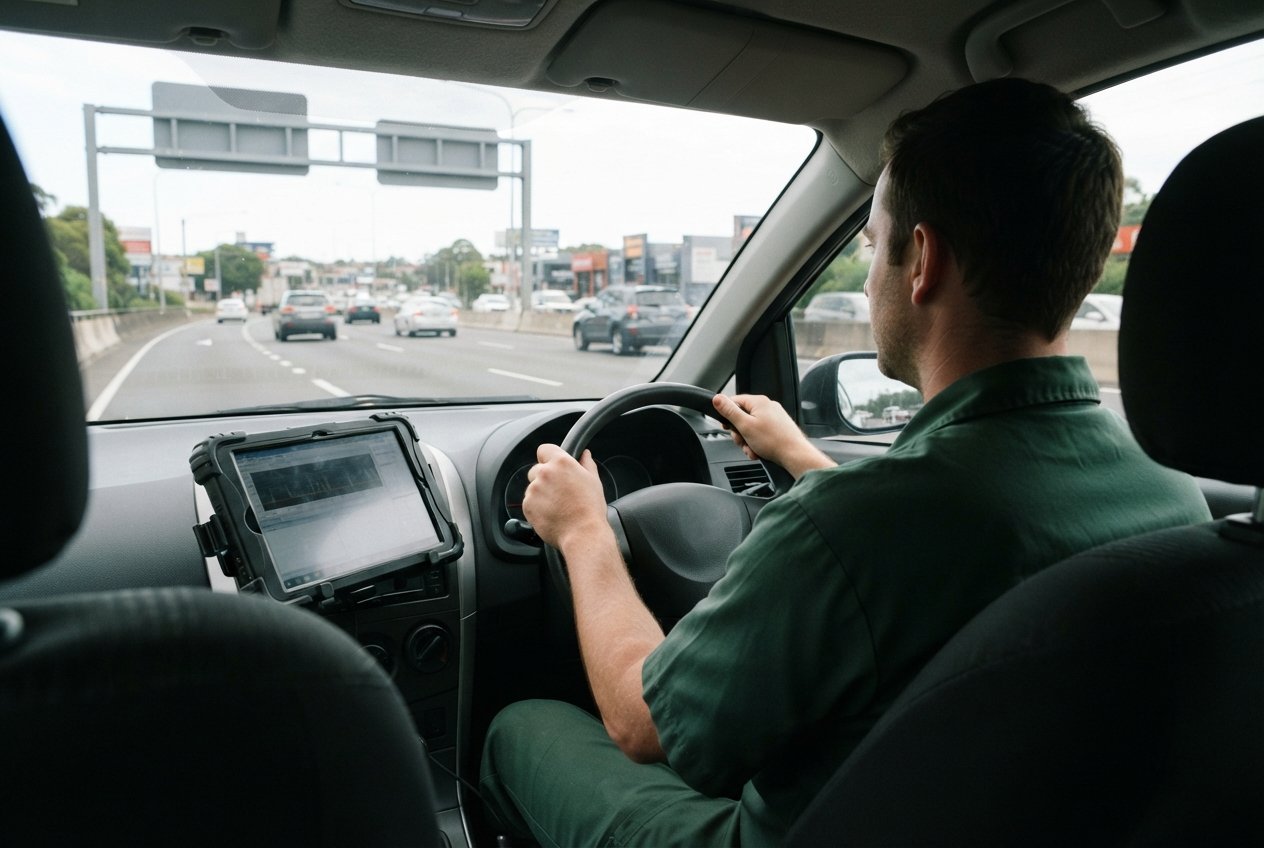
On most cars, a calibration routine has to be started with a diagnostic tool. Some cars then complete it on the road, which is called dynamic calibration; others need targets in a workshop. Driving around and hoping is not a calibration. See static vs dynamic ADAS calibration.
Myth 2: “No Warning Light Means Everything Is Fine”
A camera can be slightly out and still pass the car’s self-check. The systems work, just not as well as they should. A warning light tells you there is a problem; its absence does not tell you there is none.
Myth 3: “It Is Just a Money-Making Add-On”
Calibration is specified by vehicle makers because the camera is physically moved when a windscreen is replaced. Skipping it leaves safety systems working from a wrong reference. It is part of the repair, the way an alignment is part of replacing steering components.
Myth 4: “Only the Dealer Can Calibrate My Car”
Dealers can, and so can independent providers with the right equipment and training who follow the vehicle maker’s procedure. What matters is the equipment, the procedure and the competence of the person doing it.
Myth 5: “My Car Is Too Basic to Have ADAS”
Autonomous emergency braking has been required on all new light vehicles sold in Australia since March 2025, including entry-level models. If your car is only a few years old, look behind the rear-view mirror. See how to tell if your windscreen has a camera or sensor.
Myth 6: “Any Windscreen That Fits Will Do”
A windscreen can fit the opening and still be the wrong part: the wrong camera bracket, no provision for a sensor, or poor optical quality in front of the camera. See OEM vs aftermarket windscreens and ADAS cameras.
Myth 7: “I Never Use Lane Assist, So It Does Not Matter”
The camera that runs lane assist usually runs emergency braking as well, and that works in the background whether you think about it or not. Switching one function off does not make the camera’s aim irrelevant.
What Is True
- A windscreen replacement on a camera-equipped car should be followed by calibration.
- The method is set by the vehicle maker.
- The result depends on the right glass, a careful set-up and a trained technician.
Aussie AutoGlass is now a certified ADAS calibration service provider: our technicians have completed the calibration equipment manufacturer’s training and certification, and we carry out static or dynamic calibration as each vehicle requires. To book, call 0405 412 951 or request an appointment online.
Frequently Asked Questions
Does every windscreen replacement need calibration?
Only on vehicles with a camera or sensor that the maker requires to be calibrated. Cars without a forward camera do not.
Is calibration needed after a chip repair?
Not normally, because the camera is not disturbed. Damage directly in front of the camera is a separate question; see chip or crack in front of your windscreen camera.
How do I know a calibration was actually done?
Ask the provider to confirm which procedure was carried out for your vehicle and that it completed.