
Static vs Dynamic ADAS Calibration: What Is the Difference?
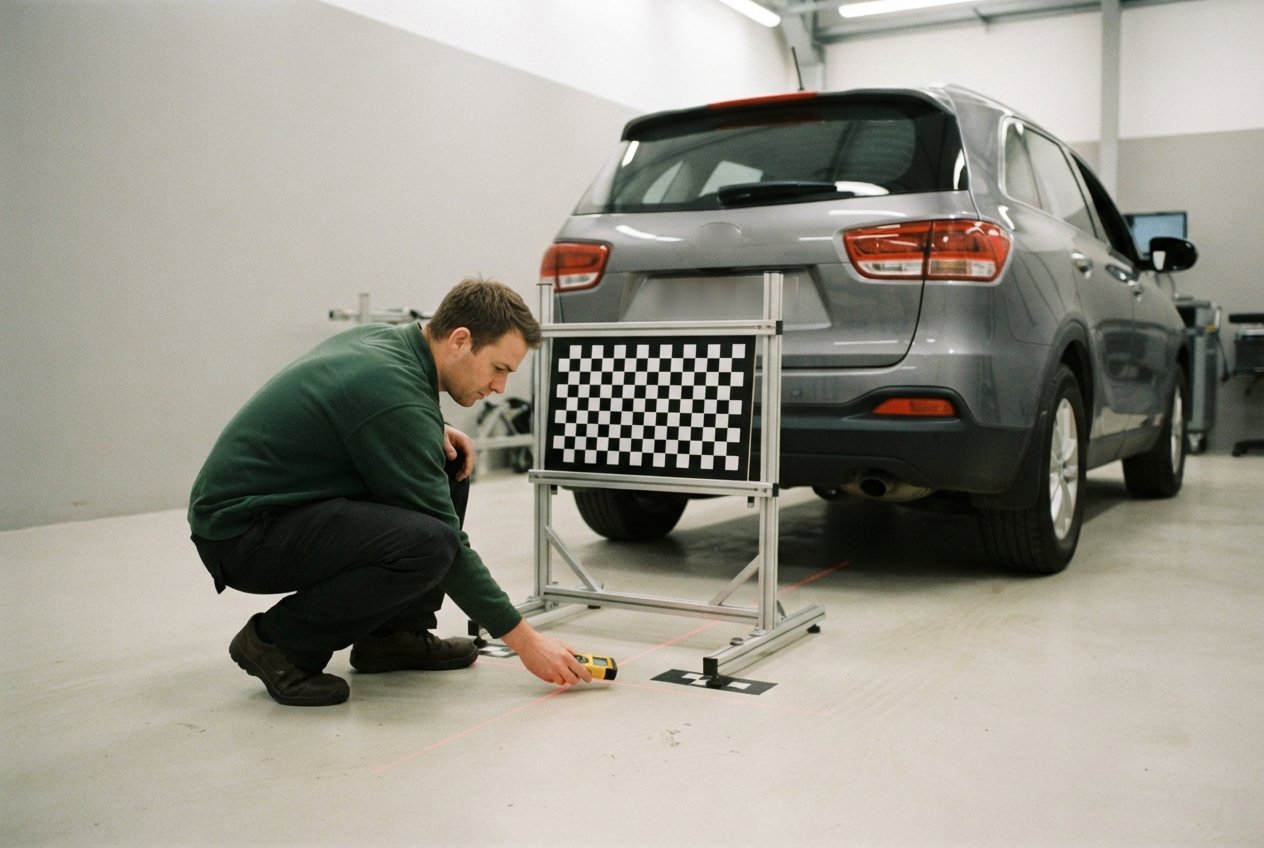
Static calibration is done with the car standing still in front of calibration targets. Dynamic calibration is done on a road drive with diagnostic equipment connected. The vehicle maker decides which one your car needs, and some cars need both.
Static Calibration
In a static calibration the car is parked on a level floor. Targets, which are boards printed with a precise pattern, are set up at exact distances and heights in front of the car, measured from the car’s centre line. The technician connects a diagnostic tool, starts the calibration routine, and the camera learns its position by looking at the targets.
What it needs
- a level floor and enough clear space in front of the vehicle
- even lighting without strong reflections
- the correct target for that make and model
- accurate measurement, because the result is only as good as the set-up
Things that are checked first
Tyre pressures, a normal load in the car and a clean windscreen all affect how the car sits and what the camera sees, so they are checked before the routine starts.
Dynamic Calibration
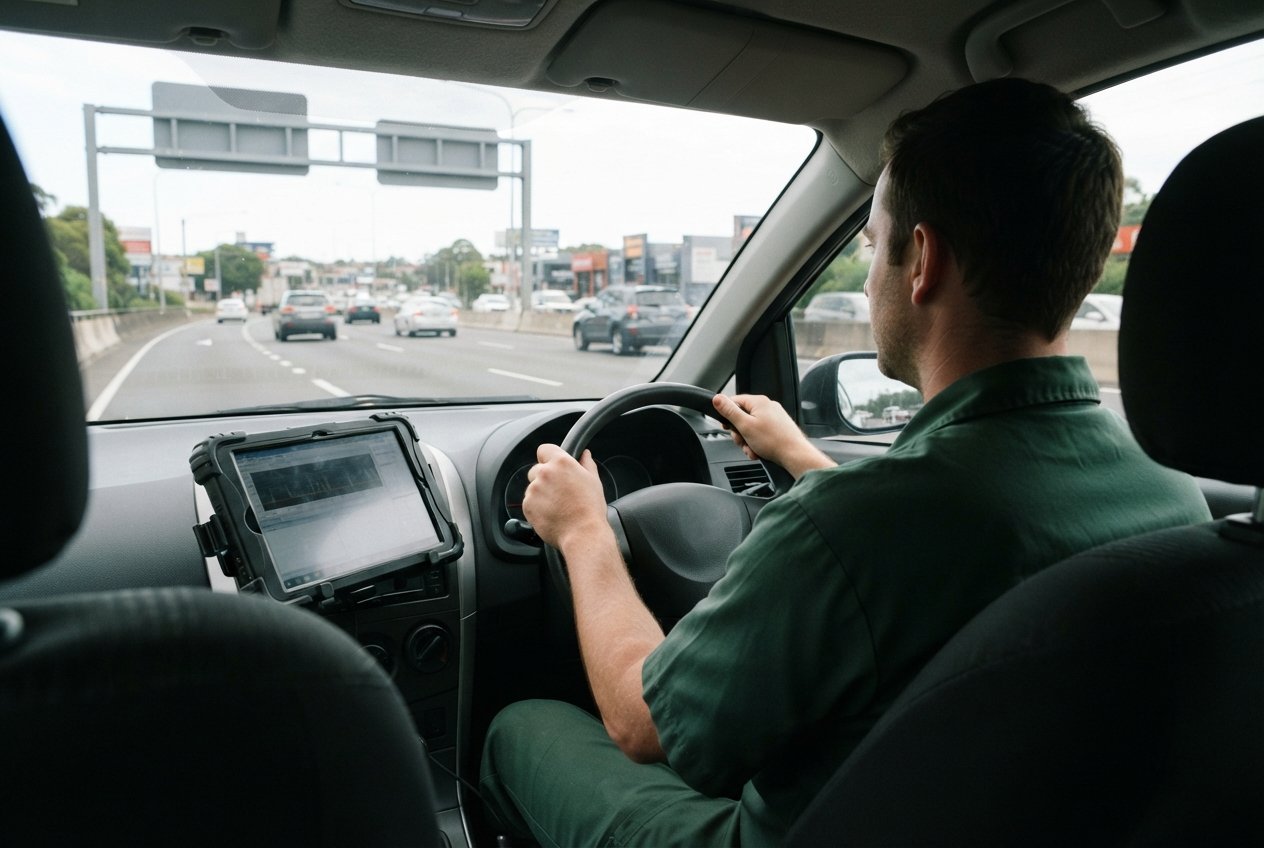
In a dynamic calibration the diagnostic tool starts the routine and the car is then driven. The camera calibrates itself against real lane markings and road features while set conditions are met, such as a steady speed on a clearly marked road.
What it needs
- clear lane markings
- reasonable weather and light
- traffic that allows a steady speed for long enough
Because of this, a dynamic calibration cannot always be completed at any time of day in any weather. Heavy rain, poor markings or stop-start traffic can prevent the routine from finishing.
Which Is Better?
Neither. They are two procedures for different systems, and the choice is not the workshop’s to make. A workshop that offers only one method cannot correctly calibrate a car whose maker specifies the other.
Cars That Need Both
Some vehicles require a static calibration followed by a dynamic drive, or a confirming road test afterwards. This is common enough that a provider should be equipped for both.
How We Decide
When you book, we look up the procedure for your make, model and year. That tells us the method, whether the car needs to come to the workshop and roughly how long to allow. Aussie AutoGlass is now certified as an ADAS calibration service provider. Our technicians hold certification from the maker of our calibration equipment, and we handle both static and dynamic calibration, depending on the vehicle.
What It Means for a Mobile Windscreen Replacement
A windscreen can often be replaced at your home or workplace. Whether the calibration can follow there depends on the method. A dynamic calibration can follow a mobile fitting when road and weather conditions allow. A static calibration needs the workshop. We will tell you which applies before you book, so there are no surprises on the day. Call 0405 412 951 or book an appointment.
Frequently Asked Questions
Can I choose the method to save time?
No. The method is set by the vehicle maker for each system.
Does a dynamic calibration happen by itself if I just drive?
Not usually. On most cars the routine has to be started with a diagnostic tool first. We look at this and other common beliefs in seven ADAS calibration myths.
How long does each take?
It varies by vehicle. See what happens during an ADAS calibration appointment for the steps involved.