
OEM vs Aftermarket Windscreens and ADAS Cameras
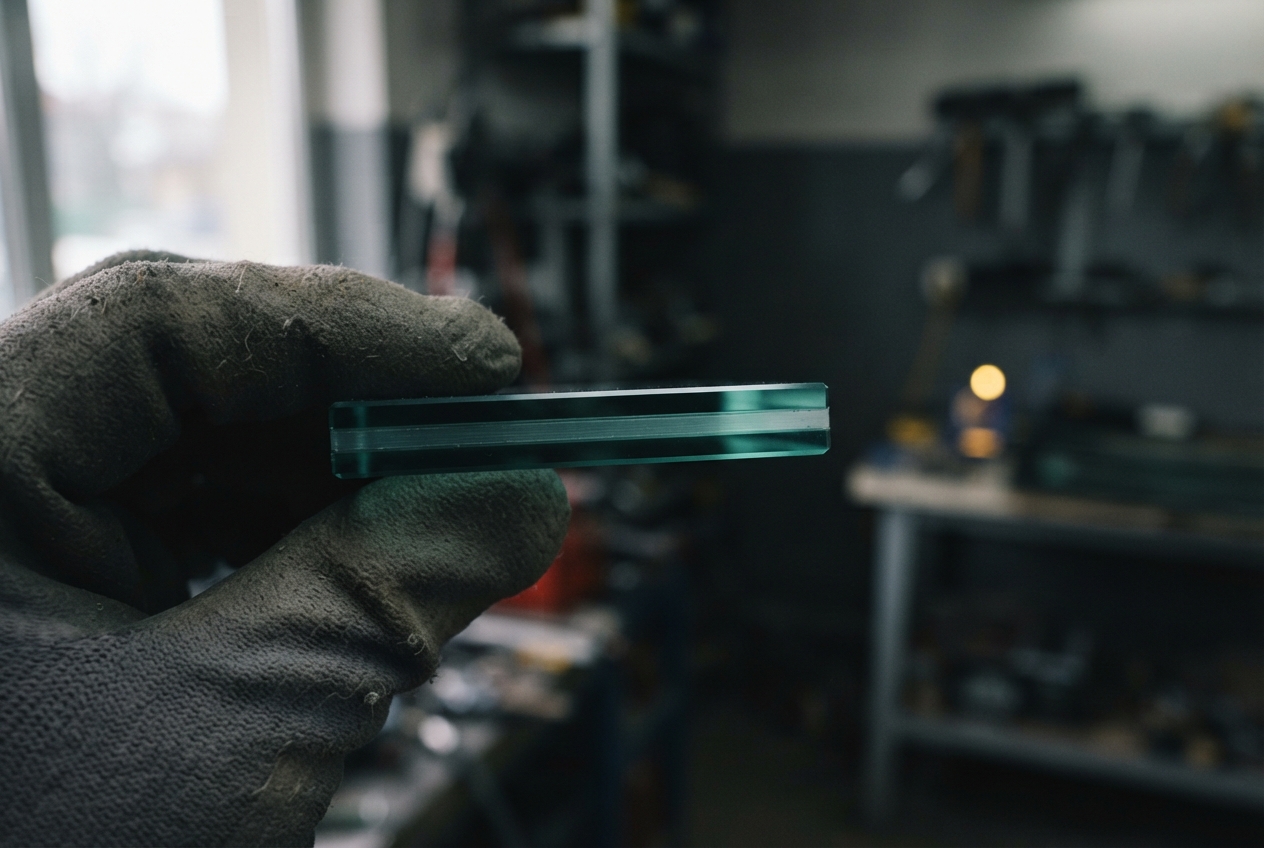
A camera-equipped car does not automatically need a genuine windscreen, but it does need the right one. For ADAS, what matters is the optical quality in front of the camera, a correctly positioned camera bracket, and the exact variant for your car’s equipment.
The Terms
- OEM or genuine glass is supplied through the vehicle maker’s parts network and carries the maker’s branding.
- OE-equivalent glass is made by a glass manufacturer, sometimes the same one that supplies the car maker, to the same specification without the car brand’s logo.
- Aftermarket glass covers everything else, and quality ranges from excellent to poor.
What the Camera Needs From the Glass
A clear, undistorted view
The camera looks through a small area at the top of the windscreen. Any waviness or distortion there bends the picture. The driver would never notice it, but the camera does, and it can stop a calibration completing or reduce how well the system works.
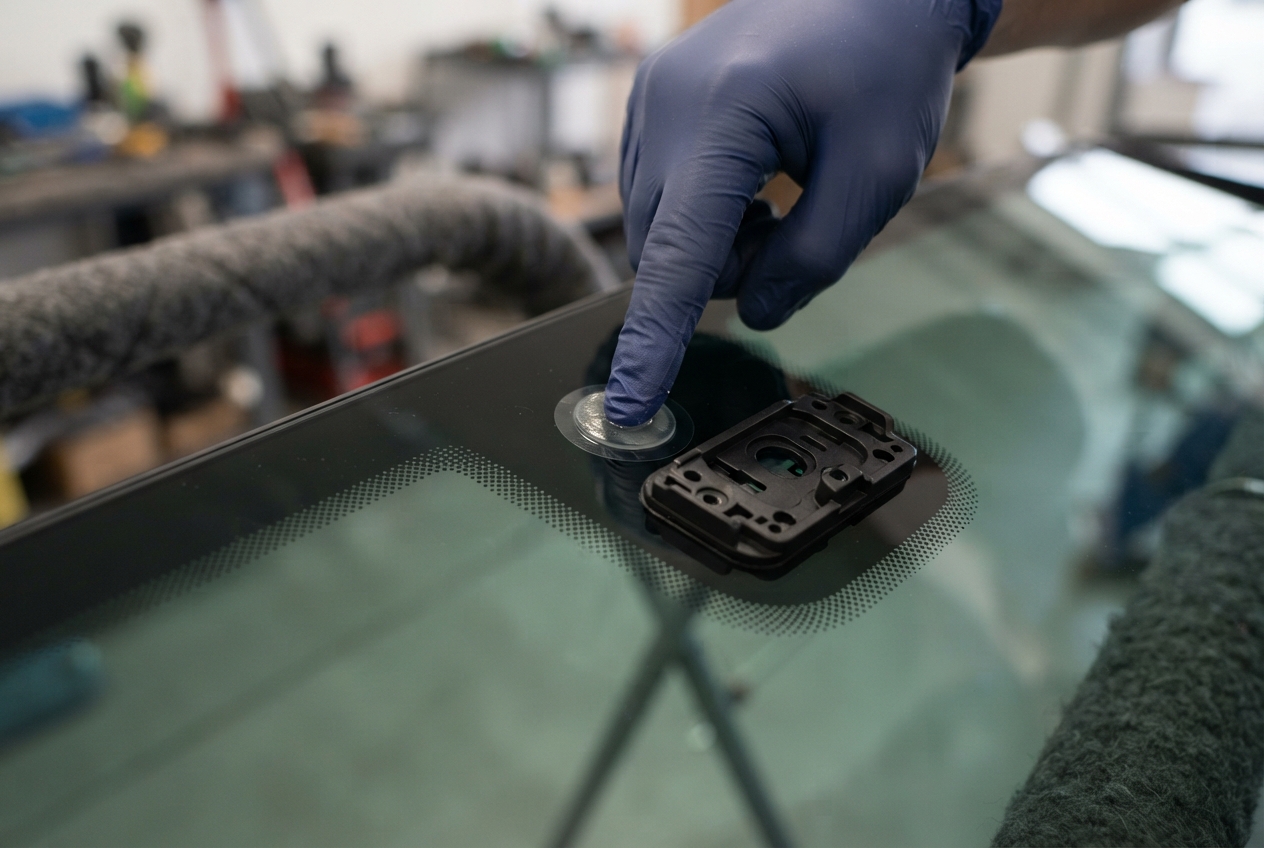
The bracket in the right place
The camera clips into a bracket bonded to the glass at the factory. If the bracket is slightly out of position or the wrong type, the camera sits wrongly before calibration even starts.
The correct variant
One model can have many windscreens: with or without a camera, rain sensor, heated wiper area, acoustic layer, head-up display or solar coating. Fitting a windscreen for a different equipment level is a common cause of trouble.
Thickness and Shape
Glass that differs in thickness or curvature from the original changes how light bends on its way to the camera. Good quality glass is made to the original specification so that it does not.
So Which Should You Choose?
For most cars, OE-equivalent glass from a reputable manufacturer, in the correct variant, calibrates and performs properly. For some models, particularly newer ones and those with complex camera systems or head-up displays, genuine glass is the safer choice, and for a few it is the only glass available.
The honest answer depends on the vehicle. We tell you which options exist for your car and what we recommend, before you decide.
Calibration Is Still Required
No windscreen, genuine or otherwise, removes the need for calibration. The camera has been moved to new glass and has to learn its position. A correct windscreen makes a successful calibration possible; it does not replace one. See why ADAS calibration matters.
Our Approach
We identify the exact windscreen for your vehicle from its details and equipment, fit it, and calibrate the camera. Aussie AutoGlass is a certified ADAS calibration service provider. Our technicians are trained and certified by the manufacturer of our calibration equipment, and we do static and dynamic calibration, depending on what the vehicle maker specifies. To book, call 0405 412 951 or request an appointment online.
Frequently Asked Questions
Will a non-genuine windscreen affect my warranty or insurance?
Policies and warranties differ, so check yours. Some insurance policies specify the type of glass they will pay for.
How can I tell what glass was fitted?
The stamp in a lower corner of the windscreen shows the manufacturer and standards markings.
My calibration failed after a replacement elsewhere. Could it be the glass?
It could be the glass, the bracket, the fitting position or something unrelated. It needs to be inspected.