 Aussie AutoGlass
 - January 1, 2026
- By lingquqing
- In windscreen maintenance, windscreen replacement, windscreens-tinting
- Tags autoglass replacement, Windscreen repair near Earlwood, windscreen tinting
- 208
- 0

Imagine cruising down the highway, your mind free and clear, when suddenly a small pebble catapults from the road, cracking your windscreen. Whether you operate a single family vehicle or manage a fleet of vehicles for a business, the sudden expense and hassle can be daunting. This is where understanding windscreen warranty terms becomes invaluable. More than just a piece of glass, your windscreen is essential for the safety and integrity of your vehicle, and having the right warranty can mean the difference between peace of mind and unexpected costs.
In this guide, “Windscreen Warranty Terms Explained: Essential Guide for Private & Fleet Vehicles,” we unravel the often complex and confusing jargon surrounding windscreen warranties. You may not realize it, but these warranties vary significantly between private and fleet vehicles, each with unique benefits and conditions. Knowing what your warranty covers—and what it doesn’t—can save you time, money, and stress. Delve into this essential guide to uncover how to best protect your investment, ensuring you and your drivers remain safe on the road.
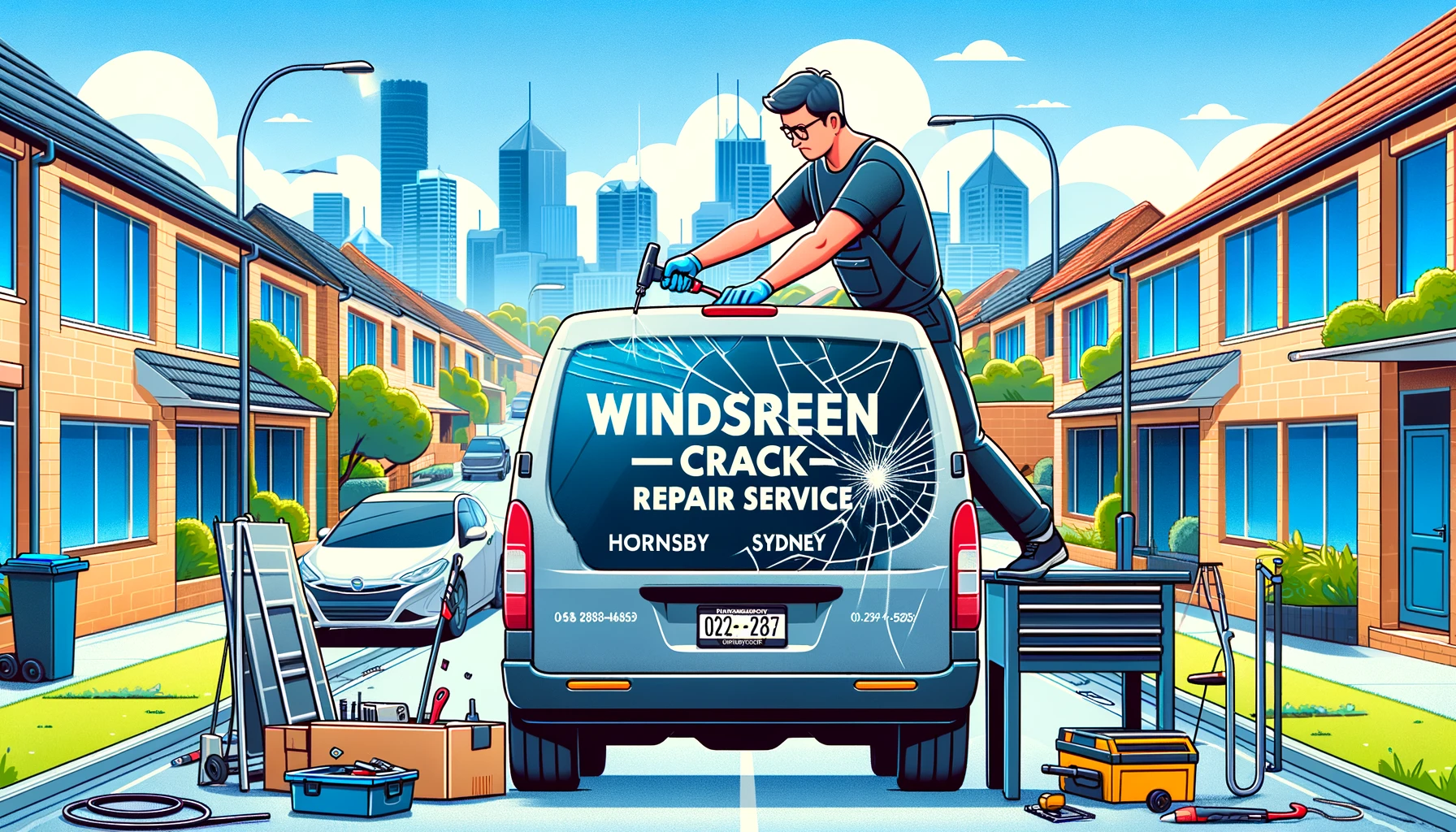
Every vehicle owner knows that a windscreen is more than just a transparent barrier between you and the elements—it’s a structural component crucial to your safety. A compromised windscreen can impair visibility, reduce protection in a collision, and even affect the integrity of advanced driver assistance systems (ADAS). Windscreen warranty terms explained for private and fleet vehicles often include coverage for repairs or full replacements, which means you won’t be left to foot the bill for unexpected damage. Without a warranty, even a minor chip can escalate into a major crack, leading to costly repairs or the need for a completely new windscreen.
Additionally, a robust warranty can streamline the claims process and reduce downtime. For private vehicle owners, this means minimal disruption to personal schedules and lower out-of-pocket expenses. For fleet managers, warranty coverage ensures that commercial operations remain on track, avoiding the logistical nightmare of sidelined vehicles. Ultimately, understanding the importance of windscreen warranties equips you with the foresight to select the policy that best matches your driving habits, usage intensity, and budget—leading to safer roads and more predictable maintenance costs.

When it comes to windscreen warranty coverage, private and fleet vehicles follow distinct paths. Private vehicle warranties are typically tailored to individual drivers, focusing on single-vehicle coverage with fixed terms. These policies often include set deductibles, straightforward approval processes, and networks of partner repair shops. Fleet warranties, in contrast, are designed for multiple vehicles under one contract. They accommodate high repair volumes, customizable coverage options, and tiered pricing that reflects the scale of the fleet. This flexibility allows businesses to optimize warranty terms based on vehicle types, usage patterns, and operational budgets.
Furthermore, the administrative workload differs significantly. Private owners usually manage single claims sporadically, whereas fleet managers coordinate dozens or even hundreds of repairs annually. Fleet warranties often come with dedicated account management, streamlined digital platforms for filing claims, and consolidated billing. Private policies may require separate invoices per claim, but fleet agreements can combine costs to simplify accounting. In essence, while the core principles of repair and replacement remain similar, private warranties prioritize simplicity and individual convenience, and fleet warranties emphasize scalability, centralized administration, and cost efficiencies.
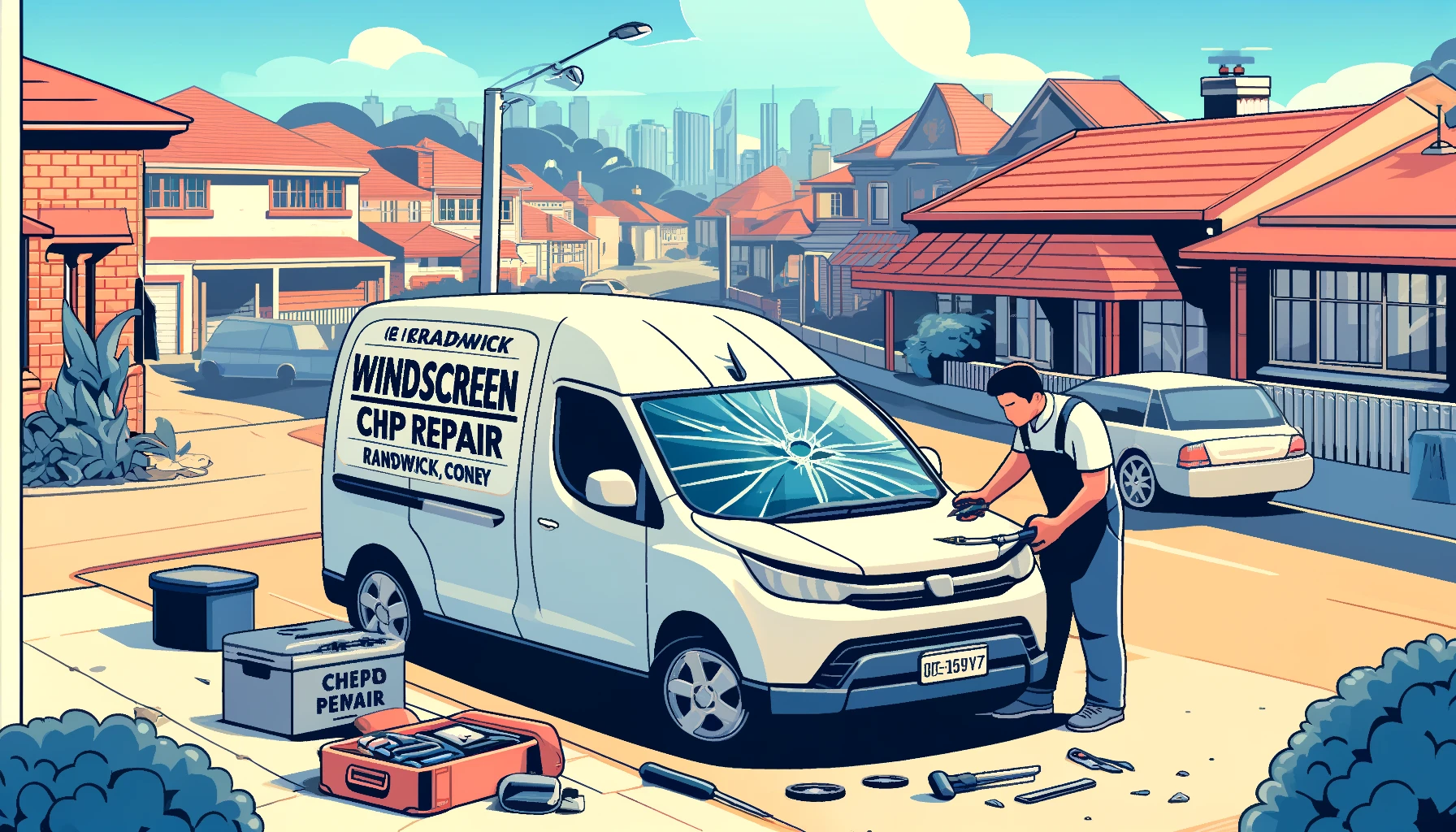
Windscreen warranties contain several standard clauses that delineate coverage boundaries. Key terms often include definitions of covered damage, waiting periods before the policy becomes active, and per-claim or annual claim limits. For instance, many providers impose a minimum chip size that qualifies for repair, while larger cracks might trigger a full replacement clause. Deductibles vary by policy but are usually a fixed amount per claim, payable by the vehicle owner. Some warranties also introduce “damage tolerance” levels, meaning a small scratch may be excluded because it doesn’t compromise structural integrity or visibility.
Moreover, workmanship guarantees are common: once a repair is completed by an authorized installer, you may receive a warranty on the repair itself. This covers issues such as poor fit or seal failures that emerge within a specified time frame—usually six to twelve months. Beyond these, you’ll encounter clauses on policy cancellation, transferability if the vehicle is sold, and exclusions related to non-approved repair centers. Reading and comprehending these terms and conditions upfront empowers you to avoid surprises when you file a claim.
Most windscreen warranties cover a range of typical damages caused by on-road hazards. The most common are stone chips and impact dings, which occur when gravel or debris strikes the glass at speed. Many policies stipulate that chips below a certain size (often 25mm in diameter) qualify for free repairs to prevent further cracking. In addition, small stress cracks resulting from thermal expansion or contraction often fall under coverage, as long as they don’t exceed a defined length, such as 150mm.
Beyond chips and cracks, some warranties include coverage for edge breaks—where a crack originates at the windscreen’s perimeter—and starburst patterns, which have multiple radial cracks. Advanced policies may even cover minor scratches that impair driver visibility, though these are less common. Replacement coverage typically applies when damage exceeds repair limits or jeopardizes the windscreen’s structural performance. By understanding which types of windscreen damage are covered, you can better anticipate when to file a repair claim versus when to prepare for a full-replacement scenario.
Even the best windscreen warranty comes with exclusions that remove certain damages from coverage. Pre-existing chips, scratches, or cracks present before policy activation are universally excluded. Similarly, damage caused by accidents unrelated to normal road conditions—such as vandalism, collisions, or intentional acts—often falls outside warranty protection. Some providers also exclude damage from natural disasters like hailstorms or floods unless you add specific comprehensive endorsements.
Other common limitations include wear-and-tear exclusions, which bar coverage for minute pits or surface etching that develop over time. Accessories like head-up displays (HUD), rain sensors, or embedded photovoltaic layers may not be covered unless explicitly stated in your contract. Finally, some warranties cap the number of claims per year or impose a maximum payable amount, particularly in private vehicle plans. Awareness of these exclusions and limitations helps set realistic expectations and prevents claim denials during stressful times.
Filing a windscreen warranty claim generally follows a straightforward process designed for minimal downtime. Begin by documenting the damage with clear photographs—capturing chip size, crack length, and surrounding context on the vehicle. Next, locate your policy documents or login to the insurer’s online portal to confirm claim eligibility, deductible amounts, and any preferred service providers. Many companies offer mobile apps or dedicated hotlines to expedite the submission of digital photos and basic contact information.
Once you’ve submitted your claim, an adjuster or claims representative will review the details and determine whether repair or replacement is necessary. If approved, you’ll be directed to an authorized repair center or offered a mobile repair service at your location. Post-repair, inspect the workmanship promptly and retain all service invoices. Depending on your warranty, you may pay the deductible directly to the installer, with the insurer covering the remaining cost. Finally, save all receipts and correspondence to streamline any follow-up or warranty-backed workmanship guarantees.
To get the most from your windscreen warranty, register your policy and vehicle details immediately upon purchase. Prompt registration can activate waiting-period benefits and prevent any coverage gaps. Perform regular visual inspections of your windscreen, especially after harsh weather or gravel roads, to catch small chips before they expand. Early detection often qualifies for a no-cost repair under most warranty plans. Additionally, always use authorized repair networks—unauthorized shops can nullify coverage or lead to substandard workmanship.
For fleet managers, consider centralizing repair requests to leverage volume discounts and faster service. Maintaining a detailed claims log helps identify recurring trouble spots in routes or driving patterns, enabling preemptive maintenance or route adjustments. Reviewing annual claims reports with your provider can also unlock policy renegotiations—perhaps lowering deductibles or increasing claim limits based on your fleet’s reliability track record. Small steps like these ensure you maximize both safety and savings.
Selecting the right warranty provider requires thorough comparison across several dimensions. For private vehicles, focus on local network size, mobile repair availability, and customer satisfaction ratings. Ease of filing claims via user-friendly apps or online portals can be a deciding factor. Some insurers bundle windscreen coverage with broader automotive protection packages, while specialized glass companies may offer highly competitive standalone warranties.
Fleet warranties demand a different approach: evaluate providers on their capacity to handle high-volume claims, dedicated account support, and flexible billing structures. Look for integrated fleet management dashboards that track repair metrics in real time, helping you optimize maintenance schedules. Also assess turnaround times—extended vehicle downtime can translate to significant business losses. By weighing these provider-specific features, you ensure both individual drivers and entire fleets receive reliable, cost-effective coverage.
When selecting a windscreen warranty, begin by clarifying your coverage needs. Determine whether you require comprehensive protection for all glass components or only for impact-related damage. Compare deductibles and annual claim limits, keeping in mind that lower deductibles often mean higher premiums. Assess the insurer’s repair network size and geographical reach—especially important if you travel frequently or operate vehicles across multiple regions.
Other critical factors include policy transferability if you sell your vehicle, waiting periods before coverage begins, and workmanship guarantees on repairs. For fleet policies, ensure the coordinator platform integrates seamlessly with your existing maintenance software. Don’t overlook customer reviews and financial ratings of the provider; a strong balance sheet and responsive claims team can make all the difference when you need urgent service. By systematically evaluating these factors, you’ll secure a warranty that balances cost, convenience, and comprehensive protection.
Understanding windscreen warranty terms explained for private and fleet vehicles empowers you to make informed decisions that safeguard both your safety and your bottom line. By comparing policy features, recognizing common exclusions, and following best practices for timely claims, you can minimize unexpected expenses and downtime.
Whether you drive a single car or manage an entire fleet, choosing the right warranty ensures every journey remains clear and secure. Invest the time now to review warranties closely—it’s a small step that pays dividends every time you hit the road.
Book your appointment now and get 10% discount.
And give us google 5 Stars feedback and get a free drink on us.
MAKE APPOINTMENT


