 Aussie AutoGlass
 - November 27, 2025
- By feng gao
- In Service Areas, windscreen maintenance, windscreen replacement
- Tags windscreen repair, Windscreen repair near Earlwood, WINDSCREEN REPLACEMENT
- 144
- 0

Imagine cruising down the highway, the wind rushing past your vehicle as you make your way to your next destination. Everything seems perfect until—suddenly—a loud crack shatters your moment of calm. Your heart skips a beat as you realize your windscreen has been compromised. Windscreen cracks are not just a minor inconvenience; they can escalate into significant safety risks if not promptly and properly addressed. What happens next could mean the difference between a minor scare and a full-blown emergency.
With vehicles speeding by and nowhere to pull over safely, knowing what to do if your windscreen cracks while driving on a highway is crucial. It’s a situation that demands quick thinking and informed decision-making to ensure your safety and that of others on the road. Understanding the immediate steps to take, from maintaining control of your vehicle to assessing the damage and seeking appropriate help, can turn a potential disaster into a manageable inconvenience. Join us as we delve into the essential actions and insights that can help you navigate this unexpected windscreen drama with confidence.
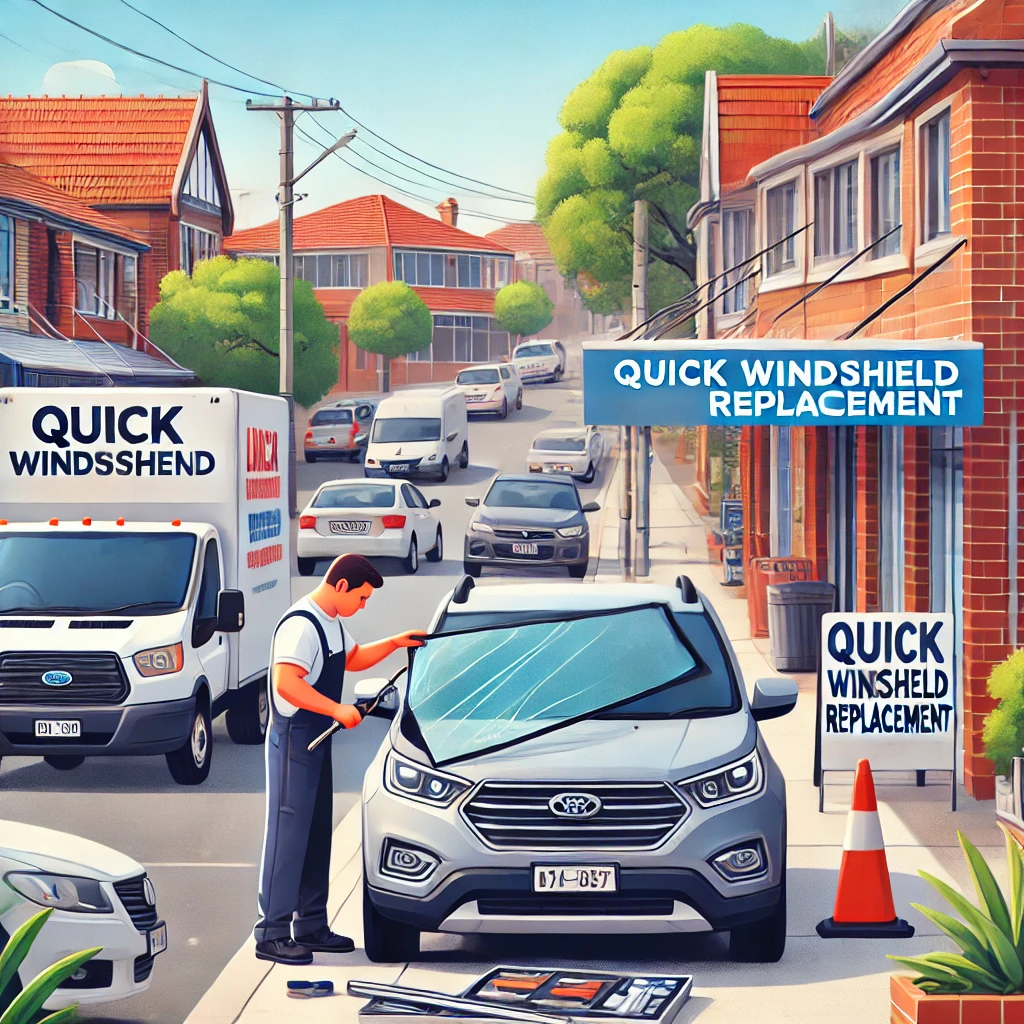
When a crack appears on your windscreen, the very first step is to gauge how serious it is. Cracks vary widely—from small chips that barely impair your view to long fractures that spiderweb across the glass. Look carefully at the size: anything under a dollar coin in diameter can sometimes wait for professional repair, whereas splits longer than three inches can compromise structural integrity. Also note the position: cracks in the driver’s line of sight are more dangerous than those at the edges, as they can distort your view, refract sunlight, or worsen under continuing vibrations.
Next, observe the shape and pattern of the crack. Straight cracks may be more predictable in how they expand, but star-shaped or branching fractures—often called spider cracks—can rapidly radiate under temperature changes or road bumps. If you’ve just experienced the crack, take a moment to run a fingertip (carefully) along its edge—if there are any loose glass particles or if the crack feels deep, you’re dealing with a more severe issue. By accurately assessing the severity of the crack, you’ll be better equipped to decide whether to continue driving slowly to the nearest safe location or to stop immediately and call for assistance.

Once you’ve determined the crack isn’t completely obstructing your view, focus on keeping your vehicle steady. A sudden windshield failure can startle you and cause erratic steering, so resist the urge to slam on the brakes. Instead, gently ease off the accelerator and maintain a steady, reduced speed. Keep both hands on the steering wheel in the classic “9 and 3” position to maximize control over any slight veering that may occur. If you have cruise control engaged, disable it—manually controlling your speed allows you to react more fluidly if the crack begins to worsen.
Stay aware of the traffic around you. Use your indicators early to signal intentions to other drivers and mirror checks should be constant but calm. If you notice vibrations or noises coming from the crack area—signs the windscreen is buckling—reduce speed further and prepare to find a safe spot. Above all, avoid sudden swerves or lane changes that could cause secondary accidents. By maintaining control of your vehicle and driving conservatively, you’ll minimize the risk of the crack spreading rapidly and ensure you can execute the next steps—such as finding a pull-over point—more smoothly.

Locating a secure spot to stop is critical. Highways often lack wide shoulders, so your priority is to identify an exit ramp, a rest area, or even a designated emergency bay. Signal your intent well in advance—preferably at least three to five seconds before you move off—to give following drivers ample warning. If you spot a gap in traffic, gradually coast into the shoulder, ensuring you don’t cross solid lines unreasonably. A gradual slowdown reduces shock to the windscreen as well.
Once you’ve pulled over, engage your hazard lights immediately to alert oncoming vehicles. Exit the highway if possible; stopping on the shoulder is a last resort. If no exit is available within a safe distance, position your car as far from traffic lanes as you can, ideally with a barrier between you and fast-moving vehicles. Wear a high-visibility vest if you have one, and place warning triangles at recommended distances—usually 45 to 90 meters behind your vehicle on highways—to maximize visibility. With a safe place secured, you’re now ready to address temporary repairs or call for help.
When you’re safely off the highway, a quick temporary repair can slow the crack’s expansion until professional help arrives. Carrying a basic windscreen repair kit in your glove compartment pays dividends in emergencies. Typical kits include resin, an applicator, and curing strips. Clean the crack gently with the provided alcohol wipe to remove dust and moisture, then inject the resin into the fracture using the suction tool. Allow the resin to fill the crack completely before placing the curing strip over it.
After applying the resin and curing strip, park the car in a shaded spot to let the resin set—bright sunlight can help harden the material, but excessive heat may cause the resin to cure unevenly. Following the kit instructions, wait the recommended time—often around 10 to 15 minutes—before removing the strip and wiping away any excess resin. Remember, this is a stopgap, not a permanent fix. The repair merely slows crack propagation and improves visibility, giving you a safer window to drive to a professional service center.
If your vehicle’s warranty or insurance policy includes roadside assistance, call the designated number once you’re off the traffic lane. Provide your exact location, nature of the damage, and whether you need a tow or just a safe escort to a service station. Should the crack be severe enough to compromise visibility or risk complete windscreen failure, don’t hesitate to contact emergency services. Describe your situation clearly—mention that you’re dealing with “What to do if your windscreen cracks while driving on a highway” and that you need immediate help to avoid endangering yourself or others.
While waiting, remain inside your vehicle if traffic conditions are unsafe outside. Keep hazard lights active and doors locked. If you must exit—perhaps to place warning triangles—do so from the side away from traffic and wear high-visibility clothing. Having roadside assistance en route provides peace of mind; they can either repair on the spot, tow you to a shop, or suggest local professionals equipped for windscreen replacement. Acting quickly and efficiently when contacting help ensures you’re back on the road—or safely off it—as soon as possible.
Driving with a damaged windscreen isn’t just an irritation—it’s a genuine hazard. A crack can weaken the structural support the windscreen provides, particularly in the event of a rollover or collision. During frontal impacts, the windscreen helps to distribute force and keeps airbags correctly deployed. A compromised windscreen may fail to support the roof, increasing the risk of cabin collapse. Even at highway speeds, wind pressure can cause the crack to spread rapidly, potentially shattering the glass entirely.
Beyond structural concerns, visibility issues pose immediate threats. Sunlight or oncoming headlights refracted through the fracture lines can dazzle the driver, blur vision, or create distracting patterns on the glass. Water ingress during rain can obscure sightlines, and temperature variations—like driving through a tunnel or under a bridge—can make the glass expand and contract, worsening the crack. Knowing these risks underscores why it’s crucial to act on “What to do if your windscreen cracks while driving on a highway” without delay.
Once you’ve performed a temporary fix, arrange for a professional inspection as soon as possible. Certified technicians use specialized tools—such as vacuum burrs to clean out debris and high-potency resins to fill cracks—to guarantee a lasting repair. For larger fractures or those in critical viewing areas, full windscreen replacement may be the only safe option. Replacement ensures glass integrity and restores the vehicle’s original safety specifications, including proper adhesion around the frame.
Choose a reputable service center that uses OEM (Original Equipment Manufacturer) glass and adhesive. While mobile repair units can be convenient, ensure they adhere to manufacturer guidelines for curing time and environmental conditions. Ask about warranties: many repair shops offer a lifetime guarantee against crack spread or resin discoloration. Proper professional attention not only secures your safety but also preserves the resale value and structural integrity of your vehicle for the long term.
Immediately after the crack occurs—and before any repair work—document everything for insurance claims. Use your smartphone to take clear, well-lit photographs of the crack from multiple angles, including close-ups and wider shots that show its location on the windscreen. Record the date, time, and exact highway location where the damage happened. Note any contributing factors, such as road debris or extreme weather. If other vehicles were involved or if there were witnesses, collect names and contact details.
Contact your insurer to report the incident and ask about coverage for repair versus replacement. Many comprehensive auto policies cover windscreen damage with minimal or no deductible. Submit your photos and any relevant receipts—such as for your temporary repair kit—along with a concise written statement. A well-documented claim speeds up the approval process and reduces the chance of disputes, ensuring you receive prompt reimbursement or direct billing to the service center.
Prevention is always better than cure. Regularly inspect your windscreen for small chips—these minor blemishes can quickly develop into larger cracks if left unattended. Wash and wax your car routinely to remove abrasive grime and to protect the glass surface. Be mindful when driving behind large trucks or construction vehicles that can fling stones or debris; maintain a safe following distance of at least three to four seconds. In colder climates, avoid using boiling water to defrost your windscreen—rapid temperature changes can induce stress fractures.
Invest in quality windshield protection films or even a bug and stone deflector for your bonnet if you frequently travel on gravel or rural roads. Park in covered or shaded areas whenever possible to minimize thermal shock from direct sunlight or temperature swings. Finally, keep a basic emergency kit in your vehicle—complete with a repair resin kit, high-visibility vest, and reflective warning triangles—so you’re always prepared for “What to do if your windscreen cracks while driving on a highway” and can act swiftly if the unexpected happens again.
Cracks in your windscreen can turn a routine highway journey into a tense and hazardous ordeal. By quickly assessing the damage, maintaining vehicle control, and finding a safe stopping point, you can minimize risks and safeguard everyone on board. Temporary repairs and timely calls to roadside assistance buy you the time needed to reach a professional repair center.
Understanding the structural and visibility dangers of cracked glass underscores the importance of prompt action. Documenting the incident helps streamline insurance claims, while preventive measures—like keeping distance from debris-prone vehicles and regular inspections—reduce the likelihood of future cracks. Armed with this guide on “What to do if your windscreen cracks while driving on a highway,” you’ll be ready to tackle windscreen emergencies with confidence and calm.
Book your appointment now and get 10% discount.
And give us google 5 Stars feedback and get a free drink on us.
MAKE APPOINTMENT


