 Aussie AutoGlass
 - May 20, 2025
- By 60 Minute Website Challenge
- In Costs & Pricing
- 835
- 0

As you navigate the roads of life, safeguarding your vehicle becomes an inevitable part of the journey. Yet, as we approach 2025, the cost of maintaining one crucial component of our cars—the windscreen—is projected to rise significantly. This isn’t just a matter of inconvenience; it’s a financial reality that many will soon face. Understanding the whys and hows behind the windscreen cost increase 2025 presents can prepare you for these changes and help you make informed decisions when managing your auto expenses.
Delving into the factors driving these price hikes reveals a complex web of influences. Technological advancements, environmental regulations, and shifts in global supply chains all play pivotal roles. As car manufacturers integrate sophisticated sensors and innovative materials into windscreens, it’s not just your view of the road that’s changing—it’s the entire landscape of automotive costs. By understanding what’s driving the price, you can better anticipate future trends and budget accordingly, ensuring you’re not caught off guard by this evolving economic landscape.
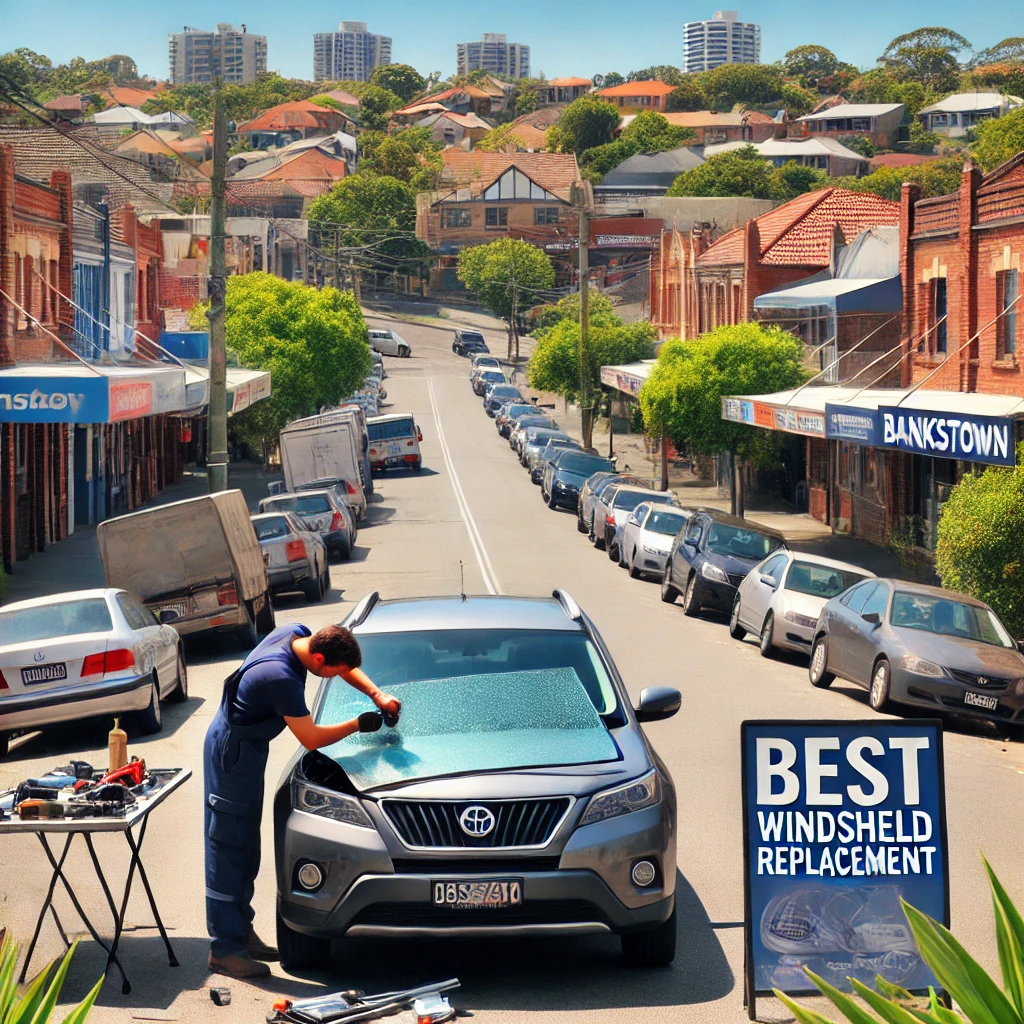
Over the past decade, windscreens have evolved from simple safety barriers into complex, multi-functional components. Technological advancements—such as heads-up displays (HUDs), embedded defrosting wires, and acoustic laminated glass—have greatly enhanced visibility, thermal comfort, and cabin quietness. However, these innovations come at a price. Manufacturers invest heavily in research and development to perfect these systems, passing on portions of these R&D costs to consumers. Additionally, precision manufacturing techniques and specialized machinery are required to integrate these features seamlessly into the windshield structure.
As a result, owners now see higher bills when repair or replacement is needed. The question on many minds is: “Windscreen cost increase 2025 – what’s driving the price?” The answer lies in the sophistication of these technological advancements. Laser-assisted edge bonding, precision-molded glass curvature, and multi-layer interlayers with noise-damping properties all demand advanced tooling and skilled labor. Furthermore, warranty and quality-control measures have tightened, leading to more rigorous testing and certification processes that add to overall manufacturing and distribution expenses. All these factors combine to elevate the retail cost of a modern windscreen, reflecting the significant leap from the basic glass panes of yesteryear to the intelligent, multi-sensor units of today.

Global efforts to reduce carbon emissions and promote sustainability have a direct impact on windscreen manufacturing. Stricter environmental regulations require glassmakers to use lower-emission furnaces and invest in cleaner production technologies. These green upgrades—while beneficial for the planet—come with substantial capital outlay. As factories retrofit equipment to comply with new standards, they must recover these investments, often leading to increased prices for end products, including windscreens.
Moreover, stringent recycling mandates in many regions now require manufacturers to take back and recycle old windscreens rather than send them to landfill. Implementing take-back programs, setting up specialized recycling facilities, and ensuring compliance with hazardous waste handling add layers of logistical complexity and cost. From the collection and transportation of used glass to the installation of purification systems for separating coatings and adhesives, each step introduces incremental expenses. Ultimately, these environmental measures—designed to protect ecosystems—contribute to higher production and disposal costs, which get reflected in the retail pricing of windscreens by 2025.

The COVID-19 pandemic and geopolitical tensions have reshaped supply chains worldwide, impacting everything from raw materials to finished automotive components. Windscreen production relies heavily on a steady supply of high-grade silica, specialized polymers for interlayers, and precise chemical treatments for coatings. Disruptions in one link of this chain can create bottlenecks and price spikes.
Shipping costs have surged due to container shortages and port congestion, while regional lockdowns have forced intermittent factory closures. As suppliers struggle to secure materials at stable costs, manufacturers face unpredictable input prices. To hedge against further volatility, many producers build buffer stocks or seek alternative sources, both strategies that incur additional carrying or logistics expenses. These measures, while necessary for supply security, feed directly into higher consumer prices for windscreens in 2025.
Modern windscreens are no longer mere sheets of glass; they are platforms for advanced driver-assistance systems (ADAS). Embedded sensors—including rain detectors, light sensors, and forward-facing cameras—are integral to functions like automatic wipers, lane-keep assist, and collision warning.
The integration of these sensors requires precision alignment and calibration. Technicians must use specialized equipment to ensure that cameras and sensors are correctly positioned and synchronized with vehicle control systems. Calibration adds labor time and requires highly trained personnel, both of which increase replacement and repair costs. Consequently, the added value of enhanced safety and convenience comes at a premium when it’s time to replace your windscreen.
To meet evolving safety standards and consumer expectations, manufacturers are experimenting with new materials. Acoustic interlayers reduce cabin noise, nano-ceramic coatings protect against UV and scratches, and flexible polymer films increase impact resistance. While these materials deliver significant performance improvements, they also carry higher production costs compared to traditional laminated glass.
For example, glass embedded with graphene-based layers offers superior strength and clarity, but sourcing and handling graphene remain expensive due to limited large-scale production capacity. Similarly, advanced adhesives that bond multiple layers of glass and polymer for optimal energy absorption demand precise formulations and stringent quality controls. These material innovations drive windscreen cost increases by 2025, reflecting the balance between cutting-edge performance and the realities of manufacturing economics.
Looking ahead, several trends are poised to influence windscreen pricing beyond 2025. The rise of electric and autonomous vehicles will likely accelerate the adoption of sophisticated windshield technologies, such as HUDs projecting augmented reality navigation. These advanced features will demand even more precise manufacturing processes and specialized materials, potentially driving prices higher.
Conversely, increased automation in glass fabrication—through robotic handling and AI-driven quality inspections—could help control unit costs over time. Localization of production, with factories closer to key markets, may reduce logistics expenses and exposure to shipping disruptions. However, any savings achieved through automation or reshoring must offset the growing complexity of next-generation windshield functions. As such, consumers should anticipate moderate to steady price increases, rather than sharp spikes, as the industry balances innovation with cost efficiency.
As windscreens become more technologically advanced and expensive, proactive budgeting is essential. First, review your auto insurance policy to understand coverage for glass repair and replacement. Many comprehensive plans include full or partial coverage for windscreen damage, but deductibles and policy limits vary. Opting for limited or zero-excess glass cover can minimize out-of-pocket costs, though premiums may be slightly higher.
Next, consider establishing an emergency auto repair fund. Setting aside a small monthly contribution—whether in a separate savings account or a digital wallet—can accumulate over time, offering a financial cushion when unexpected windshield repairs arise. Additionally, explore membership programs or prepaid maintenance plans offered by dealerships or auto clubs. These programs often bundle services at a discounted rate and can include free chips or crack repairs, helping to mitigate the impact of future price increases.
The rise in windscreen costs is just one facet of a broader shift in vehicle ownership expenses. Fuel prices, insurance premiums, and maintenance costs are all subject to global economic trends and regulatory changes. To adapt, consider a holistic approach to car ownership. Conduct a total cost of ownership analysis, factoring in depreciation, fuel efficiency, and maintenance forecasts over your intended ownership period.
Exploring alternative mobility options—such as car-sharing, ride-hailing, or subscription-based vehicle plans—can also provide flexibility. These models often include maintenance and roadside assistance in the monthly fee, shifting the burden of rising component costs away from individual drivers. By evaluating usage patterns and lifestyle needs, you can choose a mobility solution that mitigates exposure to price volatility in any single area, including windscreen replacements.
Staying ahead of windscreen issues can reduce repair costs and extend the life of your windshield. Regularly inspect your windscreen for small chips or cracks, especially after encountering debris or rough road conditions. Addressing minor damage promptly with a DIY repair kit or a professional service can prevent cracks from spreading, avoiding the need for full replacement.
When replacement is unavoidable, shop around for quotes from multiple reputable providers. Compare OEM (original equipment manufacturer) versus aftermarket options, weighing cost savings against potential differences in fit and quality. Read customer reviews and verify credentials like ADAS calibration certification if your vehicle relies on sensor-based driver-assistance features. Finally, ask about warranties on both materials and labor to ensure peace of mind should faults arise after installation.
As windscreens evolve into complex, multi-functional components, their replacement costs are set to rise. By understanding the interplay of technology, regulations, supply chains, and materials, you can anticipate these changes and budget effectively.
Embrace preventive maintenance, explore insurance options, and seek competitive quotes to manage expenses. With informed decisions and strategic planning, you can navigate the financial challenges of windscreen cost increases in 2025 and beyond.
Book your appointment now and get 10% discount.
And give us google 5 Stars feedback and get a free drink on us.
MAKE APPOINTMENT


