 Aussie AutoGlass
 - November 17, 2025
- By feng gao
- In EV Car windscreen replacement, mobile windscreen replacement, Mobile windscreen replacement in Blacktown
- Tags repair near me, windscreen repair, WINDSCREEN REPLACEMENT
- 147
- 0

Imagine driving on a frosty winter morning in Australia, and your breath creates a cloud of mist on the inside of your windscreen. With the flick of a switch, the heated windscreen clears the fog in seconds, offering you clear visibility and a safer drive. But what happens when this vital component fails? The cost of replacing a heated windscreen in Australia can be a daunting prospect for many drivers, particularly if it catches you off guard. This crucial aspect of vehicle maintenance is often overlooked until it becomes an immediate need.
Understanding the financial implications and the logistical process of replacing a heated windscreen is essential for any car owner. Various factors such as vehicle make and model, windscreen technology, and even your location within Australia can significantly influence the replacement cost. By shedding light on these costs and what drivers can expect, this blog post aims to equip you with the knowledge to make informed decisions, ensuring that unexpected expenses don’t leave you out in the cold. Let’s delve into the ins and outs of maintaining that crystal-clear view through your heated windscreen.
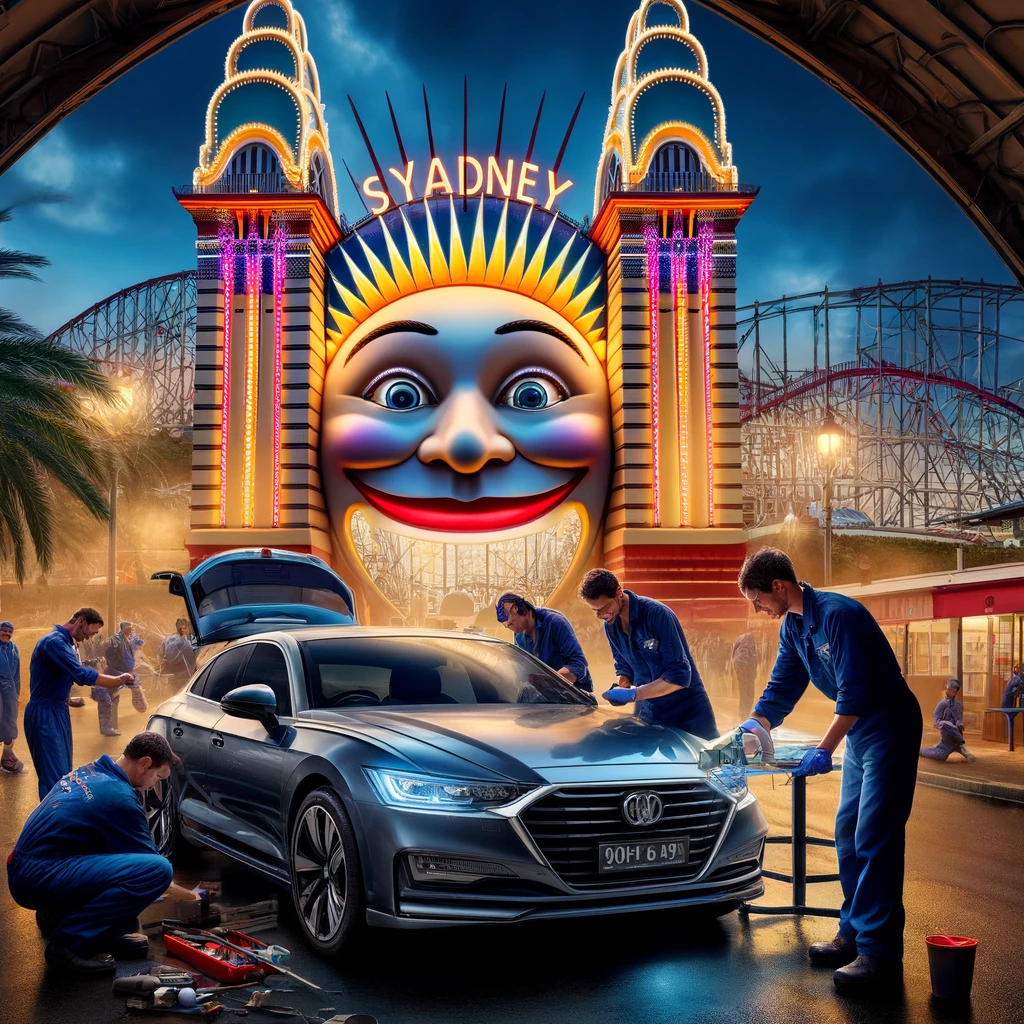
When assessing the cost of replacing a heated windscreen in Australia, multiple factors come into play. First and foremost is the type of glass and heating elements embedded within. Premium OEM (Original Equipment Manufacturer) glass will generally be pricier than aftermarket alternatives, though it often carries warranties and precise fitment advantages. Another key factor is labour costs, which can vary widely depending on the complexity of installation, the technician’s experience, and whether calibration of advanced driver-assistance systems (ADAS) is required post-installation.
Additional considerations include the supply chain and availability of parts. In remote regions or for rare vehicle models, sourcing the correct heated windscreen can add days to delivery times and incur freight surcharges. Insurance coverage and the presence of excess payments or policy limitations can also influence your out-of-pocket expense. Finally, seasonal demand, especially during winter months, may drive up service rates at repair shops. By being aware of these influencing factors, you can better anticipate the overall budget needed for this important safety component.

Heated windscreens are more than just glass—they integrate micro-thin conductive layers or fine wires to evenly distribute heat across the pane. This technology accelerates defrosting, removes condensation quickly, and enhances driver visibility. High-end systems even couple with sensors to activate heating automatically when moisture levels rise inside the cabin.
Modern heated windscreens may also interface with your vehicle’s electrical system and computer modules. This connectivity ensures optimal energy management and prevents battery drain, while also safeguarding against overheating. The complexity of these systems means that replacing a heated windscreen involves not only physical installation but also electrical diagnostics to ensure proper function.
On average, the cost of replacing a heated windscreen in Australia falls between AUD 600 and AUD 1,500. Basic aftermarket units for common vehicle models may start around AUD 600–800, including labour, whereas premium OEM replacements or those for luxury brands can exceed AUD 1,200. For specialty vehicles—vintage cars, high-end European imports, or models with bespoke curved glass—the price may climb further due to limited part availability and higher manufacturing costs.
Labour rates also vary by city and service centre, so a metropolitan repair shop in Sydney or Melbourne may charge more per hour than regional workshops. Some dealers incorporate calibration fees for ADAS features like lane-keep assist and rain sensors, adding another AUD 150–300 to the final invoice. Always request a detailed quote outlining parts, labour, and any additional calibration or testing fees to avoid surprises when settling the bill.
The make and model of your vehicle play a pivotal role in determining how much you’ll pay for a heated windscreen replacement. Mainstream brands like Toyota, Ford, or Holden often have widely available aftermarket glass options, making the cost relatively lower and turnaround times faster. In contrast, luxury marques such as BMW, Mercedes-Benz, Audi, or Tesla typically require proprietary OEM components, which can command a premium price tag.
Sportscar and performance vehicle owners should also factor in specialized windscreen shapes—panoramic and curved designs increase manufacturing complexity. Some models include integrated heads-up displays or infrared sensors that require precise alignment. Therefore, when budgeting for replacement, confirm whether your vehicle’s windscreen is standard or features custom elements, and whether recalibration of ADAS cameras or sensors is mandatory. This due diligence helps to ensure the quoted cost accurately reflects your vehicle’s specific requirements.
Beyond basic heating elements, additional features embedded in modern windscreens can escalate costs. Tinted or UV-blocking layers, acoustic dampening treatments, and integrated antennae for infotainment or GPS services all add manufacturing and installation complexity. These enhancements deliver better comfort and functionality but come at a higher price point.
For instance, acoustic glass to reduce road and engine noise can increase part costs by up to 20%, while embedded satellite radio or GPS antennas might require extra calibration work after fitting. Some heated windscreens also include rain sensors that automatically control wipers; replacing these sensors or reprogramming their functions post-installation could add further labour fees. When planning your budget, account for any such features your existing windscreen possesses, as they will directly influence the final invoice.
The cost of replacing a heated windscreen in Australia isn’t uniform nationwide. Urban centres like Sydney, Melbourne, and Brisbane generally feature higher labour rates and service fees compared to regional towns or rural areas. Conversely, regional workshops may offer competitive pricing but have longer delivery times for parts, which could extend the vehicle’s downtime.
Additionally, remote locations can incur freight and logistics surcharges if parts must be flown or trucked over long distances. Some insurers have preferred networks in metropolitan regions, leading to discounted labour rates or express service options, whereas policyholders in remote regions might not have access to these benefits. To minimise cost and inconvenience, shop around for quotes in both nearby cities and country centres, and ask about delivery lead times and freight fees when seeking estimates.
Driving with a cracked or faulty heated windscreen can compromise your safety and lead to legal ramifications. A damaged windscreen may impair defrosting and de-mist functionality, reducing visibility during cold or humid conditions. In Australia, law enforcement can issue fines if visibility obstruction is deemed hazardous, and some states mandate windscreen repairs or replacements within a specified timeframe.
From a safety perspective, a properly functioning heated windscreen not only clears fog and ice swiftly but also contributes to the structural integrity of your vehicle in a collision. Windscreens play a crucial role in airbag deployment and roof support during rollovers. By addressing issues promptly, you safeguard both yourself and your passengers while ensuring compliance with state road safety regulations.
Attempting a DIY heated windscreen replacement may seem like a way to save on labour costs, but it comes with significant risks. Professional technicians possess the specialised tools, materials, and expertise to correctly remove old glass, fit a new pane, and calibrate embedded sensors. They also carry insurance that covers potential damage to your vehicle during installation.
On the flip side, a DIY approach may reduce initial outlay—but can void warranties, compromise safety, and lead to leaks or electrical failures if done improperly. Calibration of ADAS components is especially critical; even slight misalignments can render lane-keep assist or forward-collision warning systems unreliable. Ultimately, entrusting replacement to certified professionals often yields peace of mind, a valid warranty, and adherence to manufacturer specifications.
Planning ahead can help you avoid a financial shock when the time comes to replace your heated windscreen. Start by requesting quotes from multiple reputable repair shops and dealerships—compare not just the total cost, but also the breakdown of parts, labour, calibration fees, and any warranties offered. Inquire about low-season discounts or package deals that include other glass repairs.
Consider setting up a dedicated car maintenance fund, allocating a small amount each month toward potential windscreen replacement. Review your insurance policy to understand coverage limits and excess amounts for windscreen claims. If your insurer offers a no-excess glass coverage option, it may be worth a slight premium increase to eliminate out-of-pocket expenses. Finally, maintain your windscreen properly—clean it regularly, address minor chips promptly, and avoid slamming doors that can cause stress cracks—to extend its lifespan and minimise future costs.
In summary, the cost of replacing a heated windscreen in Australia is influenced by a range of factors, from the make and model of your vehicle to the technology and location of installation. By understanding these variables, comparing quotes, and planning ahead, drivers can mitigate unexpected expenses and ensure continued safety on the road.
Timely replacement not only keeps your visibility crystal-clear but also maintains legal compliance and the structural integrity of your vehicle. Whether opting for OEM glass or quality aftermarket alternatives, investing in professional installation and calibration is key to preserving the full functionality of your heated windscreen and advanced safety features.
Book your appointment now and get 10% discount.
And give us google 5 Stars feedback and get a free drink on us.
MAKE APPOINTMENT


