 Aussie AutoGlass
 - May 19, 2025
- By lingquqing
- In mobile windscreen replacement, Mobile windscreen replacement in Blacktown, Windscreen replacement near me, windscreens-tinting
- Tags autoglass replacement, repair near me, WINDSCREEN REPLACEMENT
- 279
- 0
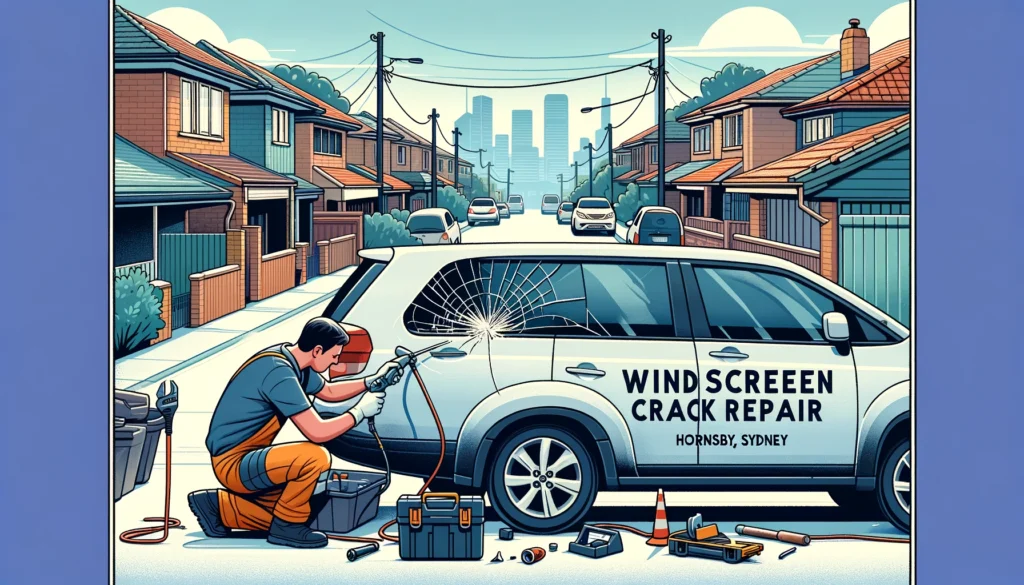
In a bustling city like Sydney, where the skyline is constantly evolving, the need for sustainable practices has never been more pressing. Amid the towering skyscrapers and bustling streets, a quiet revolution is underway—one that promises to redefine how we view auto repair and maintenance in an eco-conscious era. The rise of eco-friendly auto glass recycling and repair in Sydney is not just a trend; it’s a testament to the city’s commitment to sustainability and innovation. As environmental concerns take center stage, local businesses are adopting green practices that significantly reduce waste and promote a cleaner, healthier environment.
Imagine a world where every cracked windshield doesn’t automatically end up in a landfill but instead finds new life through innovative recycling processes. This isn’t merely wishful thinking—it’s happening right now in Sydney. Auto glass specialists are not only perfecting techniques to repair rather than replace, but they’re also transforming discarded glass into valuable resources. By embracing eco-friendly auto glass recycling and repair, Sydney is setting a benchmark for other cities, blending modern technology with eco-consciousness to create a sustainable urban landscape. As we delve deeper into this transformative movement, it’s clear that the future of auto glass repair is not just about fixing what’s broken but reshaping industries with green-minded strategies.

The traditional disposal of auto glass has long been an overlooked contributor to environmental degradation. Every year, thousands of tonnes of windshields, side windows, and rear glass panels are hauled off to landfills across Australia, with Sydney accounting for a sizable share. Auto glass, predominantly composed of laminated or tempered glass, resists natural breakdown. The sheer volume filling up landfill cells accelerates land scarcity and forces municipalities to allocate more space for waste, impacting habitats and green corridors. Moreover, disposal sites often lack measures to prevent fine silica and other particulate matter from leaching into soil and waterways.
Additionally, the energy embedded in manufacturing auto glass—ranging from mining raw silica to melting and tempering processes—is effectively wasted when glass ends up in dumps. Decomposing glass poses minimal biological threat, but the absence of an integrated recycling process overlooks the opportunity to recoup this energy investment. Chemical adhesives and sealants used in laminated windshields may introduce toxins into the environment over time, contaminating runoff and harming local ecosystems. The growing volume of automotive scrap reveals a pressing need for alternative disposal and recycling pathways to mitigate these environmental burdens.

Over the past decade, Sydney has seen a surge in eco-friendly auto glass recycling and repair practices as businesses and government bodies collaborate to reduce waste. Specialized recycling centers now accept used windshields and side windows, employing mechanical and chemical processes to separate glass from polymer interlayers. Advanced glass crushing systems produce cullet—small, cleaned glass fragments—suitable for remanufacturing or incorporation into construction materials. These pioneering facilities mark a departure from simplistic landfill disposal, paving the way for a circular economy in the auto glass sector.
Workshops across Sydney have embraced these processes, offering vehicle owners the option to recycle old glass when replacing windshields. Many advertise “green” certifications and proudly use recovered cullet in new glass production or partner with glass product manufacturers. By choosing eco-friendly auto glass recycling and repair Sydney services, consumers directly support this shift. Community awareness campaigns, often led by environmental NGOs, educate motorists on drop-off locations and the benefits of glass recycling, accelerating the adoption of greener disposal methods.
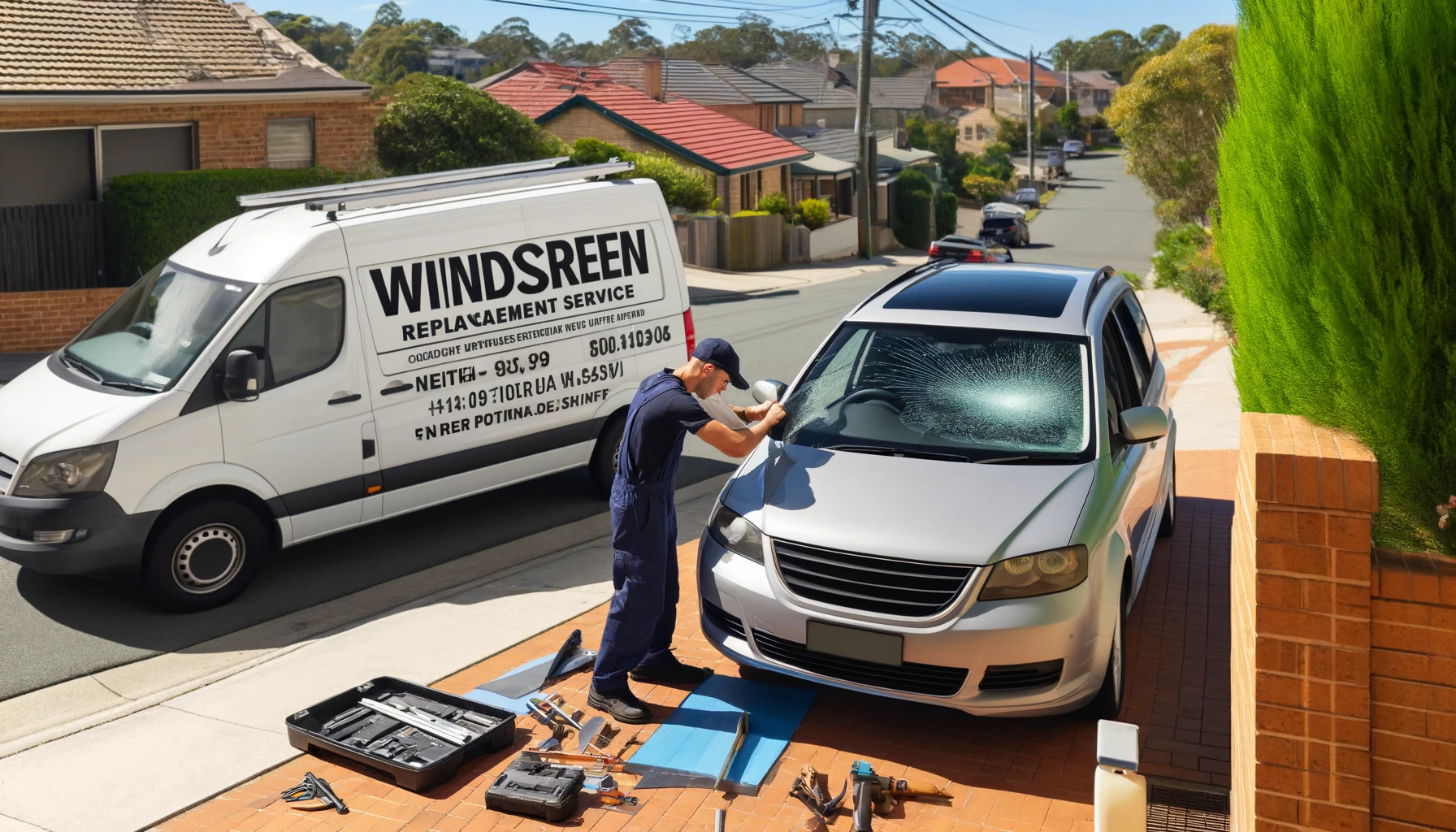
Repairing auto glass rather than replacing it offers significant environmental and financial benefits. Small chips and cracks, when treated promptly, can be restored using high-strength resin injections that stabilize the damaged area. This approach preserves the original windscreen, reducing demand for new glass production and saving raw materials such as silica, soda ash, and limestone. By repairing instead of discarding, energy consumption associated with melting and tempering fresh glass is cut by nearly 50% per repair, substantially lowering carbon emissions tied to manufacturing.
Moreover, repair techniques are often quicker and more cost-effective for vehicle owners. A typical repair takes 30–60 minutes, minimizing downtime compared to full replacements, which can require hours to complete and additional calibration for driver-assistance systems. Eco-friendly auto glass recycling and repair Sydney specialists use non-toxic resins and environmentally conscious adhesives, further enhancing the green credentials of repair jobs. This synergy of economic savings and ecological stewardship drives more individuals to opt for repair over replacement.
Recycled auto glass has transcended simple reclamation processes, finding its way into innovative products that benefit multiple industries. In Sydney, builders incorporate recycled cullet into countertops, decorative tiles, and terrazzo flooring, capitalizing on its durability and aesthetic appeal. Architectural firms are also experimenting with blasting glass into fine beads for use as reflective road surfaces, enhancing nighttime visibility and safety. These creative applications demonstrate that end-of-life auto glass can become a resource rather than refuse.
Local entrepreneurs have even developed specialty insulation materials and fiberglass reinforcements using melted cullet combined with binding agents. The resulting composites offer excellent thermal and acoustic properties, ideal for residential and commercial construction projects. By channeling unwanted windshields into such ventures, Sydney firms reduce pressure on virgin materials and foster a localized circular economy. These innovations highlight how eco-friendly auto glass recycling and repair Sydney initiatives extend far beyond workshop walls, influencing product design and urban infrastructure.
Advances in repair and recycling technology underpin the green transformation of Sydney’s auto glass industry. Automated glass inspection systems use high-resolution cameras and AI algorithms to detect microfractures invisible to the human eye, ensuring precise resin application. Laser-assisted cutting tools produce clean edges with minimal waste, enabling workshops to reclaim larger glass sections for refurbishment. These technologies boost repair success rates and expand the range of recoverable glass, reinforcing the case for conservation over replacement.
On the recycling front, state-of-the-art crushers equipped with magnetic separators eliminate metal contamination, yielding purer cullet streams ready for direct reintegration into glass furnaces. Novel ultrasonic separation techniques dissolve polymer interlayers without harsh chemicals, minimizing secondary pollution. Mobile repair units, fitted with these digital and mechanical systems, bring sustainable auto glass services directly to customers across Sydney, reducing transport emissions and making eco-friendly auto glass recycling and repair more accessible than ever.
Partnerships between auto manufacturers, repair chains, and environmental NGOs have been instrumental in promoting greener glass practices. Major dealerships in Sydney have signed on to take-back schemes, ensuring every replaced windshield is routed to certified recyclers. Environmental organizations provide auditing and certification services, helping workshops adhere to best-practice guidelines and achieve green accreditation. This collaborative framework builds trust with consumers and sets industry benchmarks for responsible waste management.
Joint campaigns, such as “Green Glass Week” events, highlight the benefits of eco-friendly auto glass recycling and repair initiatives. During these awareness drives, participating garages offer discounted inspections and demonstrations of eco-repair techniques. By rallying industry stakeholders—from glass suppliers to advocacy groups—these alliances accelerate the uptake of sustainable solutions and reinforce Sydney’s reputation as a leader in automotive environmental stewardship.
The Australian federal government, alongside New South Wales authorities, has implemented regulations to curb automotive waste and promote recycling. Landfill levies make the disposal of non-ferrous materials like auto glass increasingly expensive, encouraging businesses to seek alternative pathways. Meanwhile, the National Waste Policy sets a target of 70% resource recovery by 2025, explicitly including glass in its scope. Compliance with these mandates spurs innovation in recycling infrastructure and green service offerings.
Grants and incentives further bolster eco-friendly auto glass recycling and repair Sydney enterprises. Subsidized loans for installing advanced crushers or resin injection equipment lower upfront capital barriers, while tax credits reward companies meeting stringent recycling quotas. Workshops that achieve certification under the Australian Mobile Waste Industry Code of Practice enjoy preferential access to government contracts and promotional support, solidifying the economic case for sustainable auto glass solutions.
Sydney motorists are increasingly aligning their purchasing decisions with environmental values, driving demand for recycled and repaired auto glass. Surveys show that nearly 60% of drivers would prefer a repair service using reclaimed materials if it matched the quality of new glass. Social media influencers and eco-blogs amplify these preferences by showcasing successful repair stories and highlighting the lifecycle benefits of recycled glass. As word spreads, green auto glass services become a competitive differentiator for local garages.
Customer education plays a pivotal role. Workshops host open days where consumers can witness recycling processes firsthand, from glass sorting to resin application. Transparent pricing and clear explanations of environmental impacts empower motorists to make informed choices. With rising urban awareness of climate change and waste reduction, demand for eco-friendly auto glass recycling and repair Sydney solutions continues to climb, encouraging more businesses to adopt green practices.
Despite significant progress, several hurdles remain. Technically, ensuring complete separation of polymer interlayers from laminated windshields requires precision and investment in specialized equipment. Contamination with adhesives, metal shims, and embedded sensors can compromise the purity of recycled cullet, limiting its reuse in high-quality applications. Workshops must adhere to rigorous cleaning protocols, adding labor and operational complexity.
Financially, small repair shops often struggle with the upfront costs of installing crushers, resin injection machines, and mobile units. While government incentives help, navigating grant applications and certification processes can be daunting. Distribution logistics also present challenges—collecting used glass from scattered locations and transporting it to recycling centers increases operational expenses. Overcoming these barriers will demand continued collaboration, investment, and consumer support to scale sustainable auto glass solutions across Sydney.
Eco-friendly auto glass recycling and repair Sydney initiatives are more than a passing fad—they represent a fundamental shift in how we manage resources and protect our environment. By prioritizing repair over replacement, harnessing innovative recycling technologies, and fostering cooperation between industry and government, Sydney is charting a course toward a circular automotive economy.
The journey is not without its challenges, but the collective momentum is undeniable. As consumer demand grows and regulatory frameworks tighten, sustainable auto glass solutions will become the norm rather than the exception. In embracing this green revolution, Sydney proves that urban progress and environmental stewardship can go hand in hand.
Book your appointment now and get 10% discount.
And give us google 5 Stars feedback and get a free drink on us.
MAKE APPOINTMENT


