 Aussie AutoGlass
 - July 22, 2025
- By lingquqing
- In mobile windscreen replacement, Mobile windscreen replacement in Blacktown, windscreen replacement
- 936
- 0

Imagine cruising down the scenic roads of New South Wales, reveling in the beauty of lush landscapes and coastal views, only to suddenly hear that all-too-familiar sound of a pebble hitting your windscreen. At first, it might seem like a minor inconvenience—a small chip or crack that won’t significantly impact your day. But here’s a crucial consideration: could this seemingly insignificant damage influence something as vital as your car’s registration status? This is precisely the concern many drivers grapple with, yet few understand the potential implications as they navigate the intricacies of automotive regulations.
In NSW, maintaining car registration isn’t just about keeping your number plates in order; it encompasses a broader range of vehicle safety checks and requirements. A frequently asked question arises: does windscreen damage affect car registration in NSW? It’s a topic that intertwines safety, legal regulations, and our everyday driving experience. Whether you’re a seasoned driver or a novice behind the wheel, understanding how a simple crack in your windscreen might ripple into significant administrative challenges is essential. Join us as we delve into the complexities of this issue, shedding light on what you need to know to avoid unexpected hiccups in your vehicle’s registration journey.

As you drive down the scenic route on your daily commute, a tiny pebble suddenly hits your windscreen, leaving an unsightly crack in its wake. At first glance, it might seem like a mere cosmetic blemish, but ignoring it could compromise your safety and lead to more significant issues down the road. Understanding whether your windscreen requires a simple repair or a complete replacement is crucial—not just for maintaining the structural integrity of your vehicle, but also for your peace of mind. In today’s blog, we’ll delve into how to tell if your windscreen needs repairing or replacing, ensuring you’re well-equipped to make the best decision for your car’s health.
Navigating the world of auto repairs can often feel like deciphering a foreign language. So many factors come into play: the size and location of the damage, weather conditions, and even your insurance policy. Knowing exactly when to intervene can save you from costly mistakes and unnecessary stress. But worry not—by the end of this guide, you’ll have the clarity to assess the situation confidently. Buckle up as we explore this essential aspect of car maintenance, ensuring you’re always one step ahead on the road to safety.
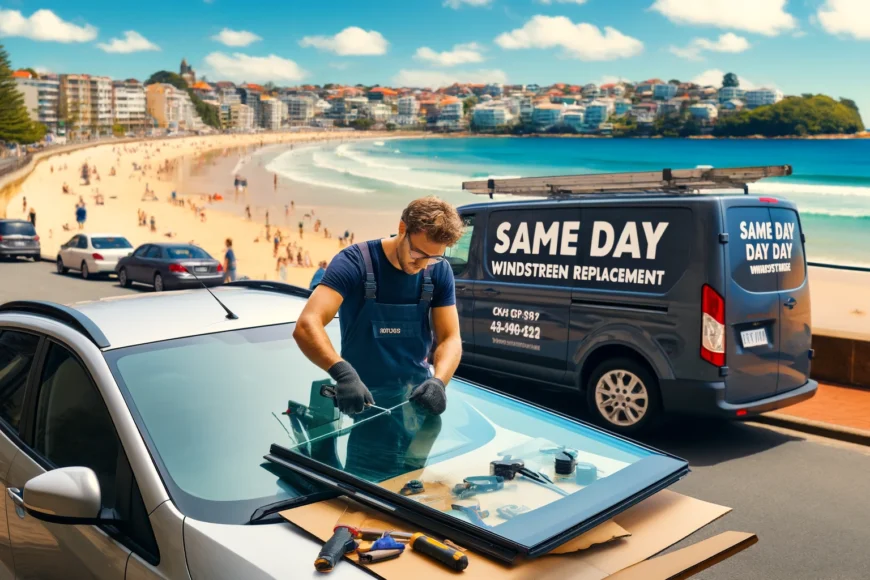
Imagine driving your vehicle after having its windscreen replaced, only to realize that the advanced driver-assistance systems (ADAS) aren’t functioning as they should. It’s unsettling, isn’t it? This scenario is more common than you might think, and it highlights a crucial aspect of modern vehicle maintenance that many drivers overlook: the necessity for recalibration. As vehicles evolve into sophisticated machines equipped with intricate technologies designed to keep us safe, understanding the implications of every repair, like a windscreen replacement, becomes imperative.
The integration of ADAS in vehicles has revolutionized road safety, offering features such as lane departure warnings, adaptive cruise control, and automatic emergency braking. These systems rely heavily on sensors and cameras, often mounted on or around your windscreen. So, the question arises: “Do you need calibration after replacing a car windscreen with ADAS?” The answer might surprise you. Many drivers are unaware that even a small misalignment can render these vital systems ineffective. In this blog post, we’ll delve into why calibration is not just a recommendation but a necessity, ensuring your vehicle’s safety features function optimally after any windscreen replacement.
Book your appointment now and get 10% discount.
Give us 5 STARs feedback on google and a free drink on us.
MAKE APPOINTMENT


Imagine cruising down the scenic roads of New South Wales, reveling in the beauty of lush landscapes and coastal views, only to suddenly hear that all-too-familiar sound of a pebble hitting your windscreen. At first, it might seem like a minor inconvenience—a small chip or crack that won’t significantly impact your day. But here’s a crucial consideration: could this seemingly insignificant damage influence something as vital as your car’s registration status? This is precisely the concern many drivers grapple with, yet few understand the potential implications as they navigate the intricacies of automotive regulations.
In NSW, maintaining car registration isn’t just about keeping your number plates in order; it encompasses a broader range of vehicle safety checks and requirements. A frequently asked question arises: does windscreen damage affect car registration in NSW? It’s a topic that intertwines safety, legal regulations, and our everyday driving experience. Whether you’re a seasoned driver or a novice behind the wheel, understanding how a simple crack in your windscreen might ripple into significant administrative challenges is essential. Join us as we delve into the complexities of this issue, shedding light on what you need to know to avoid unexpected hiccups in your vehicle’s registration journey.
As you drive down the scenic route on your daily commute, a tiny pebble suddenly hits your windscreen, leaving an unsightly crack in its wake. At first glance, it might seem like a mere cosmetic blemish, but ignoring it could compromise your safety and lead to more significant issues down the road. Understanding whether your windscreen requires a simple repair or a complete replacement is crucial—not just for maintaining the structural integrity of your vehicle, but also for your peace of mind. In today’s blog, we’ll delve into how to tell if your windscreen needs repairing or replacing, ensuring you’re well-equipped to make the best decision for your car’s health.
Navigating the world of auto repairs can often feel like deciphering a foreign language. So many factors come into play: the size and location of the damage, weather conditions, and even your insurance policy. Knowing exactly when to intervene can save you from costly mistakes and unnecessary stress. But worry not—by the end of this guide, you’ll have the clarity to assess the situation confidently. Buckle up as we explore this essential aspect of car maintenance, ensuring you’re always one step ahead on the road to safety.
Imagine driving your vehicle after having its windscreen replaced, only to realize that the advanced driver-assistance systems (ADAS) aren’t functioning as they should. It’s unsettling, isn’t it? This scenario is more common than you might think, and it highlights a crucial aspect of modern vehicle maintenance that many drivers overlook: the necessity for recalibration. As vehicles evolve into sophisticated machines equipped with intricate technologies designed to keep us safe, understanding the implications of every repair, like a windscreen replacement, becomes imperative.
The integration of ADAS in vehicles has revolutionized road safety, offering features such as lane departure warnings, adaptive cruise control, and automatic emergency braking. These systems rely heavily on sensors and cameras, often mounted on or around your windscreen. So, the question arises: “Do you need calibration after replacing a car windscreen with ADAS?” The answer might surprise you. Many drivers are unaware that even a small misalignment can render these vital systems ineffective. In this blog post, we’ll delve into why calibration is not just a recommendation but a necessity, ensuring your vehicle’s safety features function optimally after any windscreen replacement.