
ADAS & Vehicle Technology
55 articles
 Windscreen replacement
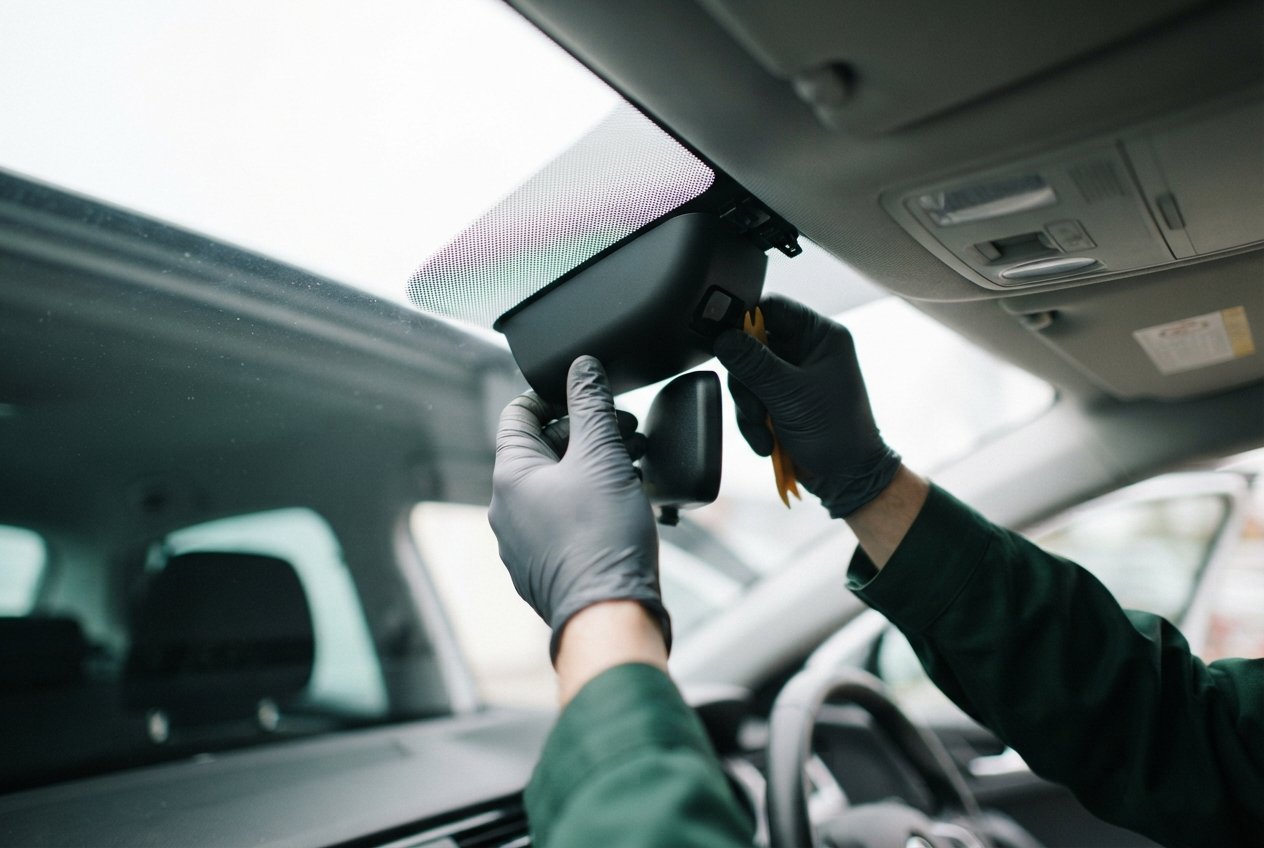
Navigate Windscreen Replacement for Cars with Rain and Light Sensors Effortlessly
Replacing a windscreen with rain and light sensors: choosing compatible glass, handling the sensors, calibration and testing after the job.
Read article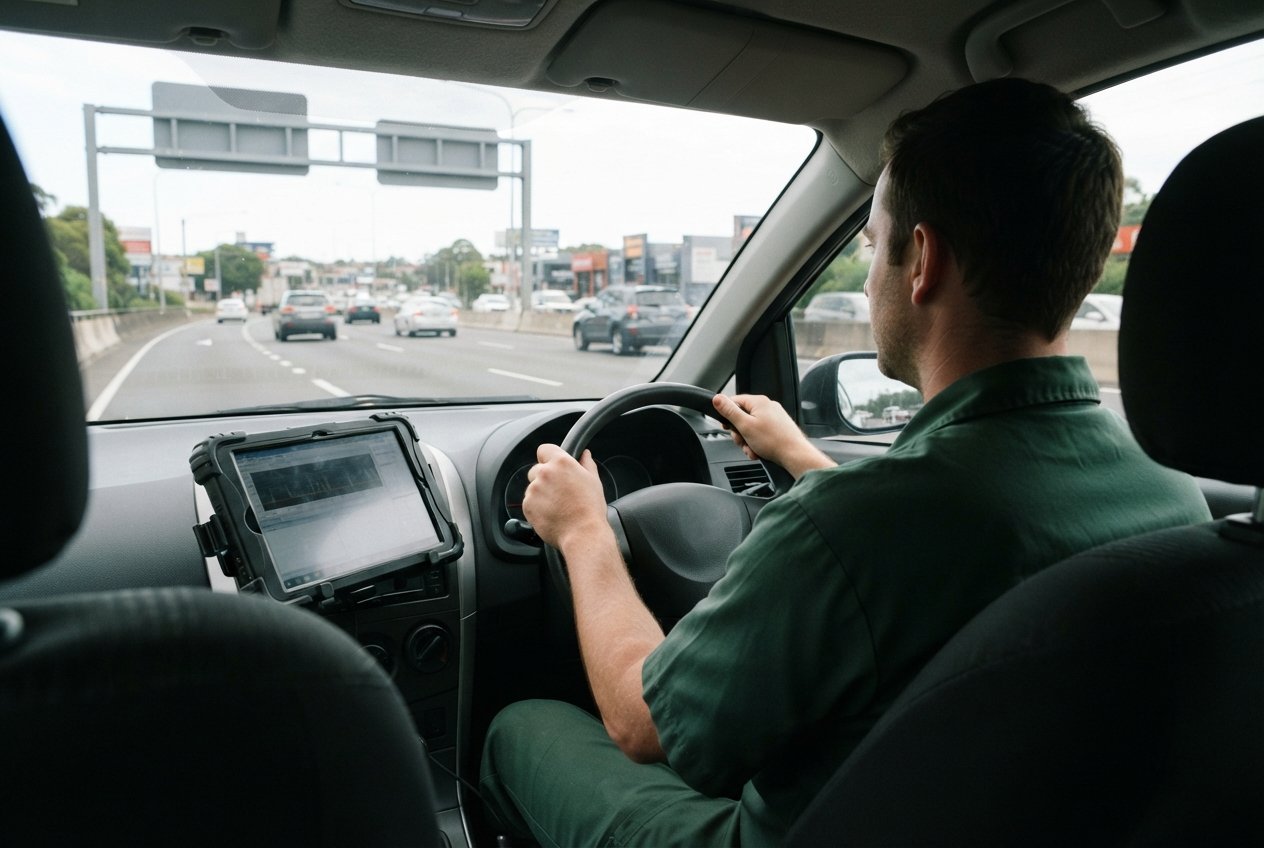 ADAS calibration
Mastering ADAS: How to Check if Your Windscreen Needs Recalibration
Picture this: you're confidently cruising down the highway, relying on your car's advanced driver-assistance systems (ADAS) to keep you safe and your journey smooth. Suddenly, a small stone chips your windscreen. It's an inconvenience, but you brush it off—after all, it's just a bit of glass damage, right? Unbeknownst to many, that seemingly insignificant chip could disrupt the calibration of your vehicle’s ADAS sensors, compromising the very technology meant to protect you. Understanding how to check if your windscreen needs ADAS recalibration is crucial to ensuring these systems operate flawlessly.<br/> <br/>In the world of modern automotive innovation, ADAS has become a lifeline for drivers, reducing collision risks and enhancing road safety. However, maintaining this technology isn't as straightforward as one might think. Many drivers overlook the need for recalibration after windscreen repairs or replacements, not realizing the potential impact it can have on vehicle performance. This blog post delves into the essentials of identifying when a recalibration is necessary, empowering you with the knowledge to safeguard your driving experience and trust in your vehicle's capabilities. Whether you're a seasoned driver or new to today’s tech-savvy cars, understanding this process is vital for both your safety and peace of mind.
Read article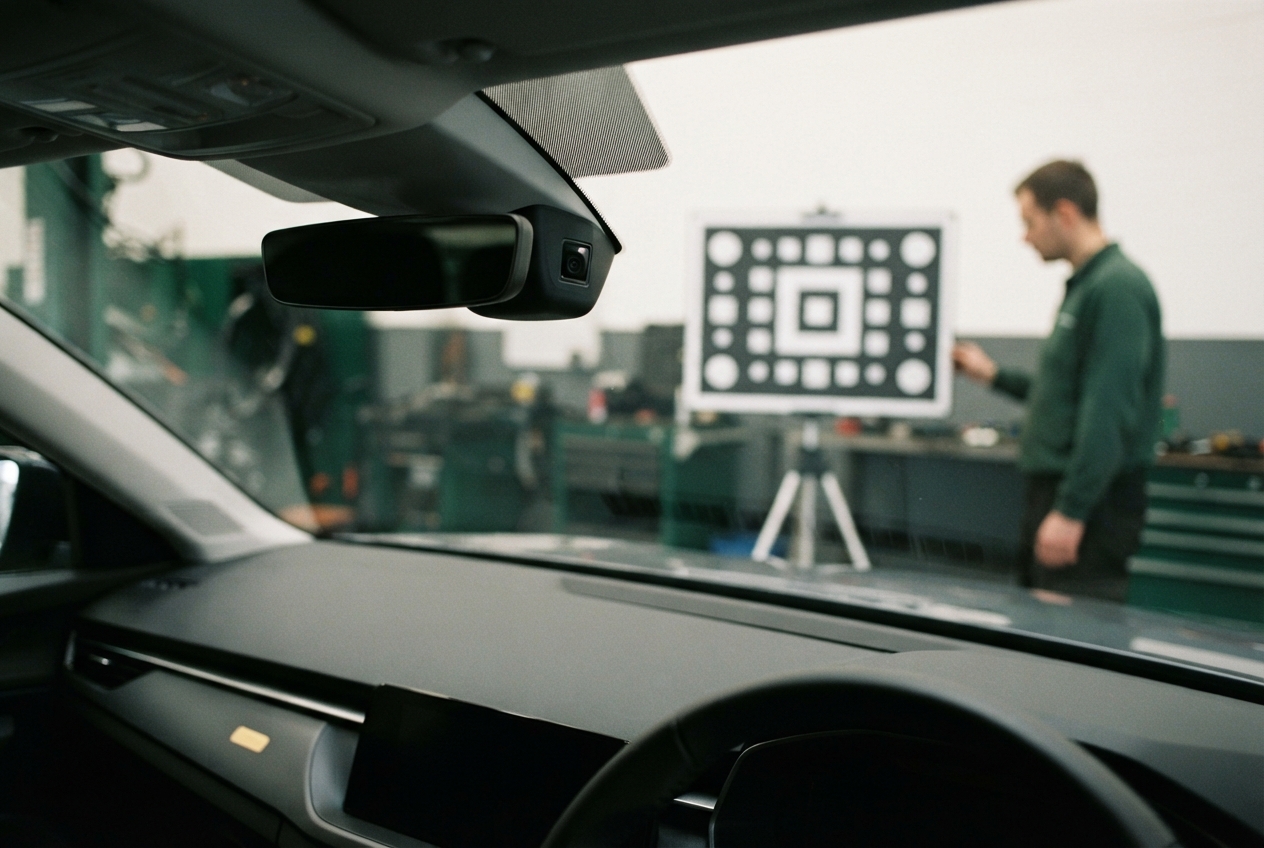 Windscreen replacement
Essential Guide: Windscreen Replacement for Vehicles with Heads-up Display (HUD)
In the ever-evolving world of automotive technology, vehicles now come equipped with some of the most advanced features designed to enhance driving experiences while prioritizing safety. One such innovation is the heads-up display (HUD), which projects critical information like speed and navigation onto the windscreen, keeping drivers informed without the need to divert their gaze from the road. However, when that visually transformative interface is compromised due to a cracked or damaged windscreen, the task of replacement is not as straightforward as it might once have been.<br/> <br/>Imagine cruising down the highway, your vision seamlessly integrated with essential data floating before you. Now picture the disruption when a single chip in the windshield distorts this digital symphony. Replacing windscreens for vehicles with heads-up displays demands a nuanced understanding of both the technological intricacies involved and the potential costs. This essential guide will shed light on everything you need to know about navigating the complex terrain of windscreen replacement for vehicles with heads-up display (HUD), helping you maintain the clarity and functionality that modern driving demands.
Read article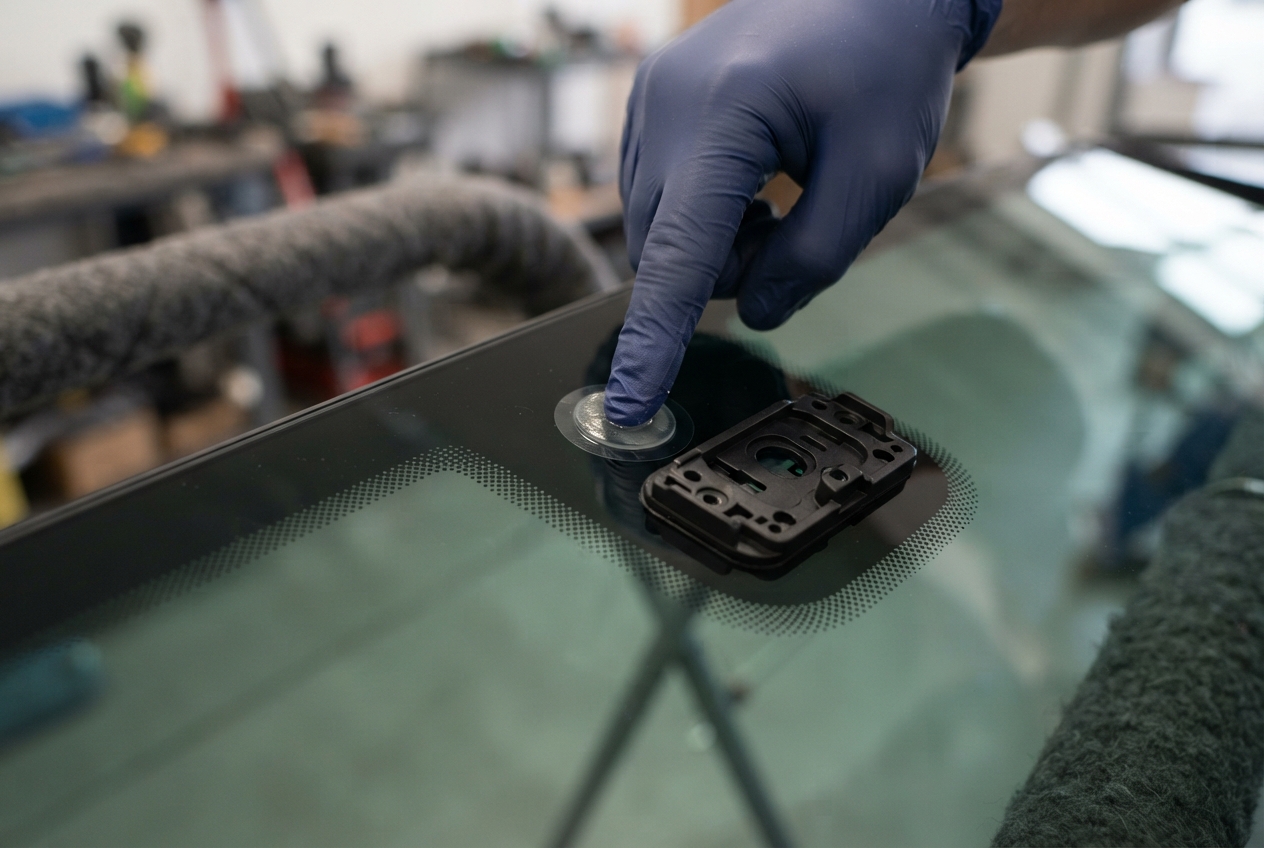 ADAS calibration
Do You Really Need Windscreen Recalibration for Subaru EyeSight
Why Subaru EyeSight cameras need recalibration after a windscreen replacement, the warning signs, and how the calibration process works. From Aussie AutoGlass.
Read article Windscreen replacement
Smart Guide to Windscreen Replacement for Vehicles with Rain Sensors
Imagine this: you're driving down the road on a gloomy day, rain softly tapping against your vehicle, when suddenly your wipers spring to life, perfectly maintaining your view of the path ahead. This seamless experience is thanks to the marvels of rain sensors integrated into modern vehicles. However, what happens when your windscreen gets damaged and needs replacing? The process isn't as straightforward as it used to be. Enter the smart guide to windscreen replacement for vehicles with rain sensors—your roadmap to maintaining both safety and technology.<br/> <br/>Replacing a windscreen has always been a critical task, but with the added complexity of rain sensors, it demands a nuanced approach. Statistics indicate that more than 30% of new vehicles come equipped with these advanced sensors, making it crucial for car owners to understand the specific steps involved in maintaining their vehicle's functionality. Without the right knowledge, you could end up with a faulty system or a hefty service bill. This guide dives deep into the essentials of this modern-day car maintenance, ensuring you're well-prepared for any situation. Whether you're a seasoned enthusiast or a cautious first-time car owner, this post will equip you with all the insights needed for a smooth windscreen replacement journey.
Read article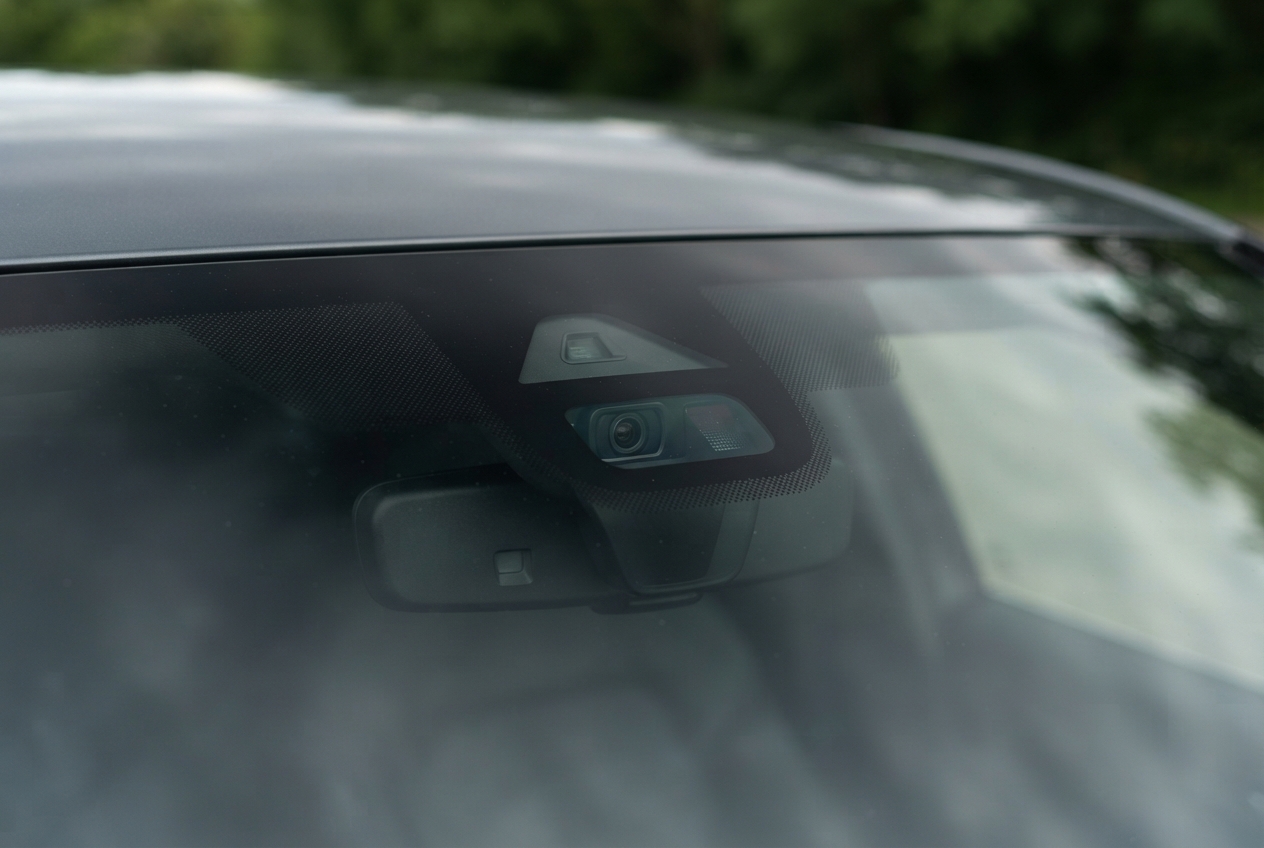 ADAS calibration
Windscreen Recalibration: Essential Step After Glass Replacement
Imagine driving down a scenic route, the landscape unfolding before you, when suddenly, the unthinkable happens—a stray pebble strikes your car's windscreen, leaving an unsightly crack. The need for glass replacement becomes unavoidable, but have you ever considered what follows next? In today's world, where vehicle technology is advancing at lightning speed, merely replacing the windscreen is not enough. What if we told you that neglecting the crucial step of windscreen recalibration could potentially compromise your car's safety features? <br/> <br/>Windscreen recalibration is not just a technicality; it’s an essential procedure to ensure your vehicle's advanced driver-assistance systems (ADAS) operate correctly. These systems—such as lane departure warnings and adaptive cruise control—rely on a precisely calibrated windscreen to function safely and effectively. Without this critical step, you may be inadvertently risking your safety. So, is windscreen recalibration needed after glass replacement? Absolutely. It’s time to delve into why this process is indispensable for maintaining the integrity and safety of your vehicle.
Read article
Ready to book?
Wherever you are in greater Sydney, we’ll come to you with a clear quote and no surprises.