 Aussie AutoGlass
 - November 27, 2025
- By feng gao
- In windscreen maintenance, windscreen replacement, windshield repair near me
- Tags autoglass replacement, Same day repaire, windscreen repair
- 146
- 0

In today’s fast-evolving automotive world, modern cars are equipped with remarkable technology designed to enhance driving comfort and safety. Among these advancements are rain and light sensors, ingeniously integrated into the windscreen to automatically adjust wipers and headlights, ensuring optimal visibility regardless of the weather or time of day. However, when it comes to windscreen replacement for cars with rain and light sensors, this sophisticated technology presents a unique set of challenges that can be daunting for any car owner.
Imagine driving down the highway when suddenly a stray pebble catapults into your windshield, leaving a noticeable crack. In that moment, your mind races with the potential complexities of replacing not just any windscreen, but one that houses intricate sensors responsible for your vehicle’s seamless functionality. It’s essential to understand the nuances of this process to avoid costly mistakes and ensure that your car’s high-tech features continue to operate flawlessly. This blog aims to demystify the replacement journey, offering you practical insights and expert solutions to navigate through what might initially seem like an intimidating task.

Modern vehicles rely on rain and light sensors embedded in the windscreen to automate critical functions and enhance safety. The rain sensor typically uses infrared LEDs and photodiodes to detect water droplets on the windshield surface. When rain or moisture disrupts the infrared light’s reflection, the sensor triggers the wipers at an appropriate speed without requiring driver intervention. Conversely, the light sensor measures ambient light levels outside the car. By gauging light intensity, it automatically toggles the headlights on or off and adjusts dashboard illumination to suit changing driving conditions, ensuring optimal visibility at dusk, dawn, or in tunnels.
Integrating these sensors into the windscreen requires precision calibration and careful alignment. Each sensor module sits behind specialized glass coatings or film layers that focus or diffuse light as needed. This precise layering ensures reliable readings but also means that any damage to the windscreen can misalign or contaminate the sensor’s field of view. Therefore, when pursuing windscreen replacement for cars with rain and light sensors, both the glass substrate and sensor housing must be matched exactly to the original equipment manufacturer (OEM) specifications. Understanding this interplay between glass optics and electronic sensing is the foundation for a smooth, hassle-free replacement process that retains full functionality of your vehicle’s intelligent features.

Spotting the early warning signs that your windscreen requires replacement is crucial, especially when sophisticated rain and light sensors are at stake. Small chips or cracks might seem superficial, but any damage near the sensor modules or along the glass edges can compromise their accuracy. For instance, cracks extending vertically near the top of the windshield—where rain sensors are typically mounted—can scatter infrared beams and cause erratic wiper activation. Similarly, chips or delamination around the light sensor area can skew ambient light readings, leading to headlights that flicker unexpectedly or remain off when you need them most.
In addition to sensor-related issues, broader safety concerns demand prompt attention. Extensive cracks that obstruct your field of vision, spiderweb patterns radiating from a single impact point, or persistent chips that resist repair indicate structural weakening. Even if the sensors appear unaffected, a compromised windshield can shatter catastrophically in a collision, risking injury. Keep an eye out for bubbling or warping of the glass, which might signal manufacturing defects or prolonged exposure to heat and moisture. If you experience sudden sensor malfunctions—such as wipers that run without rain or headlights that behave erratically—these could be telltale signs that your windshield’s internal coatings or adhesives have deteriorated, necessitating a full windscreen replacement for cars with rain and light sensors to restore safe and reliable operation.
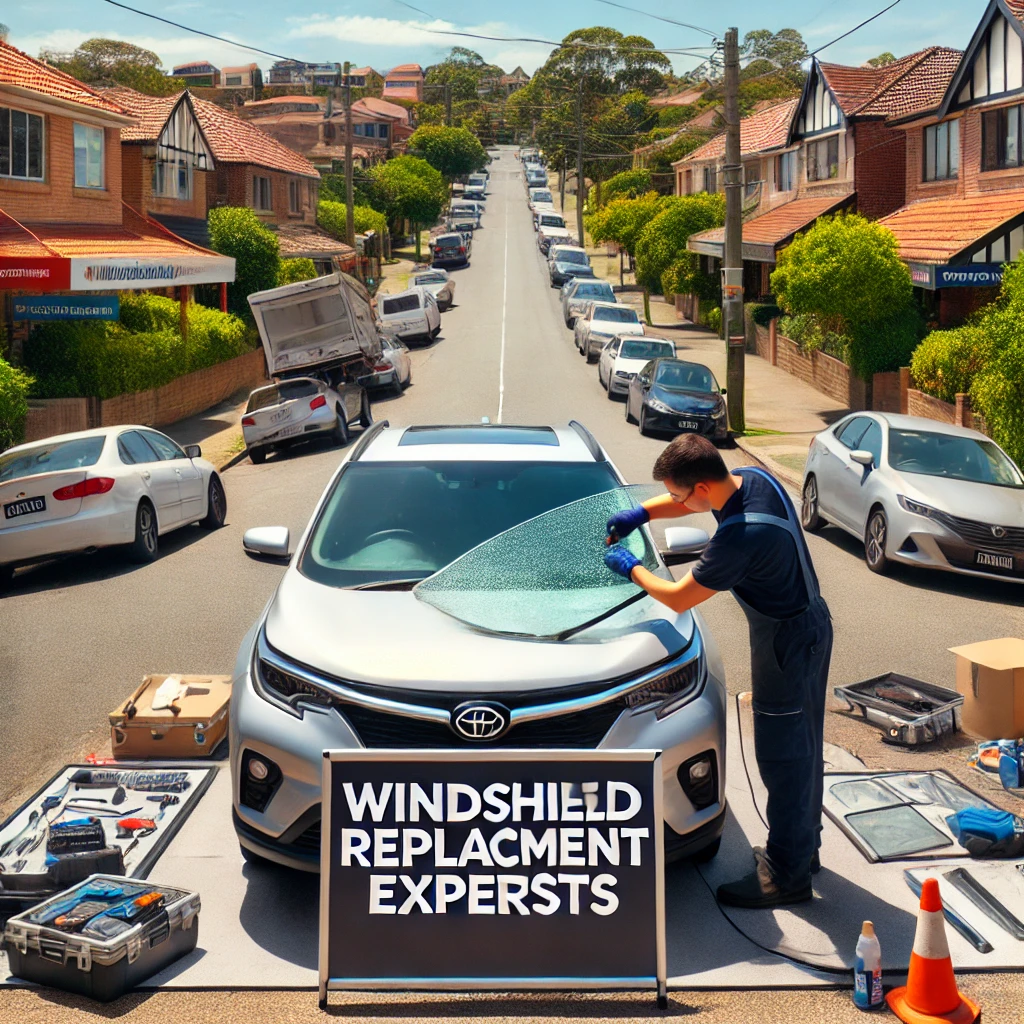
Choosing the right service provider is a critical step in ensuring your sophisticated rain and light sensor system remains fully functional after a glass replacement. Start by seeking certified technicians who have explicit experience with sensor-equipped windshields. Many auto glass shops focus solely on standard replacements and may lack the specialized training needed to handle sensor integration and calibration. Look for workshops that advertise OEM glass matching and sensor calibration as part of their core services. Additionally, read customer reviews and testimonials to gauge their track record in handling vehicles with advanced driver-assistance systems (ADAS).
Cost is important, but it shouldn’t be the sole determining factor. A low quote may mask hidden fees for calibration equipment rental or additional labor if they need to subcontract the sensor work. Request a detailed estimate that breaks down glass quality, adhesive type, sensor recalibration, and any warranty coverage. A reputable provider will offer a written guarantee for both the glass installation and your rain and light sensor performance. Finally, inspect the workspace if possible—clean, well-lit facilities with modern calibration bays indicate a commitment to precision and quality, which translates to peace of mind that your windscreen replacement for cars with rain and light sensors will be handled by true professionals.
Selecting the right replacement windscreen goes beyond matching the make and model of your vehicle. OEM-spec glass for windscreen replacement for cars with rain and light sensors must have the precise optical properties, thickness, and sensor mounting areas. Aftermarket glass may be cheaper, but even slight variations in tint, curvature, or sensor cut-out dimensions can cause misalignment or false readings. These discrepancies can compromise the effectiveness of your wipers and headlights, negating the benefits of the original rain and light sensor technology.
Always opt for windscreen glass that carries an OEM part number or is approved by reputable third-party manufacturers with a proven track record in ADAS compatibility. Verify that the replacement pane includes pre-installed sensor mounts, sensor film layers, and accurate reference markings that guide precise calibration. If you can’t source OEM glass, make sure the alternative carries markings showing it meets the Australian Standard for automotive safety glass (AS/NZS 2080). By taking these compatibility measures, you protect both your safety and the investment you’ve made in advanced automotive sensory technology.
Proper preparation ensures a smooth windscreen replacement process and safeguards the intricate rain and light sensors. Begin by parking your vehicle on a level surface indoors or under shelter to avoid temperature extremes that can affect adhesive curing times. Clear the dashboard and front seats of personal items—loose objects can obstruct the technician’s work area and accidentally scratch the new glass.
Next, inspect the existing windshield and its sensor assemblies. Note any visible wear or damage on mounting brackets or sensor housings and mention these to your service provider. If your car has a protective film or tint, discuss whether it should be removed beforehand. Certain films can interfere with sensor calibration or adhesive bonding. Finally, review the technician’s work plan: confirm the type of urethane adhesive they’ll use, the expected curing time before driving, and any necessary sensor initialization steps. By taking these preparatory measures, you minimize delays, ensure proper handling of your vehicle’s sophisticated sensor array, and set the stage for a successful windscreen replacement for cars with rain and light sensors.
Removing and reinstalling rain and light sensors demands meticulous care to avoid damage or misalignment. Before detaching the windshield, the technician must disconnect the sensor wiring harnesses and label each connector precisely. This step prevents cross-wiring errors that could cause sensors to malfunction. When the old glass is removed, sensors should be carefully unbolted or unhooked from their mounting brackets, ensuring no bends or scratches occur on the delicate plastic housings.
During the installation of the new windscreen, sensors must be repositioned exactly according to the manufacturer’s alignment marks. Even a few millimetres off-centre can impair the sensor’s field of view, leading to false triggers or no activation at all. Technicians should use calibrated fixtures or laser alignment tools to secure sensors in the correct orientation before bonding the glass in place. This ensures optimal functionality of the automated wiper and headlight systems immediately after installation.
Once the replacement windscreen is bonded, electronic calibration is essential to restore sensor accuracy. Rain sensors require sensitivity adjustments so that they detect water film thickness precisely. Technicians typically run an automated calibration routine using diagnostic software that communicates with your vehicle’s onboard computer. During this process, the sensor emits test pulses of infrared light and measures the reflected signal to determine the proper threshold settings for different rainfall intensities.
Light sensors also undergo calibration to match ambient light conditions. Using a lux meter or built-in calibration mode, the system records light readings in various scenarios—daylight, dusk, and tunnel lighting—to set appropriate trigger points for headlight activation. This ensures that your headlights engage exactly when needed, without delay or premature flickering. Proper calibration not only restores sensor reliability but also safeguards against increased glare or reduced visibility that could stem from misaligned settings. Calibration costs vary by vehicle and are quoted separately; Aussie AutoGlass coordinates with specialist calibration providers where it’s needed.
Validating sensor performance is the final checkpoint before you drive away. For the rain sensor, technicians spray a fine, uniform mist or use specialized calibration spray to simulate rainfall on the windshield. The wipers should initiate at varying speeds corresponding to the droplet density. A successful test sees wipers responding smoothly without hesitation or excessive sensitivity.
Light sensor testing involves replicating changing light environments. Covering and uncovering the sensor to mimic tunnel entry and exit, or adjusting ambient light via portable lamps, should prompt the headlights to switch on and off immediately. Additionally, verify that daytime running lights and automatic high-beams (if equipped) operate correctly. A thorough testing sequence confirms that your windscreen replacement for cars with rain and light sensors has been done properly.
After replacing your windshield, proper maintenance ensures both the glass and embedded sensors continue functioning optimally. Clean the windscreen gently using non-ammonia window cleaners and a soft microfiber cloth. Abrasive cleaners or rough sponges can scratch the glass surface and damage sensor coatings. For the sensor mounting areas, use a mild, pH-neutral cleaner to avoid stripping protective films.
Inspect the adhesive bead around the windshield edges periodically for signs of peeling or moisture intrusion. Moisture beneath the adhesive can weaken the bond and distort sensor alignment. If you notice any lifting, have it resealed promptly. Additionally, avoid slamming doors or subjecting the windshield to sudden temperature changes—such as blasting hot defrost on an icy screen—as extreme thermal stress can cause micro-cracks that compromise both structural integrity and sensor accuracy.
Schedule regular diagnostic checks of your vehicle’s ADAS system, ideally during routine oil changes or service appointments. Technicians can identify early deviations in sensor readings and recalibrate as needed. By combining careful cleaning, visual inspections, and periodic professional assessments, you’ll preserve the longevity of your windscreen replacement for cars with rain and light sensors and continue enjoying automated comfort and safety for years to come.
Windscreen replacement for cars with rain and light sensors may seem complex, but understanding the technology, choosing the right glass, and working with certified professionals ensures a seamless result. By following the steps outlined—from spotting early signs of damage to precise sensor calibration—you protect both your vehicle’s safety systems and your peace of mind.
Investing time in proper installation and maintenance helps ensure that your automated wipers and headlights perform flawlessly, enhancing visibility and comfort on every drive. With the right approach, you can confidently navigate windscreen replacement and continue enjoying the advanced features that modern automotive technology offers.
Need a hand? Aussie AutoGlass provides a mobile service across greater Sydney. Windscreen replacement starts from $330, depending on your vehicle. Read more in our guide to resetting rain sensors and cameras after a windscreen replacement, or contact us for a quote.
Book your appointment now and get 10% discount.
And give us google 5 Stars feedback and get a free drink on us.
MAKE APPOINTMENT


