 Aussie AutoGlass
 - November 17, 2025
- By lingquqing
- In mobile windscreen replacement, Mobile windscreen replacement in Blacktown, windscreen replacement
- Tags Same day repaire, windscreen repair, windscreen tinting
- 195
- 0


Imagine driving your Subaru, confidently cruising down the highway, when suddenly, the EyeSight technology that you rely on for safety signals that it needs attention. Your heart skips a beat as you wonder if this is affecting the very features designed to protect you. In the realm of advanced driver-assistance systems (ADAS), EyeSight stands out for its precision and reliability, but there’s an essential component of maintenance that often goes overlooked: windscreen recalibration. Most drivers may not realize that even a simple windscreen replacement can impact the system’s accuracy. This leads us to ask, is windscreen recalibration required for Subaru EyeSight?
As our vehicles become more sophisticated with technology packed under the hood, ensuring these systems operate correctly is paramount. With Subaru’s EyeSight, each camera and sensor plays a vital role in maintaining optimal safety. A misalignment caused by a new windscreen may seem trivial, but it can significantly affect the system’s performance. Ignoring recalibration could mean the difference between a seamless drive and a potential hazard. Delving into the importance of windscreen recalibration unveils essential insights into how the smallest tweaks can ensure your vehicle remains a shield rather than a liability. As we unravel this often-ignored aspect of car maintenance, you’ll discover why recalibration is not just another service but a critical step for every Subaru owner.
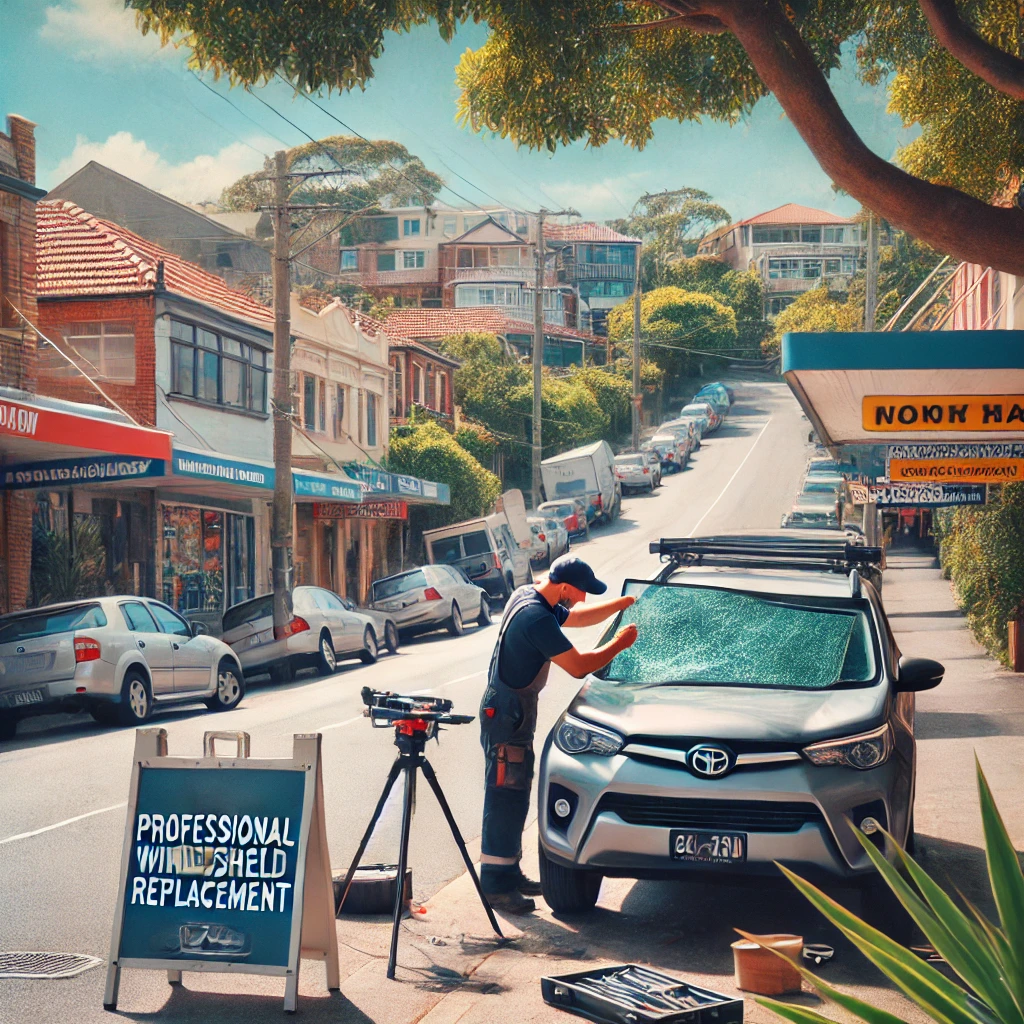
Subaru EyeSight is an advanced driver-assistance system (ADAS) that uses stereo cameras mounted near the rearview mirror to monitor traffic movement, optimize cruise control, and warn you if you sway outside your lane. The core of EyeSight’s operation relies on capturing precise, real-time images of the road ahead. These two cameras work in tandem like human eyes, providing depth perception that enables detection of vehicles, pedestrians, and other obstacles. The system’s algorithms then analyze this data to support features such as pre-collision braking, adaptive cruise control, lane departure warning, and lane keep assist.
Over the years, EyeSight has evolved through software updates and hardware refinements, earning high marks for safety performance. Its camera-based design sets it apart from radar-based systems, offering greater resolution and accuracy in identifying smaller objects. However, that precision also means that any change in the alignment or clarity of the cameras can have a direct effect on functionality. While drivers trust EyeSight to intervene in critical moments, maintaining the correct optical path is crucial. This is where windscreen recalibration comes into play—any disturbance to the camera’s mounting position or the quality of the glass can undermine the system’s effectiveness.

When a windscreen is replaced, even slight alterations in the angle or position of the glass relative to the EyeSight cameras can throw off calibration. The cameras sit just behind the windscreen, and an incorrectly installed or even marginally misaligned windshield can result in skewed imaging, reduced field of view, and inaccurate object distance calculations. Temperature fluctuations and vibrations during the replacement process can also introduce microscopic shifts in camera alignment.
Beyond alignment, the type and thickness of the glass matter. Subaru specifies certain windshield materials and coatings to ensure clarity for the cameras. An aftermarket windscreen lacking the precise refractive properties of the OEM glass could lead to distorted video feeds or interference with infrared illumination under low-light conditions. Such disruptions might cause the system to underperform or disable safety features entirely until recalibrated. This underlines why many technicians emphasize the critical link between windscreen integrity and EyeSight reliability.
Detecting the need for recalibration often begins with the EyeSight warning light appearing on your dashboard. But beyond that, there are practical indicators you can watch for in daily driving.
If your adaptive cruise control starts to behave erratically—such as sudden braking or failure to maintain set distance from the vehicle ahead—this can signal a misaligned camera view. Similarly, if lane departure warnings trigger without reason, or conversely, fail to alert when crossing markers, miscalibration is a likely culprit. Other red flags include pre-collision alerts sounding too late or not at all, and diminished performance in low-light or inclement weather when the cameras struggle more to capture clear images.
Safety is the foundation of Subaru’s brand promise, and EyeSight embodies that commitment. Windscreen recalibration ensures the stereo cameras have the correct sightlines and focal planes needed to detect hazards well in advance. With proper calibration, the system can reliably gauge distances, recognize various object types, and execute timely warnings or automatic braking. The difference between a precisely calibrated and a misaligned system could be measured in metres—or milliseconds—during a critical event.
In a collision, split-second responses dictated by EyeSight might be the difference between a near-miss and serious impact. Recalibration is therefore not an optional extra but a necessary safeguard to maintain full ADAS functionality. For families, commuters, and anyone prioritizing safety, neglecting this service introduces an unnecessary vulnerability on the road.
Windscreen recalibration typically begins with a diagnostic scan of the EyeSight system using Subaru’s specialized scan tool. Technicians verify current camera alignment and software versions, then install the windscreen if not yet in place. Following installation, calibration targets—standardized markers placed at specified distances—are positioned in front of the vehicle on a flat, controlled surface.
Using either static or dynamic calibration methods, the cameras are adjusted to accurately recognize the targets at the correct angles. Static calibration involves adjusting on fixed targets, while dynamic calibration uses precise driving maneuvers under controlled conditions to fine-tune the cameras in real-world scenarios. Technicians confirm success by running the system through self-tests. Once the EyeSight warning indicator turns off and all tests pass, the recalibration is complete, restoring full functionality of adaptive cruise control, lane-keeping assist, and other critical features.
The cost of windscreen recalibration for Subaru EyeSight can vary widely based on location, labor rates, and whether your windshield replacement and recalibration are bundled. If combined with a windscreen replacement, some dealers or certified service centers may offer a package deal, reducing the overall expense.While this might seem like an added fee, consider it an investment in your safety. Skimping on recalibration to save a few bucks can lead to costly repairs down the line if EyeSight-related errors cause accidents. Calibration costs vary by vehicle and are quoted separately; Aussie AutoGlass coordinates with specialist calibration providers where it’s needed. Any insurance excess depends on your individual policy, so it’s worth checking your policy documents or asking your insurer. Always confirm costs upfront and ask for detailed estimates so there are no surprises when the bill arrives.
Attempting a do-it-yourself calibration is strongly discouraged. While basic windshield installations might be feasible for some, Subaru’s EyeSight recalibration requires proprietary software, precise alignment tools, and certified technicians. Even tiny deviations can go unnoticed without specialized equipment, leading to compromised ADAS performance.
Professional service centers have the mandated calibration targets, diagnostic devices, and access to Subaru’s technical support infrastructure. Certified technicians undergo training to understand the intricate relationship between the windshield, cameras, and onboard computers. In contrast, a DIY approach risks leaving the safety system incorrectly set up.
Subaru recommends recalibration whenever the windshield is replaced, or if you experience an EyeSight warning light post-impact. There is no set mileage interval for recalibration, as the requirement is event-driven. Even a minor chip repair near the camera housing could affect alignment, so it’s prudent to inspect the system if any front-end damage occurs.
For routine maintenance, include a system check during annual inspections. Certified technicians can run diagnostics to confirm camera alignment and software currency. Even without a warning light, this proactive step can catch subtle misalignments before they manifest in erratic behavior, ensuring continuous, reliable performance.
Maintaining a clean, damage-free windscreen not only preserves EyeSight accuracy but also enhances general visibility. Regular cleaning prevents film buildup, bug residue, and mineral deposits that can degrade camera clarity. Promptly repairing minor chips and cracks keeps them from expanding into larger defects that necessitate full windshield replacement and recalibration.
Additionally, maintaining dealer-recommended glass treatments—like water-repellent coatings—ensures rain and debris have minimal impact on camera vision. A properly maintained windshield supports both EyeSight’s performance and your own line of sight, contributing to safer drives in all conditions.
Is windscreen recalibration required for Subaru EyeSight? Absolutely. Ensuring your windscreen and EyeSight cameras align perfectly is vital for maintaining the precision that protects you on the road.
While recalibration adds an extra step after windshield replacement, the safety benefits far outweigh the cost and time. Trust certified professionals to perform this specialized service, and include system checks in your regular maintenance routine. By doing so, you’ll keep your Subaru’s advanced driver-assistance system functioning at its best, delivering peace of mind on every journey.
Need a hand? Aussie AutoGlass provides a mobile service across greater Sydney. Windscreen replacement starts from $330, depending on your vehicle, and we coordinate EyeSight calibration with specialist providers. Read more in our guide to ADAS recalibration after windscreen replacement, or contact us for a quote.
Book your appointment now and get 10% discount.
And give us google 5 Stars feedback and get a free drink on us.
MAKE APPOINTMENT


