
Autonomous Emergency Braking (AEB) and Your Windscreen
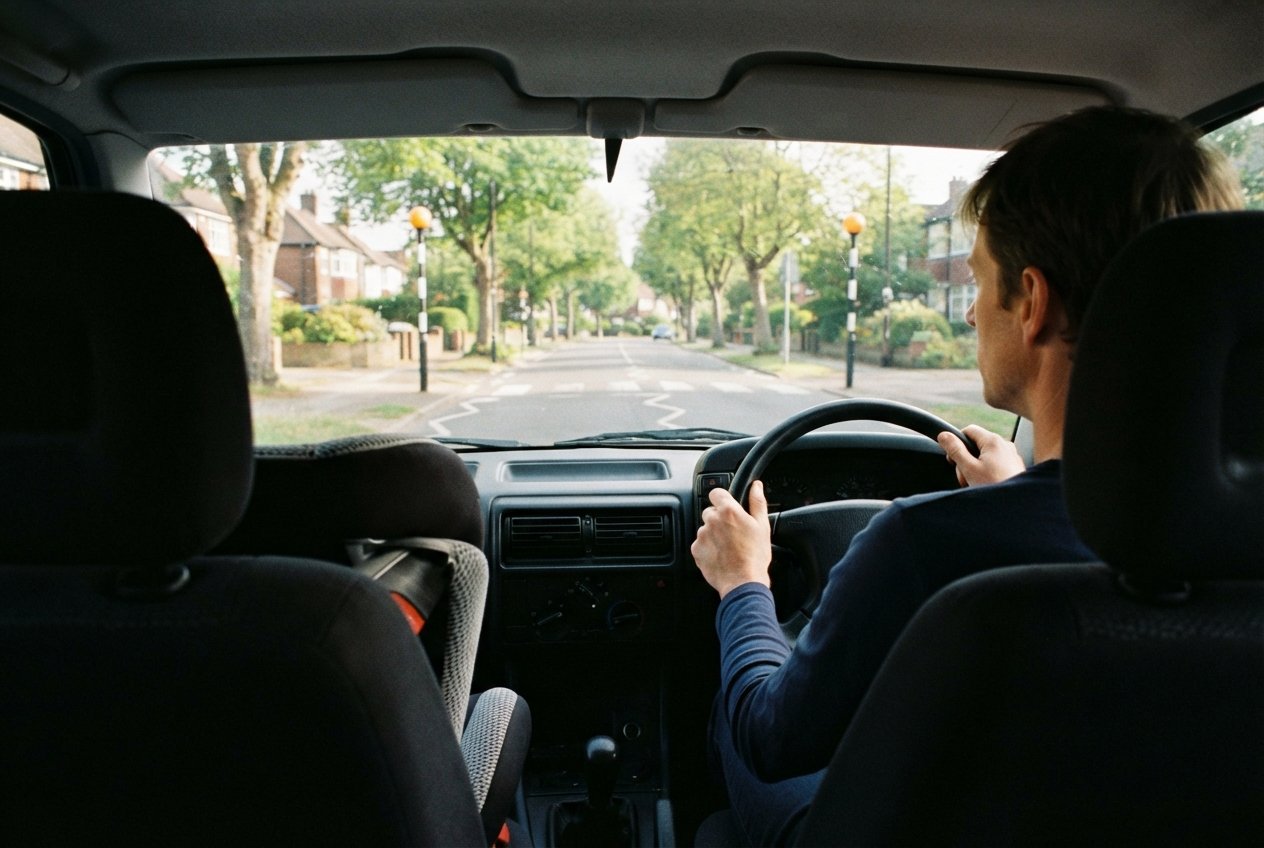
Autonomous emergency braking (AEB) brakes the car automatically when a collision looks likely. On most cars it relies on a camera behind the windscreen, often working with a radar in the grille, which is why windscreen work and AEB are closely linked.
How AEB Works
AEB watches the road ahead for vehicles and, on many cars, pedestrians and cyclists. It works in stages:
- Warning. If you are closing on something too quickly, the car alerts you with a sound and a dash symbol.
- Brake support. If you brake but not hard enough, the system adds braking force.
- Automatic braking. If you do not react, the car brakes by itself to avoid the collision or reduce its speed.
AEB Is Now Required in Australia
Under Australian Design Rule 98/00, AEB has been required on newly introduced light vehicle models since March 2023 and on all new light vehicles sold since March 2025. That covers passenger cars, SUVs, utes and light vans. If your car was built in the last few years, it almost certainly has AEB.
What AEB Uses to See
Camera only
Some cars use a single forward camera, or a pair, mounted behind the top of the windscreen.
Camera and radar together
Many cars combine the windscreen camera with a radar behind the front grille or bumper. The radar is good at distance and speed; the camera is good at recognising what the object is. The car compares the two.
Either way, a camera that looks through the windscreen is involved in most systems.
Why a Windscreen Replacement Affects AEB
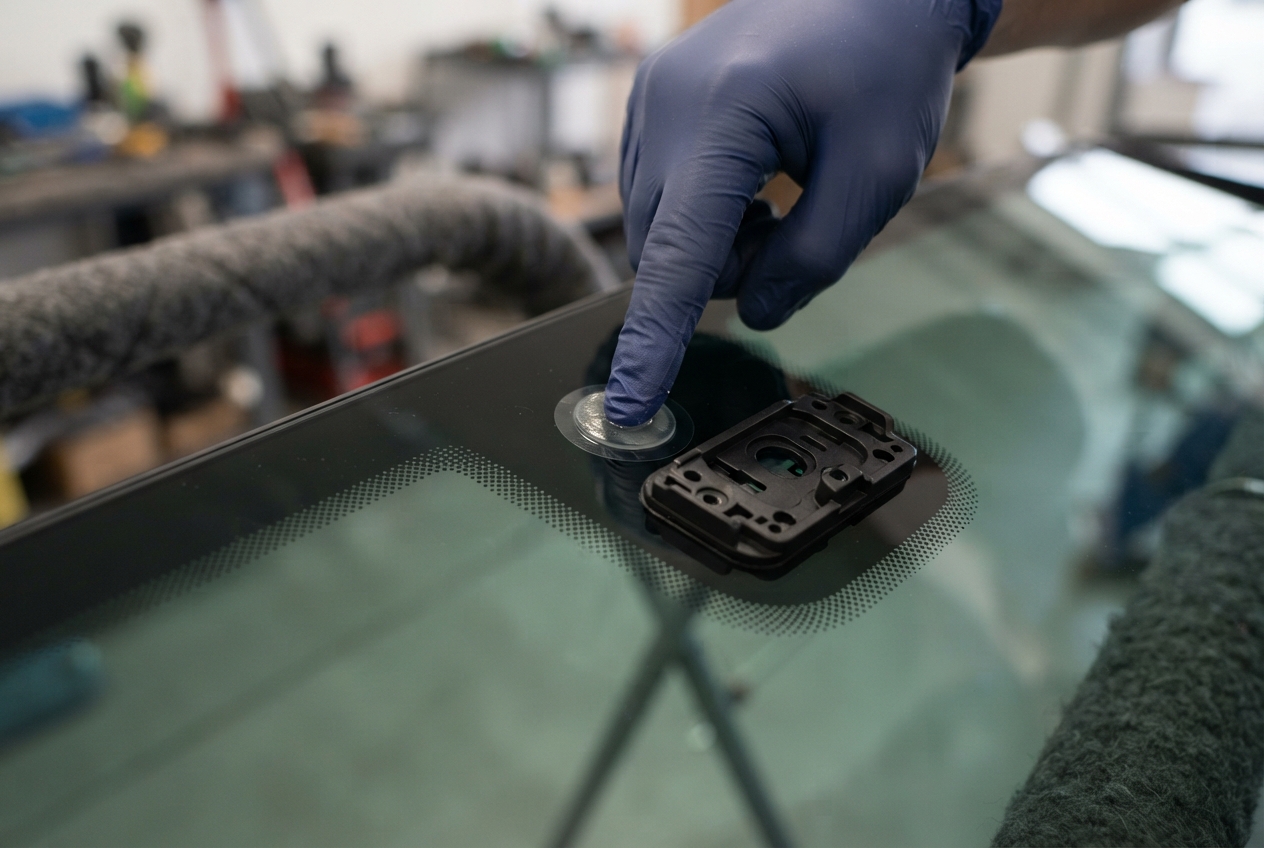
The camera is attached to a bracket bonded to the glass. When the windscreen is replaced, the camera comes off the old glass and goes onto the new one. Even with the correct windscreen, the camera’s position can differ very slightly from before. AEB depends on judging distance accurately, so the camera has to be calibrated to its new position.
Glass quality matters too. The area in front of the camera has to be optically clear and free of distortion. We cover this in OEM vs aftermarket windscreens and ADAS cameras.
Signs Something Is Not Right
- an AEB or collision warning light after glass or body work
- warnings when nothing is ahead of you
- a message that the front camera is unavailable or blocked when the glass is clean
More detail is in signs your ADAS camera is out of calibration.
Getting It Calibrated
Aussie AutoGlass is a certified ADAS calibration service provider. Our technicians are trained and certified by the manufacturer of our calibration equipment, and we do static and dynamic calibration, depending on what the vehicle maker specifies. We confirm what your vehicle needs before work starts. Call us on 0405 412 951 or book online and we will tell you what your vehicle needs.
Frequently Asked Questions
Does AEB work at all speeds?
Each maker sets the speed range its system works in, and performance varies. Your owner’s manual describes the limits for your car. AEB is a backup, not a substitute for attention.
Will a chip in front of the camera affect AEB?
It can. Damage in the camera’s view is treated differently from an ordinary chip; see chip or crack in front of your windscreen camera.
Can AEB be calibrated without replacing the windscreen?
Yes. Calibration is also needed after some repairs, suspension work and alignments, and can be done whenever there is a reason to doubt the camera’s aim.