
Traffic Sign Recognition and Auto High Beam: The Windscreen Camera at Work
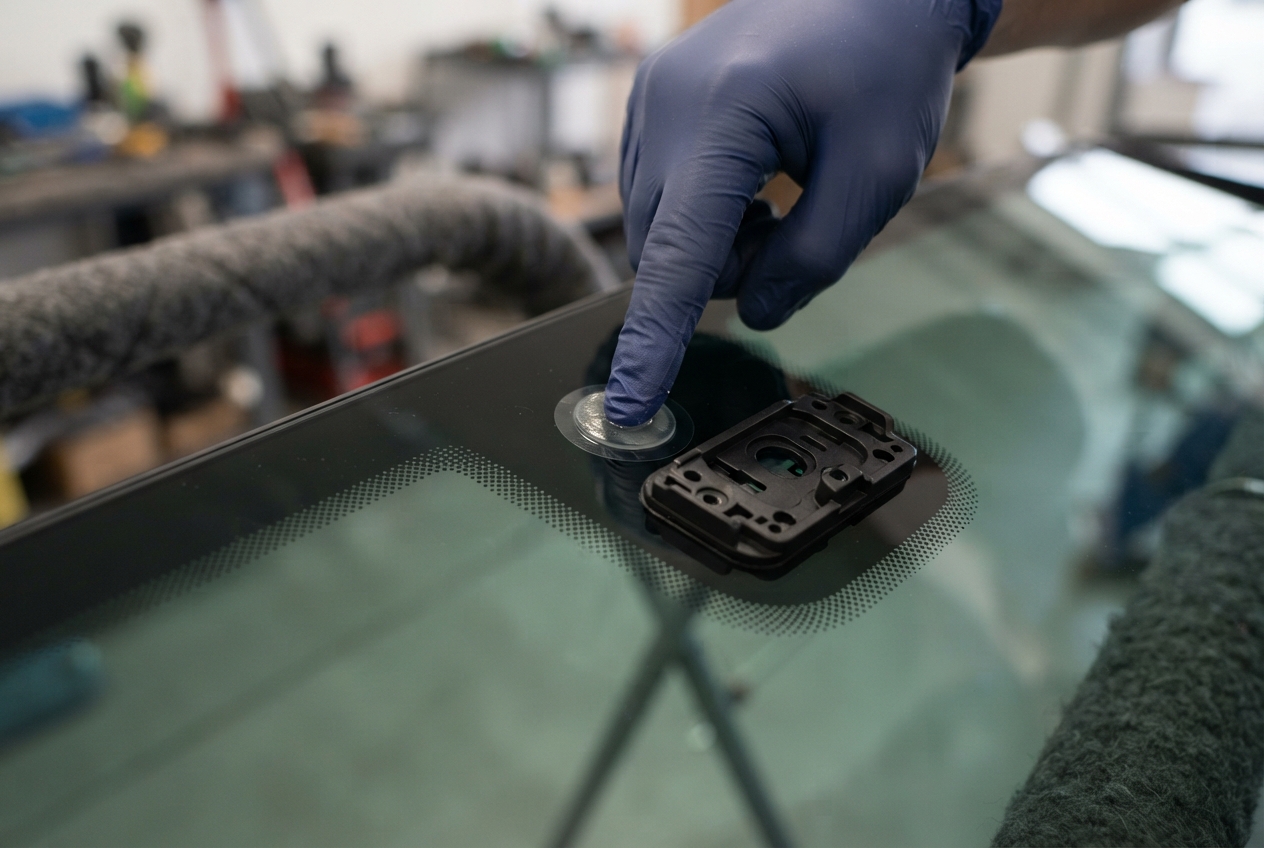
The camera behind your windscreen does more than emergency braking. It also reads speed signs, dips your high beams for oncoming traffic and, with the sensors beside it, runs the automatic wipers and headlights.
Traffic Sign Recognition
The camera picks out road signs, most often speed limits, and shows them on the dash or head-up display. Some cars can warn you when you exceed the limit or link the limit to cruise control.
What affects it
The camera has to see the sign clearly and judge whether it applies to your lane. A camera aimed slightly off can miss signs on one side of the road, or read a sign meant for a side road or exit ramp. Glass that distorts the picture in front of the camera has the same effect.
Automatic High Beam
With auto high beam, the camera looks for the headlights and tail-lights of other vehicles and switches between high and low beam for you. More advanced systems shade only the part of the beam that would dazzle another driver.
If the camera’s aim is wrong, the lights may dip late and dazzle oncoming drivers, or dip for street lights and reflective signs.
The Rain and Light Sensors Next Door
In the same housing as the camera, most cars have:
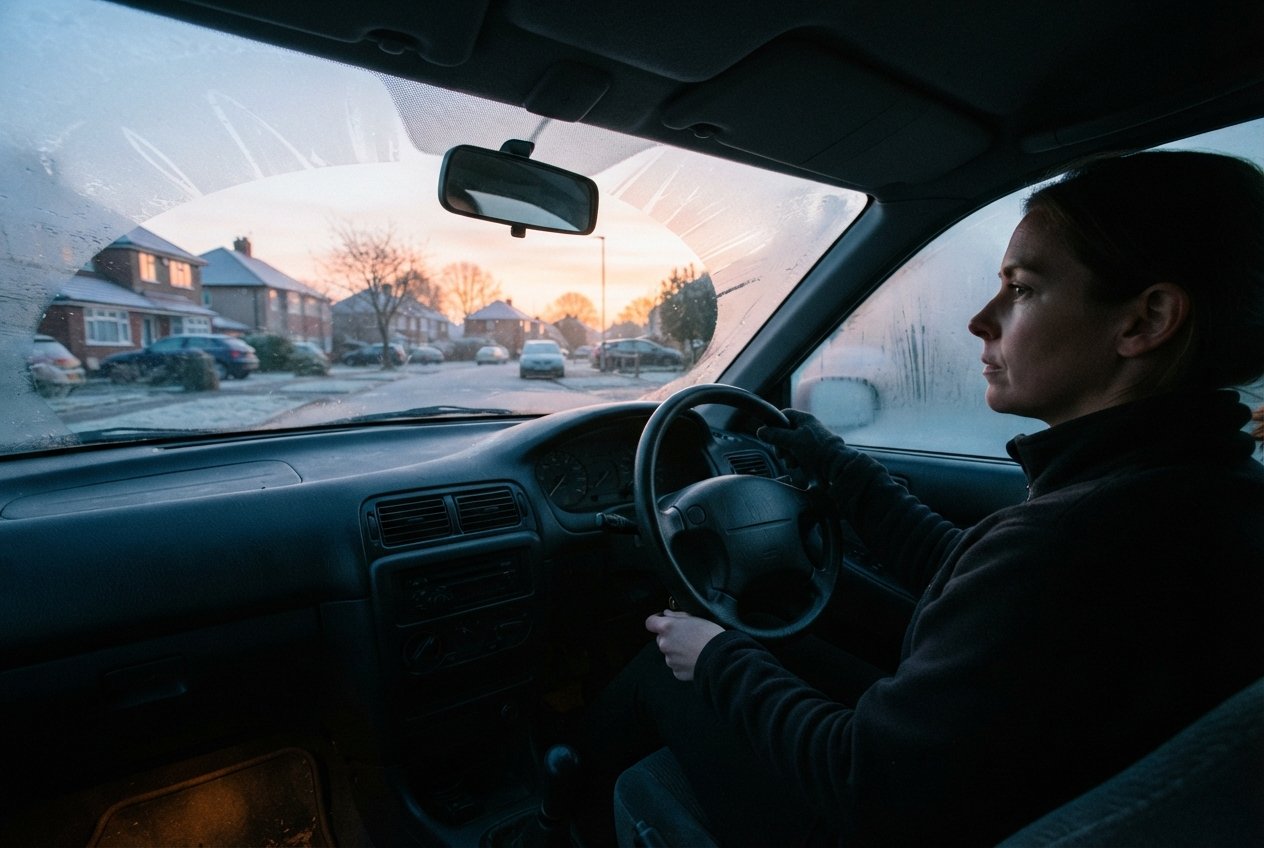
- a rain sensor, pressed against the glass with a clear gel pad, which runs the automatic wipers
- a light sensor, which turns the headlights on at dusk and in tunnels
- sometimes a humidity sensor for the demister
These do not need the kind of calibration a camera does, but they must be refitted correctly to the new glass. A rain sensor with air bubbles under its gel pad gives erratic wipers. See rain sensors and cameras: what needs resetting after a new windscreen.
Head-Up Displays
If your car projects speed and navigation onto the windscreen, it needs a windscreen made for a head-up display. Ordinary glass gives a doubled image. This is a glass specification matter, separate from camera calibration, and it is one of the things we check when identifying the right windscreen for your car.
After a Windscreen Replacement
Everything in that housing comes off the old glass and goes onto the new one. The sensors are refitted, and the camera is calibrated using the vehicle maker’s procedure. Aussie AutoGlass is now a certified ADAS calibration service provider: our technicians have completed the calibration equipment manufacturer’s training and certification, and we carry out static or dynamic calibration as each vehicle requires. Call us on 0405 412 951 or book online and we will tell you what your vehicle needs.
Frequently Asked Questions
My car shows the wrong speed limit sometimes. Is the camera faulty?
Not necessarily. Sign recognition has limits: it can be fooled by signs on trucks, exit ramps, school zones and roadworks. If it became noticeably worse after glass work, have the calibration checked.
Do the auto wipers need calibrating?
No, but the rain sensor has to be mounted correctly on the new glass. If the wipers behave strangely after a replacement, tell whoever fitted the windscreen.
Does a dashcam or toll tag near the mirror matter?
It can. Anything stuck in the camera’s field of view can interfere. Keep the area in front of the camera housing clear.