
Rain Sensors and Cameras: What Needs Resetting After a New Windscreen
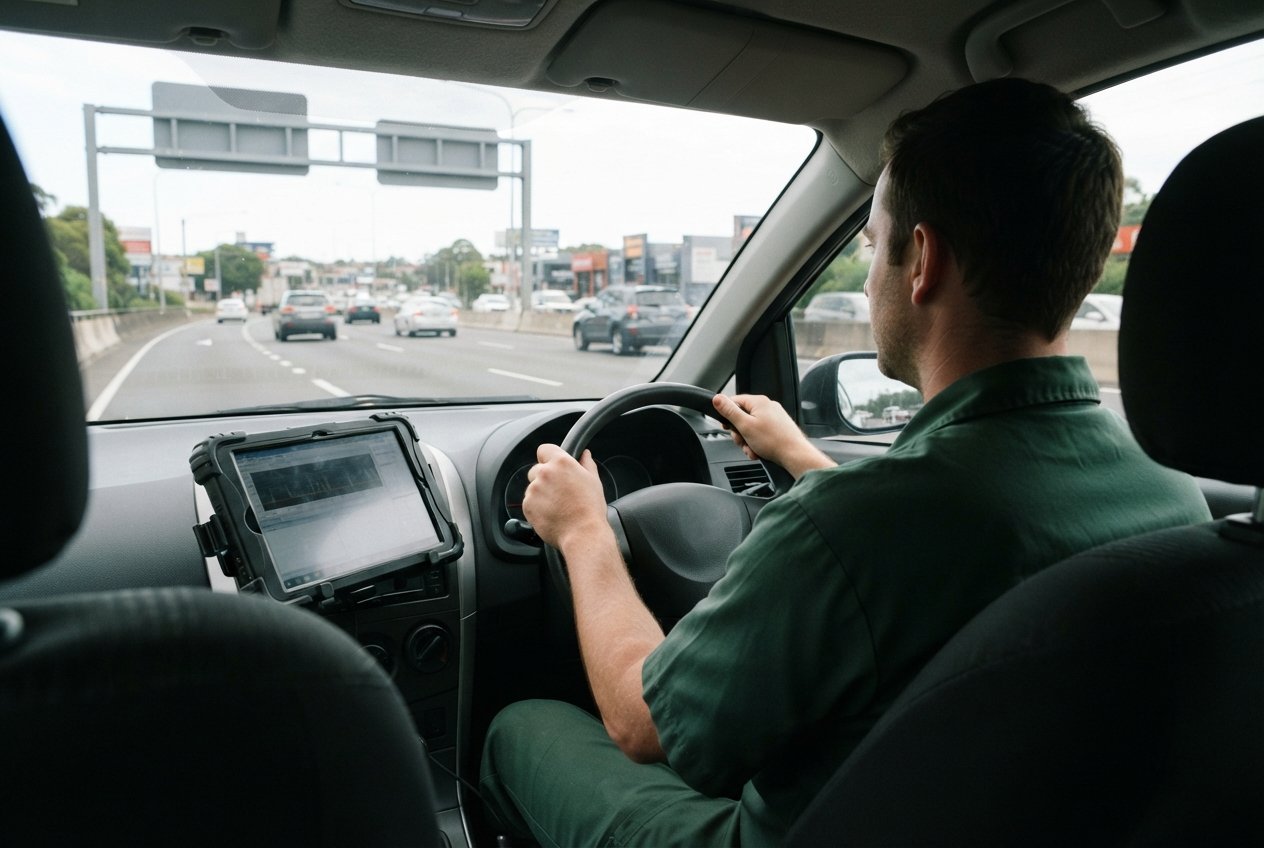
Modern windscreens carry a surprising amount of equipment, and a replacement disturbs all of it. Some items simply reattach and work. Others — particularly forward-facing cameras — need proper recalibration before the systems that rely on them behave correctly. Knowing which is which helps you ask the right questions when booking.
What Lives on a Modern Windscreen
Depending on the vehicle, any of these may be mounted to or embedded in the glass:
- Rain sensor — an optical sensor bonded to the inside of the glass
- Light sensor — controls automatic headlights
- Forward-facing camera — feeds lane keeping, AEB and adaptive cruise
- Humidity sensor — drives automatic demisting
- Heating elements — wiper park heating or full heated windscreen
- Antenna — radio or GPS elements embedded in the laminate
- Head-up display coating — a specific glass spec, not an add-on
Reattach Versus Recalibrate
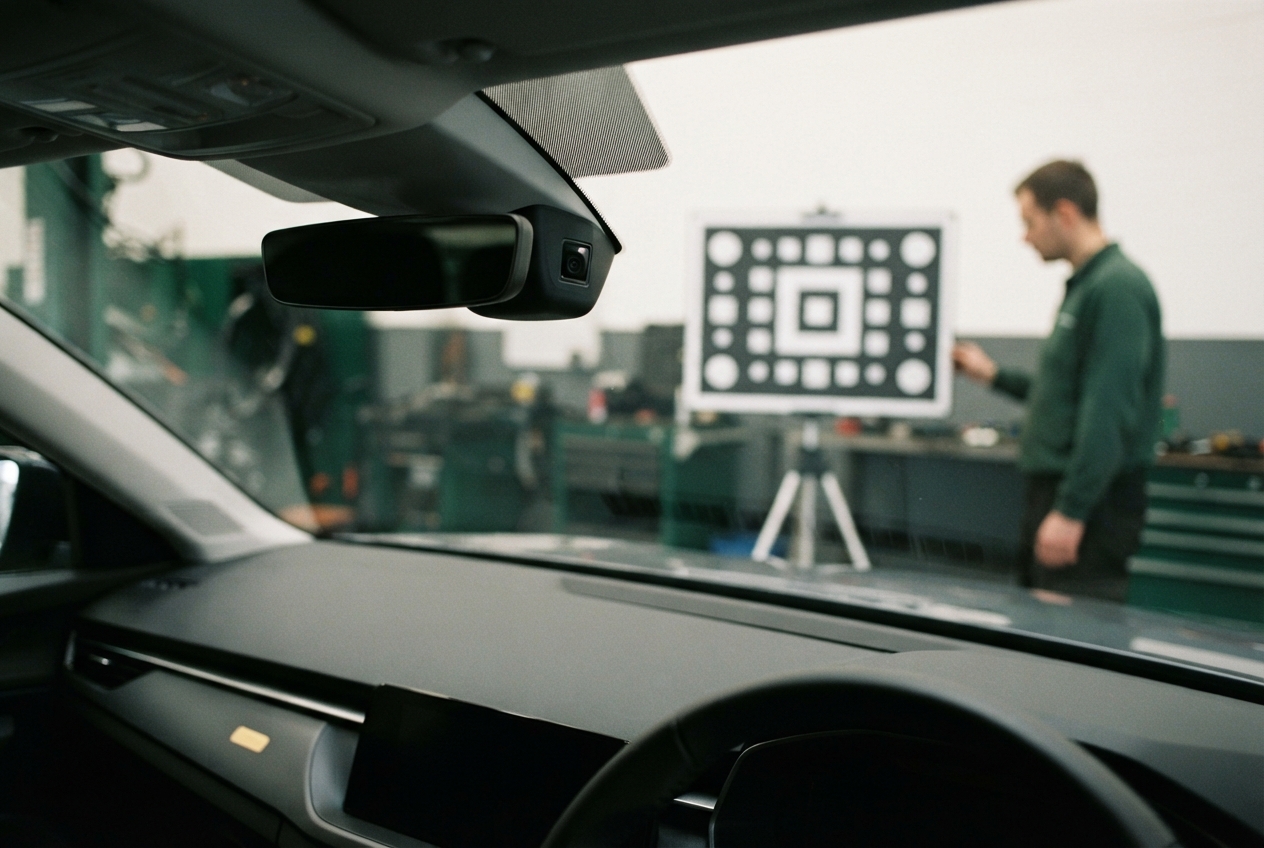
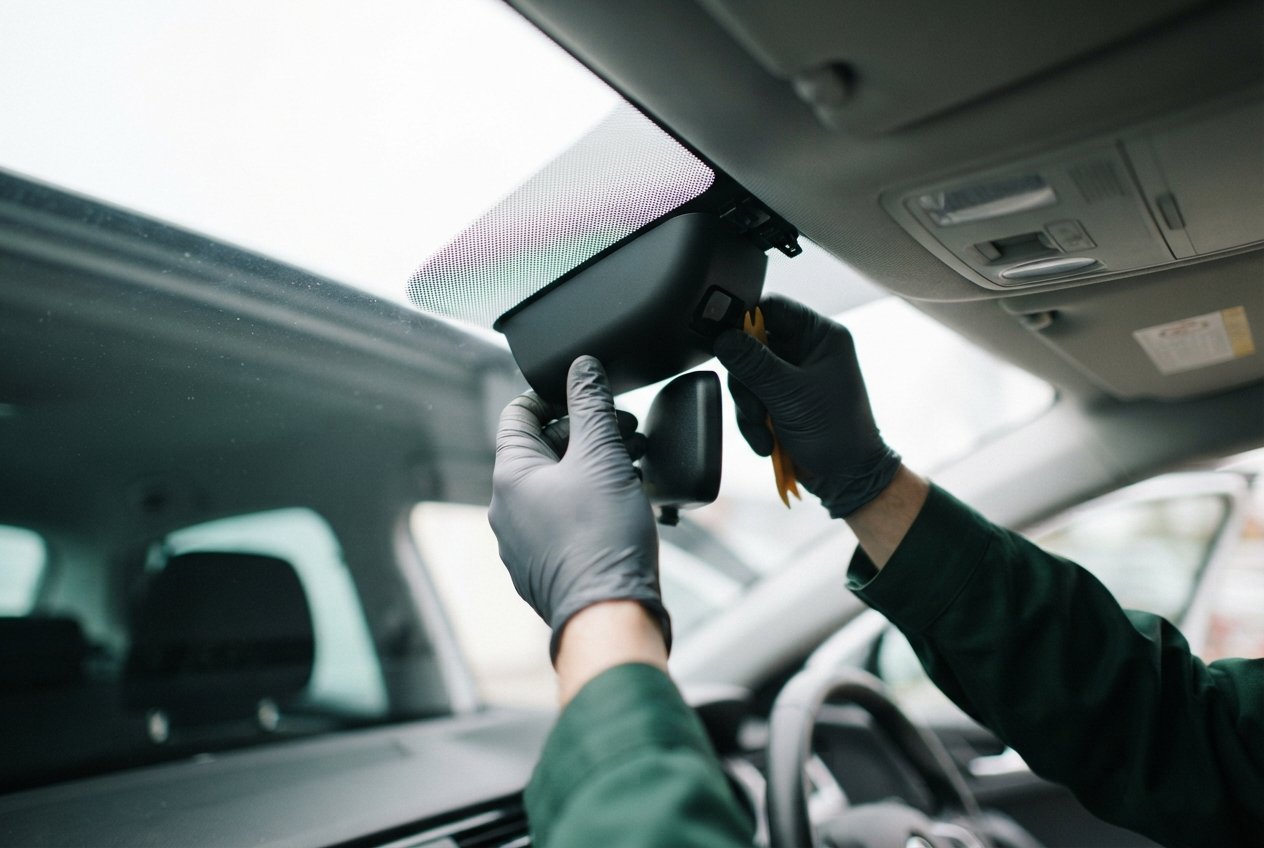
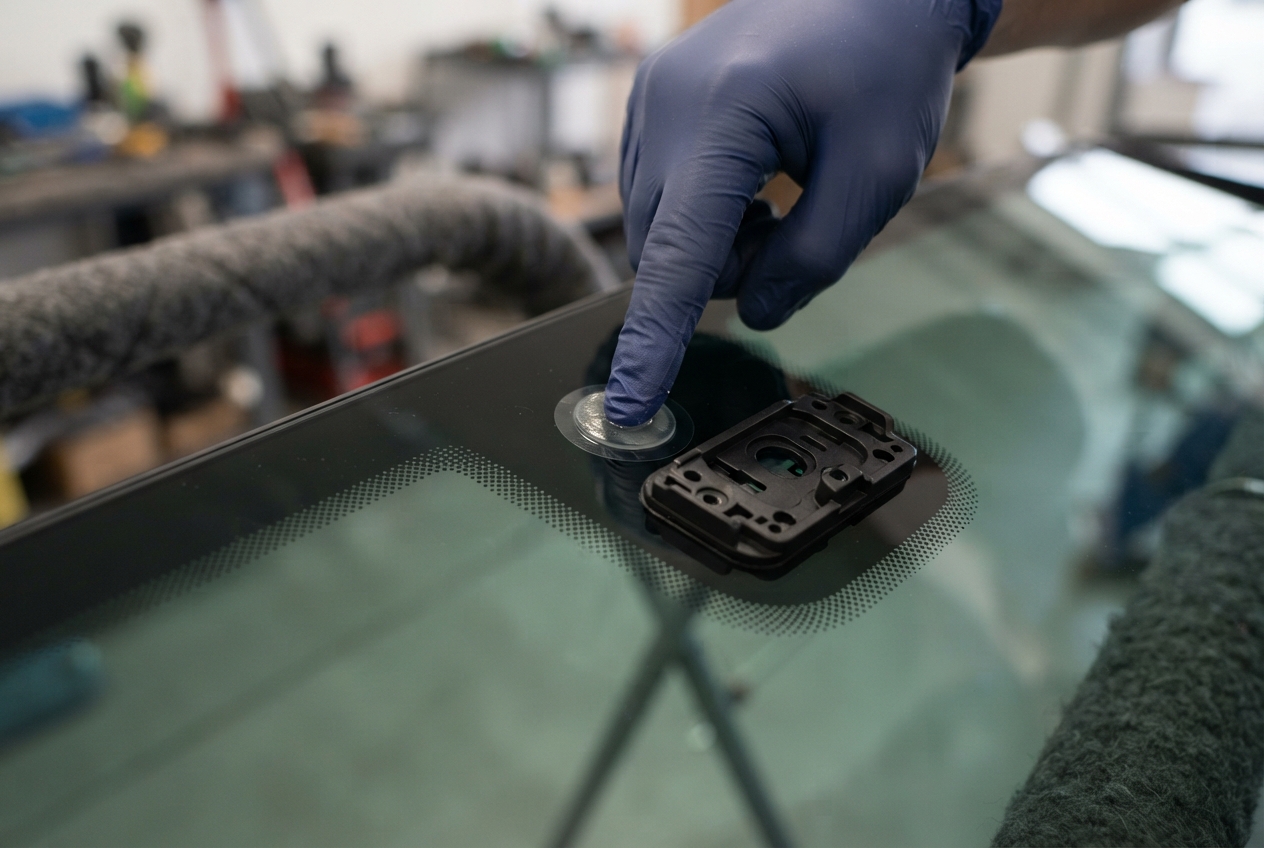
Rain and light sensors generally reattach with a fresh optical gel pad — the pad matters, because an air gap between sensor and glass makes the sensor misread. Humidity sensors and antennas are similar reattachment jobs. The forward-facing camera is different: it is an aiming device, and even a small change in its position alters where the system thinks the road is. That is why it needs ADAS recalibration, which we coordinate with specialist calibration providers rather than performing in-house.
What It Costs
Our starting prices are the same across greater Sydney, with no call-out fee:
| Service | Starting From |
|---|---|
| Stone Chip and Crack Repairs | $165 |
| Windscreen Replacement | $330 |
| Body Glass Replacement | $165 |
| Resealing | $220 |
| Scratch Removal | $110 |
| Window Tinting | $250 |
The final figure depends on your vehicle, the glass specification and whether calibration is needed. We confirm it before starting. See what windscreen replacement costs in Sydney for a fuller breakdown.
What to Check Afterwards
Before you drive off, it is worth confirming a few things work. Switch wipers to auto and mist the glass — they should respond. Check automatic headlights in a dark space like a car park. Turn on the radio and confirm reception is normal. Watch the dash for any warning lights relating to driver assistance. And make sure the replacement glass matches your original specification — a head-up display car needs HUD-specific glass, and standard glass will produce a doubled image.
Frequently Asked Questions
Will my rain sensor work after a replacement?
It should, provided a fresh optical gel pad was used. If the wipers behave erratically on auto afterwards, the pad is the usual culprit and it is a quick fix.
Does every car need camera calibration?
Only vehicles with a forward-facing camera behind the windscreen. If your car has lane keeping, autonomous emergency braking or adaptive cruise, it almost certainly does.
Can I check the calibration myself?
Not meaningfully. Calibration is verified with specific equipment and targets. What you can do is confirm no driver-assistance warning lights are showing.
What if my car has a head-up display?
HUD vehicles need glass made to that specification. Standard glass produces a doubled or ghosted projected image. Mention it when booking so the correct glass is ordered.
Booking a replacement on a camera-equipped car? Aussie AutoGlass is a mobile service across greater Sydney — we come to you. Book an appointment or call 0405 412 951.