
Does My Car Need ADAS Recalibration After a Windscreen Replacement?
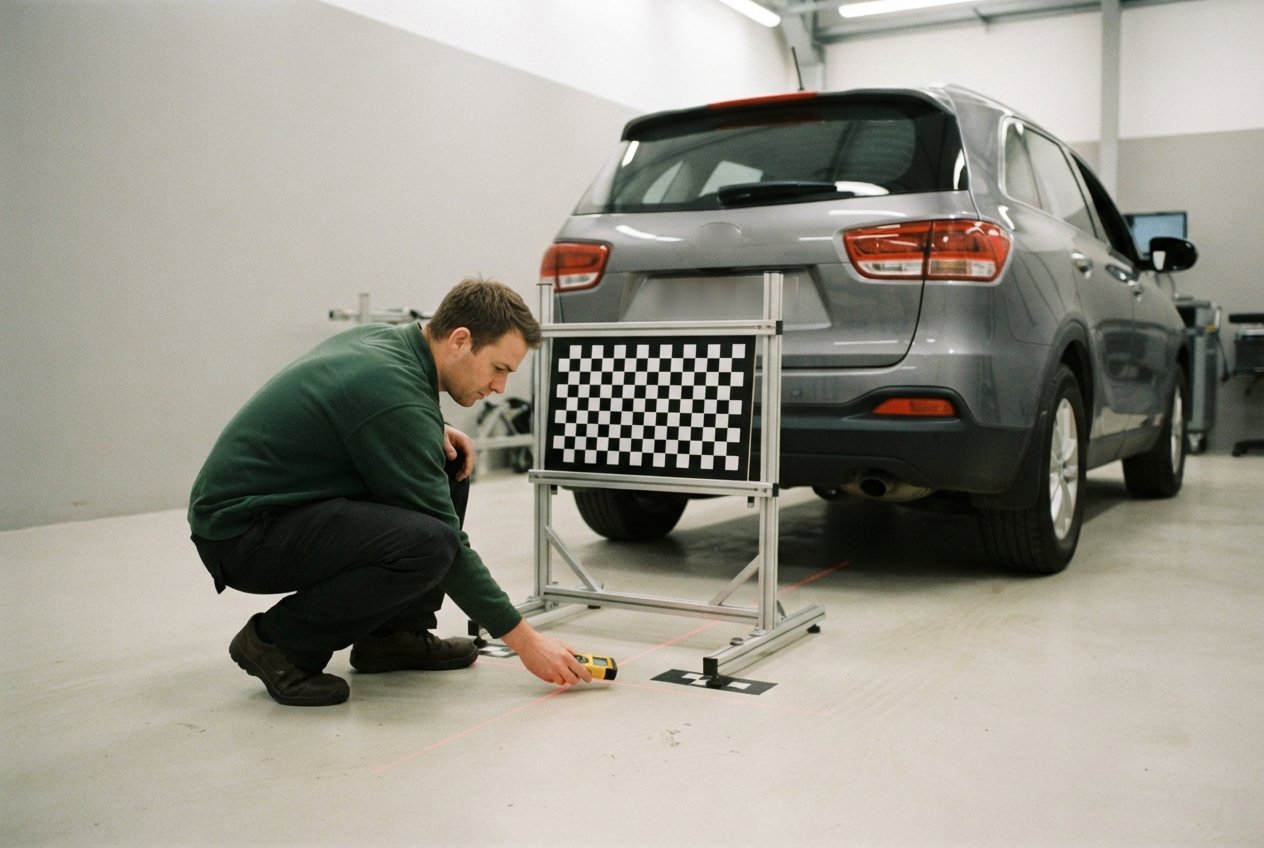
If your windscreen carries a forward-facing camera for driver-assistance systems, recalibration is generally required after replacement. Systems like lane-keep assist, lane departure warning, adaptive cruise control, and autonomous emergency braking rely on a camera mounted to the glass. Removing and refitting the windscreen changes that camera’s position by small amounts that matter — a fraction of a degree at the lens translates to metres of error down the road. Recalibration re-establishes the reference the system needs.
Which Vehicles Are Affected
ADAS features became widespread across mainstream Australian models through the late 2010s and are near-standard on new vehicles now. If your car has any of the following, there’s a good chance a windscreen camera is involved:
- Lane departure warning or lane-keep assist
- Adaptive or radar cruise control
- Autonomous emergency braking (AEB)
- Traffic sign recognition
- Automatic high-beam control
- Forward collision warning
What Happens If It’s Skipped
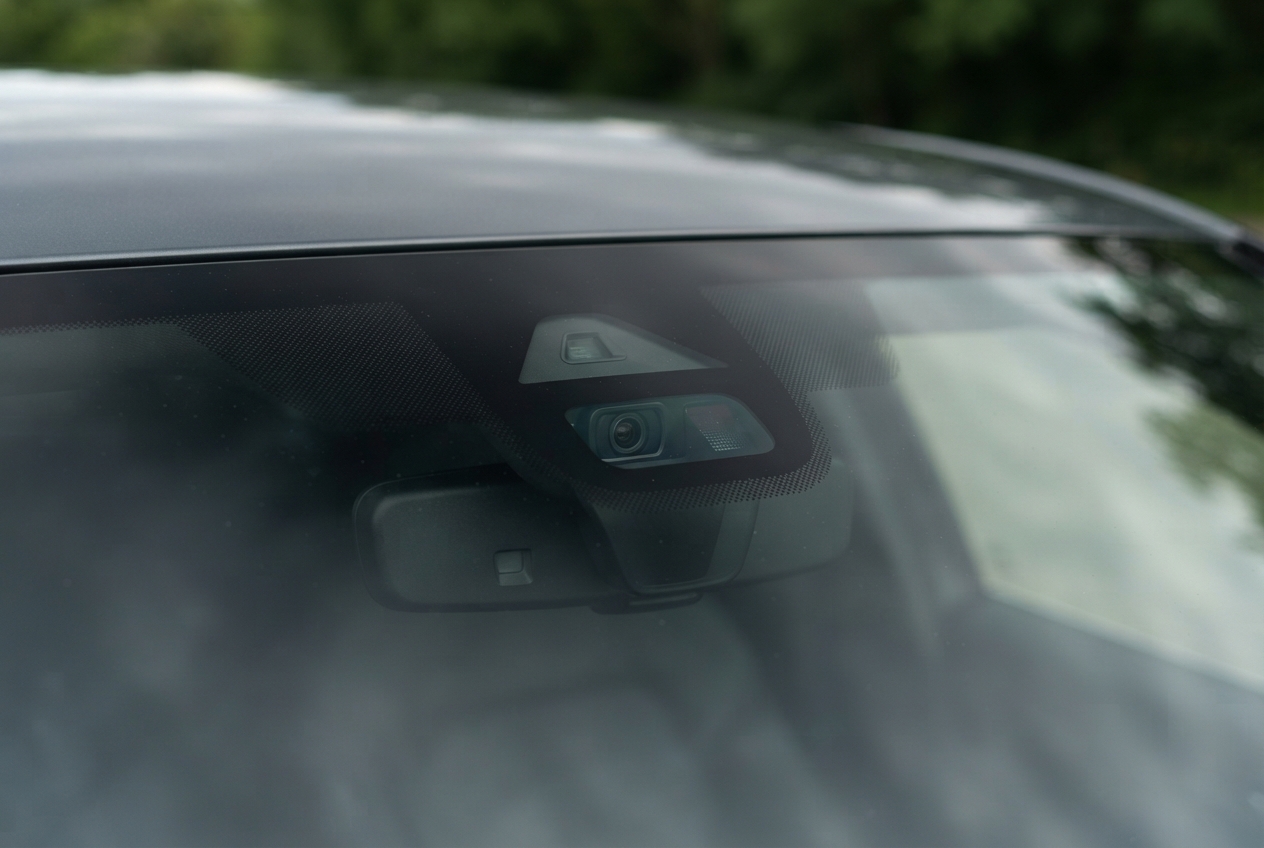
An uncalibrated camera may still appear to work while reading the road incorrectly. That can mean lane-keep assist steering to the wrong reference point, emergency braking triggering late or not at all, or the system disabling itself with a dashboard warning. The failure mode that matters most is the quiet one — a system that looks fine but is measuring against the wrong baseline.
How Calibration Works
There are two broad approaches. Static calibration is done in a controlled indoor space with the vehicle positioned precisely in front of manufacturer-specified targets. Dynamic calibration is done by driving the vehicle at set speeds on suitable roads while diagnostic equipment recalibrates the system. Some vehicles need one, some need both, and the requirement is set by the manufacturer.
How We Handle It
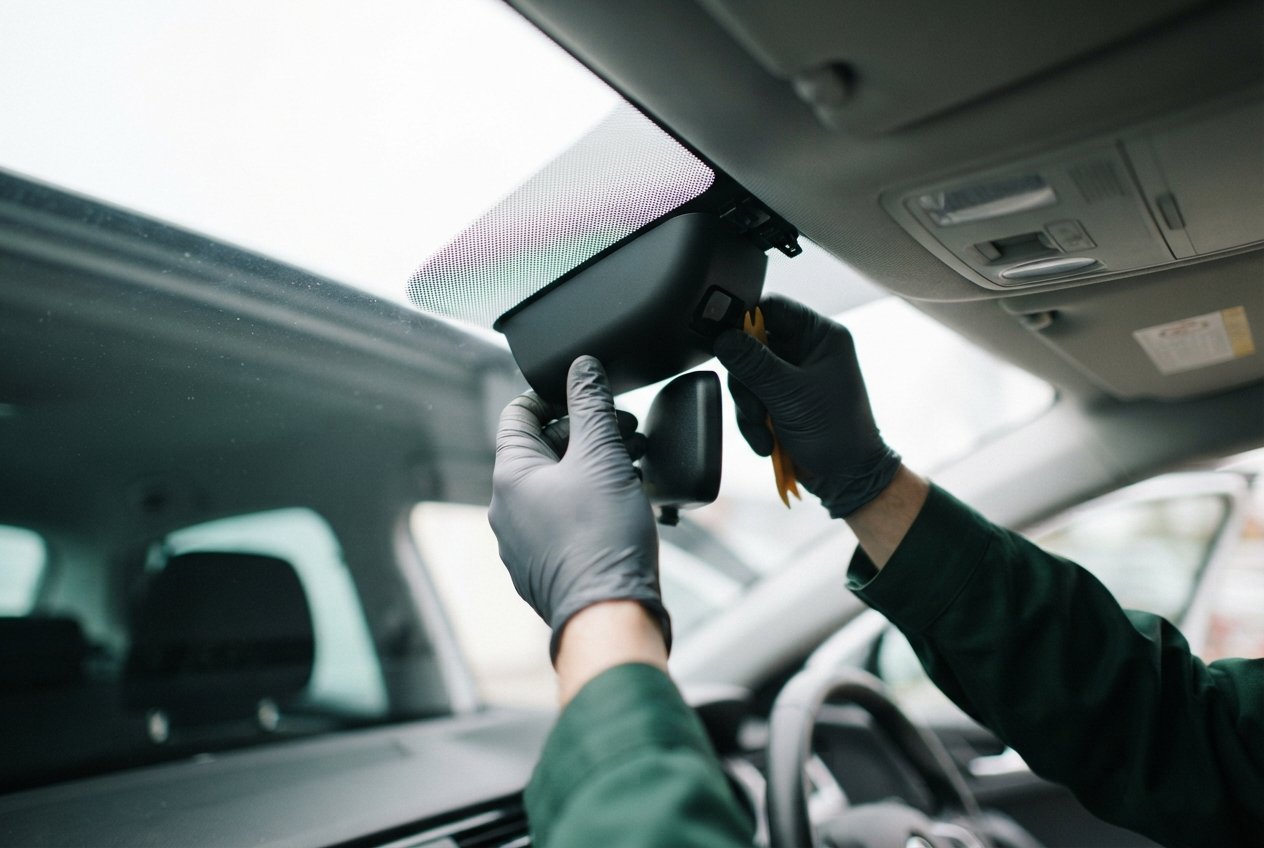
We coordinate recalibration with specialist calibration providers as part of the replacement job. When you book, tell us your vehicle’s make, model and year, and whether you have any of the features listed above — that lets us confirm the requirement upfront and factor it into both your quote and the scheduling, rather than surprising you afterwards.
Cost Considerations
| Service | Starting From |
|---|---|
| Stone Chip and Crack Repairs | $165 |
| Windscreen Replacement | $330 |
| Body Glass Replacement | $165 |
| Resealing | $220 |
| Scratch Removal | $110 |
| Window Tinting | $250 |
Recalibration is a specialist step beyond the glass itself, which is one of the main reasons quotes vary between vehicles. See what affects windscreen replacement price for more on this.
Frequently Asked Questions
Does my car need ADAS recalibration after a windscreen replacement?
If the windscreen carries a forward-facing camera used by driver-assistance systems, generally yes. Vehicles without a windscreen-mounted camera don’t require it.
How do I know if my car has ADAS?
Check whether you have lane-keep assist, adaptive cruise control, autonomous emergency braking, or traffic sign recognition. A camera housing behind the rear-view mirror is another strong indicator.
Can I skip recalibration to save money?
It isn’t advisable. An uncalibrated camera can misread the road while appearing to function normally, which undermines the safety systems you’re relying on.
Does Aussie AutoGlass do the calibration?
We coordinate it with specialist calibration providers as part of the job, so it’s handled without you needing to arrange it separately.
Booking a replacement? Tell us your vehicle make, model and year and we’ll confirm whether calibration is required and arrange it as part of the job. Aussie AutoGlass is a mobile service across greater Sydney — book an appointment or call 0405 412 951.