
Adaptive Cruise Control: Radar, Camera and Calibration
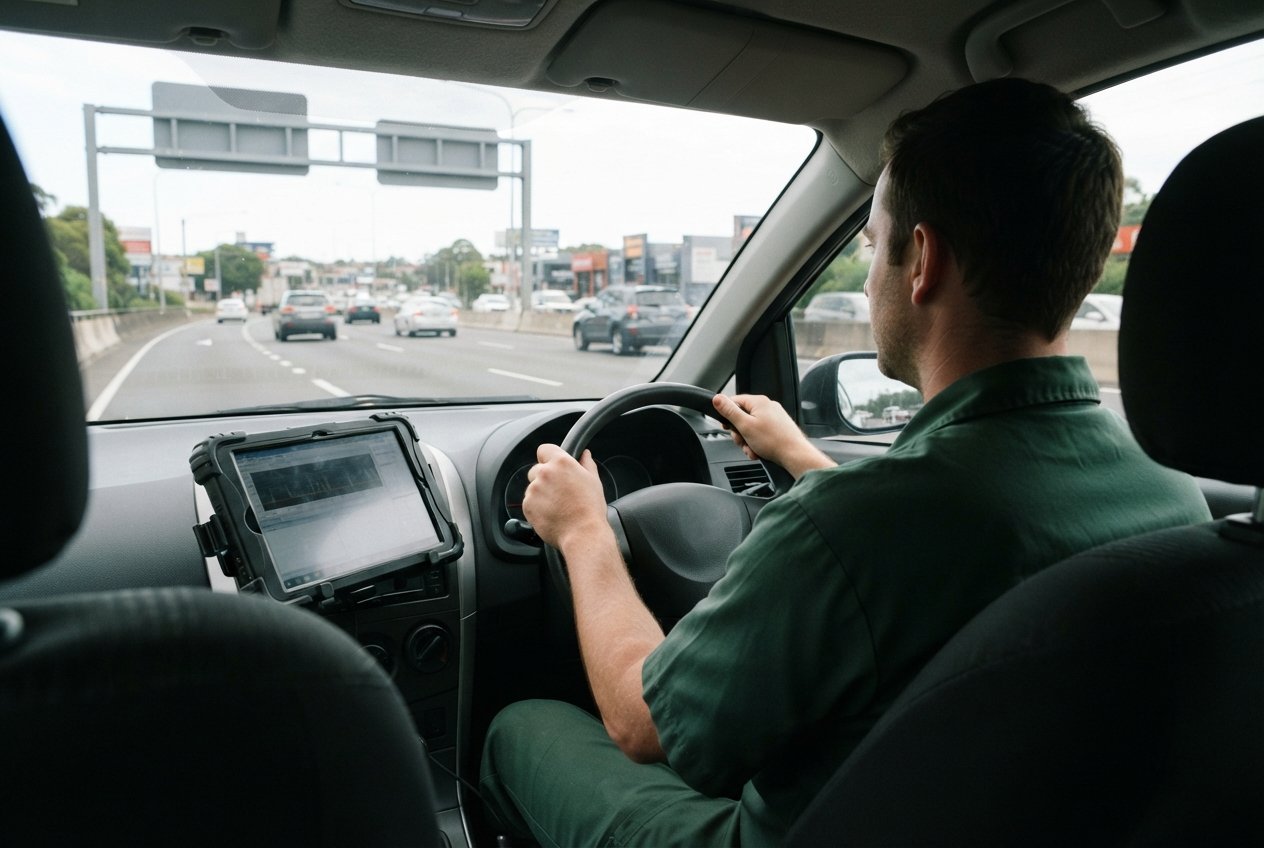
Adaptive cruise control holds the speed you set and slows down by itself to keep a safe gap to the vehicle ahead. It measures that gap with a radar, a windscreen camera, or both working together.
How It Differs From Ordinary Cruise Control
Ordinary cruise control holds one speed until you brake. Adaptive cruise control also watches the vehicle in front. If it slows, your car slows; when the road clears, your car returns to the set speed. Many systems can bring the car to a stop in traffic and move off again.
What It Uses to Measure the Gap
Radar
Most systems use a radar unit behind the front grille or bumper, often behind the badge. Radar measures distance and closing speed accurately in most weather.
The windscreen camera
Some makers rely on the forward camera alone, or a pair of cameras, mounted behind the top of the windscreen. Others use the camera to help the radar decide which lane a vehicle is in.
Both together
Combining the two is common. The radar gives the distance and the camera confirms what the object is and whether it is in your lane.
Why Calibration Matters for Cruise Control
The system has to know which vehicle is directly ahead. If the radar or camera is aimed slightly to one side, the car may follow a vehicle in the next lane, ignore the one in front until late, or brake for a car that is not in your path. On a multi-lane motorway that is both uncomfortable and unsafe.
What Can Knock It Out
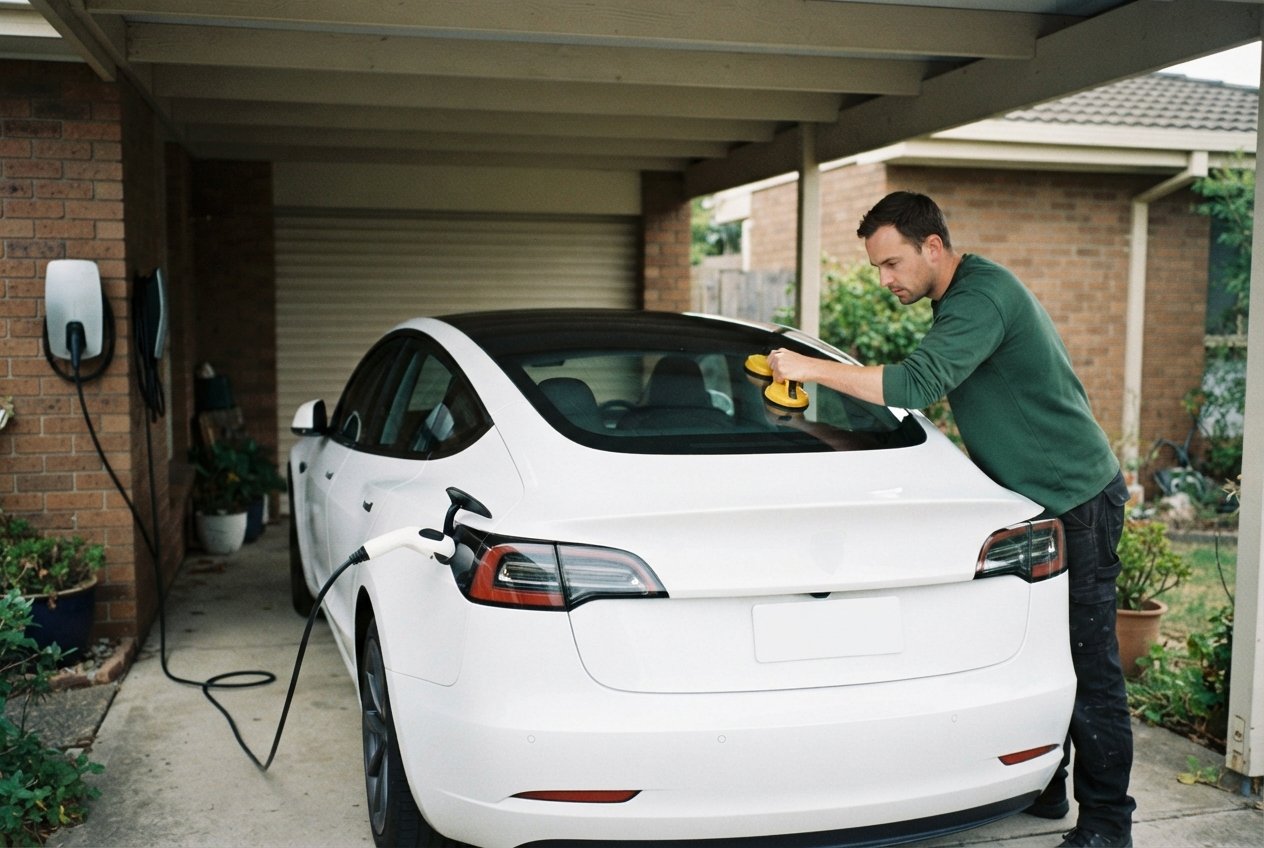
- A windscreen replacement, on cars where the camera is part of the system.
- Front bumper or grille repairs, because the radar is mounted there. Even a minor parking bump can move a radar bracket.
- Suspension changes or a lift kit, which alter the angle the sensors look at the road. See ADAS calibration for utes and 4WDs.
- Wheel alignment, on models where the maker requires calibration afterwards.
Signs to Look For
- the car brakes for vehicles in the next lane
- it is slow to notice the vehicle in front
- cruise control cancels itself with a sensor message
- a radar or front camera warning on the dash
What We Can Do
Aussie AutoGlass is now certified as an ADAS calibration service provider. Our technicians hold certification from the maker of our calibration equipment, and we handle both static and dynamic calibration, depending on the vehicle. On cars where the windscreen camera is involved, we calibrate it as part of the windscreen replacement. If a fault points to the front radar or to body damage, we will tell you what we found so the right repair can be organised. To book, call 0405 412 951 or request an appointment online.
Frequently Asked Questions
Does every car with adaptive cruise use the windscreen camera?
No. Some use radar only. Many use both. We check the set-up for your make and model when you book.
Can a dirty windscreen stop adaptive cruise working?
Yes, on camera-based systems. Dirt, frost or a sticker in front of the camera can make the system unavailable until the glass is clear.
Is adaptive cruise the same as autonomous emergency braking?
No, though they share sensors. Adaptive cruise is a comfort function you switch on. Emergency braking works in the background all the time; see autonomous emergency braking and your windscreen.