 Aussie AutoGlass
 - April 29, 2025
- By lingquqing
- In EV Car windscreen replacement, mobile windscreen replacement, Mobile windscreen replacement in Blacktown, Service Areas, windscreen maintenance, windscreen replacement, Windscreen replacement near me
- 267
- 0

In the bustling cityscape of Sydney, where skyscrapers punctuate the horizon and the hum of activity never quite fades, a revolution is quietly taking place. While many might imagine that economic recovery lies solely within boardrooms and fiscal policies, there’s a surprising catalyst that’s playing a pivotal role in reviving the financial pulse post-pandemic: commercial fleet windscreen repairs. Far from being a mere logistical detail, these repairs are proving to be a linchpin in ensuring businesses rebound stronger, driving economic vigor back into the lanes of commerce. As vehicles tirelessly navigate the urban labyrinth, every gleaming pane represents not just safety and efficiency, but also a symbol of resilience and adaptation in these unprecedented times.
The narrative of post-pandemic economic recovery and commercial fleet windscreen repairs in Sydney is a testament to the interconnectedness of diverse industries. Picture fleets of delivery vans, trucks, and service vehicles—all dependent on clear windscreens to fulfill their duties—acting as the lifelines for businesses aiming to regain traction in the market. Each repair becomes an act of rejuvenation, enabling companies to operate at full throttle and cater to a clientele eager for normalcy. So, let’s delve into how this seemingly niche sector is forging ahead, clearing the path for economic resurgence, one windscreen at a time. Get ready to discover an unexpected hero in Sydney’s economic recovery story, and how it’s changing the game for businesses striving to rebuild in the aftermath of a global slowdown.

In the bustling metropolis of Sydney, a quiet revolution is underway, reshaping how we view sustainability and resource management. While most residents may be familiar with recycling plastics, paper, and glass, there’s a lesser-known yet equally vital component entering the eco-friendly spotlight—windscreen recycling. Once regarded as a mere byproduct of automotive waste, windscreens are now on the frontline of an innovative recycling movement, propelled by significant climate policy shifts. These policy adjustments have not only ignited a green transformation in industrial practices but also forged a thrilling alliance between government initiatives and private enterprises dedicated to making Australia’s largest city a beacon of ecological responsibility.
Behind this transformative wave lies a series of strategic shifts in climate policies that have created fertile ground for advancements in eco-friendly windscreen recycling services in Sydney. As governments tighten regulations on waste management and encourage the reduction of carbon footprints, businesses and communities are prompted to explore inventive solutions to meet these new standards. This evolving landscape has spurred a surge in specialized recycling companies, now turning discarded windscreens into valuable resources rather than mere landfill fodder. As we peel back the layers of this fascinating development, you’ll discover how policy-driven change serves as a catalyst for innovation, turning old glass into new opportunities and redefining Sydney’s environmental future.
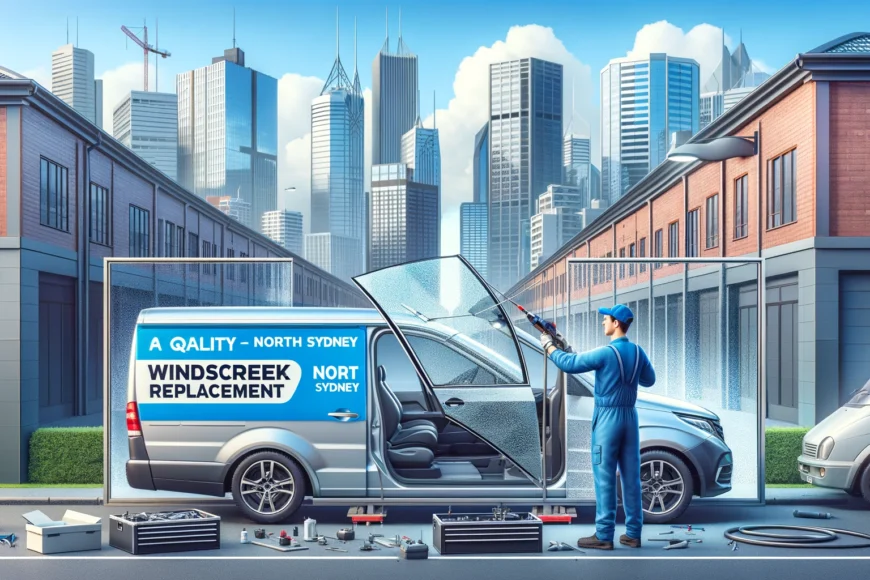
In the bustling cityscape of Sydney, under skies bustling with innovation and progress, a hidden yet growing concern lurks beneath the superficial hum of traffic: the unexpected influence of international semiconductor policies on local automotive technology. As windscreens evolve from mere shields to sophisticated sensor hubs, the delicate dance of calibration becomes an art intertwined with global economic currents. Imagine driving down the iconic Sydney Harbour Bridge, your vehicle’s advanced driver-assistance systems ensuring a seamless journey, only to find that a ripple in U.S. semiconductor policies has transformed what was once a routine windscreen maintenance task into a costly affair. This is not just a tale of technology but a fascinating intersection where global politics meet local economics, reshaping everyday experiences in unpredictable ways.
The intricate world of semiconductor manufacturing often feels distant from the everyday concerns of Sydney’s drivers. Yet, as the U.S. imposes bans that send shockwaves through this pivotal industry, the repercussions echo far beyond factory floors. These strategic moves, designed with geopolitical objectives in mind, have inadvertently left Sydney’s auto owners wrestling with higher costs for windscreen sensor calibration. It’s a development as surprising as it is intriguing, weaving a complex narrative where supply chains and silicon chips dictate the price you pay for advanced safety features. The story of how U.S. semiconductor bans affect windscreen sensor calibration costs in Sydney is not just about numbers—it’s a testament to the interconnectedness of our modern world, where even the smallest policy change can morph into a giant leap in everyday expenses.
Book your appointment now and get 10% discount.
Give us 5 STARs feedback on google and a free drink on us.
MAKE APPOINTMENT


In the bustling cityscape of Sydney, where skyscrapers punctuate the horizon and the hum of activity never quite fades, a revolution is quietly taking place. While many might imagine that economic recovery lies solely within boardrooms and fiscal policies, there’s a surprising catalyst that’s playing a pivotal role in reviving the financial pulse post-pandemic: commercial fleet windscreen repairs. Far from being a mere logistical detail, these repairs are proving to be a linchpin in ensuring businesses rebound stronger, driving economic vigor back into the lanes of commerce. As vehicles tirelessly navigate the urban labyrinth, every gleaming pane represents not just safety and efficiency, but also a symbol of resilience and adaptation in these unprecedented times.
The narrative of post-pandemic economic recovery and commercial fleet windscreen repairs in Sydney is a testament to the interconnectedness of diverse industries. Picture fleets of delivery vans, trucks, and service vehicles—all dependent on clear windscreens to fulfill their duties—acting as the lifelines for businesses aiming to regain traction in the market. Each repair becomes an act of rejuvenation, enabling companies to operate at full throttle and cater to a clientele eager for normalcy. So, let’s delve into how this seemingly niche sector is forging ahead, clearing the path for economic resurgence, one windscreen at a time. Get ready to discover an unexpected hero in Sydney’s economic recovery story, and how it’s changing the game for businesses striving to rebuild in the aftermath of a global slowdown.
In the bustling metropolis of Sydney, a quiet revolution is underway, reshaping how we view sustainability and resource management. While most residents may be familiar with recycling plastics, paper, and glass, there’s a lesser-known yet equally vital component entering the eco-friendly spotlight—windscreen recycling. Once regarded as a mere byproduct of automotive waste, windscreens are now on the frontline of an innovative recycling movement, propelled by significant climate policy shifts. These policy adjustments have not only ignited a green transformation in industrial practices but also forged a thrilling alliance between government initiatives and private enterprises dedicated to making Australia’s largest city a beacon of ecological responsibility.
Behind this transformative wave lies a series of strategic shifts in climate policies that have created fertile ground for advancements in eco-friendly windscreen recycling services in Sydney. As governments tighten regulations on waste management and encourage the reduction of carbon footprints, businesses and communities are prompted to explore inventive solutions to meet these new standards. This evolving landscape has spurred a surge in specialized recycling companies, now turning discarded windscreens into valuable resources rather than mere landfill fodder. As we peel back the layers of this fascinating development, you’ll discover how policy-driven change serves as a catalyst for innovation, turning old glass into new opportunities and redefining Sydney’s environmental future.
In the bustling cityscape of Sydney, under skies bustling with innovation and progress, a hidden yet growing concern lurks beneath the superficial hum of traffic: the unexpected influence of international semiconductor policies on local automotive technology. As windscreens evolve from mere shields to sophisticated sensor hubs, the delicate dance of calibration becomes an art intertwined with global economic currents. Imagine driving down the iconic Sydney Harbour Bridge, your vehicle’s advanced driver-assistance systems ensuring a seamless journey, only to find that a ripple in U.S. semiconductor policies has transformed what was once a routine windscreen maintenance task into a costly affair. This is not just a tale of technology but a fascinating intersection where global politics meet local economics, reshaping everyday experiences in unpredictable ways.
The intricate world of semiconductor manufacturing often feels distant from the everyday concerns of Sydney’s drivers. Yet, as the U.S. imposes bans that send shockwaves through this pivotal industry, the repercussions echo far beyond factory floors. These strategic moves, designed with geopolitical objectives in mind, have inadvertently left Sydney’s auto owners wrestling with higher costs for windscreen sensor calibration. It’s a development as surprising as it is intriguing, weaving a complex narrative where supply chains and silicon chips dictate the price you pay for advanced safety features. The story of how U.S. semiconductor bans affect windscreen sensor calibration costs in Sydney is not just about numbers—it’s a testament to the interconnectedness of our modern world, where even the smallest policy change can morph into a giant leap in everyday expenses.