
Windshield Repair vs Replacement: The Ultimate Guide to Making the Right Choice
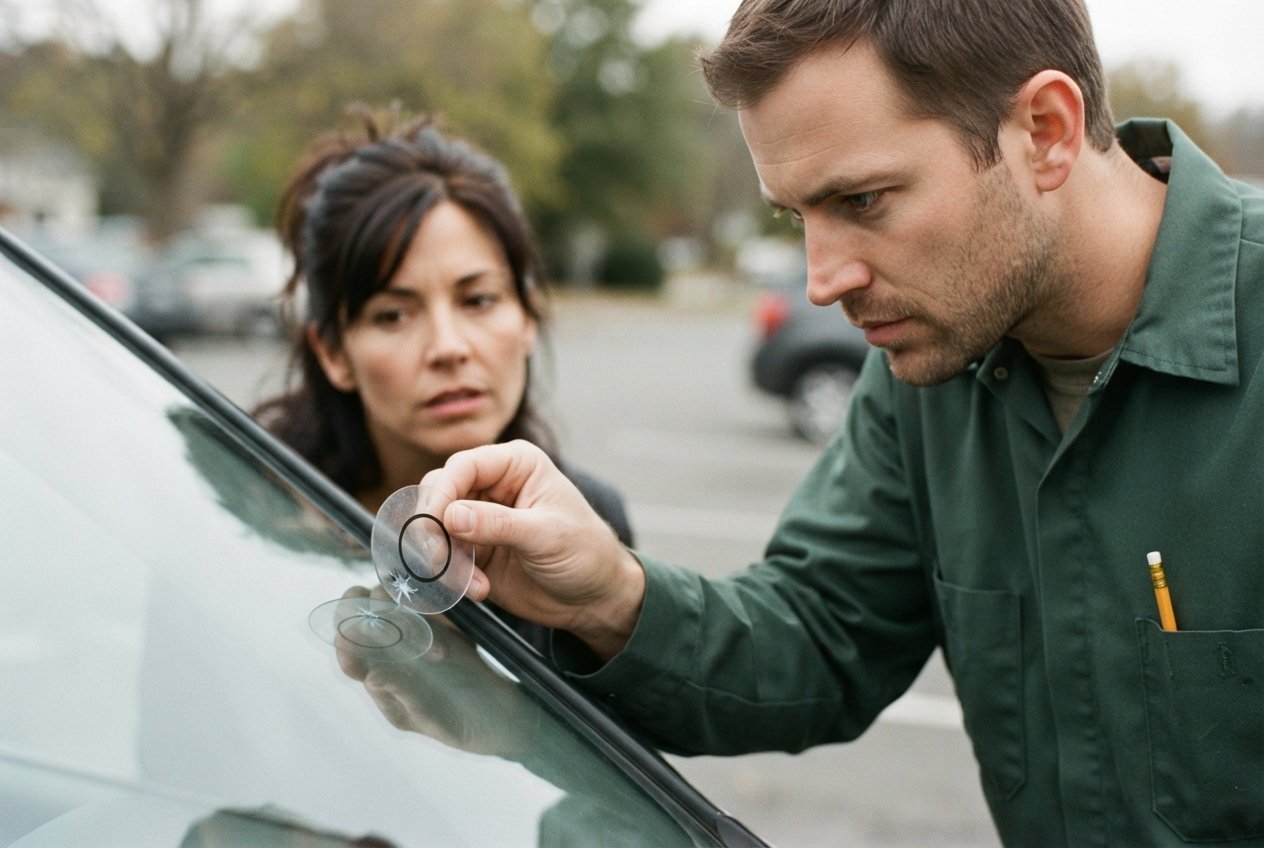
Imagine cruising down the highway on a bright, sunny day, the road stretching endlessly before you, when suddenly—crack! A rogue pebble ricochets off your windshield, leaving behind a spiderweb of cracks that seems to grow by the minute. In the immediate aftermath, a flurry of questions races through your mind: Is it safe to keep driving? Can this be repaired, or is it time for a full replacement? Navigating the world of windshield issues can be as complex as deciphering an arcane manual, with every crack and chip demanding a distinct approach. That’s precisely where our deep dive into “Windshield Repair vs Replacement: The Ultimate Guide to Making the Right Choice” comes in, promising to clear up the mystery and provide clarity on the best course of action.
This ultimate guide unravels the intricacies of windshield maintenance, painting a clear picture of the factors to consider when deciding between repair and replacement. We delve into the anatomy of the windshield, exploring its vital role in vehicle safety and structural integrity, and why even minor damages shouldn’t be ignored. Furthermore, we examine the cost implications, time investments, and environmental impacts associated with each option, equipping you with all the knowledge needed to make an informed decision. Embrace this opportunity to transform an inconvenience into a well-managed solution, ensuring your vehicle’s safety and your peace of mind are never compromised.
Understanding the Anatomy of a Windshield

The windshield is not just a piece of glass; it is a critical component of your vehicle’s safety system. Understanding its anatomy can help you appreciate the importance of keeping it in good condition. A windshield consists of two layers of glass with a layer of vinyl sandwiched in between. This laminated structure provides strength and prevents the glass from shattering into dangerous shards in the event of an accident.
Additionally, windshields have several features that contribute to the overall functionality and safety of your vehicle. These include:
- The top molding, which helps seal the windshield and prevent water leakage.
- The side moldings, which provide additional protection against water intrusion and enhance the overall aesthetics.
- The bottom molding, which helps secure the windshield to the frame and provides structural support.
- The rearview mirror mount, which allows for proper positioning and stability of the mirror.
Now that you have a basic understanding of what makes up a windshield let’s explore why addressing any damage promptly is crucial.
Importance of Addressing Windshield Damage Promptly
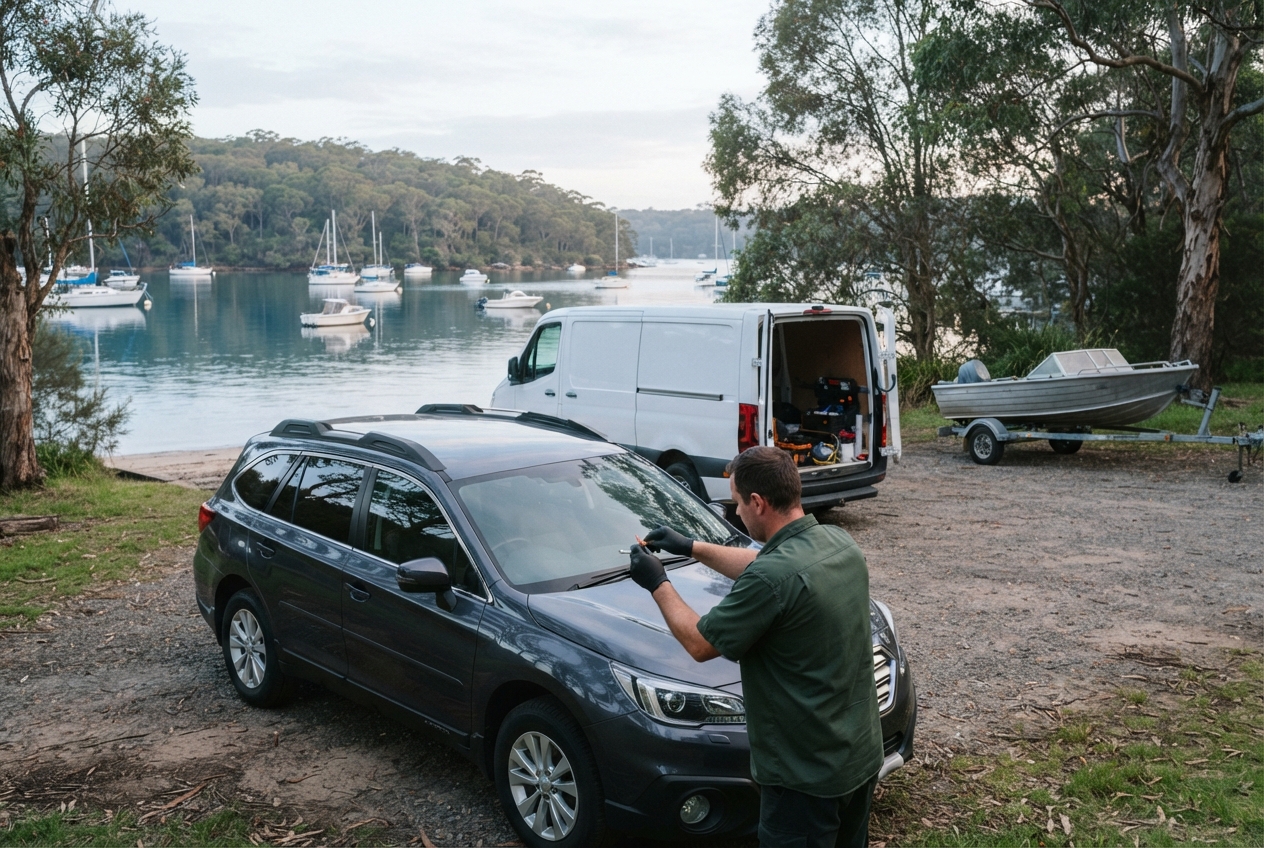
Even minor damage to your windshield can compromise its integrity and pose risks to your safety. Here are some reasons why addressing windshield damage promptly is essential:
- Structural Integrity: A damaged windshield may not be able to withstand external forces, such as airbags deploying or roof collapse during an accident. It plays a crucial role in maintaining the structural integrity of your vehicle.
- Visibility: Cracks or chips in your windshield can obstruct your view while driving, making it difficult to see pedestrians, road signs, or other vehicles. This impaired visibility increases the risk of accidents.
- Further Damage: Small chips or cracks can quickly spread due to temperature changes, road vibrations, or even a minor impact. Ignoring these initial damages may lead to more extensive and expensive repairs or the need for a complete windshield replacement.
Now that you understand the importance of addressing windshield damage promptly, let’s explore the factors to consider when deciding between repair and replacement.
Factors to Consider for Windshield Repair
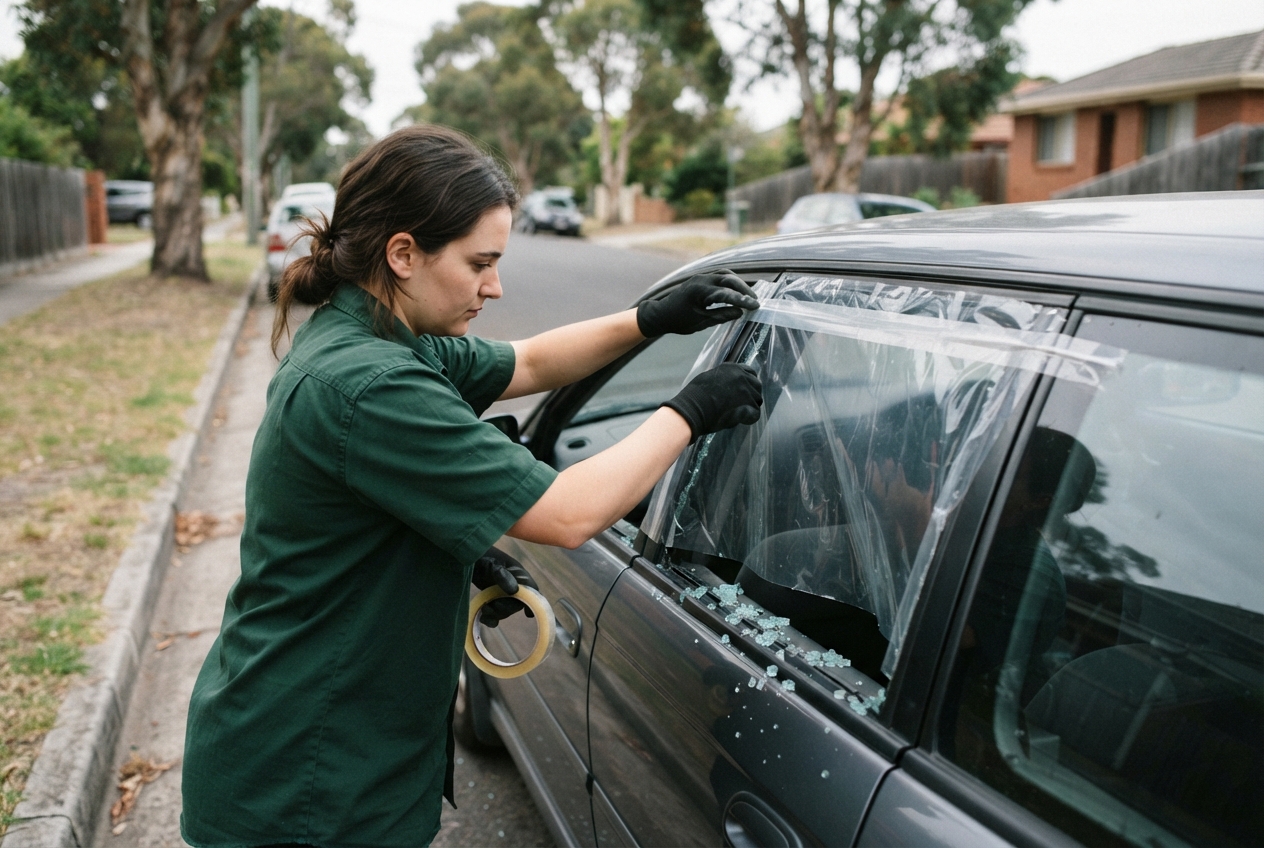
Windshield repair is a viable option for certain types of damage. Here are some factors to consider when deciding if repair is the right choice:
- Type and Size of Damage: Small chips or cracks that are less than 6 inches in length can often be repaired effectively. However, if the damage is extensive or obstructs your line of sight, replacement may be necessary.
- Location of Damage: The location of the damage also plays a role in determining whether repair is possible. Cracks that extend to the edge of the windshield or are in the driver’s line of sight may require replacement.
- Time and Cost: Windshield repair is generally quicker and more cost-effective than replacement. If time and budget constraints are important factors for you, repair may be the preferred option.
If your windshield meets these criteria, opting for repair can save you time and money while ensuring your safety on the road. Let’s now delve into the process of windshield repair.
Process of Windshield Repair
The process of repairing a damaged windshield involves several steps:
- Cleaning: The damaged area is thoroughly cleaned to remove any debris or loose glass particles.
- Resin Injection: A specialized resin is injected into the damaged area, filling the cracks or chips and restoring the structural integrity.
- Curing: The resin is cured using ultraviolet light, hardening it and bonding it to the glass.
- Polishing: The repaired area is polished to ensure a smooth surface and optimal visibility.
Once the repair process is complete, your windshield should be restored to its original strength and clarity. However, there are instances where windshield replacement becomes necessary. Let’s explore when replacement is the recommended course of action.
Benefits of Choosing Repair Over Replacement
While repair is often a preferred option due to its cost-effectiveness and time efficiency, there are certain situations where windshield replacement becomes necessary. Here are some benefits of choosing replacement:
- Extensive Damage: If the damage to your windshield is extensive or exceeds the repairable limits, replacement is the only viable solution.
- Safety Concerns: If the damage obstructs your view or compromises the structural integrity of your vehicle, replacing the windshield ensures your safety on the road.
- New Technology Integration: Windshields with advanced features like rain sensors or heads-up displays may require replacement to ensure proper functionality.
In such cases, opting for windshield replacement guarantees a fully restored and safe driving experience. However, how do you know when it’s time for a replacement? Let’s explore some signs indicating that you may need a new windshield.
Signs Indicating the Need for Replacement
If you notice any of these signs on your windshield, it’s likely time for a replacement:
- Larger Cracks: Cracks that are longer than 6 inches or extend to the edge of the windshield cannot be effectively repaired and require replacement.
- Deep Chips: Chips that penetrate through both layers of glass or have visible damage on the inner layer may compromise the structural integrity and necessitate replacement.
- Multiple Damages: If your windshield has multiple cracks or chips, it may be more cost-effective to replace it rather than attempting repairs on each individual damage.
Now that you understand the signs indicating the need for replacement, let’s analyze the cost implications of repair versus replacement.
Cost Analysis: Repair vs Replacement
The cost of repairing or replacing a windshield can vary depending on several factors, including:
- Type and Extent of Damage: Extensive damage or multiple cracks/chips may increase the cost of repair. Replacement costs also depend on the size and complexity of your windshield.
- Your Insurance Coverage: Some insurance policies cover windshield repairs or replacements, reducing your out-of-pocket expenses. Check with your insurance provider to understand your coverage.
- Labor and Material Costs: The labor and material costs associated with repair or replacement can vary between service providers. It’s advisable to obtain quotes from multiple sources before making a decision.
In general, repairing a small chip or crack is more affordable than replacing an entire windshield. However, if you have comprehensive insurance coverage that includes glass protection, your out-of-pocket expenses for a replacement may be minimal. Consider these factors when evaluating the cost implications of repair versus replacement.
Environmental Impact of Repair and Replacement
The environmental impact is another crucial aspect to consider when deciding between repair and replacement. Here’s a comparison of the environmental implications:
- Repair: Repairing a windshield generates less waste compared to replacement, as it involves fixing the existing glass rather than replacing it entirely. This reduces the demand for new glass production and minimizes landfill waste.
- Replacement: Windshield replacement requires manufacturing a new piece of glass, which consumes energy and resources. Additionally, disposing of the old windshield can contribute to landfill waste.
If sustainability is an important factor for you, opting for repair can help reduce your carbon footprint and minimize environmental impact.
Conclusion: Making the Right Choice for Your Windshield
In conclusion, when faced with windshield damage, it’s crucial to address it promptly to ensure your safety on the road. Understanding the anatomy of a windshield and its role in vehicle safety provides valuable insights into why even minor damages should not be ignored.
When deciding between repair and replacement, consider factors such as the type and size of damage, location of damage, time constraints, cost implications, safety concerns, and environmental impact. Windshield repair is often a cost-effective and time-efficient solution for small chips or cracks that meet certain criteria. However, extensive damage or safety concerns may necessitate windshield replacement.
Weighing these factors against your specific situation will help you make an informed decision that ensures your windshield is restored to its optimal condition while prioritizing your safety on the road. Remember to consult with professionals who can assess the damage accurately and provide expert advice tailored to your needs.
By choosing wisely between repair and replacement when it comes to your windshield, you can maintain both your vehicle’s safety and your peace of mind on every journey.