
Windscreen Repair for Rideshare and Uber: Essential Tips in Australia

Navigating the bustling streets of Australia as a rideshare or Uber driver offers a unique blend of freedom and opportunity. However, it also comes with its own set of challenges, one of the most critical being the upkeep of your vehicle’s integrity—starting with the windscreen. As the unsung hero protecting both you and your passengers from road debris and the elements, a well-maintained windscreen is essential for ensuring safety and compliance with vehicle standards. But what happens when a rogue pebble or an unexpected collision compromises your visibility? Windscreen repair for rideshare and Uber vehicles in Australia becomes not just a necessity but a priority.
In a country where regulations are as diverse as its landscapes, staying on top of windscreen repairs can mean the difference between seamless rides and costly fines. As a rideshare driver, your vehicle is your livelihood, and every crack or chip has the potential to disrupt your earnings or even your safety rating. Understanding the local laws, knowing when a repair is sufficient versus when a replacement is necessary, and finding reliable service providers can transform potential setbacks into minor hiccups. In this post, we delve into the essential tips every Australian rideshare and Uber driver needs to know to keep their windscreens—and their journeys—clear and uninterrupted.
Understanding Australian Regulations on Windscreen Repairs
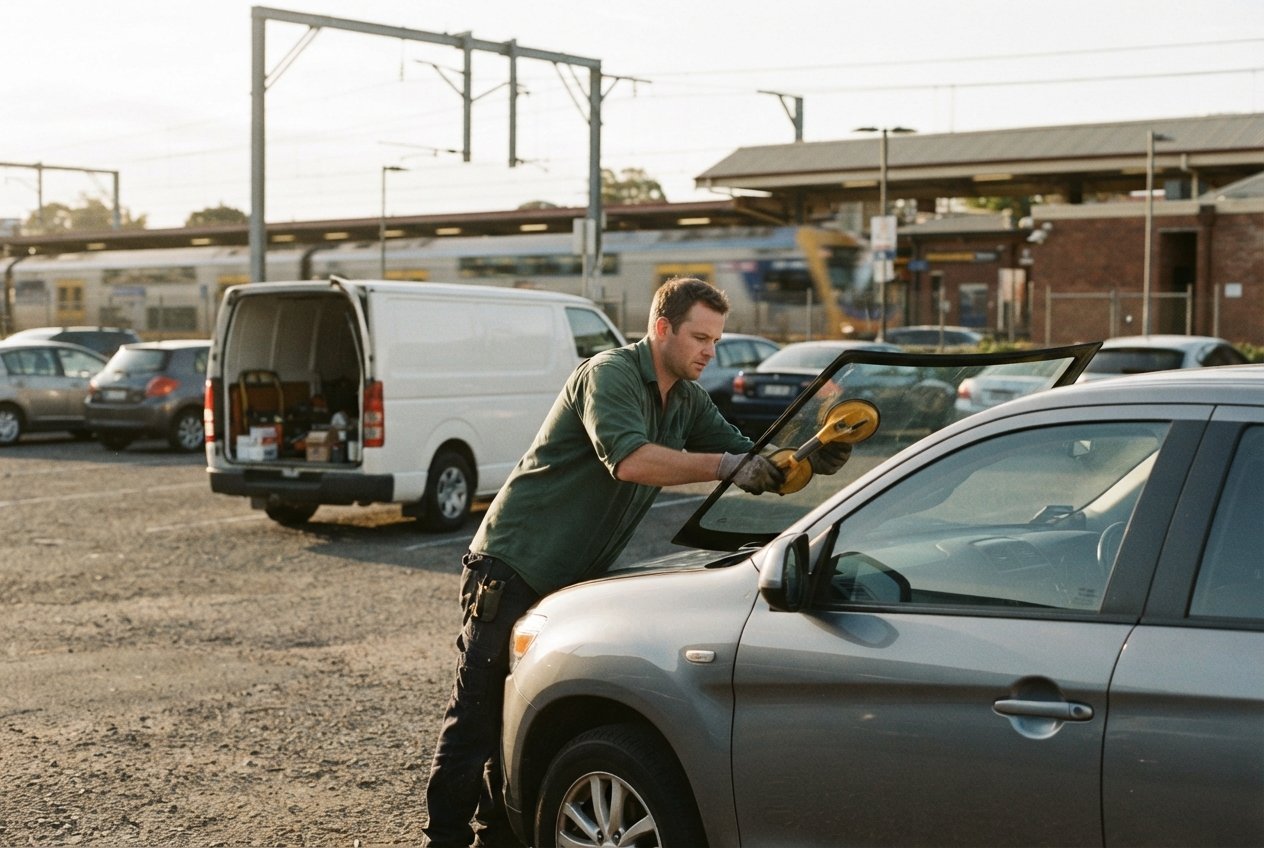
Each state and territory in Australia enforces its own regulations regarding windscreens, from permissible chip sizes to mandatory reporting thresholds. The Australian Design Rules (ADRs) set out national performance standards for vehicle safety, including windscreen strength, clarity and glazing requirements. Beyond ADRs, individual Transport for NSW, VicRoads, Queensland Transport and other authorities issue specific directives on when a windscreen must be repaired or replaced to pass a roadworthy inspection. For rideshare drivers, non-compliance can result in hefty fines or deregistration of your vehicle from Uber or similar platforms.
It’s vital to familiarise yourself with both national and local requirements. Generally, chips or cracks larger than 10mm within the driver’s line of sight must be addressed immediately. In addition, any damage that compromises the windscreen’s structural integrity—such as cracks extending to the edge—automatically triggers a replacement requirement in most jurisdictions. Staying informed about these regulations not only helps you avoid penalties but also ensures you uphold the high safety standards expected of professional rideshare services.
Signs of Windscreen Damage: When to Take Action
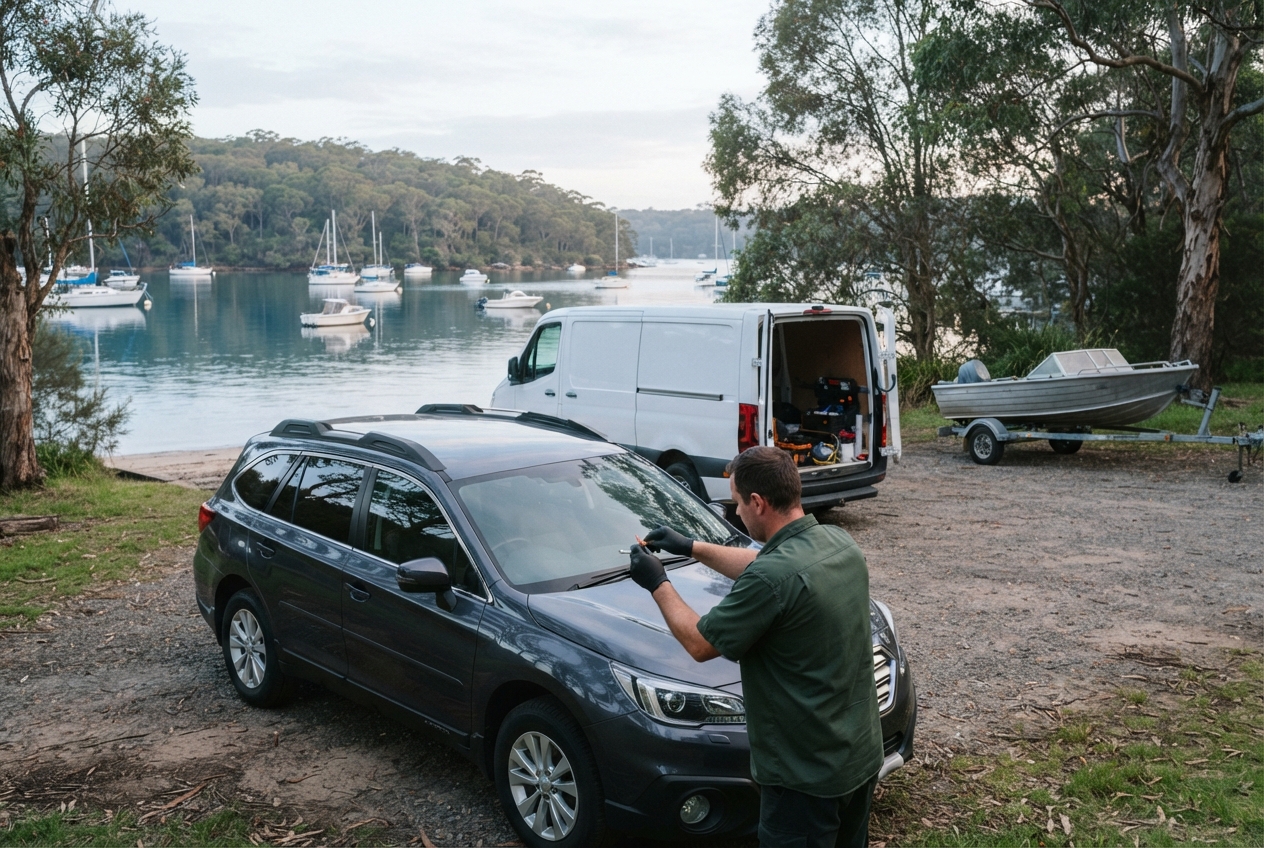
Early detection of windscreen damage can save you from more extensive—and expensive—repairs down the track. Small chips or star-shaped cracks often start innocently when road debris strikes your windscreen. If left unchecked, temperature fluctuations, vehicle vibrations and further impacts can quickly turn a minor blemish into a full-blown crack that necessitates a complete windscreen replacement.
As a rideshare or Uber driver, pay special attention to any glass fractures appearing within the driver’s sightline or near the edges. Even superficial dings can scatter light at night, causing distracting glare that affects your ability to drive safely. Acting swiftly at the first sign of damage not only preserves the integrity of your windscreen but also keeps your passengers confident in your professionalism and commitment to safety.
Differences Between Windscreen Repair and Replacement
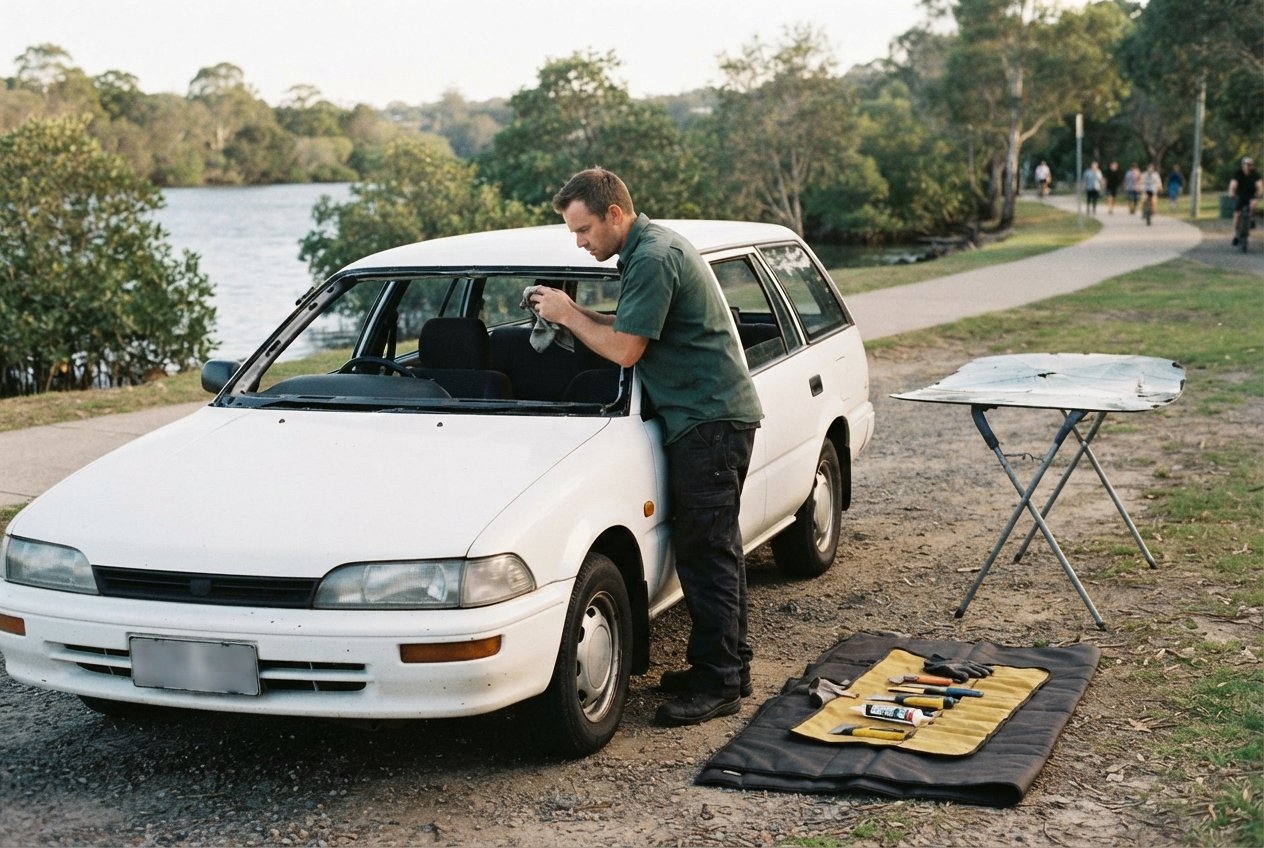
Windscreen repair involves injecting a clear resin into minor chips and small cracks to restore structural strength and optical clarity. This process can be completed quickly—often within 30 minutes—and is considerably cheaper than replacement. It also helps retain original factory seals, sensors and cameras mounted behind the glass, which is particularly important for modern vehicles equipped with advanced driver-assist systems.
On the other hand, windscreen replacement is required when damage is too extensive, such as long cracks over 30cm, multiple impact sites, or chips located directly in the driver’s line of sight. Replacing the entire glass panel ensures full visibility and structural integrity but comes with higher costs and longer downtime. For rideshare drivers, this can mean lost earnings during the period the vehicle is out of service. Balancing cost, safety and downtime considerations will guide you in choosing between repair and replacement.
Choosing the Right Windscreen Repair Service Provider
Selecting a reputable service provider is crucial for ensuring that your windscreen repair or replacement meets manufacturer specifications and local regulations. Look for technicians certified by the Auto Glass Association of Australia (AGAA) or those offering guarantees on workmanship and materials. Many mobile repair services cater specifically to rideshare drivers, travelling to your location—whether at home or between rides—to carry out repairs with minimal disruption to your schedule.
Read customer reviews and ask about warranty terms, including coverage for resin yellowing or seal failures. A reliable provider will also perform a comprehensive quality check post-repair, ensuring that sensors, cameras and rain-sensing wipers remain calibrated and fully functional. By partnering with a trusted specialist, you protect your livelihood, maintain compliance and keep your windscreen—and your passengers—safe on every trip.
Cost Considerations for Windscreen Repairs
The cost of windscreen repair or replacement varies according to several factors: the type and extent of damage, the make and model of your vehicle, the glass supplier’s pricing and whether you choose mobile service or a workshop visit. Any insurance excess depends on your individual policy, so it’s worth checking your policy documents or asking your insurer. Always request a detailed quote upfront, including post-repair quality checks and calibrations. Compare quotes from multiple providers to find competitive pricing without sacrificing quality, keeping your out-of-pocket expenses in check while ensuring top-notch craftsmanship.
Impact of Windscreen Condition on Safety Ratings
A compromised windscreen isn’t just a cosmetic problem—it directly affects your vehicle’s safety rating and your rideshare performance metrics. Visibility obstructions increase the risk of accidents, while weakened structural integrity reduces protection in the event of a rollover or collision. Uber and other platforms monitor driver ratings closely; passengers may deduct stars if they perceive an unsafe or neglected vehicle.
Moreover, modern windscreens often house cameras and sensors vital to features like lane-departure warning, automatic braking and adaptive cruise control. Even a small misalignment during replacement can throw these systems out of calibration, leading to false alerts or system failures. Ensuring your windscreen remains in pristine condition safeguards both your safety rating and the advanced technologies that enhance on-road protection for you and your passengers.
Insurance Coverage for Windscreen Repairs
Many comprehensive car insurance policies in Australia include automatic windscreen glass coverage, often with no excess or a reduced excess for repairs. This can make minor chip or crack repairs essentially free of charge. However, full windscreen replacements may attract your standard excess, so it’s important to understand your policy details before lodging a claim.
Some insurers offer optional “glass cover” add-ons, waiving excess entirely for windscreen repairs or replacements. Claiming through insurance can save you money, but repeated claims may affect your no-claim bonus. Weigh the potential premium increases against the repair cost—sometimes paying out of pocket for a small chip is more economical than claiming. Always notify your insurer promptly to ensure your windscreen repair for rideshare and Uber vehicles in Australia is covered under your policy terms.
DIY Temporary Fixes for Windscreen Damage
When you’re between rides and need a quick fix before seeing a professional, a few DIY measures can help prevent damage from spreading. Clear packing tape or a purpose-made windscreen repair patch applied over the chip or crack keeps out dirt and moisture, preserving the area until you arrange an expert repair. Ensure the glass is clean and dry before application to maximize adhesion.
Alternatively, a clear, fast-drying nail polish can temporarily seal tiny surface chips. Carefully apply a single thin coat over the centre of the damage and let it cure fully. While these methods are not substitutes for professional service, they buy you time and help maintain visibility, keeping your rideshare business on the road without compromising safety.
Maintaining Windscreen Integrity for Longevity
Proactive maintenance goes a long way in preventing unsightly damage. Regularly inspect your windscreen for small chips and cracks, especially after long highway runs where flying debris is more common. Clean the glass with a soft microfibre cloth and an ammonia-free glass cleaner to avoid chemical damage to tints and adhesives.
When parking, choose shaded areas or use a windshield sunshade to minimise thermal stress that can exacerbate small cracks. Maintain proper tyre pressure to reduce vibrations on rough roads, and leave a safe following distance to minimise the chance of stones being flung at your windscreen. Simple habits like these not only extend the life of your glass but also protect your bottom line by reducing repair frequencies.
Conclusion: Prioritizing Windscreen Maintenance for Seamless Rides
For rideshare and Uber drivers in Australia, the windscreen is more than just a piece of glass—it’s a critical safety component and a cornerstone of your professional reputation. Promptly addressing any chips, cracks or other damage ensures you remain compliant with regulations and maintain high passenger ratings.
By understanding local laws, choosing reputable service providers, leveraging insurance benefits and practising proactive upkeep, you safeguard your vehicle, your earnings and most importantly, lives on the road. Keep your windscreen—and your journey—clear and uninterrupted with smart maintenance and timely repairs.