Window Tinting Laws in NSW: What’s Legal in 2026
Window tinting can cut glare and heat, but go too dark in NSW and you’re looking at a fine, demerit points, and a defect notice. Here’s what’s actually legal in 2026.
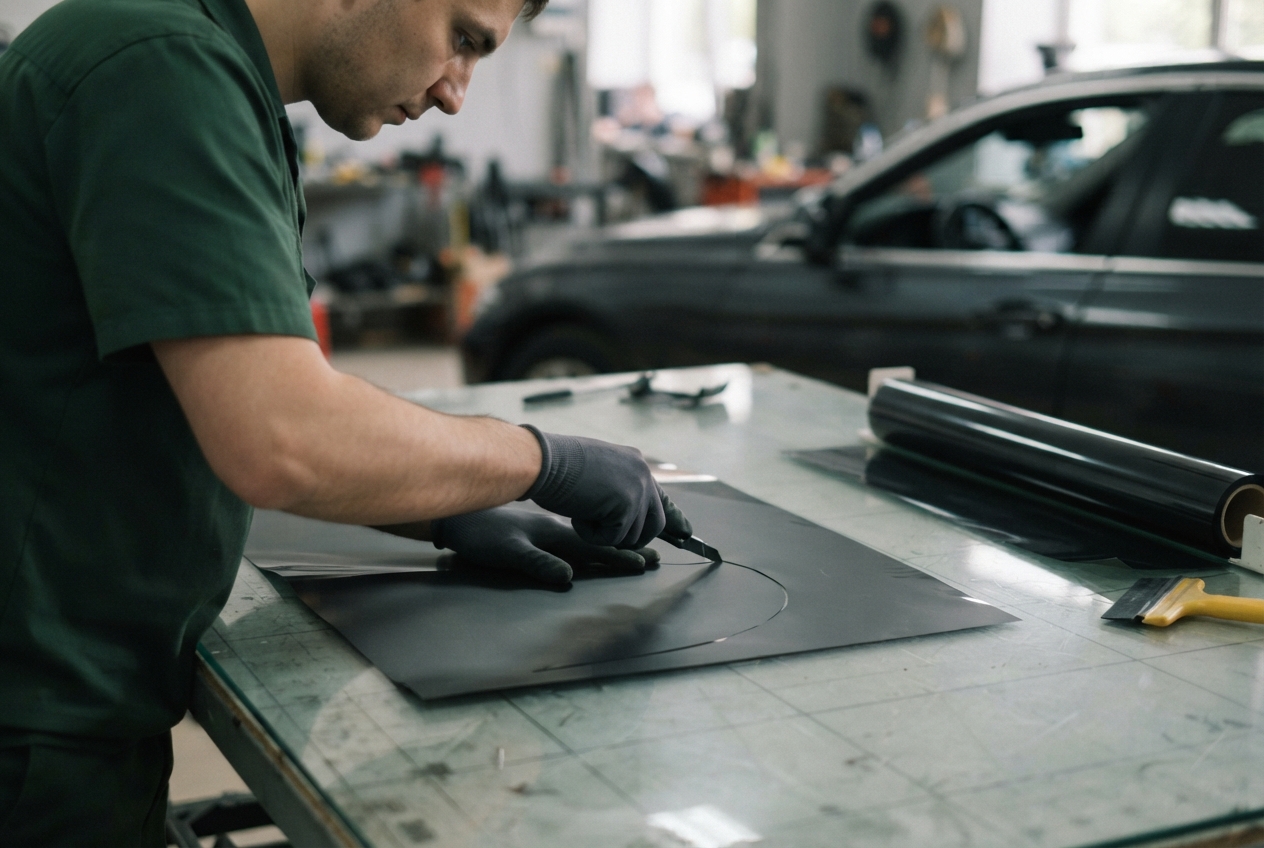
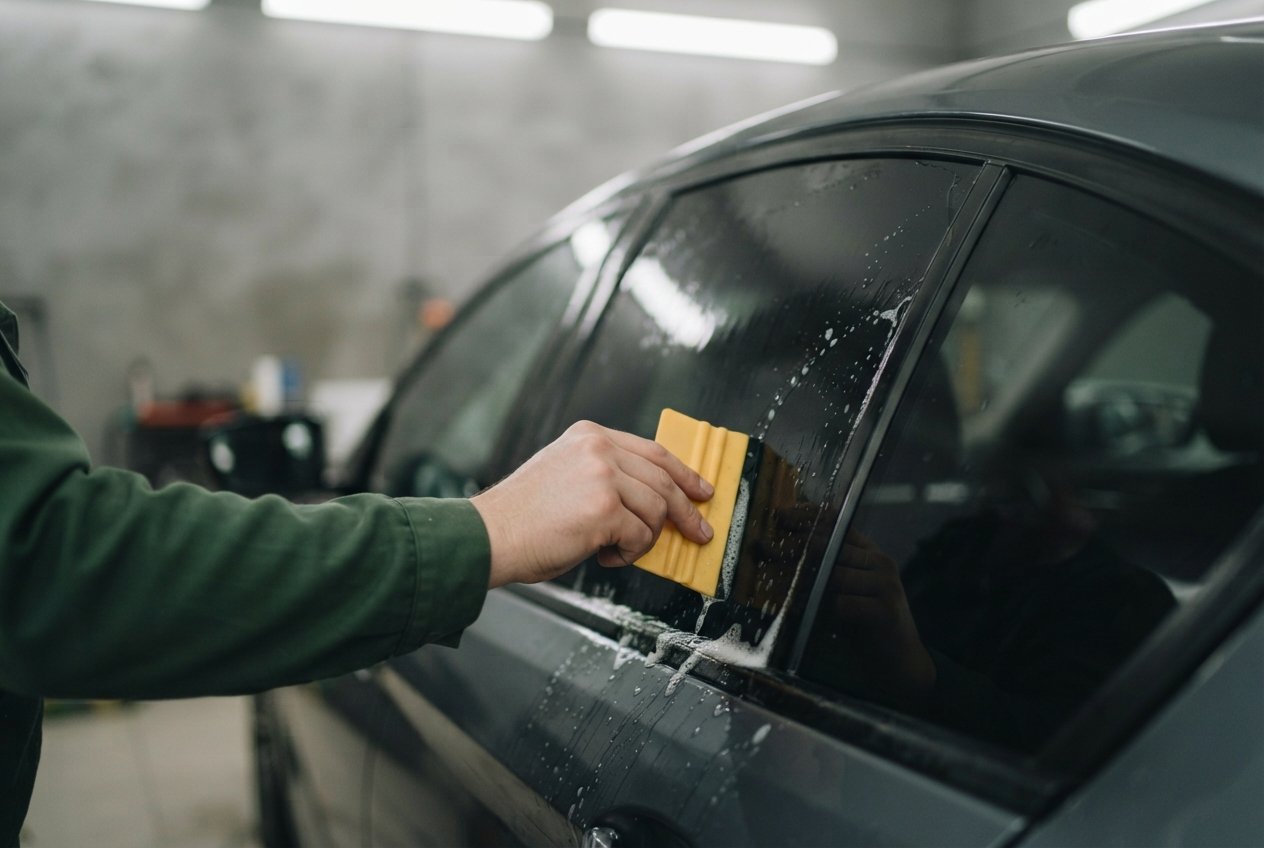
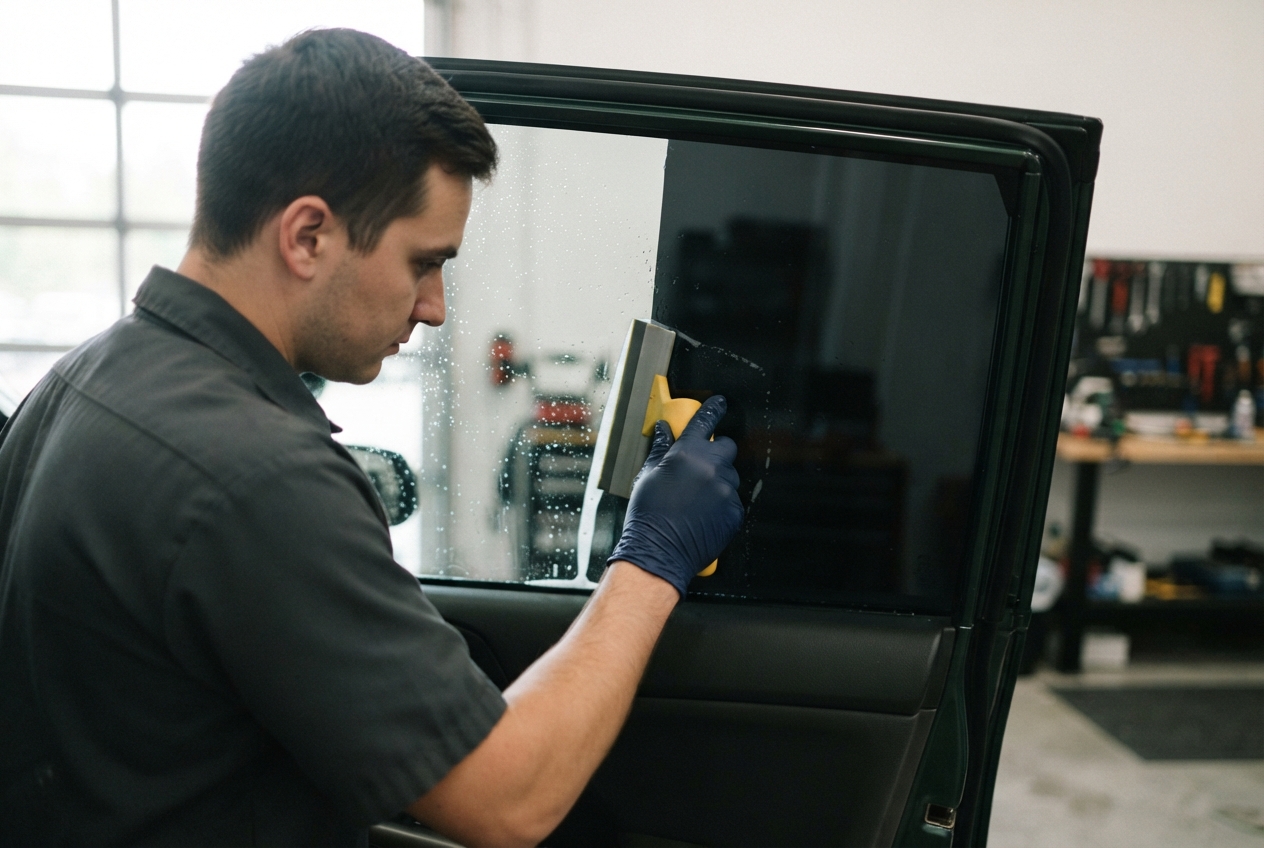 Closeup image of a handsome car mechanic worker, wearing black uniform, attaching tinting foil to car window in specialized service station.
The VLT Numbers You Need to Know
Tint darkness is measured by Visible Light Transmission (VLT) - the percentage of light that passes through the glass and film combined. In NSW, the minimum VLT limits are: front windscreen - no tint allowed except on the top band above the manufacturer’s shaded strip, or the top 10% of the glass; front side windows - minimum 35% VLT; rear side windows - minimum 20% VLT; rear windscreen - minimum 20% VLT, provided the vehicle has right and left exterior mirrors fitted.
What Finishes Are Banned
Reflective or mirror-like tint isn’t permitted on any window, and coloured films outside of standard neutral tones aren’t compliant either. These rules exist to limit glare for other road users and keep the vehicle’s factory glass visibility characteristics intact.
Why These Limits Exist
The rules balance a few things: enough visibility for the driver at night and in poor weather, enough visibility of the driver for police and other road users, and compatibility with safety features like reversing cameras and sensors that can be affected by very dark or reflective film.
What Happens If You’re Caught Non-Compliant
As of 2026, driving with illegal window tint in NSW can result in a fine of $349, 3 demerit points, and a Major Defect Notice, which requires you to have the tint fixed and the vehicle re-inspected before it’s considered roadworthy again. Fines and demerit points are set by NSW authorities and can change, so it’s worth checking the current figures if you’re ever unsure.
Getting a Compliance Check Before You Commit
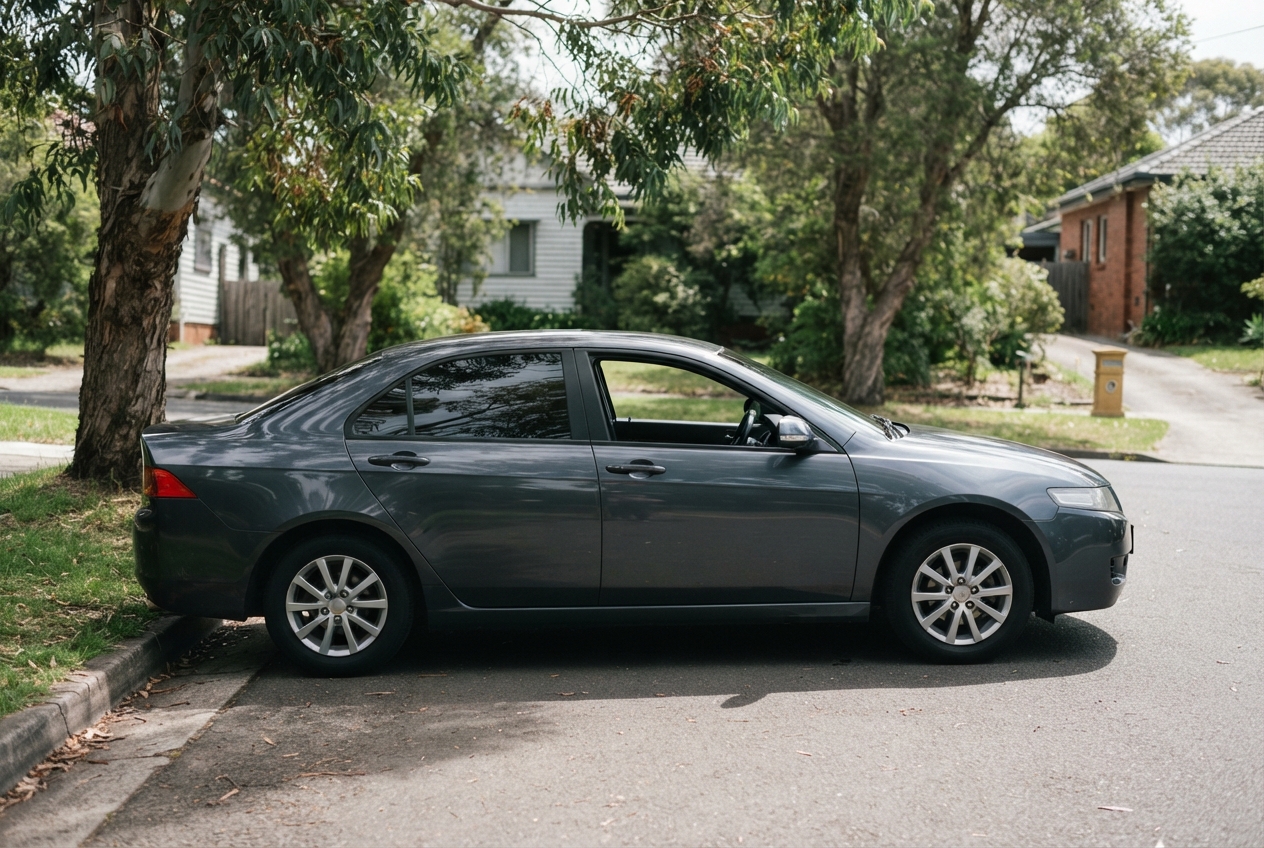
A reputable tinter will test film darkness with a light meter before and after installation and can tell you exactly what VLT percentage you’re getting on each window. It’s worth asking for this confirmation in writing, since it protects you if your tint is ever questioned during a roadside check or inspection.
Are There Exemptions?
Medical exemptions for darker-than-standard tint do exist in NSW for certain light-sensitivity conditions, but they require specific medical documentation and approval through Transport for NSW. If you think you might qualify, contact Transport for NSW directly for the current application process, since exemption rules and paperwork can change.
FAQ
Can I tint my windscreen at all?
Only the top band - either above the manufacturer’s shaded strip or the top 10% of the glass, whichever sits lower. The rest of the windscreen can’t be tinted.
What tint percentage is legal for side windows?
Front side windows need a minimum of 35% VLT, and rear side windows need a minimum of 20% VLT.
Will illegal tint fail my rego inspection?
Yes. Non-compliant tint can result in a Major Defect Notice at a roadworthy inspection, meaning the vehicle won’t pass until the tint is brought up to standard.
Get Compliant Tinting
We test every job with a light meter so you know exactly what you’re getting and that it’s legal. Make an appointment or call 0405 412 951 to book a compliant tint for your car.