 Aussie AutoGlass
- November 17, 2025
- By feng gao
- In Service Areas, windscreen maintenance, windscreen replacement
- Tags autoglass replacement, repair near me, Same day repaire
- 564
- 0
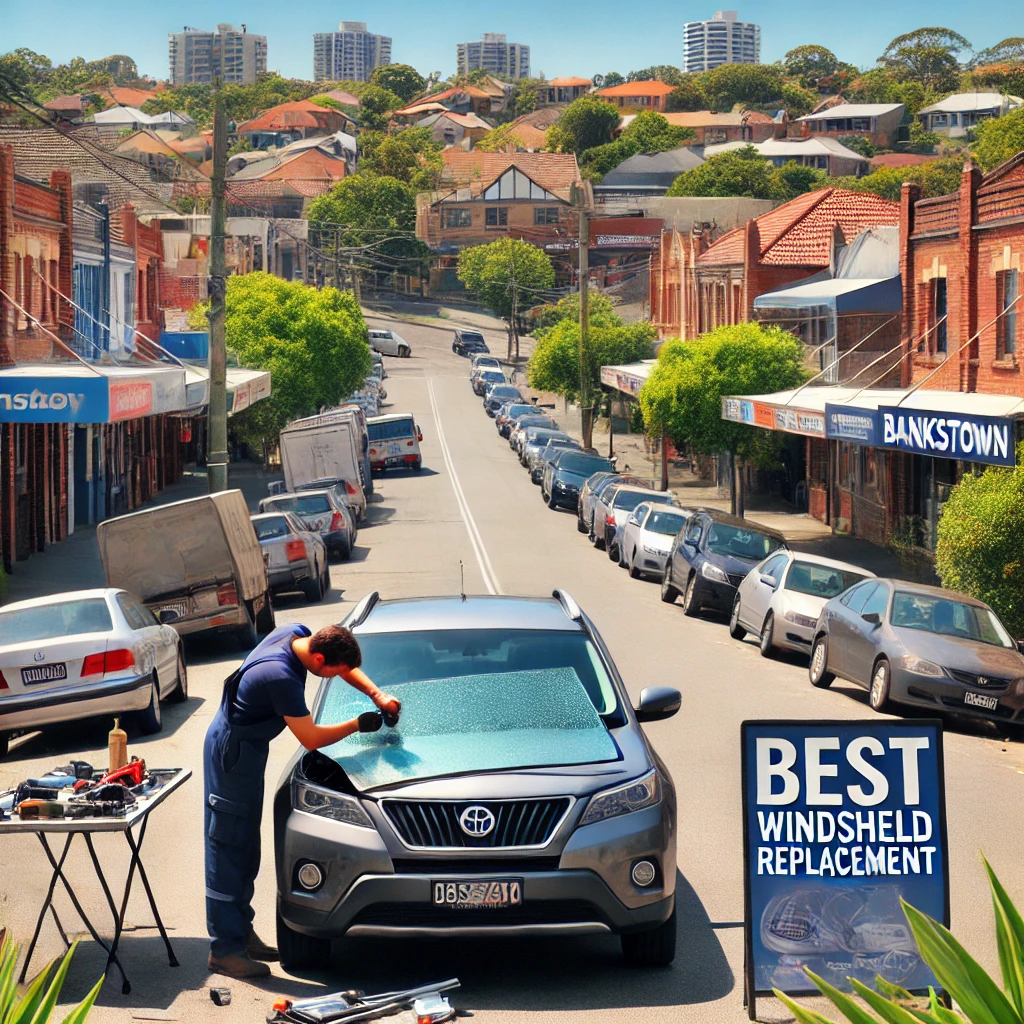

Picture this: you’ve just had your car’s windscreen replaced after an unfortunate crack, and it feels as though your vehicle has been given a new lease on life. But then comes the inevitable question that many car owners ponder—how soon can I wash my car after windscreen replacement? While it might be tempting to give your car a thorough cleaning right away, diving into this too soon can undo all the meticulous work put into installing that gleaming new glass.
Timing is everything when it comes to preserving the integrity of your new windscreen. During the replacement process, special adhesives are used to ensure that the windscreen is securely affixed. These adhesives need proper time to cure and bond effectively before being exposed to the potentially harsh elements of water and detergent. Understanding the right balance between your car’s maintenance desires and the practical need for patience will not only safeguard your investment but also extend the life of your windscreen. In the upcoming sections, we delve deeper into the ideal waiting period and the best practices to follow post-replacement.

Following a windscreen replacement, patience is paramount to ensure the safety and longevity of your vehicle’s new glass. The adhesive sealant used during installation requires a specific period to cure properly, bonding the windscreen firmly to the vehicle’s frame. Rushing into a wash or exposing the windscreen to water jets and detergents before this curing process completes can compromise the seal, leading to potential leaks, wind noise, or even the windscreen dislodging in extreme conditions.
A common concern among car owners is “How soon can I wash my car after windscreen replacement?” While it’s tempting to keep your vehicle looking pristine, washing it too soon may undermine the integrity of the adhesive. The curing process not only solidifies the bond but also ensures the chemical properties of the sealant reach full strength. By waiting the recommended time, you safeguard against moisture intrusion, avoid microscopic shifts in the glass positioning, and ultimately protect your investment. Recognizing the importance of this waiting period is the first step toward preserving the performance and safety of your newly replaced windscreen.

Several variables determine how long you should wait before washing your car after a windscreen replacement. One of the primary factors is the type of adhesive used. Different manufacturers formulate sealants with varying cure times—some may reach initial strength within an hour, while others require up to 24 hours for full bonding. Temperature and humidity levels also play a significant role; colder climates slow the curing process, whereas warm, dry conditions accelerate it.
The complexity of the replacement job itself can further influence the waiting period. If specialized primers or surface activators were applied prior to setting the new glass, these chemicals might need additional time to stabilize. Vehicle model and build quality are also considerations—some cars feature intricate trim, sensors, and camera calibrations around the windscreen that must settle before exposure to water. Always consult your service technician about these specifics, as they can offer tailored guidance based on the exact materials and environmental conditions during installation.
Most auto glass professionals recommend waiting at least 24 hours before subjecting a newly replaced windscreen to a thorough wash. This period typically allows the adhesive to reach sufficient strength to withstand water pressure, detergents, and the mechanical stress of cleaning tools. In milder climates, technicians might suggest a minimum of two hours for the adhesive to set, but it’s safer to err on the side of caution and observe a full day’s waiting period.
For those in cooler or humid regions, extending the wait time to 48 hours may be advisable. Always verify with your installer: they will have insights into the exact cure schedule of the adhesive used on your vehicle. By adhering to these guidelines, you reduce the risk of water seeping under the seal, which could damage the interior, compromise vehicle electronics, or even lead to fogging issues between multi-layered glass panes. Remember, the question of “How soon can I wash my car after windscreen replacement” should be answered by prioritizing the adhesive’s curing timeline over your eagerness for a spotless finish.
Jumping the gun on a post-replacement wash can introduce a host of problems. Water infiltration beneath the sealant layer may not be immediately apparent, but over time it can lead to mold growth, interior damage, and persistent damp odors. Compromised seals can also allow wind noise and vibrations to enter the cabin, diminishing driving comfort and overall vehicle integrity.
High-pressure washers, in particular, can exert forces that weaken or displace the sealant before it cures completely. If the windscreen shifts even slightly, it can affect the calibrations of advanced driver-assistance systems (ADAS) such as lane-keeping assist, adaptive cruise control, and automatic emergency braking. Additionally, premature washing may void warranties on both the adhesive and the windscreen itself, leaving you responsible for costly repairs down the line.
Once the adhesive has fully cured, adopting gentle cleaning methods is essential to maintaining your windscreen’s clarity and longevity. Begin with a soft microfiber cloth to remove loose dirt and debris without scratching the glass surface. Use a pH-neutral car shampoo diluted according to the manufacturer’s instructions—harsh chemicals can degrade the sealant at the edges over time.
For stubborn spots, dampen the cloth with distilled water or a dedicated glass cleaner, applying light pressure in circular motions. Avoid abrasive pads or scrubbers that could cause micro-abrasions on the glass. When rinsing, opt for a low-pressure setting to ensure you don’t inadvertently pressurize any areas where the sealant meets the car’s frame. By following these measured steps, you’ll keep your windscreen spotless while preserving its structural integrity.
Not all cleaning solutions are created equal—some can wreak havoc on fresh windscreen installations. Acidic or ammonia-based cleaners should be avoided; they can erode the sealant and weaken the adhesive bond over time. Similarly, household glass cleaners often contain solvents that strip protective coatings, making the glass more susceptible to scratches and stains.
Steer clear of abrasive polishes or paste cleaners marketed for removing tough stains from glass. These products typically contain grit particles designed to scour away layers of grime, but they can also thin out factory-applied hydrophobic coatings or etch the surface of your windscreen. Instead, choose products specifically formulated for automotive glass care, and always consult the manufacturer’s guidelines before use to confirm compatibility with your vehicle’s windscreen.
Even after the curing period, professional checks can help ensure your windscreen remains in optimal condition. Many auto glass shops offer follow-up inspections within a week of replacement to verify that the adhesive has settled correctly and that no leaks or alignment issues have arisen. These checks are especially important for vehicles equipped with ADAS cameras or sensors mounted on the windscreen.
During routine servicing, inform your mechanic about the recent windscreen replacement so they can inspect the seal integrity and sensor calibrations. If you notice any water drips, unusual noises, or distortion around the glass, contact your service provider immediately. Timely professional intervention can prevent minor sealant issues from escalating into major repairs.
Maintaining your windscreen goes beyond the initial wash—consistent, gentle care will protect your investment for years. Regularly clean the glass using a soft cloth and automotive glass cleaner, removing road grime, bird droppings, and insects soon after they appear. These contaminants can become acidic over time, etching into the glass and reducing visibility.
Inspect your windscreen periodically for chips or cracks from flying debris. Addressing small imperfections quickly can prevent the damage from spreading. Additionally, keep your wipers in good condition by replacing blades every six to twelve months; worn wiper blades can scratch the glass during use. Finally, park in shaded areas or use a sunshade to shield the windscreen from prolonged UV exposure, which can degrade both the glass and the adjacent sealant.
One frequent error is applying heavy-duty water repellents immediately after installation. These treatments often require their own curing time and can interfere with the glass-to-adhesive bond if used too soon. Similarly, using high-pressure car washes, especially drive-through tunnels, can misalign fresh seals and compromise sensor calibrations.
Another misstep is neglecting to follow the installer’s specific aftercare instructions. Each replacement job may involve unique primers or adhesives that carry their own guidelines. Skipping routine post-installation inspections or delaying minor touch-ups can escalate into costly repairs. By avoiding these pitfalls—rushing the first wash, using incompatible products, or overlooking professional advice—you’ll maximize the safety and lifespan of your new windscreen.
Patience and proper care are the cornerstones of maintaining a newly replaced windscreen. Waiting the recommended period before washing allows adhesives to cure fully, ensuring a secure seal and preserving the glass’s performance. Using gentle cleaning methods and avoiding harsh chemicals will further protect both the windscreen and its sealant over time.
By consulting professionals for follow-up inspections and adhering to long-term maintenance tips—such as regular cleaning, wiper blade replacements, and prompt chip repairs—you can enjoy clear visibility and peace of mind on every journey. Prioritizing these practices will safeguard your investment and keep your windscreen in top condition for years to come.
Book your appointment now and get 10% discount.
And give us google 5 Stars feedback and get a free drink on us.
MAKE APPOINTMENT


