
Unveiling the True Windscreen Glass Replacement Cost in 2023
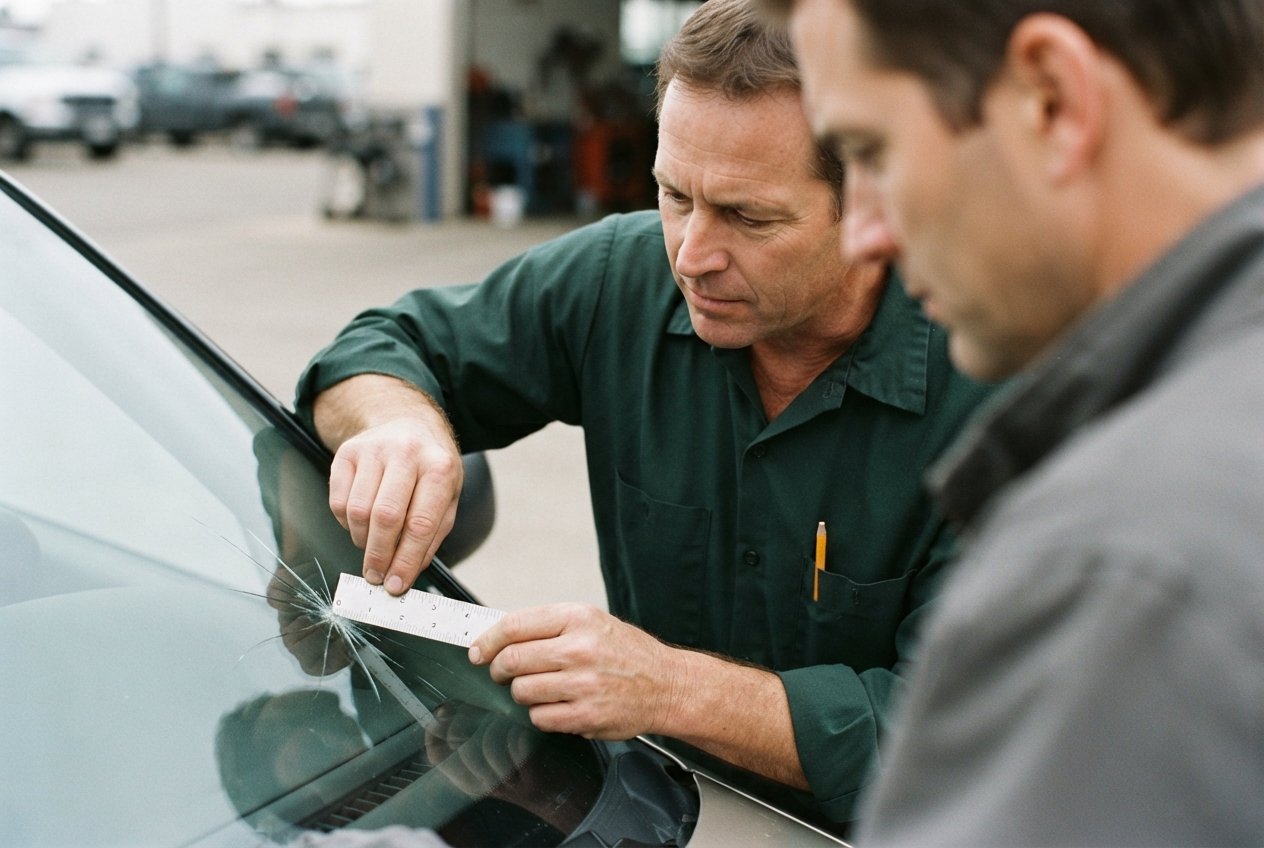
Every driver knows the sinking feeling that accompanies a crack or chip in the windscreen. It’s not just an eyesore; it’s a critical safety component of your vehicle. Yet, the process of replacing it can feel like navigating a minefield of hidden fees and unexpected expenses. In 2023, the landscape of windscreen glass replacement cost has shifted, influenced by technological advancements, economic fluctuations, and changing regulations. But how do these factors really impact the amount you pay out-of-pocket?
Imagine driving down the highway when suddenly, a small stone pings off your screen, leaving a mark. It’s a moment that’s all too familiar for many, yet the subsequent steps can be a mystery. This guide unveils everything you need to know, demystifying the true costs associated with windscreen replacements today. From insurance considerations to choosing between OEM and aftermarket products, we’ll uncover the influences driving those numbers up or offering opportunities to save. Are you ready to equip yourself with the knowledge to make informed decisions and avoid unexpected charges? Let’s dive in.
Factors Impacting Windscreen Glass Replacement Cost
When assessing windscreen glass replacement cost, numerous variables come into play. The most obvious factor is the extent of damage. A small chip may be repairable at minimal cost, whereas a spiderweb crack often requires full replacement. The vehicle’s make and model also have a significant impact—luxury or specialty cars typically use bespoke glass types with built-in sensors or heating elements, driving up both part and labor costs. Even the geographic location matters: urban areas with higher overhead and labor rates generally see steeper pricing than rural or suburban service centers.
Another key consideration is the type of glass selected. Original Equipment Manufacturer (OEM) windshields tend to carry a premium price tag compared to aftermarket equivalents, but they offer precise fit and factory-grade safety standards. Labor costs vary based on technician expertise and whether advanced calibration is required for ADAS (Advanced Driver Assistance Systems) cameras or rain sensors. Seasonal demand and shop availability can further influence pricing—peak summer and winter may see spikes due to weather-related damage surges. Being aware of these factors helps drivers anticipate the true bill when they start researching windscreen glass replacement cost.
Technological Advancements in Windscreen Glass

\
In recent years, automotive windscreen technology has evolved from simple laminated safety glass to complex smart panels. Modern windscreen glass replacement cost now often includes embedded features such as heads-up display projectors, rain-sensing wipers, and lane-departure warning cameras. These integrations require precise factory calibrations and specialized adhesives designed to maintain sensor alignment under diverse temperature conditions. As a result, replacing a high-tech windshield is substantially more expensive than swapping out a plain pane.
Manufacturers are also exploring novel coatings and self-healing polymers that repel water, resist scratches, and seal minor chips automatically. While these innovations promise longer service life and increased safety, the upfront cost remains elevated. Installation technicians must undergo additional training to handle these materials correctly, and the shops invest in calibration tools to ensure ADAS components function as intended. Ultimately, while technological advancements improve driver safety and convenience, they have undeniably pushed the windscreen glass replacement cost in 2023 to new heights.
Economic Fluctuations and Pricing Trends
Economic factors play a pivotal role in shaping windscreen glass replacement cost. Global supply chain disruptions, which began during the pandemic, continue to affect raw material availability and shipping times. Glass manufacturers may pass on increased production costs—driven by higher energy prices and freight charges—to distributors and service centers. Additionally, fluctuations in currency exchange rates can make imported OEM glass more expensive for markets relying on overseas suppliers.
Inflationary pressures across the auto repair industry have led to rising labor rates and parts markups. As living costs climb, technicians demand higher wages, and repair shops adjust pricing accordingly. Seasonal promotions and competitive local markets can offset these pressures somewhat, but nationwide averages have still seen a noticeable uptick in overall windscreen glass replacement cost this year. Consumers should keep an eye on regional pricing trends and consider obtaining multiple quotes to navigate these economic headwinds effectively.
Regulations Affecting Windscreen Replacement Costs
Governments enforce strict regulations to ensure vehicle safety, and windscreen standards are no exception. In many regions, a replacement glass must meet specific visibility, impact resistance, and light transmittance criteria. Complying with these regulations often requires certified OEM or equivalent aftermarket products, which can be pricier. Non-compliant or substandard glass may not pass safety inspections, leading to fines or mandatory re-replacement.
Additionally, any calibration of Advanced Driver Assistance Systems (ADAS) like adaptive cruise control or collision warning cameras must adhere to manufacturer guidelines. Accredited technician training and specialized calibration equipment impose extra costs. Failure to perform post-replacement calibrations can result in malfunctioning safety systems, potentially invalidating warranties or insurance claims if an accident occurs. Staying abreast of evolving regulatory requirements is crucial for both service providers and vehicle owners aiming to manage windscreen glass replacement cost correctly.
Importance of Windscreen Insurance Coverage
Insurance coverage can significantly offset windscreen glass replacement cost, but policies vary widely. Comprehensive auto insurance often includes glass repair or replacement with a defined deductible. Some insurers even offer zero-excess windscreen coverage, meaning you pay nothing out of pocket when you file a claim. Before replacement, review your policy details to determine if you’re covered and what documentation is required for a claim.
Certain insurance providers partner with preferred glass repair shops, offering discounted rates to policyholders. Using these network partners may reduce administrative hassles and guarantee quality workmanship. However, opting for an out-of-network service could save you money if you find a reputable local installer with better rates—but you’ll likely pay up front and seek reimbursement later. Weighing the benefit of immediate service versus potential extra costs can help you optimize your windscreen glass replacement cost by leveraging your insurance effectively.
OEM vs. Aftermarket Windscreen Products: Cost Analysis
When considering windscreen glass replacement cost, one of the most significant decisions is choosing between OEM and aftermarket glass. OEM units are produced by the original vehicle manufacturer or certified partners, ensuring perfect fit and retention of all factory-installed sensors and cameras. This guarantees compliance with safety standards but usually carries a premium price tag, sometimes up to 30% more than aftermarket alternatives.
Aftermarket windscreens offer cost savings, as third-party manufacturers produce them to fit multiple models. Quality varies, so it’s crucial to select reputable vendors with proven performance records. While aftermarket glass can reduce windscreen glass replacement cost by as much as 20–25%, buyers must verify that it meets or exceeds regulatory safety criteria. Ultimately, the choice hinges on budget, warranty expectations, and the importance of factory-spec calibration for ADAS functionalities.
Hidden Fees and Charges to Watch Out For
The advertised price for windscreen glass replacement cost rarely reveals the complete bill. Many shops tack on extra charges such as hazardous waste disposal fees for old glass, shop supplies, and environmental levies. Mobile service calls, where a technician comes to your home or workplace, frequently carry a convenience fee. Always ask for a detailed breakdown of these potential add-ons before authorizing work.
Calibration fees are another common surprise. Advanced Driver Assistance Systems must be realigned after windshield replacement, and while some repair centers include this service in their quote, others charge separately. Taxes and surcharges can also inflate the final invoice. By requesting a transparent estimate up front, drivers can anticipate all costs and avoid unwelcome surprises when settling the windscreen glass replacement cost.
Tips for Saving on Windscreen Replacement Costs
Proactive measures can help lower the windscreen glass replacement cost. If the damage is minor—a small chip or crack under a certain length—consider repair rather than full replacement. Repair kits are available for DIY enthusiasts, though professional repair often yields better results with minimal expense. Shop around and obtain multiple estimates from certified installers to identify the most competitive rates.
Leverage your insurance by choosing network repair centers with negotiated discounts. Schedule appointments during off-peak times—shops may offer midweek or offseason promotions. Ask about bundling services if you need other auto glass work, as many providers offer package deals. Finally, inquire about refurbished or remanufactured windscreen options, which can offer OEM quality at reduced cost. These strategies empower you to manage windscreen glass replacement cost without compromising safety.
Professional Windscreen Replacement Services vs. DIY Options
For many drivers, the allure of DIY windscreen replacement is cost savings. Removing the old glass requires proper tools to safely cut through urethane adhesive without damaging the vehicle’s paint or structure. Professional technicians use calibrated alignment rigs and factory-grade adhesives to ensure a watertight, airtight bond that can withstand extreme temperatures and stresses.While DIY solutions may reduce labor charges, they carry risks: improper adhesion can lead to leaks, wind noise, or even windshield detachment during an accident. Insurance policies may deny coverage if installation isn’t performed by a certified professional. Investing in a reputable service may cost more upfront, but it offers peace of mind with warranties, trained technicians, and adherence to safety regulations—factors that justify the higher windscreen glass replacement cost for many vehicle owners.
Conclusion: Navigating the True Cost of Windscreen Glass Replacement
Understanding the elements that affect windscreen glass replacement cost empowers drivers to make informed decisions. From damage severity and glass type to insurance coverage and hidden fees, each factor plays a role in the final invoice. Balancing price with quality and safety is key.
By comparing OEM versus aftermarket options, leveraging policy benefits, and obtaining transparent quotes, you can minimize surprises and ensure you’re paying a fair price for professional service. Armed with this knowledge, you’re ready to navigate the replacement process confidently and keep both your vehicle and budget protected.