 Aussie AutoGlass
 - June 9, 2025
- By lingquqing
- In mobile windscreen replacement, Mobile windscreen replacement in Blacktown, windscreen maintenance, windscreen replacement, windscreens-tinting
- Tags Service Areas, wind+screen+repair, WINDSCREEN REPLACEMENT
- 294
- 0
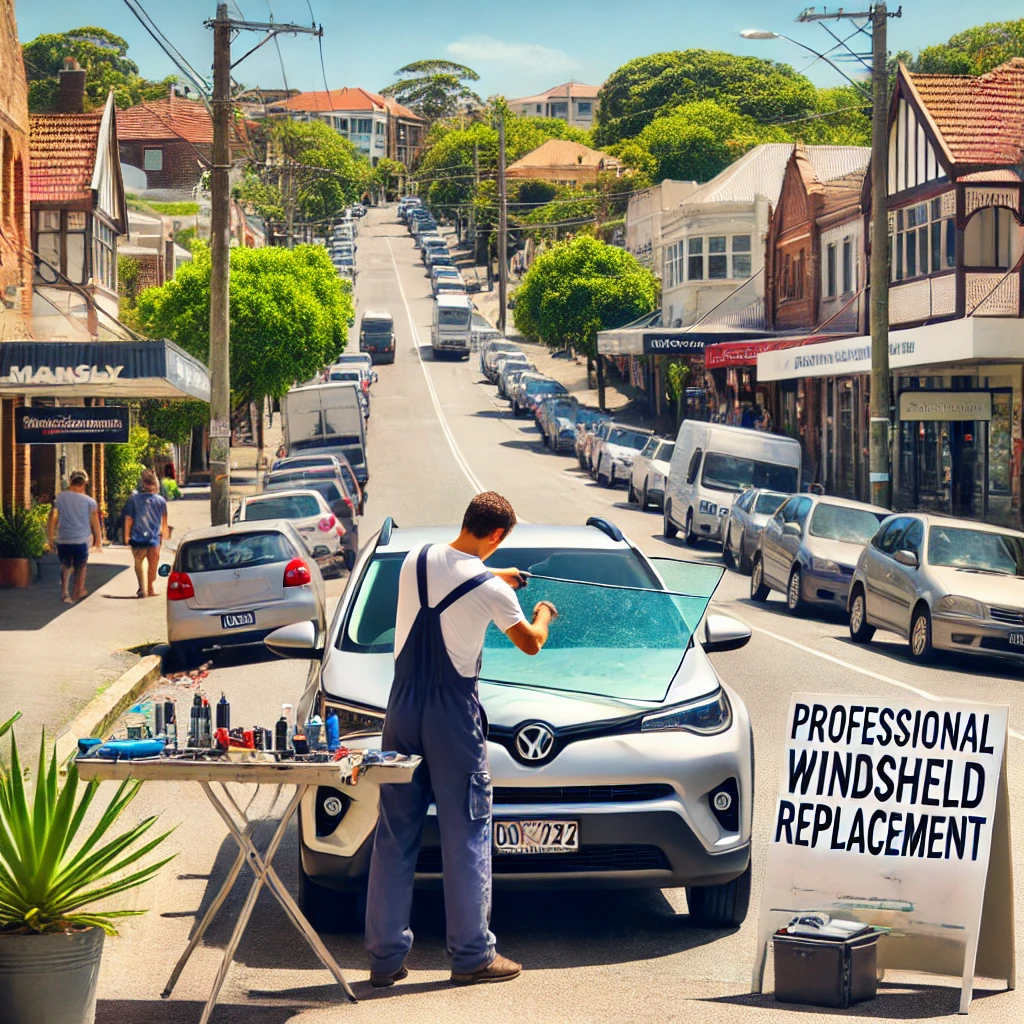
Imagine cruising down the highway with the wind in your hair, the scenery rushing past in a blur of colors, when suddenly—crack! A rogue pebble has launched itself at your car’s windscreen, leaving a web of fractures. It’s a heart-sinking moment most drivers have experienced, and one that often leads to anxiety about costly repairs. But what if you could tackle this problem without involving insurance and the potential for increased premiums? This blog dives deep into the world of windscreen repair without insurance, offering smart solutions that save both time and money.
For many, the mere thought of addressing vehicle repairs without insurance can feel daunting. However, there’s a growing trend among savvy car owners who are discovering that bypassing insurance for minor repairs can be both practical and cost-effective. With advancements in DIY repair kits and a surge of service providers specializing in affordable windscreen repairs, handling these issues independently has never been easier. In this post, we’ll explore the steps you can take to fix those pesky cracks and chips, transforming what initially feels like a roadblock into a seamless, stress-free experience.

When a minor chip or hairline crack appears on your windscreen, reaching for a professional repair service isn’t your only option. DIY windscreen repair kits have revolutionized the way drivers tackle small damages, offering a budget-friendly alternative that costs a fraction of a shop visit. By opting for a hands-on approach, you can avoid the hidden costs tied to insurance claims, such as elevated premiums or excess fees.Most DIY kits include a specialized resin, an injector or syringe to apply it, curing strips, a pedestal to position over the damage, and a razor blade for trimming excess. The process is straightforward: you clean the damaged area, apply the resin under slight pressure, let ultraviolet light or natural sun cure the product, and then remove any surplus material. Not only does this allow you to control the entire repair timeline, but it also saves on labor costs that professional shops would add. For drivers who want quick results without the paperwork and expense of a claim, these kits provide a compelling, cost-effective solution for windscreen repair without insurance involvement.

Not all windscreen blemishes are created equal. Before deciding on a repair method, it’s crucial to recognize the main categories of damage. Chips, commonly known as stone chips, occur when debris strikes the glass, often leaving a small crater. Cracks can manifest as straight breaks that extend across the windshield, while star breaks—radial lines shooting out from a central impact—pose a more complex restoration challenge. Bulls-eyes feature a circular damage pattern with a dark center, and edge cracks slice dangerously close to the glass border, potentially compromising structural integrity more quickly.
Each damage type demands a tailored response. Small chips and bulls-eyes under 25 millimeters are often suitable for DIY fixes, especially when they occur outside the driver’s direct line of sight. Star breaks and longer cracks typically require professional attention to ensure safety and compliance with vehicle regulations. Understanding these distinctions helps you choose the right approach—whether you pick up a home repair kit or schedule a technician visit—so you can deal responsibly with windscreen repair without insurance or minimize out-of-pocket expenses.
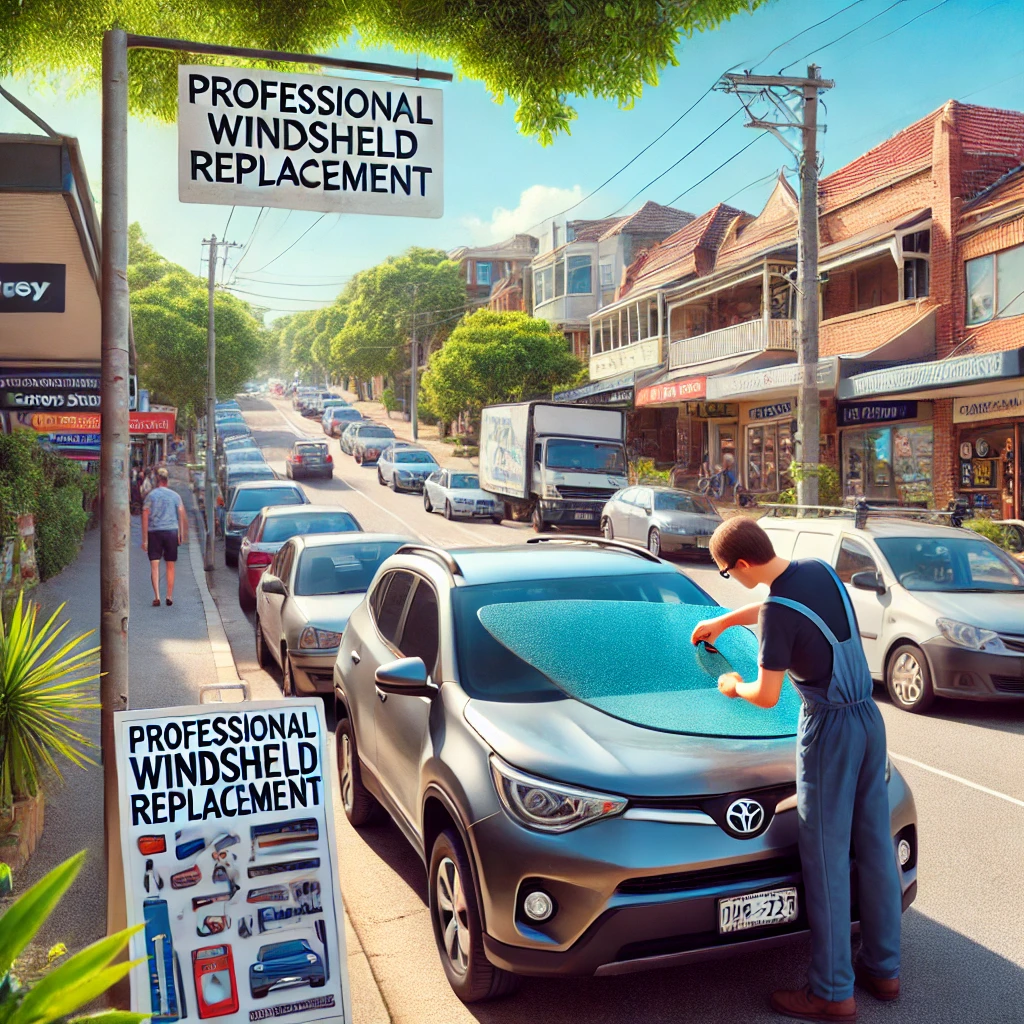
Determining whether to attempt a DIY repair or call in a professional hinges on the size, location, and severity of the damage. If the chip is smaller than a 20-cent coin and positioned well away from the driver’s direct line of vision, a home kit can restore clarity and strength effectively. However, cracks that exceed 30 centimeters, spread over multiple points, or lie at the windshield’s edge are red flags signaling the need for expert intervention to maintain safety standards.
Another factor is the age of the damage: fresh blemishes are more receptive to resin filling, while older cracks may have trapped moisture or dirt, reducing repair quality. In cases where you have any doubts—especially regarding safety-critical visibility—consulting a certified repair service is the safest route. This ensures your windscreen remains compliant with legal requirements and avoids the risk of a more costly replacement down the road.
Using a DIY windscreen repair kit is methodical yet straightforward, allowing you to restore minor chips from your own driveway. Begin by cleaning the damaged area with the alcohol wipe provided, ensuring no debris or moisture interferes with the resin. Position the adhesive pedestal over the blemish, creating a sealed chamber for the resin application.
Next, attach the resin syringe to the pedestal and slowly inject the fluid into the chip or crack, ensuring the void is completely filled. Let the resin sit for a minute before placing the curing strip on top and positioning the windshield under direct sunlight or a UV lamp. After the recommended curing time—usually 5 to 10 minutes—remove the strip and scrape away excess resin with the razor blade, leaving a smooth, even surface. Finally, wipe the surface clean and inspect your work; a properly executed repair kit application can make minor damage nearly invisible.
DIY windscreen repairs can be rewarding, but certain pitfalls might compromise results if you’re not careful. One frequent mistake is neglecting to prepare the surface properly. Any dust, moisture, or grease left in the chip can prevent the resin from bonding correctly, leading to weak repairs that deteriorate over time. Always use the cleaning tools included in your kit and allow the glass to fully dry before proceeding with resin application.
Another error is rushing through the curing process. Impatience can cause you to peel off the curing strip too early, resulting in an uneven surface or incomplete resin hardening. Follow the manufacturer’s instructions closely: if the kit advises 10 minutes under UV light, allow the full time—even if the resin appears solid. Also avoid overfilling the crack, as excess resin can create a raised patch that obstructs vision. By steering clear of these common mistakes, you’ll ensure a more durable and transparent repair.
When damage exceeds the limits of DIY kits or safety concerns are paramount, professional windscreen repair services become indispensable. Certified technicians arrive equipped with industrial-grade resins, stronger UV lamps, and precision tools to handle complex cracks or multiple impact points. Many mobile services even come to your location, offering on-site repairs while you work or run errands, saving you precious time and eliminating towing or travel hassles.
Professional repairs often carry warranties that guarantee the resin won’t yellow or re-crack under normal conditions. Technicians can also assess whether a full windscreen replacement is necessary, ensuring you don’t spend money on patch jobs that won’t last. While involving a service provider may sound like insurance territory, you can still manage repair costs out of pocket, sidestepping premium hikes while receiving top-tier results that meet safety regulations.
The DIY route offers a clear savings margin, especially if you’re comfortable performing the repair yourself. However, consider the value of your time, the potential need to purchase multiple kits for larger jobs, and the risk of imperfect repairs requiring a redo or professional bailout.Professional services command higher prices but bring expertise, speed, and warranty coverage. For a single repair, paying double or triple the DIY cost might seem steep, yet it prevents long-term headaches and ensures compliance with safety standards. By calculating both direct costs and intangible factors—such as convenience, risk tolerance, and warranty peace of mind—you can choose the most cost-effective solution for your situation.
Deciding to pursue windscreen repair without insurance can be liberating, but it requires a clear-eyed assessment of your individual situation. First, consider the vehicle’s age and market value. If your car is older with low resale value, paying out of pocket for minor repairs may be more economical than filing a claim that could raise premiums. Conversely, newer vehicles with leasing or financing agreements might mandate professional servicing or approved repair shops to maintain warranty coverage.
Next, evaluate your personal tolerance for DIY projects. If you lack confidence in handling glass repairs or worry about legal compliance, professional help remains an option even without insurance involvement. Finally, research local labor rates and kit prices to ensure you’re getting fair value—combining competitive quotes with at-home solutions can strike the perfect balance between cost savings and quality workmanship.
After completing a repair—whether DIY or professional—it’s crucial to ensure your windscreen meets safety and visibility standards. Start by examining the repaired area from both inside and outside the vehicle, checking for any distortions, bubbles, or residual scratches that could impair vision. If anything seems off, don’t hesitate to follow up with a reapplication of resin or seek a technician’s second opinion.
Regular maintenance helps prolong the integrity of your windscreen. Clean the glass gently with manufacturer-recommended solutions, avoid slamming your doors excessively (which can stress the glass), and park in shaded areas to minimize temperature fluctuations. By adopting these habits, you’ll extend the life of your repair and preserve the structural strength of your windscreen for years to come.
Tackling windscreen damage without insurance offers drivers an enticing mix of autonomy and savings. DIY repair kits provide an affordable, hands-on solution for minor chips and cracks, while professional services ensure expert results when safety is paramount. By weighing the type and severity of damage, your comfort level with repairs, and the long-term costs involved, you can choose the path that best protects both your budget and your vehicle’s integrity.
Ultimately, being informed is the key. Armed with knowledge about repair options, potential pitfalls, and maintenance tips, you can address small windscreen issues quickly and confidently—keeping your view clear and your premiums intact. Whether you tackle the fix yourself or enlist a pro, smart planning ensures your windscreen remains a safe, reliable window to the road ahead.
Book your appointment now and get 10% discount.
And give us google 5 Stars feedback and get a free drink on us.
MAKE APPOINTMENT


