
OEM or Aftermarket Glass: Which Should You Trust

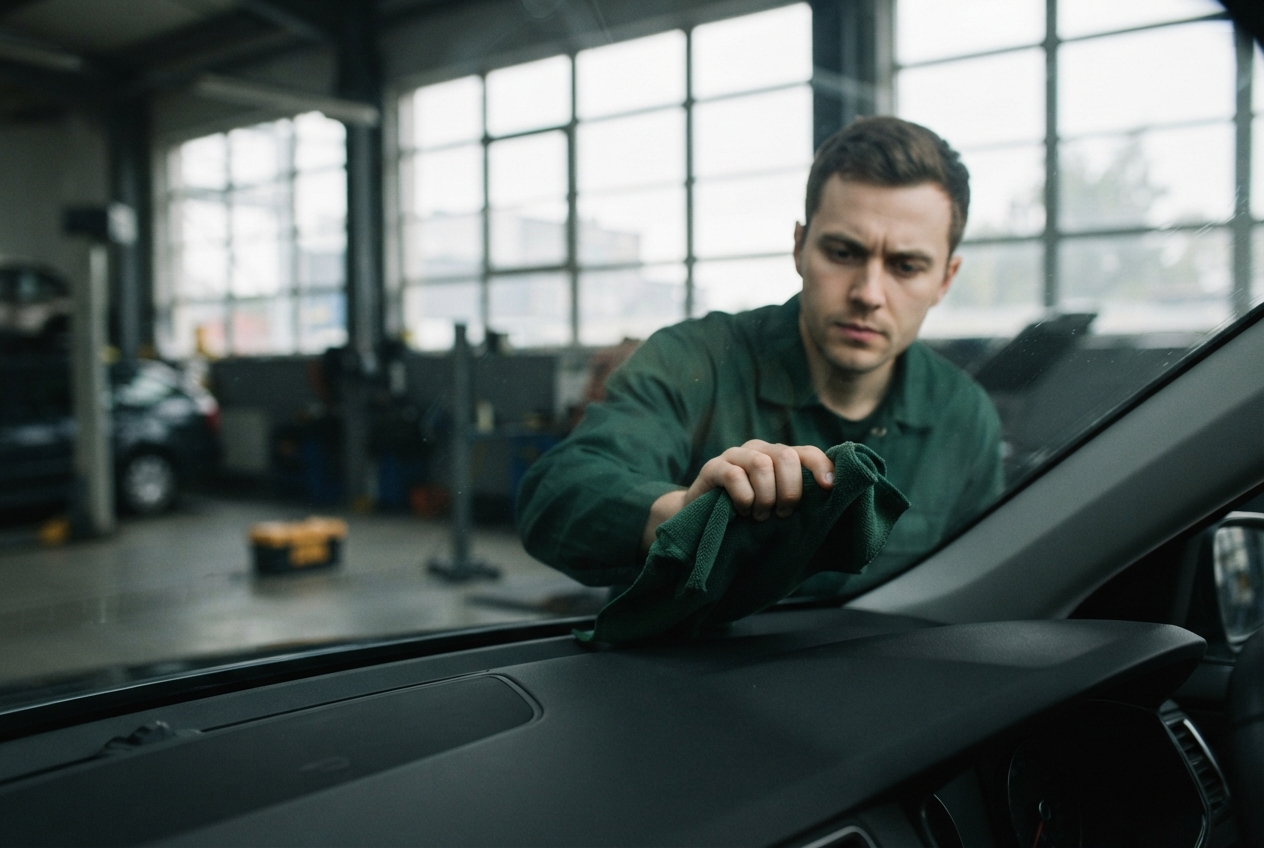
Imagine cruising down the highway, the sun setting in the distance, when suddenly a rogue pebble pings off your windshield, leaving a noticeable crack. Your serene drive is interrupted, and panic sets in as you realize you’ll need a replacement. This scenario is more common than you might think, and it brings us to an essential question for car owners: when it comes to windscreen replacement, is OEM or aftermarket glass better?
Navigating the world of glass replacement can be daunting, with myriad options and opinions vying for your attention. OEM (Original Equipment Manufacturer) glass promises a perfect fit, matching that of your vehicle’s original design specifications. On the other hand, aftermarket glass offers a more budget-friendly alternative, sometimes with improved technology. As you weigh these options, understanding the nuances and implications of each choice becomes crucial not only for your wallet but for the safety and longevity of your vehicle. Join us as we delve into the specifics of OEM and aftermarket glass, helping you make an informed decision for your next windshield replacement.
Differences Between OEM and Aftermarket Glass

When evaluating whether OEM or aftermarket glass is better for windscreen replacement, it’s important to understand their fundamental differences. OEM glass is produced by the same manufacturer that supplied the original windshield for your vehicle. This means the material composition, thickness, curvature, and even tint match exactly what rolled off the factory line. Aftermarket glass, by contrast, is made by third-party companies that cater to a broad range of makes and models. They may use different molds, materials, and production methods to achieve a similar appearance and fit.
Beyond production origin, customization is another key differentiator. OEM glass often includes factory-installed features such as built-in antenna lines, rain sensors, or heads-up display compatibility. Aftermarket manufacturers sometimes provide these features as optional extras or require additional adapters. Additionally, lead times and availability can vary: aftermarket glass typically has a broader stock due to standardized molds, whereas OEM inventory might be limited to specific dealers or authorized service centers. Understanding these contrasts sets the stage for deeper exploration into cost, quality, warranty, and ultimately your peace of mind on the road.
Quality and Fitment of OEM Glass
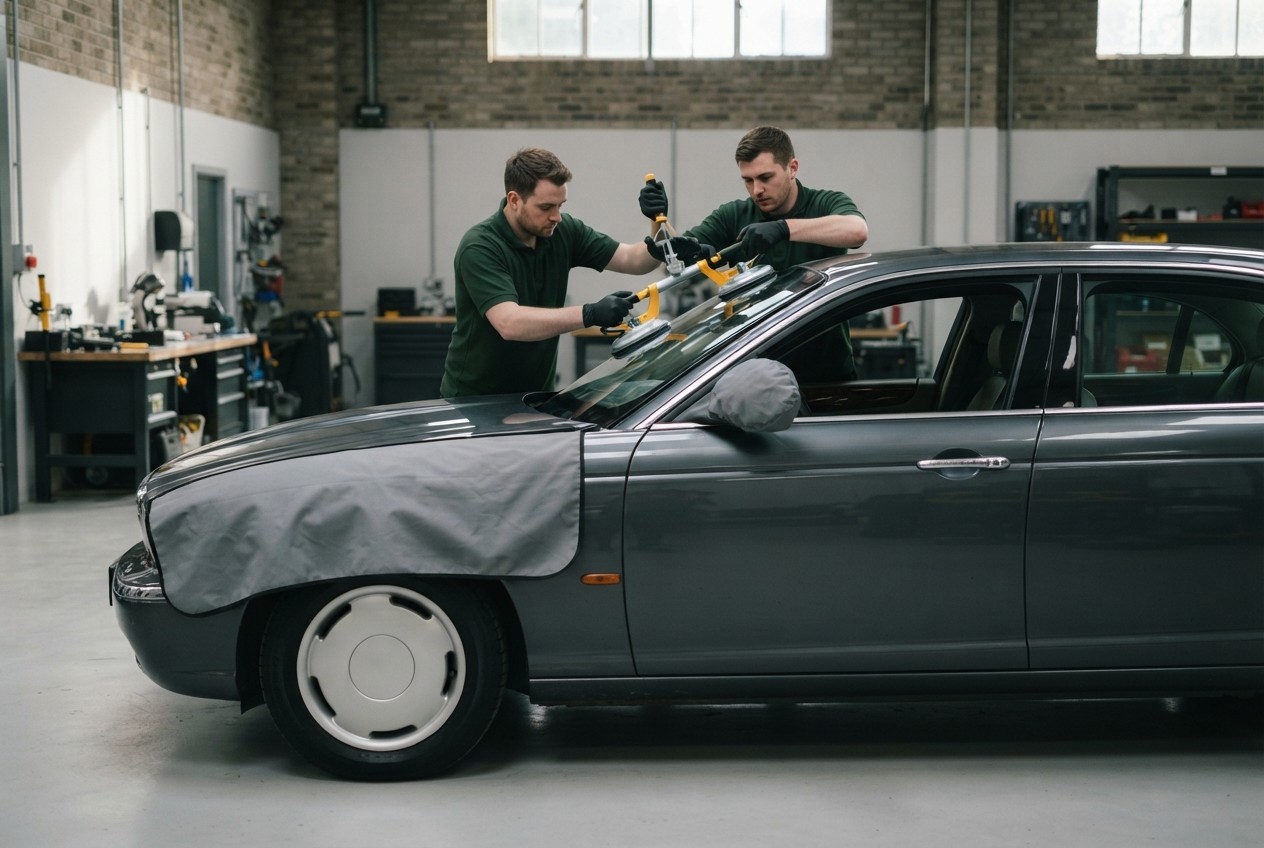
OEM glass stands out for its precision-engineered quality. Since it’s built to the vehicle’s exact specifications, the curvature and refractive properties match the original windscreen perfectly. This precision translates to fewer distortions when you look through the glass, maintaining the clarity and optical quality the manufacturer intended. Additionally, OEM glass is often tempered or laminated to meet stringent safety regulations, ensuring resistance to shattering and improved passenger protection in collisions.
Fitment matters not only for aesthetics but also for long-term integrity. OEM windshields use the exact channel dimensions and bonding surfaces designed by the automaker. This means the urethane adhesives cure under optimal conditions, creating a watertight seal that prevents leaks and reduces wind noise. Technicians trained by the manufacturer are familiar with the correct torque specs, primer treatments, and curing times, minimizing the risk of misalignment or premature seal failure. While quality installation is critical for both types, OEM glass reduces the margin for error by eliminating guesswork around fit and finish.
Cost Comparison: OEM vs. Aftermarket Glass
Price often plays a decisive role when choosing between OEM and aftermarket glass. OEM windshields typically carry a premium price because you’re paying for brand-name parts and authorized dealer markups. Labor rates may also be higher at dealerships, and parts availability might involve longer wait times. On average, OEM replacements can cost 20–40% more than comparable aftermarket options, particularly for luxury or less common vehicle models.
Aftermarket glass appeals to budget-conscious drivers. Lower production costs and competitive pricing allow third-party manufacturers to undercut OEM dealers by a significant margin. Many independent auto glass shops offer aftermarket replacements at rates 10–30% below OEM prices, coupled with faster turnaround times. However, consumers should weigh cost savings against potential trade-offs in warranty terms, accessory integration, and long-term durability. For those asking, “Is OEM or aftermarket glass better for windscreen replacement?” the answer often hinges on how much you’re willing to invest upfront versus your tolerance for potential compromises down the road.
Warranty and Guarantees for OEM Glass
One of the strongest arguments for OEM glass is the warranty that accompanies it. Most automakers back their windshields with a parts-and-labor guarantee that aligns with the vehicle’s original warranty period. This means that if the glass fails due to manufacturing defects, improper bonding, or fogging issues, the dealership will typically cover the cost of repair or replacement. Some warranties even include roadside assistance or mobile crack-repair services for a specified duration.
Dealership warranties often carry a reputation for reliability. Because OEM parts and labor are performed by certified technicians, the risk of claim denial is low, provided all service appointments follow manufacturer guidelines. Compare this to aftermarket warranties, which can vary widely by supplier. While some aftermarket manufacturers offer lifetime guarantees against defects, they may impose strict conditions—such as mandatory return shipping for inspections or limited coverage windows—that can complicate the claims process. If peace of mind is your priority, OEM glass warranty terms usually offer the most straightforward protection.
Technology and Innovations in Aftermarket Glass
Although aftermarket glass was once seen as purely budget-oriented, many suppliers now lead the way in integration of advanced features. Progressive manufacturers invest in R&D to develop ultra-competitive products, offering enhancements like hydrophobic coatings that repel rain, thermal management films to reduce interior heat, or embedded UV filters. Some aftermarket options also support driver-assist systems (ADAS) calibration, with precise mounting points for cameras and sensors.
Moreover, certain aftermarket brands have proprietary technologies that even OEM suppliers don’t offer as standard. For instance, acoustic-damping laminates can significantly reduce cabin noise, creating a quieter ride. Nano-ceramic tints block infrared radiation more effectively than traditional tinted glass, increasing passenger comfort. These innovations make aftermarket windshields an attractive proposition for drivers seeking upgrades beyond factory specs—demonstrating that aftermarket glass isn’t simply a lower-cost copy, but a field ripe with technological advancements.
Safety Standards: OEM Glass vs. Aftermarket Glass
Both OEM and aftermarket windshields must comply with federal safety regulations, such as FMVSS 205 in the United States, which governs light transmittance and impact resistance. OEM glass manufacturers generally adhere to these standards as part of the automaker’s quality assurance program. Aftermarket producers, in turn, certify their products through accredited labs to ensure they meet or exceed the same benchmarks for shatter tests, UV blocking, and mounting strength.
However, the consistency of aftermarket quality can vary across suppliers. Top-tier aftermarket brands undergo rigorous ISO 9001 quality audits and ASTM impact testing, ensuring each batch aligns with regulatory mandates. Lower-end options may pass minimum legal thresholds but lack uniform performance. When installing aftermarket glass, it’s important to verify third-party safety certifications, such as DOT (Department of Transportation) approval, E-marks in Europe, or JIS (Japanese Industrial Standards) labels. By choosing reputable vendors, car owners can rest assured that safety standards remain uncompromised.
Installation Process for OEM Glass
Installing an OEM windshield follows a precise, manufacturer-defined procedure. First, technicians remove the damaged glass, taking care to cut away old urethane and clean the pinchweld to bare metal. A primer or adhesion promoter is applied to both the bonding flange and the new glass edge. The urethane adhesive used matches the vehicle’s original formulation for optimal cure time and bond strength.
Once the new windshield is set in place with alignment clips, the technician applies consistent pressure and checks for proper seating. Cure times vary based on temperature and humidity, but OEM guidelines specify minimum driving-away times to ensure safety. This meticulous process ensures that the windshield maintains structural integrity—critical for roof crush protection and airbag deployment. Although independent shops can replicate these steps, dealerships often train their staff on the exact torque specs and environmental controls, reducing variability in final results.
Customer Reviews and Feedback on OEM and Aftermarket Glass
Online forums and review sites reveal that customers choosing OEM glass almost universally praise the perfect fit and factory-caliber clarity. Many report zero issues with wind noise, water intrusion, or adhesion problems. Service center reviews often highlight the professional experience and thorough warranty support, despite the higher price tag. Owners of newer or luxury vehicles especially value the reassurance that OEM parts carry.
Aftermarket feedback is more mixed but improving. Budget-minded drivers frequently commend the affordability and speed of service. Those who opt for premium aftermarket brands note satisfaction with advanced features like sound dampening and UV protection. Complaints tend to focus on low-cost imports that fall short on finish quality or lack clear safety certification. Overall, customer sentiment suggests that while top-tier aftermarket glass can rival OEM performance, due diligence in selecting a reputable supplier is essential for a positive outcome.
Final Considerations: Choosing Between OEM and Aftermarket Glass
Deciding between OEM and aftermarket glass ultimately depends on your priorities: if you value factory‐exact fitment, straightforward warranty coverage, and guaranteed compatibility, OEM is the safer choice. For drivers seeking cost savings or cutting‐edge enhancements like hydrophobic coatings, premium aftermarket options can deliver excellent performance at a lower price point.
Weigh your budget, desired features, and long‐term peace of mind to answer once and for all which option makes the most sense. Armed with this guide, you can confidently navigate your next windshield replacement and hit the road worry-free.