
Navigating Global Shipping Delays: How They Impact Windscreen Replacement Times
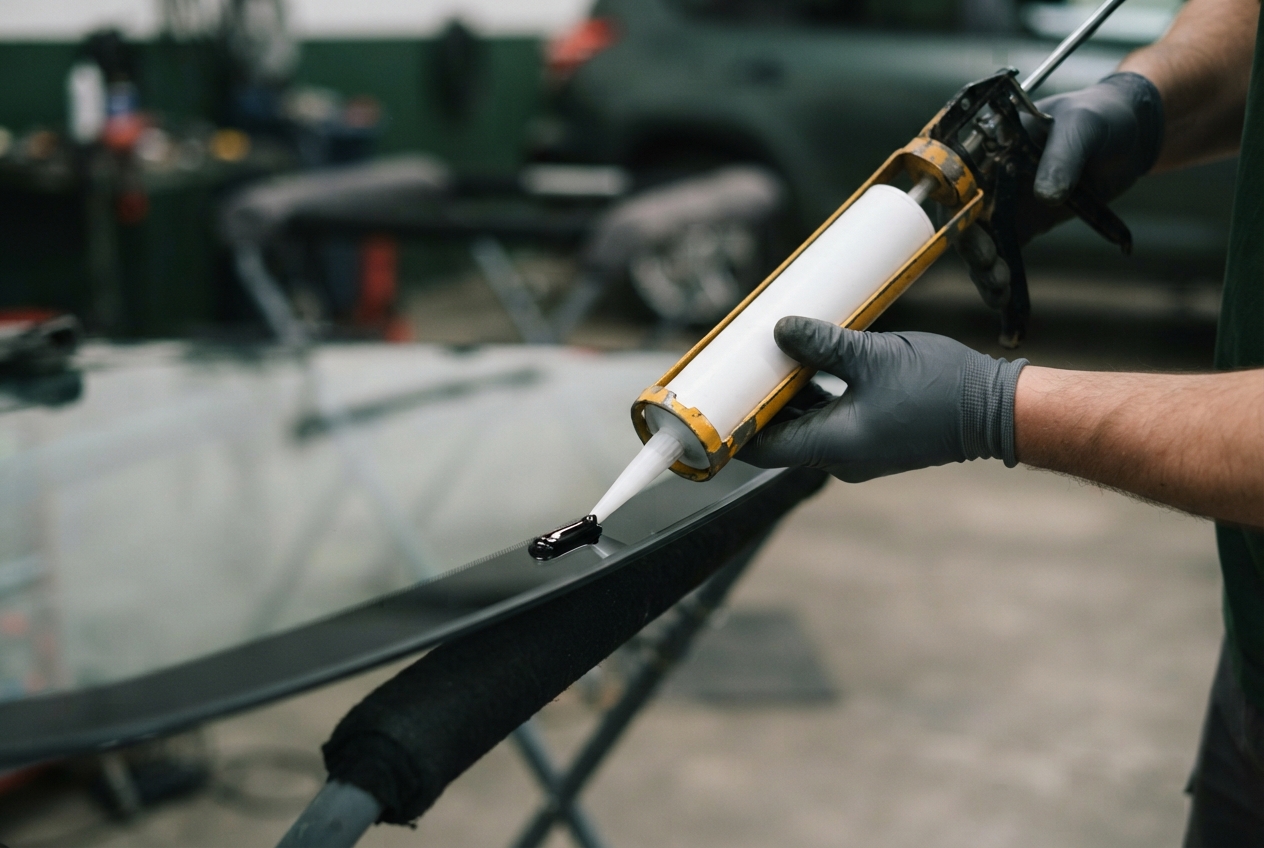
Every driver who has ever faced a shattered windscreen knows the urgency of securing a replacement. But what happens when your local supply chain is at the mercy of global events? Imagine scheduling a much-needed windscreen replacement only to be informed that your appointment has been delayed indefinitely due to an unforeseen holdup at a shipping port halfway across the world. It’s an increasingly common scenario in today’s interconnected market, where global shipping delays disrupt even the most routine aspects of vehicle maintenance.
The ripple effect is real: delays at sea translate to longer wait times for essential components like windscreens, leaving many vehicles grounded and drivers frustrated. As industries grapple with unprecedented logistical challenges, understanding how these global shipping delays and windscreen replacement wait times intersect becomes more crucial than ever. We’ll delve into the factors contributing to these delays and explore strategies that both consumers and auto service providers can employ to mitigate their impact. Join us as we navigate this complex landscape and uncover practical solutions to keep you safely on the road.
Factors Behind Global Shipping Delays

Global shipping delays have become an unavoidable reality over the past few years, driven by a convergence of factors. The COVID-19 pandemic triggered massive labor shortages at ports and in trucking fleets, disrupting normal cargo-handling capacities. Labor unions and workforce absenteeism, coupled with health and safety protocols, slowed operations and reduced throughput at critical transshipment hubs. Meanwhile, the sudden surge in e-commerce demand placed further strain on an already stretched system, causing container shortages and equipment imbalances across key trade routes.
Geopolitical tensions and trade disputes have also played a significant role. Tariffs, sanctions, and regulatory changes can reroute shipping lanes, creating unpredictable port call schedules and increased transit times. Extreme weather events—such as hurricanes, monsoons, and ice storms—have become more frequent and severe, forcing carriers to adjust routes or halt sailings altogether. Lastly, just-in-time manufacturing practices, which rely on lean inventory levels, leave little room for buffer stocks. When one link in the global supply chain falters, the ripple effect can stretch delivery windows from days into weeks or even months, raising costs and complicating logistics for industries dependent on timely imports, including windscreen suppliers.
Impact of Shipping Delays on Windscreen Replacement Services

The automotive service sector has felt the reverberations of these shipping slowdowns acutely. Windscreen replacement shops that once relied on predictable orders and deliveries now face stockouts or receive shipments with significant delays. When imported glass panels and mounting hardware are held up at port, service centers must scramble for temporary solutions, often resorting to costly expedited freight or alternative suppliers. These adjustments drive up overheads, which can translate into higher service charges for end customers.
Crucially, global shipping delays and windscreen replacement wait times are now among the top drivers of customer dissatisfaction in the auto repair industry. Consumers needing same-day or next-day repairs are increasingly told to expect multi-day or even multi-week wait times. This extended downtime not only inconveniences drivers but can also compromise their safety if they choose to postpone repairs. As appointment backlogs grow, service providers must balance resource allocation between urgent repairs and routine maintenance, sometimes leaving standard tune-ups delayed in favor of recovering revenue from emergency windshield work.
Challenges Faced by Auto Service Providers

Auto service centers are confronting a multi-front battle: managing inventory, meeting customer expectations, and controlling costs. When windscreen suppliers experience shipping holdups, shops often face unpredictable lead times that disrupt scheduling. This unpredictability leads to appointment cancellations or rescheduling, eroding consumer trust and loyalty. Furthermore, the cost of holding buffer inventory becomes prohibitively high, tying up capital in glass panels that might sit idle for months if demand softens.
Another key challenge lies in maintaining quality standards. In an effort to fill gaps, some service providers may turn to lower-cost or unverified suppliers whose glass may not meet OEM specifications. This can result in poor fitment, reduced structural integrity, or optical defects, and ultimately damage the shop’s reputation. Technicians also require specialized training to handle various glass types, adhesives, and sensor calibrations. When parts arrive late or in suboptimal condition, these human and technical resources go underutilized or become overstretched, further compounding operational inefficiencies.
Strategies to Navigate Shipping Delays in Windscreen Supply Chain
Proactive planning and agile logistics play a pivotal role in mitigating the effects of shipping disruptions. Establishing multi-sourced procurement channels—domestic manufacturers, regional distributors, and international suppliers—can create redundancy and reduce reliance on any single shipping route. Service centers should maintain close communication with all supply partners to receive real-time updates on vessel schedules, port congestion, and customs clearances, enabling them to adjust orders or switch cargo lanes swiftly.
Embracing technology-driven inventory management tools can also deliver significant benefits. Advanced forecasting algorithms, integrated with point-of-sale and appointment scheduling systems, help predict demand spikes and optimize reorder points. By leveraging data analytics, shops can visualize lead time variances and identify the most reliable suppliers. Furthermore, partnerships with third-party logistics (3PL) providers specializing in expedited shipping and customs brokerage can secure priority treatment for critical parts, ensuring faster clearances and fewer holdups at port.
Importance of Timely Windscreen Replacements
A damaged or cracked windscreen isn’t merely a cosmetic issue—it’s a vital safety component that contributes to the vehicle’s structural integrity. A properly installed windscreen supports the roof in case of a rollover, assists in airbag deployment, and ensures clear visibility for the driver. Delaying windscreen replacement can exacerbate cracks due to temperature changes or road vibrations, making repairs more complex and expensive or necessitating a full replacement.
Timeliness directly impacts both safety and compliance. Many jurisdictions impose legal requirements for maintaining unobstructed windscreen visibility and proper glass conditions. Failing to address a chipped or fractured windscreen promptly can lead to traffic citations or failed vehicle inspections. From a liability standpoint, auto service providers must prioritize these repairs to minimize risk exposure. Ensuring swift part availability and streamlined repair workflows can help shops honor their duty of care and protect both customers and their own reputations.
Consumer Experience during Delayed Replacement Times
Extended wait periods for windscreen replacements can erode customer satisfaction rapidly. When vehicle owners encounter multiple rescheduled appointments or are asked to drop off their cars for days, frustration mounts. For many, relying on alternative transportation services or missing work adds financial and emotional strain. In social media age, unhappy customers often share their grievances publicly, affecting a service center’s online reviews and referral rates.
Transparency and communication become critical levers for maintaining positive consumer relationships. Proactively notifying customers about anticipated delays, explaining the root causes, and providing regular status updates can mitigate uncertainty. Some shops offer loaner vehicles or mobile repair units that travel to clients’ homes or workplaces—innovations that preserve convenience even when parts are delayed. By setting realistic expectations and demonstrating empathy, service providers can retain trust and potentially upsell additional maintenance services while customers wait for their windscreen orders to arrive.
Innovations in Windscreen Procurement Amidst Shipping Challenges
To counter the unpredictability of international freight, several glass manufacturers and service networks are investing in local production facilities. Regionalized manufacturing hubs equipped with automated cutting, polishing, and sensor calibration systems can drastically reduce lead times. This move toward nearshoring minimizes reliance on long-distance shipping and hedges against cross-border bottlenecks.
Another breakthrough lies in digital inventory ecosystems that connect multiple stakeholders—OEMs, distributors, repair shops, and logistics providers—on a shared platform. Blockchain-enabled tracking ensures end-to-end transparency of each glass pane, from production to installation. Real-time visibility into container movements, customs status, and warehouse stock levels empowers service centers to pivot quickly if their primary shipment faces delays. Additionally, augmented reality (AR) tools and remote diagnostics can pre-screen vehicle windscreen damage, allowing technicians to identify the exact glass variant needed and order it without delay, further streamlining the supply chain.
Collaboration Between Manufacturers and Service Centers
Strong partnerships between glass manufacturers and auto repair outlets are foundational to resilience in turbulent shipping climates. Regular strategic reviews, joint demand forecasting, and shared risk models enable both parties to align inventory investments and capacity planning. Manufacturers can allocate dedicated production slots or safety stock for high-volume service chains, ensuring a minimum supply buffer even during peak shipping disruptions.
Co-sponsored training programs and certification schemes deepen the collaboration by standardizing installation protocols and quality checks. When service centers become certified partners, they gain access to priority ordering channels, bulk pricing benefits, and technical support. Conversely, manufacturers benefit from consolidated order volumes and reduced forecasting uncertainty. This symbiotic relationship fosters a more predictable, responsive, and cost-effective windscreen replacement ecosystem, better insulated from the vagaries of the global shipping network.
The Future Outlook for Windscreen Replacement Industry
Looking ahead, the windscreen replacement sector is poised for continued transformation driven by digitalization, automation, and strategic supply chain realignment. As electric and autonomous vehicles become more widespread, windscreens will integrate advanced driver-assistance systems (ADAS), rain sensors, heads-up displays, and embedded antennas. These technological advancements demand even tighter manufacturing tolerances and specialized glass variants, elevating the importance of robust procurement strategies.
Simultaneously, predictive analytics and machine learning will refine demand forecasting, enabling just-in-case rather than just-in-time inventory models. Collaborative industry consortia may emerge to pool resources, co-invest in regional distribution nodes, and negotiate collective shipping contracts, reducing costs and smoothing out shipping volatility. Ultimately, resilience will stem from flexible sourcing, local production capabilities, and deep partnerships across the value chain. By embracing these trends, stakeholders can proactively address future shipping disruptions and maintain consistent service levels for drivers worldwide.
Conclusion: Adapting to the Changing Global Shipping Landscape
In an era marked by unprecedented supply chain upheaval, understanding the drivers behind global shipping delays and their effect on windscreen replacement services is critical. Proactive strategies—diversifying suppliers, leveraging technology for real-time visibility, and fostering collaborative partnerships—are essential to maintain smooth operations and safeguard customer satisfaction.
As the automotive industry evolves, resilience will become its hallmark. By balancing innovation with practical logistics solutions, manufacturers, logistics providers, and repair centers can minimize downtime, uphold safety standards, and ensure drivers remain confidently on the road, regardless of what challenges global shipping may bring.