
Mastering Safety: How Auto Glass Technicians Replace Windscreens Perfectly

When you imagine a skilled auto glass technician at work, do you envision them as meticulous artisans or safety-focused engineers? The truth is, they are both—and more. Replacing a car’s windscreen isn’t simply about swapping out a piece of glass; it’s a precise science blended with an art form that requires expertise, attention to detail, and strict adherence to safety protocols. Mastering this task demands not just a steady hand but also a profound understanding of the vehicle’s structure and how it interacts with its occupants’ safety. As you delve into the realm of how auto glass technicians safely replace your windscreen, you’ll gain an appreciation for the nuanced processes behind achieving perfect results every time.
Consider this: a windscreen provides up to 30% of your car’s structural strength in the event of a collision. Yet, how often do we pause to consider the invisible safeguard it offers us on every ride? With millions of windscreens replaced annually, understanding the intricate steps that auto glass technicians take to ensure optimal safety and performance can transform our appreciation for their critical role. From selecting the right adhesive to precisely aligning the glass, each step is a testament to their dedication to preserving not just the integrity of the vehicle but the well-being of its passengers. Join us as we explore the mastery behind this essential yet often overlooked aspect of automotive care.
Importance of Windscreen Replacement
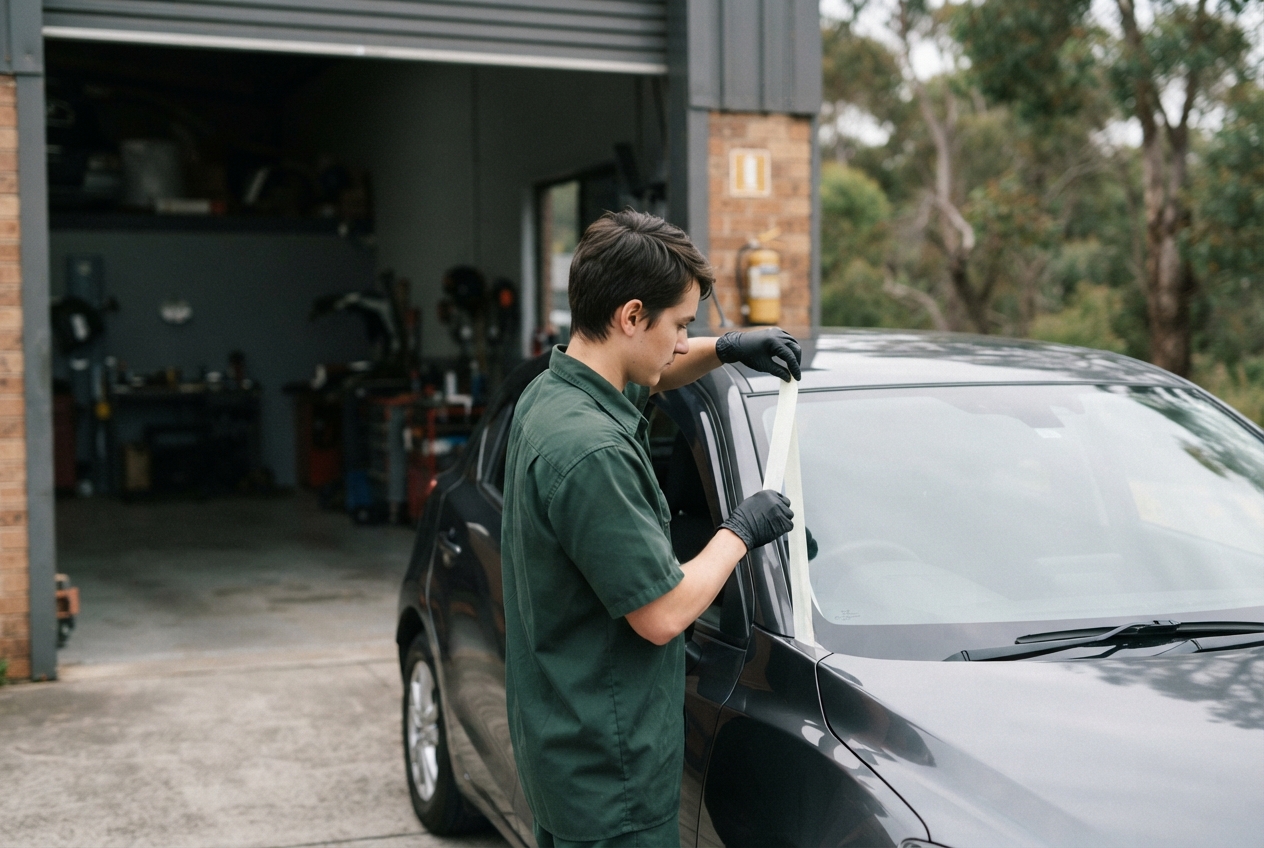
Windscreen replacement is far more than a routine maintenance task—it stands at the intersection of safety, structural integrity, and driver visibility. When cracks or chips compromise the windscreen, they not only present a safety hazard but also risk exacerbating into larger fissures that can shatter under stress. Timely windscreen replacement ensures that your vehicle maintains its engineered strength, especially in rollover or collision scenarios. A compromised windscreen can lead to roof collapse or reduced airbag efficiency, because modern vehicles integrate the windscreen as a key component of the passenger safety cell.
Furthermore, clear visibility is essential for safe driving. Even minor damage can create optical distortions, distracting the driver or obscuring potential hazards. Glare from sunlight or oncoming headlights can magnify these distortions, increasing the risk of accidents. By replacing a damaged windscreen promptly, technicians restore the driver’s unobstructed view of the road ahead. Ultimately, understanding why windscreen replacement matters underscores the critical role of skilled professionals who ensure that every new pane of glass meets stringent safety and clarity standards—this is precisely how auto glass technicians safely replace your windscreen in a way that protects both vehicle performance and passenger well-being.
The Role of Auto Glass Technicians

Auto glass technicians are the unsung heroes behind seamless, safe windscreen replacements. Their role extends beyond merely removing old glass and fitting new windshields; it involves a meticulous inspection, precise measurement, and expert handling of specialized tools. From the moment a vehicle arrives in the shop to the final quality inspection, technicians apply both scientific principles and practiced artistry to guarantee a perfect fit. They must be well-versed in varying makes and models, understanding how each design affects the removal and installation process.
In addition to technical prowess, these professionals bear the responsibility of ensuring that adhesive chemicals are handled properly, that protective gear is used, and that all industry and manufacturer safety protocols are observed. They serve as quality gatekeepers, verifying that replacement parts match OEM (Original Equipment Manufacturer) specifications. A thorough understanding of materials science and adhesive chemistry further empowers technicians to select the optimal bonding solution. In essence, the role of auto glass technicians is pivotal in preserving both the structural integrity of the vehicle and the safety of its occupants—this is the core of how auto glass technicians safely replace your windscreen, blending precision and safety in every step.
Understanding Windscreen Structure

Before embarking on replacement, technicians must fully grasp the multi-layered anatomy of a modern windscreen. Far from being a simple pane of glass, a windscreen consists of laminated safety glass, composed of two curved sheets of glass bonded together by an inner layer of polyvinyl butyral (PVB). This design ensures that upon impact, the glass cracks in a spiderweb pattern while remaining largely intact, reducing the risk of ejection or severe fragmentation within the vehicle cabin.
Knowledge of this layered construction informs every decision during removal and installation. Technicians must know how to delicately separate the glass from the bonding materials without causing undue stress or damage to the vehicle’s frame. They also need to recognize the subtle distinctions between aftermarket and OEM glass, ensuring that replacement windscreens match the original thickness, curvature, and optical quality. Such attention to detail lays the groundwork for a secure, long-lasting bond, contributing to overall safety. By understanding windscreen structure, technicians can anticipate challenges and apply best practices to achieve perfect, durable installations.
Safety Protocols in Windscreen Replacement
Safety protocols are the backbone of every windscreen replacement operation. From initial site setup to final cleanup, technicians adhere to strict standards designed to protect both themselves and vehicle occupants. Before touching the glass, professionals don the appropriate personal protective equipment (PPE): cut-resistant gloves, safety glasses, and long-sleeved garments. Work areas are clearly marked, and tools are organized to minimize trip hazards or accidental contact with sharp edges.
Disposal of glass fragments and old adhesive materials follows environmental and health regulations. Technicians ensure that no shards or chemicals remain in the vehicle’s cabin. Airbags and sensors around the windscreen opening are deactivated or handled with extreme caution to prevent accidental deployment. By following these meticulously defined safety measures, experts demonstrate exactly how auto glass technicians safely replace your windscreen—mitigating risk every step of the way.
Selecting the Right Adhesive
Choosing the correct adhesive is a crucial step in windscreen replacement, determining the bond’s strength, flexibility, and curing time. Modern urethane adhesives provide high shear strength and excellent resistance to temperature fluctuations and UV exposure. Technicians must evaluate factors such as the vehicle’s operating environment, expected weather conditions, and manufacturer specifications to select an optimal adhesive formula.
Adhesive application requires precision. Technicians use calibrated dispensing guns to lay a continuous bead of sealant, ensuring complete coverage around the windscreen perimeter. Any gaps or uneven application can compromise the seal, leading to water leaks or glass detachment. By meticulously selecting and applying the right adhesive, professionals guarantee that the new windscreen not only fits snugly but also forms a watertight, durable barrier—an essential component of how auto glass technicians safely replace your windscreen.
Precision Alignment Techniques
Proper alignment is paramount to a successful windscreen replacement. Even a slight tilt or offset can cause wind noise, uneven stress distribution, or improper sealing. Technicians employ specialized alignment tools—such as suction cups with level indicators and adjustable frame jigs—to position the glass with millimeter accuracy. This ensures the windscreen aligns perfectly with the vehicle’s A-pillars and roofline.
During alignment, technicians work systematically from one side to the other, verifying edge-to-edge contact and maintaining consistent adhesive thickness. They also confirm that the glass curvature matches the roof and fender contours. Once aligned, the windscreen is temporarily held in place with clamps or tape until the adhesive sets. These precision alignment techniques are integral to not only aesthetic quality but also the structural integrity that underpins safe driving.
Quality Assurance Checks
After the adhesive has cured, quality assurance checks validate the integrity of the installation. Technicians perform water intrusion tests by gently spraying water along the windscreen edges to detect leaks. Air pressure tests may also be conducted to ensure an airtight seal. Any sign of moisture ingress or adhesive gaps prompts immediate corrective action.
Additionally, technicians visually inspect the bond line for continuity and uniformity, while electronic sensors—if integrated—are tested to confirm proper functionality. A final walk-around verifies that glass edges are flush, trim pieces are correctly seated, and no debris remains inside the vehicle. These thorough quality assurance checks safeguard against premature failures and exemplify how auto glass technicians safely replace your windscreen with lasting reliability.
Ensuring Optimal Performance
Optimal windscreen performance extends beyond a tight seal. Technicians perform post-installation checks on rain sensors, heads-up displays, and advanced driver-assistance systems (ADAS) cameras that are often mounted behind the glass. Calibration of these systems is essential to maintain accurate lane-keeping assistance, automatic braking, and adaptive cruise control functions. Proper calibration ensures that sensors have an unobstructed view and correct alignment relative to the vehicle’s axis.
Wipers and washer nozzles are also tested to confirm appropriate water coverage and blade contact. Technicians may recommend a short curing period before high-pressure washing or allowing passengers to lean on the glass. By ensuring these details are addressed, professionals guarantee that the windscreen not only looks perfect but also performs seamlessly with all integrated vehicle systems.
Factors Affecting Windscreen Longevity
Several variables influence how long a newly installed windscreen will last. The quality of the glass and adhesive, accuracy of installation, and environmental conditions all play critical roles. Regions with extreme temperatures or frequent road debris can accelerate wear and tear. Technicians advise clients on best practices—such as avoiding car washes with high-pressure jets for the first 24 hours and parking in shaded areas—to prolong bond integrity.
Regular inspections further extend service life. Everyday drivers should look for early signs of seal degradation, such as small leaks or bubbling around trim edges. Prompt intervention at the first sign of trouble can prevent more extensive damage. By educating vehicle owners about these factors, technicians help ensure that each windscreen replacement remains a long-term solution, preserving safety and performance for miles to come.
Conclusion: Mastering the Art and Science of Windscreen Replacement
Windscreen replacement is an intricate blend of technical skill, scientific knowledge, and rigorous safety practices. From understanding laminated glass structure to selecting the perfect adhesive and executing millimeter-perfect alignment, each step reinforces the critical role of auto glass technicians in keeping us safe on the road.
By mastering these procedures, professionals not only restore clarity and structural integrity but also ensure that advanced vehicle systems function optimally. The next time you watch a technician at work, you’ll appreciate the artful precision and meticulous safety protocols that define how auto glass technicians safely replace your windscreen—securing your journey mile after mile.