
How the global glass market is affecting Aussie drivers
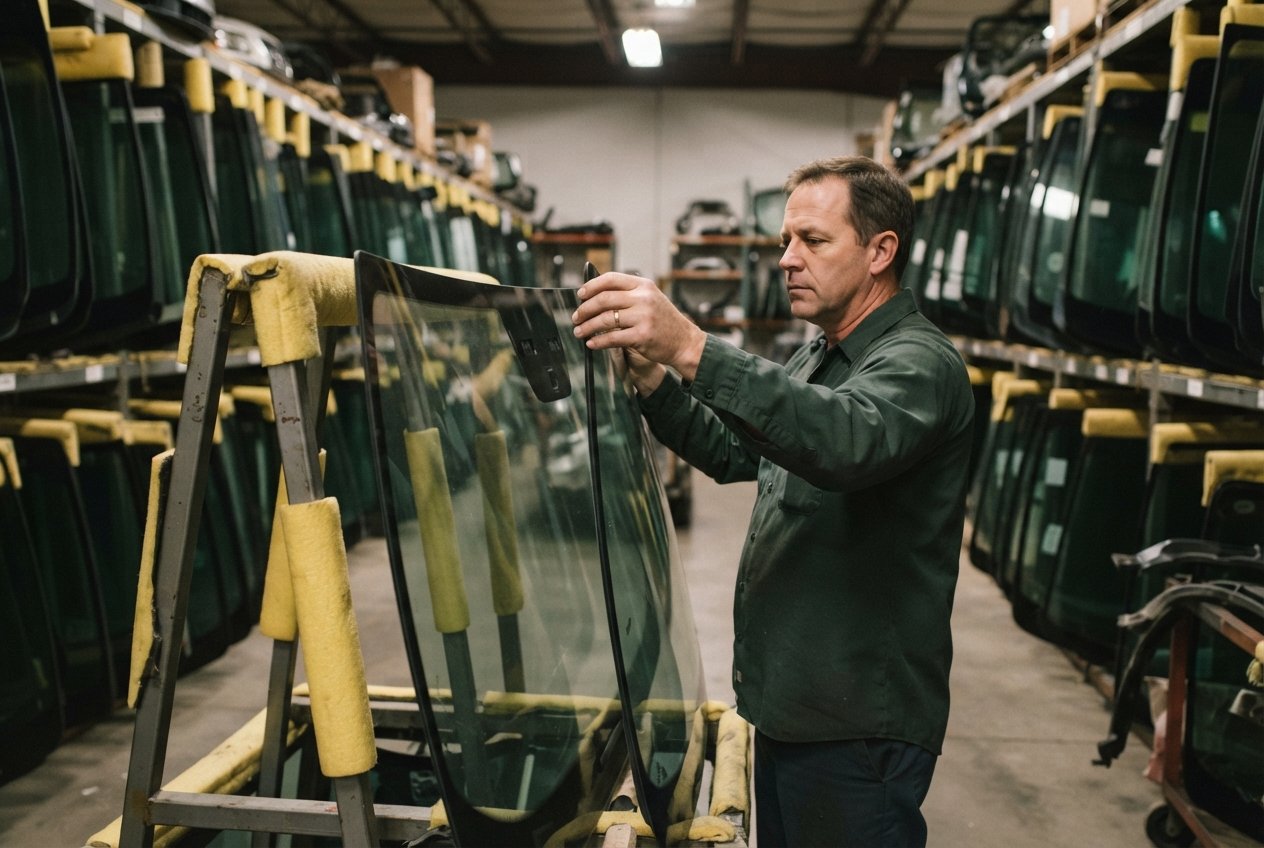
Imagine cruising down a sunlit Australian highway, when suddenly, a stray pebble launches itself at your windscreen, leaving a noticeable crack. It’s an inconvenience many Aussie drivers have experienced. But what if that simple repair suddenly became a significant financial burden? Due to unforeseen shifts in the global glass market, such scenarios are becoming increasingly common and costly for drivers across Australia. The ripple effects of these changes are hitting much closer to home than one might expect, affecting everything from windscreen replacements to vehicle manufacturing costs.
In recent months, the global glass market has been subject to dynamic changes that are dramatically altering the landscape for Aussie motorists. Supply chain disruptions, increased production costs, and mounting demand have all contributed to these challenges. While it might seem like a distant issue, the reality is that these factors are directly impacting how the global glass market is affecting Aussie drivers. This blog post will delve into the intricate web of economic and logistical factors leading to these developments, offering insights into how they could affect your next trip to the mechanic or car dealership. Stay tuned as we navigate the complexities that lie behind every glass pane on Aussie roads today.
Impact of Supply Chain Disruptions on Glass Market

Global supply chains have been under severe strain over the past few years, and the glass industry is no exception. Key raw materials like silica sand, soda ash, and limestone have faced shipping delays due to port congestions, container shortages, and pandemic-related lockdowns in major producing countries. Furthermore, geopolitical tensions, such as trade disputes between China and Australia, have led to sporadic export restrictions on critical minerals. These factors have collectively caused erratic availability of glass batches, leading manufacturers to scramble for alternative suppliers at higher costs.
On top of material challenges, transportation bottlenecks continue to drive unpredictability in lead times. Vessels carrying flat glass or glass cullet often sit offshore for days before docking, waiting for clearance. Inland logistics are equally troubled by rising fuel prices and driver shortages. For local fabricators, this translates into sporadic deliveries and dwindling inventories. Ultimately, these supply chain disruptions feed into higher production costs, longer wait times for replacement glass, and increased premiums for expedited services—directly influencing how the global glass market is affecting Aussie drivers in real time.
Rising Production Costs: Effects on Windscreen Replacements

As raw material prices surge, manufacturers pass on those expenses to processors, glaziers, and repair shops. In Australia, the average cost of windscreen replacement has jumped by nearly 20% over the last 12 months. Energy costs have soared; glass furnaces consume vast amounts of electricity or natural gas to maintain the high temperatures needed for melting and tempering. When utilities bills spike, those increases inevitably cascade down the supply chain.
Labour shortages are compounding the problem, with qualified glaziers in high demand. Many windscreen repair businesses are offering retention bonuses and overtime pay to skilled technicians, which are reflected in service quotes. For everyday drivers, this means shelling out more for basic repairs. Insurance premiums are also creeping upward as claims costs rise—another ripple effect of broader market forces. With fewer local glass manufacturers absorbing costs, most windscreen replacements now rely on imported glass, further inflating final prices. Consequently, Australian motorists are confronting steeper bills at every repair shop, vividly illustrating how the global glass market is affecting Aussie drivers’ wallets.
Increased Demand for Glass Products in the Automotive Industry

The automotive sector is vigorously pursuing enhanced safety and comfort features, driving up demand for high-spec glass products. Panoramic roofs, heads-up displays, and advanced driver-assistance sensors require specialized laminated and coated glass panels. Electric vehicle manufacturers, in particular, demand lightweight yet strong glazing options to increase range and preserve cabin tranquility.
Global automakers are ordering larger volumes of these premium glass units from suppliers, stretching manufacturing capacities. This surge in automotive glass demand has created fierce competition with other industries such as construction and electronics. As a result, production slots for low- and mid-tier glass types often get deprioritized, leading to bottlenecks for replacement-grade products. For Aussie drivers, this means extended wait times and limited options when sourcing windscreen or window replacements, highlighting another dimension of how the global glass market is affecting Aussie drivers through shifting priorities in a crowded supply ecosystem.
Influence of Global Glass Market Changes on Vehicle Manufacturing
Vehicle assembly lines are finely tuned operations that rely on synchronized material flows. When glass deliveries are delayed or cost-prohibitive, automakers must adapt rapidly. Some have rescheduled production runs or shifted to local glass fabricators, even if it means paying premiums to secure reliable supply. These adjustments can translate into delayed vehicle deliveries or increased base prices for end consumers.
Design teams are also re-evaluating the quantity and type of glass used in new models. In response to market volatility, engineers are exploring thinner laminates or hybrid materials to reduce dependency on traditional glass manufacturing processes. Although these innovations may yield long-term cost savings and performance improvements, they require upfront capital for research, tooling, and certification. Consequently, automakers are navigating a complex trade-off between innovation and affordability—an illustration of how far-reaching the shifts in the global glass market are for every car rolling off the production line.
Pricing Trends in the Australian Glass Market
Over the past two years, wholesale glass prices in Australia have climbed steadily, with average increases between 10% and 15% annually. Factors such as the weakening Australian dollar and volatile freight rates have exacerbated cost pressures. Flat glass for construction and automotive applications now commands higher premiums compared to pre-pandemic levels, narrowing the margin for local distributors.
Retail pricing follows suit. Windscreen replacements that once cost around AUD 250 can now exceed AUD 350, depending on the make and model. Replacement side and rear windows have experienced similar uplifts. Insurers, meanwhile, are negotiating fresh frame agreements with service providers to manage the spike in claims expenses. Ultimately, these pricing trends confirm that how the global glass market is affecting Aussie drivers goes beyond isolated repairs—impacting overall vehicle ownership costs and reshaping consumer expectations regarding maintenance budgets.
Innovations in Glass Technology Amidst Market Shifts
In response to supply constraints and rising costs, glass manufacturers are accelerating innovation. New low-iron compositions improve optical clarity while requiring less raw material. Advanced coatings offer self-cleaning and hydrophobic properties, reducing maintenance frequency and enhancing safety during adverse weather. Some labs are pioneering ultra-thin, high-strength laminated glass that delivers similar performance to conventional panes at reduced thickness and weight.
Digitalization is also playing a pivotal role. AI-driven quality control systems detect microscopic imperfections before glass leaves the plant, minimizing wastage. Additive manufacturing techniques are being trialed for rapid prototyping of complex glass molds, slashing tooling lead times. These technological strides not only optimize resource use but also pave the way for more localized, agile production—potentially insulating Aussie workshops from some of the global glass market’s volatility.
Environmental Impacts of Glass Manufacturing in Australia
Glass production is energy-intensive, and Australian facilities contribute to significant greenhouse gas emissions. The high-temperature furnaces required to melt raw materials emit CO₂, while mining silica sand can disturb local ecosystems. Wastewater from processing also demands careful treatment to prevent contamination of waterways.
To mitigate these effects, many glass producers are investing in renewable energy sources, such as solar farms and wind turbines, to power their operations. Recycling initiatives are expanding, with cullet (reclaimed glass) now comprising up to 40% of some manufacturers’ feedstock. This circular approach reduces raw material extraction and lowers overall carbon footprints. As environmental regulations tighten, these sustainability measures become both a compliance requirement and a competitive advantage for market participants.
Regulatory Challenges and Compliance in the Glass Industry
Australia’s glass industry operates under stringent standards, including AS/NZS 2208 for safety glazing materials. Compliance with these regulations ensures that automotive glass withstands impact requirements and optical clarity tests. However, evolving environmental policies—such as the National Greenhouse and Energy Reporting Scheme—impose additional reporting and performance obligations on manufacturers.
Import regulations also play a crucial role. Customs tariffs, biosecurity inspections, and product certifications can delay shipments of glass components, adding to logistical complexity. Smaller fabricators often struggle to absorb these compliance costs, leading to market consolidation. As regulatory landscapes shift globally, staying abreast of international standards and local mandates becomes a strategic priority for all players in the Australian glass supply chain.
Future Outlook: Predictions for the Australian Glass Market
Looking ahead, analysts forecast that Australian glass demand will grow modestly at 3–5% annually through 2027, driven by ongoing construction projects and automotive production. Near-shoring of some manufacturing processes may emerge as companies seek to reduce dependency on distant suppliers and volatile freight routes.
Technological advancements in recycling and low-carbon production methods are expected to accelerate, further reshaping the competitive landscape. Inflationary pressures could stabilize as supply chain disruptions ease, but geopolitical risks and climate-related events remain wild cards. For Aussie drivers, the outlook suggests steadier access to replacement glass at more predictable prices, provided industry stakeholders continue investing in resilient, sustainable supply chains.
Conclusion: Navigating the Changing Landscape of Glass Market Impacts
The evolving global glass market presents both challenges and opportunities for Australian drivers. From supply chain disruptions and rising production costs to technological innovations and stringent regulations, each factor plays a role in shaping repair and replacement expenses.
By understanding these dynamics, motorists can make informed decisions—whether negotiating insurance, choosing repair providers, or considering newer vehicle models with advanced glazing technologies. Keeping an eye on market trends will help Aussie drivers navigate—and potentially mitigate—the financial impacts of a glass market in flux.