
Finding OEM Glass for Windscreen Replacement in Australia: Your Ultimate Guide
Imagine cruising down an open road, the sun shining brightly through your perfectly clear windscreen, when suddenly, an unexpected crack disrupts your view. It’s a scenario that many Australians face, prompting the urgent question: where to get your windscreen replaced with OEM glass in Australia? The task of finding the right replacement can be daunting, especially when the safety and integrity of your vehicle depend on it. Fortunately, this blog post is designed to navigate you through the intricacies of selecting OEM glass for your windscreen replacement, ensuring you make informed decisions without compromising quality.
OEM glass, or Original Equipment Manufacturer glass, offers the perfect blend of reliability and precision, as it’s crafted to meet the exact specifications of your vehicle. However, with a myriad of options and retailers available, identifying a trustworthy supplier is crucial. This guide will delve into the nuances of why choosing OEM glass matters, how it affects your car’s safety and performance, and where you can confidently make your purchase in Australia. Whether you’re a seasoned driver or a novice vehicle owner, gaining insight into this topic will empower you to keep your journey smooth and safe.
Understanding the Importance of OEM Glass for Windscreen Replacement

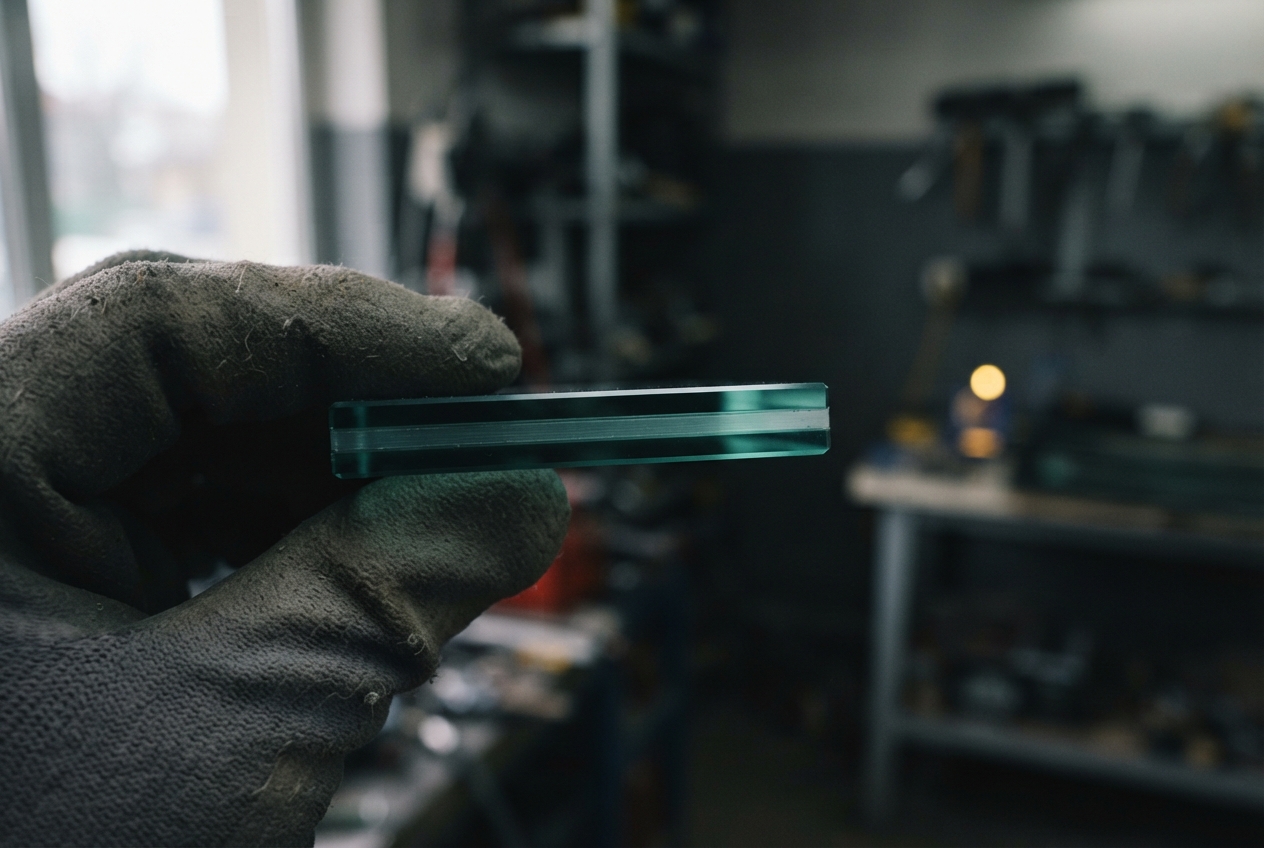
OEM glass stands for Original Equipment Manufacturer glass, which is produced by the same company that manufactured your vehicle’s original windscreen. It adheres strictly to the automaker’s specifications, ensuring perfect fit, clarity, and durability. When you select OEM glass, you’re choosing a product that has undergone rigorous testing to meet safety standards, environmental regulations, and optical clarity benchmarks. This level of quality control reduces the chances of warping, misalignment, or optical distortion, issues that can compromise driving performance and passenger comfort.
Beyond physical measurements, OEM glass often includes advanced features such as acoustic dampening, UV protection, and sensor calibration compatibility. These integrations are designed specifically for your vehicle’s make and model, ensuring that features like rain sensors, lane-departure warning cameras, and heads-up displays function correctly. Non-OEM or generic alternatives might lack these customizations, resulting in unexpected malfunctions or additional installation costs.
Another critical aspect is warranty retention. Many automakers require OEM parts for warranty coverage on components related to safety and structural integrity. Using aftermarket glass could, in some cases, void your vehicle’s warranty, leading to greater expense down the line. Overall, investing in OEM glass provides peace of mind, knowing that you are maintaining the original safety, performance, and value of your vehicle.
The Difference Between OEM Glass and Aftermarket Glass
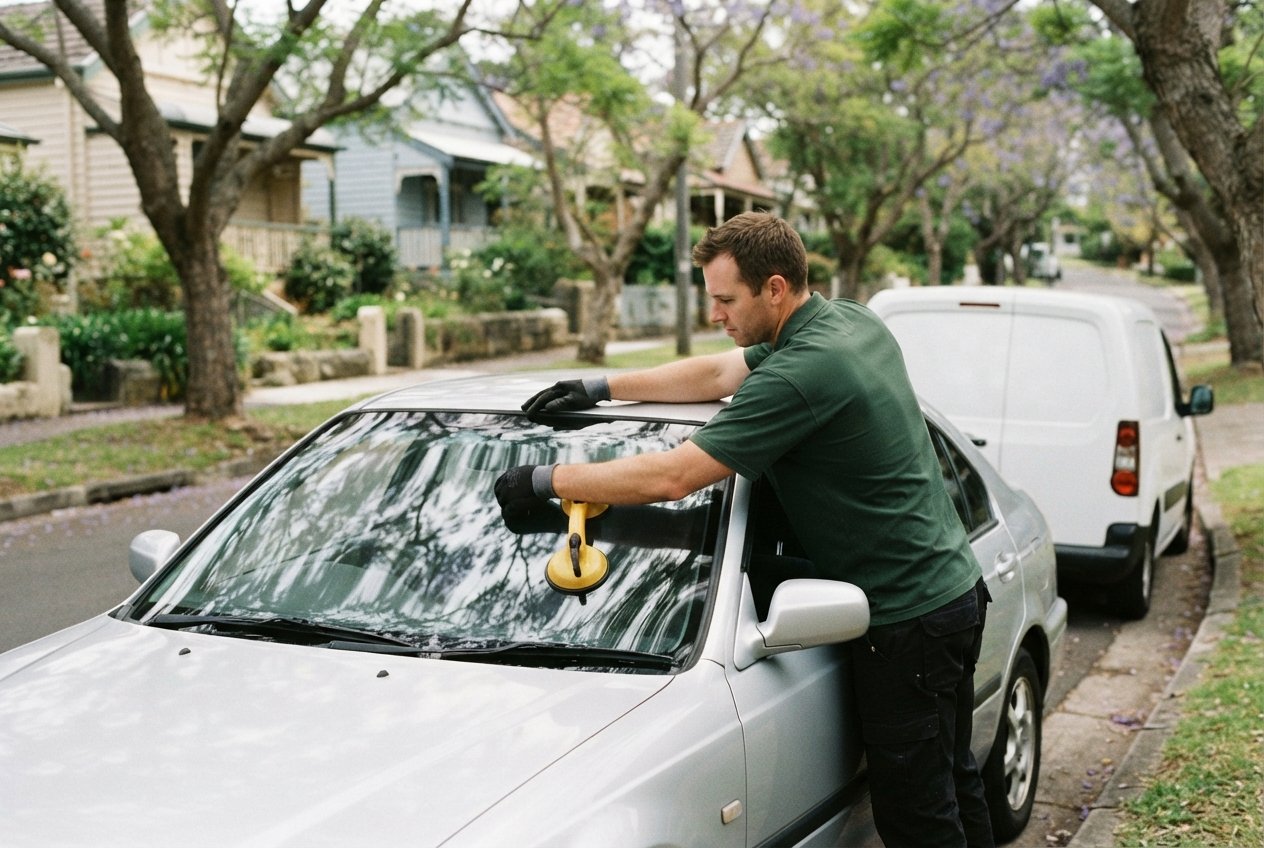
OEM glass is manufactured by or for the vehicle’s original maker, designed to match exact specifications for fit, thickness, curvature, and optical clarity. Aftermarket glass, on the other hand, is produced by third-party suppliers who may offer lower prices but often cut corners in quality, precision, and features.
While both types may look similar at first glance, OEM glass undergoes stringent testing for safety standards, chip resistance, and sensor integration. Aftermarket pieces may not align perfectly with advanced driver assistance systems (ADAS), leading to calibration issues. Over time, these minor misalignments can escalate into significant safety risks, such as impaired visibility or malfunctioning rain sensors. In essence, while aftermarket glass can be a cost-saving option initially, it may result in higher long-term costs and compromised vehicle performance.
Factors to Consider When Selecting OEM Glass Suppliers in Australia
Choosing the right OEM glass supplier in Australia involves evaluating several key factors. First, verify the supplier’s authorization by your vehicle’s manufacturer to ensure genuine parts. Next, consider availability—reputable suppliers maintain a diverse inventory of OEM windscreen glass for various makes and models, minimizing wait times.
Finally, examine additional services like mobile installation, ADAS calibration, and warranty policies. Full-service providers often include professional fitment and sensor recalibration, guaranteeing that your windscreen performs as intended. By prioritizing these factors, you’ll secure high-quality OEM glass and expert installation for a safe, seamless driving experience.
How OEM Glass Affects the Safety of Your Vehicle
OEM glass plays a pivotal role in structural integrity, acting as an essential component of your vehicle’s safety system. In a collision, the windshield helps maintain the roof’s stability, preventing collapse and protecting occupants. Additionally, modern cars rely on the windshield to support airbag deployment; any deviation from factory standards could compromise this synchronization.
Beyond crash performance, OEM glass is engineered with precise optical clarity to reduce driver fatigue and improve visibility. It also incorporates noise reduction and UV filtration to enhance comfort and protect your interior. Opting for OEM glass ensures these safety features perform exactly as designed, providing reliable protection every time you’re on the road.
Ensuring Proper Installation of OEM Glass for Optimal Performance
Proper installation is as crucial as the quality of the glass itself. Professional technicians follow manufacturer guidelines, using specific adhesives and curing times to guarantee a secure bond. This process ensures the windscreen contributes fully to your vehicle’s structural strength and airbag deployment functionality.
In addition, accurate calibration of ADAS components—such as lane-keeping assist and collision-warning cameras—is essential. A slight misalignment can render these systems ineffective, undermining your vehicle’s advanced safety features. Trust certified installers who specialize in OEM replacements to deliver precise, reliable results.
Top OEM Glass Brands Recommended for Windscreen Replacement
In Australia, several brands are widely recognized for their high-quality OEM windscreen glass. Pilkington, for instance, has a strong reputation for manufacturing precision glass that meets stringent OEM specifications across multiple carmakers. O-I Glass and NSG Group are also trusted sources, offering extensive product lines for both domestic and imported vehicles.
When selecting a brand, look for partnerships with major automakers, ISO certifications, and proven track records. Authorized distributors typically carry multiple OEM brands, allowing you to choose the glass that aligns best with your vehicle’s original standards and performance features.
Cost Analysis: OEM Glass vs. Aftermarket Glass
At first glance, aftermarket glass may appear more budget-friendly, often priced 20–40% less than OEM equivalents. However, these savings can be offset by potential issues such as poor fitment, optical distortion, and the need for additional calibration services.
OEM glass, while more expensive upfront, includes the benefits of guaranteed fit, full ADAS compatibility, and retention of your vehicle’s warranty. When factoring in long-term reliability, reduced maintenance, and enhanced safety, the total cost of ownership often favors OEM glass. Ultimately, weighing initial expense against lasting value helps you make a financially sound decision.
Customer Reviews and Ratings of OEM Glass Suppliers in Australia
Before committing to a supplier, it’s wise to review customer feedback across platforms like Google Reviews, ProductReview.com.au, and local automotive forums. Look for recurring themes—timely service, professional installation, and post-installation support are positive indicators. Conversely, complaints about poor fit or delayed stock can signal potential red flags.
Peer recommendations often shed light on hidden benefits, such as mobile installation services or complimentary sensor calibrations. Evaluating these experiences gives you a clearer picture of which suppliers deliver on their promises, helping you choose with confidence.
Warranty and Guarantees: What to Look for When Buying OEM Glass
A solid warranty is a hallmark of a reputable OEM glass supplier. Look for coverage that includes workmanship, materials, and adhesive performance. Many providers offer a lifetime warranty on leaks or seal failures, ensuring peace of mind against future issues.
Additionally, verify whether the warranty remains valid if you choose mobile installation versus workshop service. Some suppliers require use of authorized installers to uphold warranty terms. Understanding these conditions helps you maintain full protection for your investment.
Conclusion: Making the Right Choice for Your Windscreen Replacement
Choosing OEM glass for your windscreen replacement in Australia is an investment in safety, performance, and long-term reliability. By selecting authorized suppliers, ensuring professional installation, and understanding warranty terms, you safeguard your vehicle’s integrity.
Ultimately, prioritizing genuine OEM parts preserves your car’s original design specifications, keeping you protected on every journey. With the insights provided in this guide, you’re well-equipped to make an informed decision and enjoy clear, secure travels ahead.