
Ensuring Perfect Auto Glass Replacement for Cars with Driverassist Technology

In today’s fast-paced world, the technological advances in automotive design have been nothing short of revolutionary. Driver-assist technology, once seen as a futuristic dream, has become an integral part of our daily commutes, promising enhanced safety and convenience on the road. Yet, with these advancements comes a unique set of challenges—particularly when it comes to maintaining and repairing your vehicle. Imagine driving down the highway, confident in your car’s ability to help steer, brake, and even park for you, only to be sidelined by a cracked windshield. This is where the often-overlooked yet critical service of auto glass replacement for cars with driver-assist technology becomes crucial.
Many drivers are unaware that a standard windshield replacement won’t suffice for vehicles equipped with this sophisticated technology. Sensors and cameras integrated into the windshield are part of the car’s intricate safety systems, making precision and expertise essential during an auto glass replacement. Ignoring these specifics can impair the very systems designed to protect you—leading to not just inconvenience but potentially dangerous situations. In this blog post, we’ll delve into the meticulous process of ensuring your auto glass replacement meets the high standards required by modern cars with driver-assist technology, keeping every drive as safe and seamless as intended.
Understanding the Importance of Driver-Assist Technology
Driver-assist systems have become fundamental to modern vehicle safety, leveraging cameras, radar, and ultrasonic sensors to monitor the road ahead. Technologies like lane-keeping assist, adaptive cruise control, and automatic emergency braking rely on clear inputs from these devices to function correctly. When a windshield is compromised—whether by chips, cracks, or complete breakage—the alignment and visibility of these sensors can be severely affected. That means the very systems designed to enhance safety may underperform or fail entirely without proper attention to auto glass replacement for cars with driver-assist technology.
Beyond the sensors themselves, driver-assist features offer drivers an extra layer of confidence. They reduce driver fatigue on long trips, help maintain safe following distances in traffic, and actively intervene to prevent collisions. A windshield that’s not correctly installed or calibrated can skew sensor data, leading to false warnings or missed alerts. With millions of vehicles on the road employing these advanced features, understanding their importance is the first step in recognizing why any auto glass repair or replacement must be handled with the utmost precision. After all, your windshield is not just a piece of glass—it’s an integral part of a comprehensive safety system.
Differences Between Standard Auto Glass Replacement and Replacement for Cars with Driver-Assist
Technology
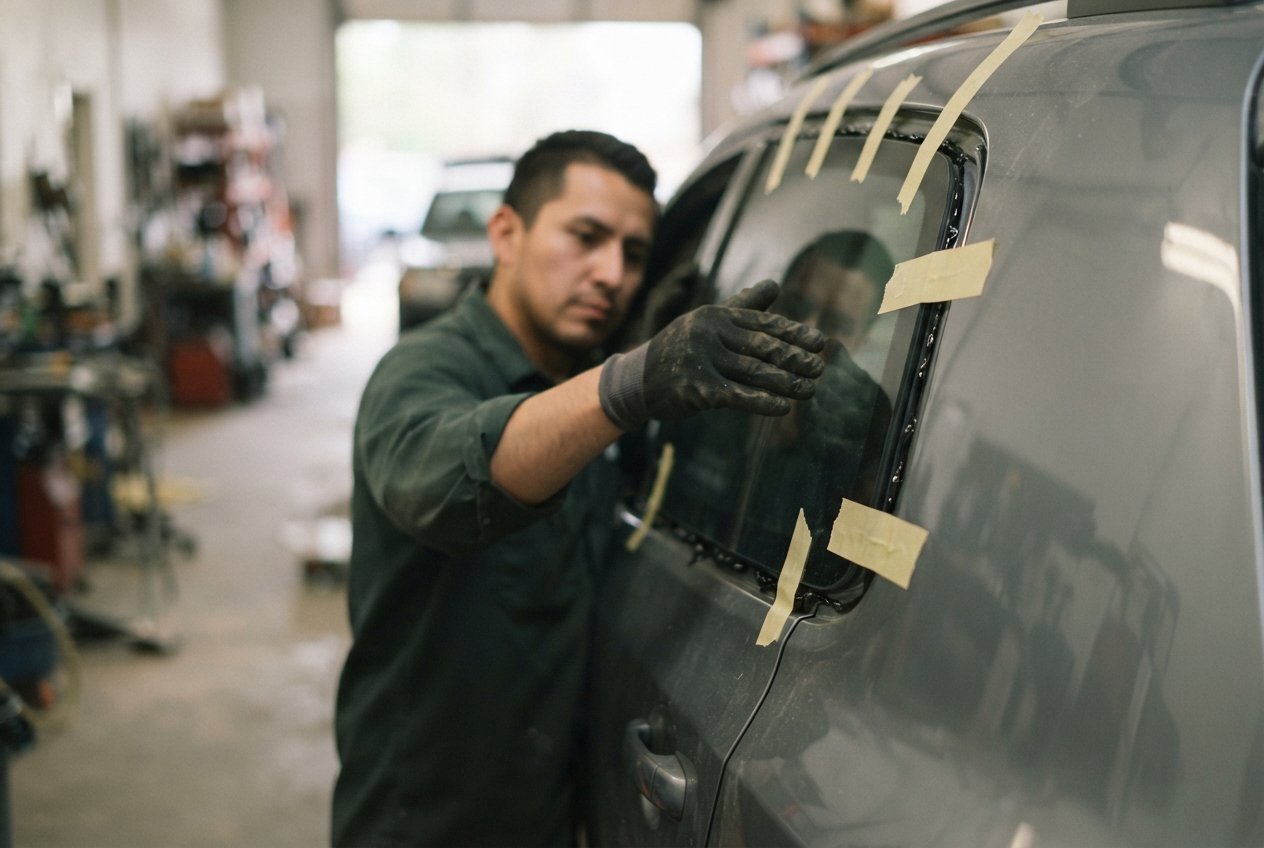
A standard auto glass replacement typically involves removing the old windshield, cleaning the bonding surface, applying new adhesive, and fitting the replacement glass. While this process restores structural integrity and visibility, it does not account for the sophisticated electronics embedded in modern windshields. On the other hand, auto glass replacement for cars with driver-assist technology requires additional steps to preserve sensor alignment and ensure seamless functionality of ADAS (Advanced Driver-Assistance Systems).
One key difference is the need for special adhesives and primers that meet OEM (Original Equipment Manufacturer) specifications. These materials must allow for proper curing times to support the weight and tension of integrated sensors. Technicians must also handle the glass with non-marring tools to prevent any damage to sensor mounts. Moreover, while a standard replacement shop might complete a windshield swap in under an hour, a driver-assist windshield replacement can take substantially longer due to calibration and testing protocols. Understanding these differences underscores why specialized expertise and equipment are non-negotiable when servicing high-tech windshields.
Identifying Sensors and Cameras Integrated into the Windshield
Modern windshields are more than just safety glass; they house an array of cameras, rain sensors, and forward-facing radar units. Before initiating any auto glass replacement for cars with driver-assist technology, it’s crucial to identify each component’s location and function. Doing so ensures that no element is accidentally damaged or misaligned during removal or installation.
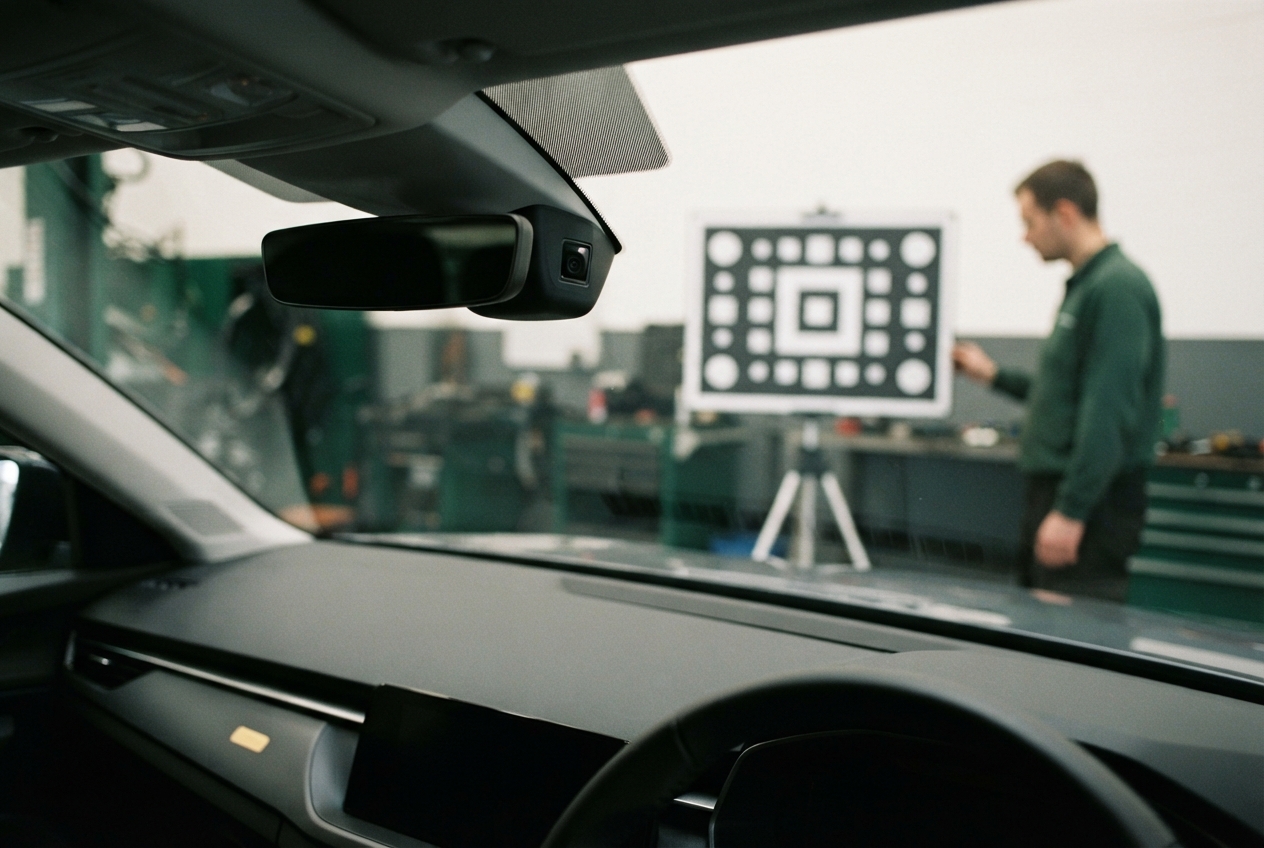
Typically, sensors are mounted behind or around the rearview mirror, while rain and light sensors sit near the top of the windshield. Some systems also employ heads-up display projectors embedded in the dash that interface directly with the glass. Accurate identification enables technicians to plan tool placement, select the right protective coverings, and prepare for the subsequent calibration steps necessary to restore full system functionality.
Ensuring Proper Calibration After Auto Glass Replacement
Proper calibration is the linchpin of any successful auto glass replacement for cars with driver-assist technology. Once the new windshield is securely bonded, each sensor must be realigned to factory specifications. Calibration ensures that the cameras correctly interpret lane markings, that adaptive cruise control maintains safe distances, and that automatic braking responds at the right thresholds.
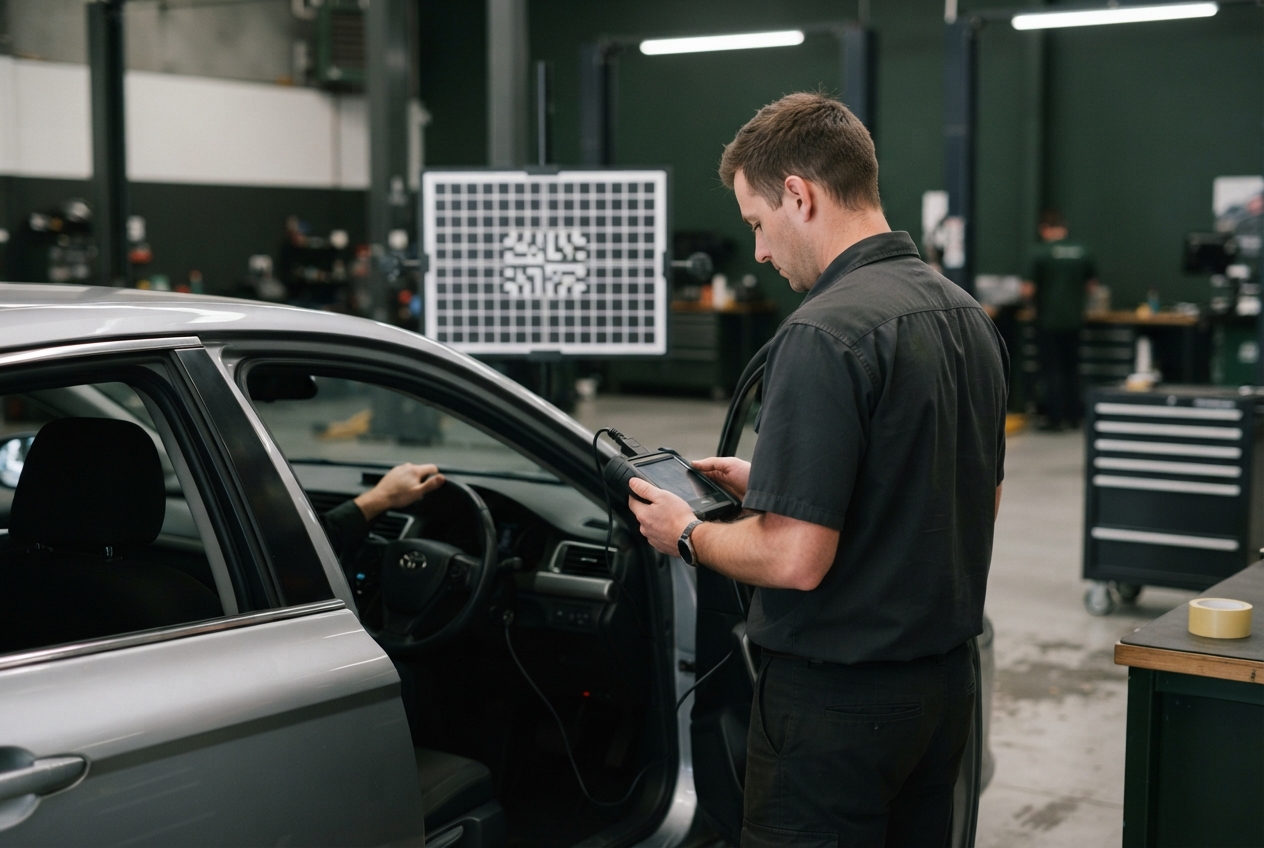
Calibration can be static—performed in a controlled garage environment using calibration targets—or dynamic, which requires on-road testing to fine-tune sensor readings in real traffic conditions. Both methods rely on specialized calibration tools and software tailored to your vehicle’s make and model. Skipping or improperly executing these steps can lead to erratic system behavior, compromise safety features, and may even void manufacturer warranties.
Choosing a Qualified Auto Glass Repair Shop
Not all glass shops are equipped to handle the complexities of driver-assist technology. When seeking auto glass replacement for cars with driver-assist technology, look for technicians who are trained and certified by OEMs or recognized industry bodies. These credentials indicate familiarity with the unique adhesives, calibration tools, and software required to service your vehicle correctly.
Reputation also matters. Read customer reviews for feedback on their experience with sensor calibration and system testing. Verify that the shop carries liability insurance and that they use OEM-approved materials. A qualified repair center will walk you through each step of the process—explaining how they’ll protect your car’s advanced safety systems and providing documented proof of calibration upon completion.
Steps Involved in Precision Auto Glass Replacement
Precision is at the heart of any successful auto glass replacement for cars with driver-assist technology. While the overall process resembles a standard windshield swap, each phase demands extra care to protect electronic components and ensure flawless sensor performance.
The procedure begins with a thorough inspection to map sensor locations. Technicians then use specialized glue knives or power tools with non-marring blades to remove the old windshield. After meticulously cleaning the pinch weld and applying primer, they set the new windshield with OEM-grade adhesive and let it cure as per manufacturer guidelines. Once the glass is bonded, the calibration phase begins, concluding with a comprehensive functionality check of all driver-assist features.
Testing the Functionality of Driver-Assist Systems Post-Replacement
After calibration, rigorous testing is crucial to confirm that each system operates correctly. This stage involves both static and dynamic tests to simulate real-world driving scenarios. Only after these assessments provide satisfactory results should the vehicle be cleared for regular use.
Static testing includes verifying camera alignment using calibration targets placed at measured distances within the shop. Technicians will then proceed with dynamic tests—such as engaging lane-keeping assist on a test track and performing adaptive cruise control exercises. These evaluations help detect subtle misalignments that could affect safety system performance if left unaddressed.
Common Mistakes to Avoid During Auto Glass Replacement
Even minor oversights can undermine the integrity of driver-assist systems. One common error is rushing the adhesive curing process to expedite delivery, which can weaken the bond and jeopardize airbag deployment zones. Another frequent misstep involves neglecting to protect or correctly reattach sensor housings, leading to miscalibrated inputs.
Technicians must also avoid using universal calibration targets or off-the-shelf adhesives not specified by the vehicle manufacturer. Such shortcuts may save time or money upfront but can result in degraded system performance, increased liability, and higher long-term costs for the vehicle owner.
Benefits of Professional Auto Glass Replacement for Cars with Driver-Assist Technology
Opting for a certified, professional auto glass replacement for cars with driver-assist technology offers multiple advantages. First and foremost, you regain full functionality of all advanced safety systems—everything from collision warnings to lane departure alerts operates precisely as intended. This ensures you and your passengers enjoy the highest level of protection on the road.
In addition, professional repair shops use OEM-approved materials and follow manufacturer procedures, preserving your vehicle’s warranty and resale value. You also gain peace of mind knowing that your car’s sophisticated sensors and cameras have been handled by experts, reducing the likelihood of costly recalibrations or system failures down the line.
Conclusion: Safeguarding Your Driving Experience with Expert Auto Glass Replacement
Maintaining the integrity of driver-assist systems hinges on precise auto glass replacement and calibration. By choosing qualified professionals who understand the intricacies of modern safety technology, you protect both your investment and your well-being.
Remember, your windshield is more than just glass—it’s a critical component of an advanced safety network. Ensuring it’s replaced correctly guarantees that every journey remains as safe and stress-free as the technology was designed to provide.