 Aussie AutoGlass
 - November 17, 2025
- By feng gao
- In mobile windscreen replacement, Mobile windscreen replacement in Blacktown, Service Areas
- Tags autoglass replacement, Windscreen repair near Earlwood, windscreen tinting
- 205
- 0


Imagine cruising through Australia’s breathtaking landscapes in your sleek electric vehicle, the epitome of innovation and sustainability. Then, out of nowhere, a rogue pebble sends a crack through your windscreen, transforming your driving nirvana into a source of eco-conscious anxiety. Maintaining the integrity of your EV’s windscreen is not just about aesthetics or even safety; it’s about ensuring that the repair aligns with the very principles that led you to choose an electric vehicle in the first place: sustainability, efficiency, and environmental responsibility.
In a world increasingly conscious of its ecological footprint, finding the best windscreen repair for hybrid and electric vehicles in Australia becomes essential. Not only are these repairs critical to preserving the functionality and sleek look of your vehicle, but they also play a vital role in minimizing waste and reducing energy use during the repair process. This blog post delves into top eco-friendly windscreen repair options in Australia, providing you with choices that combine cutting-edge technology with planet-friendly practices, all to ensure that your green vehicle stays as sustainable on the outside as it is under the hood.
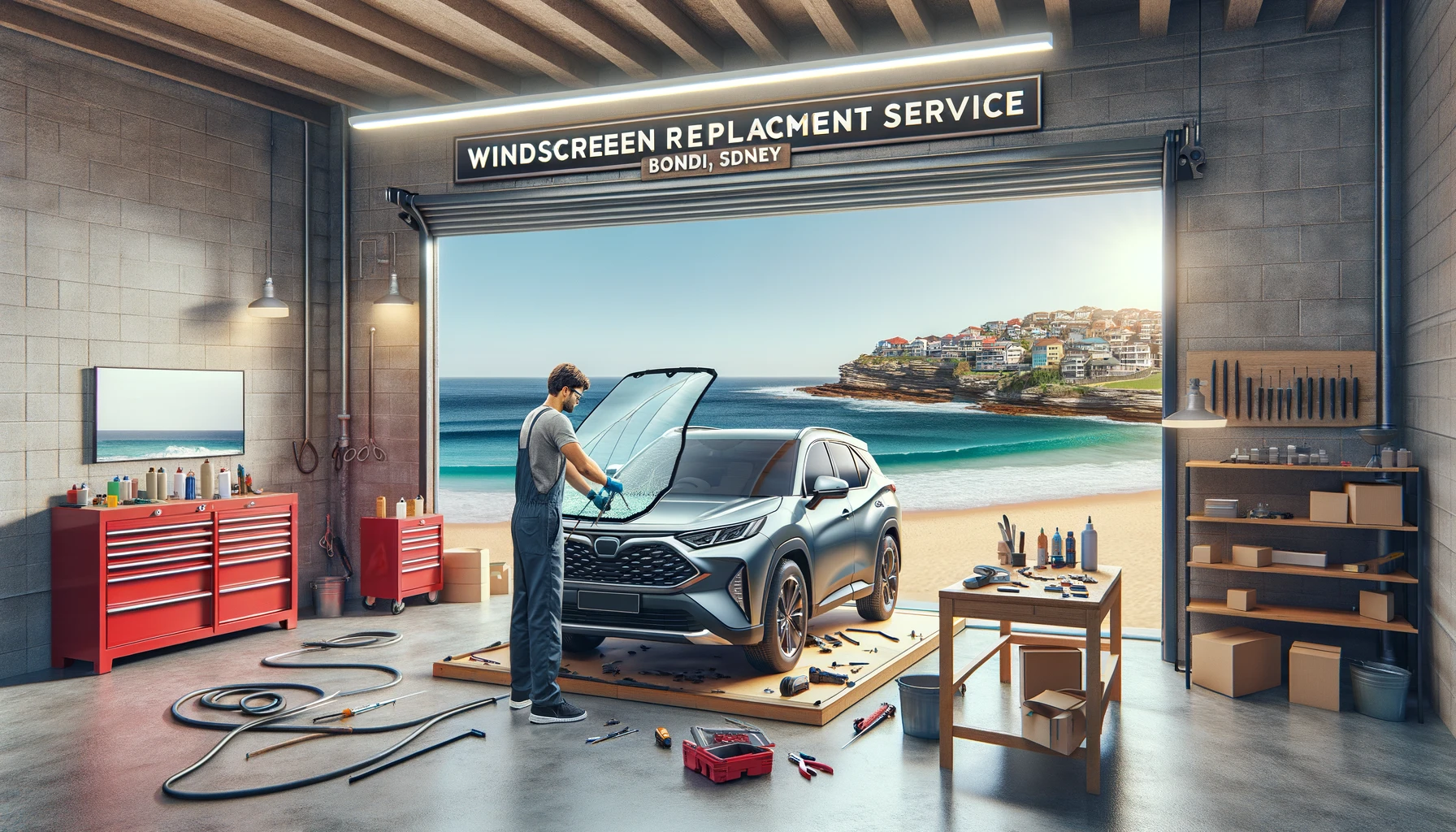
Advances in eco-friendly windscreen repair technologies have revolutionised how cracks and chips are treated, especially in electric vehicles. Traditional replacement methods often involve significant material waste and energy consumption, but newer approaches focus on targeted repair, reduced resource use, and minimal carbon emissions. One common technique is resin injection, where a specialized, low-VOC (volatile organic compound) resin is precisely injected into the damaged area under vacuum pressure. This process not only restores structural integrity but also limits resin wastage and shortens curing time through UV exposure.
Another innovation involves ultrasonic repair systems that use high-frequency vibrations to ensure the resin penetrates deep into micro-fissures, creating a more durable bond with less material. Self-healing polymers are an emerging technology on the horizon, where embedded microcapsules release repair agents upon impact, sealing cracks almost instantaneously. Finally, mobile repair units equipped with solar-powered UV lamps and LED curing lights are becoming increasingly popular, enabling technicians to fix windscreens on-site without relying on grid electricity. These combined technologies position windscreen repair as a truly sustainable solution for EV owners seeking the best windscreen repair for hybrid and electric vehicles in Australia.

Opting for an eco-friendly windscreen repair service yields multiple benefits beyond mere crack or chip restoration. Firstly, it conserves resources by repairing rather than replacing the entire windscreen, which significantly reduces glass manufacturing demand and waste sent to landfills. For electric vehicle owners, whose primary motivation is reduced environmental impact, this aligns perfectly with the ethos of green motoring. Additionally, using low-VOC resins and bio-based adhesives ensures minimal chemical emissions, contributing to better air quality both inside the vehicle cabin and in the repair workshop.
From a performance standpoint, modern repair techniques restore up to 90% of the windscreen’s structural integrity and optical clarity. This means clearer vision, improved safety, and compliance with vehicle manufacturer warranties—an important consideration since many OEMs require repairs to meet strict standards for lamination and bonding. Financially, repairing rather than replacing can save EV owners up to 70% in labour and material costs. And because many insurers now cover eco-friendly repairs under comprehensive policies, the out-of-pocket expense often remains minimal. In essence, choosing a sustainable approach delivers environmental, safety, and financial advantages, making it a win-win for EV drivers.
Australia’s automotive service industry has seen a surge in green-focused providers catering to the growing EV market. Among the front-runners is National Green Glass, a subsidiary of National Windscreens, which uses recycled glass fragments and solar-powered mobile units to reduce carbon emissions. Their proprietary UV-curing resin is tinted to match all electrochromic windscreen variants found on modern EVs. Alliance Eco-AutoGlass is another leader, certified under ISO 14001, offering on-site repairs with biodegradable cleaning solutions and water-based adhesives.
In Melbourne, EcoGlass Solutions specialises in hybrid and electric vehicles, delivering the best windscreen repair for hybrid and electric vehicles in Australia through advanced vacuum-injection systems. Their technicians undergo manufacturer-specific training for brands like Tesla, Hyundai, and Nissan. Brisbane-based Greenspeed Windscreens deploys electric service vans charged by solar arrays, ensuring every repair is carbon-neutral. Sydney’s Green Auto Glass Alliance partners with local recycling plants to reclaim damaged glass, funneling it back into new windscreen production. Each of these companies not only meets stringent quality and safety standards but also champions sustainable materials and energy-efficient processes.
The cornerstone of eco-friendly windscreen repair lies in the sustainable materials that replace traditional solvents and plastics. One widely adopted option is bio-based resin derived from plant oils, offering similar strength and clarity to petrochemical resins but with a significantly lower carbon footprint. These resins cure under UV light in minutes, cutting down workshop energy consumption. Low-VOC adhesives further reduce harmful emissions, protecting both technicians and passengers from volatile compounds.
Recycled glass is another critical material. Instead of mining silicon dioxide anew, some companies grind up post-consumer windscreen glass, filter out impurities, and fuse it into new repair components or aerosol sealants. Water-based cleaning agents have replaced solvent-heavy sprays, while microfiber cloths cut down on single-use paper towels. Even auxiliary materials—like masking tape and protective films—are now available in compostable or recyclable forms. By choosing these sustainably sourced inputs, EV owners ensure that every aspect of the repair process upholds environmental responsibility without compromising on quality or safety.
Energy-efficient methodologies are reshaping how windscreen repairs are conducted for electric vehicles. Mobile repair units now incorporate solar panels on van roofs to power LED curing lamps, eliminating reliance on fossil-fuel generators. UV-LED technology cures resins faster than conventional UV bulbs, reducing energy draw by up to 60% per repair cycle. In stationary workshops, energy management systems schedule repairs during off-peak grid hours, leveraging lower-emission electricity when demand is low.
Furthermore, process optimization software helps technicians pinpoint repair locations with precision, minimizing repeated resin injections and reducing overall resource consumption. Some companies even use electric forklifts and battery-powered lifts to position vehicles, ensuring that every stage of repair—from glass removal to finishing—remains as carbon-neutral as possible. By integrating these energy-saving practices, service providers not only lower operational costs but also reinforce their commitment to sustainable EV maintenance.
At first glance, eco-friendly windscreen repair services may carry a slight premium—typically 10–15% above conventional methods—due to the use of advanced materials and specialized equipment. However, this upfront investment often pays off through long-term savings. Traditional replacements involve full glass disposal, fresh glass manufacturing, and higher transportation emissions, all of which carry hidden environmental and financial costs. When factoring in waste levies, carbon offset programs, and higher insurance premiums for non-certified repair shops, the overall expense gap narrows significantly.
Moreover, many insurers in Australia now recognize and even incentivise green repair options. Policyholders may receive rebates or reduced excess fees for choosing suppliers accredited as the best windscreen repair for hybrid and electric vehicles in Australia. Over time, the reduced environmental levies, lower disposal fees, and potential insurance discounts can offset the initial surcharge. For EV owners intent on minimising their total cost of ownership while upholding sustainability principles, eco-friendly repairs represent a savvy financial decision as well as an ethical one.
Ensuring that a repair provider meets rigorous environmental and safety benchmarks is crucial. Look for ISO 14001 certification, which demonstrates a company’s systematic approach to environmental management. The Australian Glass & Glazing Association (AGGA) issues GreenGlaze accreditation to workshops that adhere to best practices in waste reduction, chemical handling, and energy efficiency. Some manufacturers, such as Tesla and Rivian, maintain approved repair networks; using an OEM-certified service can preserve vehicle warranties and ensure compliance with laminated glass standards.
Additionally, the National Automotive Glass Association (NAGA) offers the ECOSELECT certification program, which evaluates supply chain transparency, material sourcing, and end-of-life recycling protocols. Environmental Protection Authority (EPA) approvals for chemical use and waste discharge further guarantee responsible operations. By choosing a provider with these certifications, EV owners can be confident that their windscreen repair not only restores function and aesthetics but also upholds Australia’s highest sustainability standards.
Real-world feedback highlights the tangible benefits of eco-friendly windscreen repairs for EV drivers. Many Tesla owners praise the precise colour-matching of UV-cured resins, noting that repaired chips become virtually invisible under sunlight. HYBRID motorists often commend the convenience of solar-powered mobile units arriving at their doorstep, eliminating the need to transport a stationary vehicle. Across forums and social media, EV enthusiasts commonly remark on the peace of mind gained by supporting providers accredited by AGGA and ISO 14001.
Customers also report smoother claims processes, as insurers increasingly endorse green repair schemes. One reviewer in Perth noted a 20% discount on excess fees after presenting proof of an eco-certified repair. Another Brisbane-based EV owner highlighted that the service van used recycled water for glass preparation, reflecting a broader commitment to sustainability. Collectively, these testimonials underscore that eco-friendly repairs can meet or exceed expectations in quality, speed, and environmental responsibility—reinforcing why these services are rising in popularity among discerning EV drivers.
The next frontier in sustainable windscreen repair lies at the intersection of digitalisation and material science. Expect AI-driven damage detection to guide technicians in applying resin with pinpoint accuracy, minimising waste. Robotics may handle delicate inject-and-cure tasks in high-volume workshops, ensuring consistent quality and reducing manual labour. Advances in nanotechnology could yield self-healing glass coatings that automatically seal micro-cracks within hours of impact.
Closed-loop recycling systems are also set to expand, where end-of-life windscreens are chemically broken down and reconstituted into new glass units. Blockchain tracking of recycled materials will guarantee authenticity and sustainability claims, offering full transparency for consumers and regulators alike. As the EV fleet in Australia grows, these forthcoming innovations will make eco-friendly windscreen repair not just a niche service but an industry standard for green mobility.
Choosing an eco-friendly windscreen repair provider aligns perfectly with the green ethos of electric vehicle ownership. From cutting-edge resin injection and UV curing to recycled materials and solar-powered workshops, these solutions reduce waste, lower carbon emissions, and often deliver cost savings over traditional replacements.
By prioritising certification, energy-efficient processes, and reputable customer feedback, EV drivers can ensure that every chip or crack repair contributes to a more sustainable future—one vehicle at a time.
Book your appointment now and get 10% discount.
And give us google 5 Stars feedback and get a free drink on us.
MAKE APPOINTMENT


