
Discover Why Windscreen Replacement Cost for Luxury European Cars in Sydney Varies

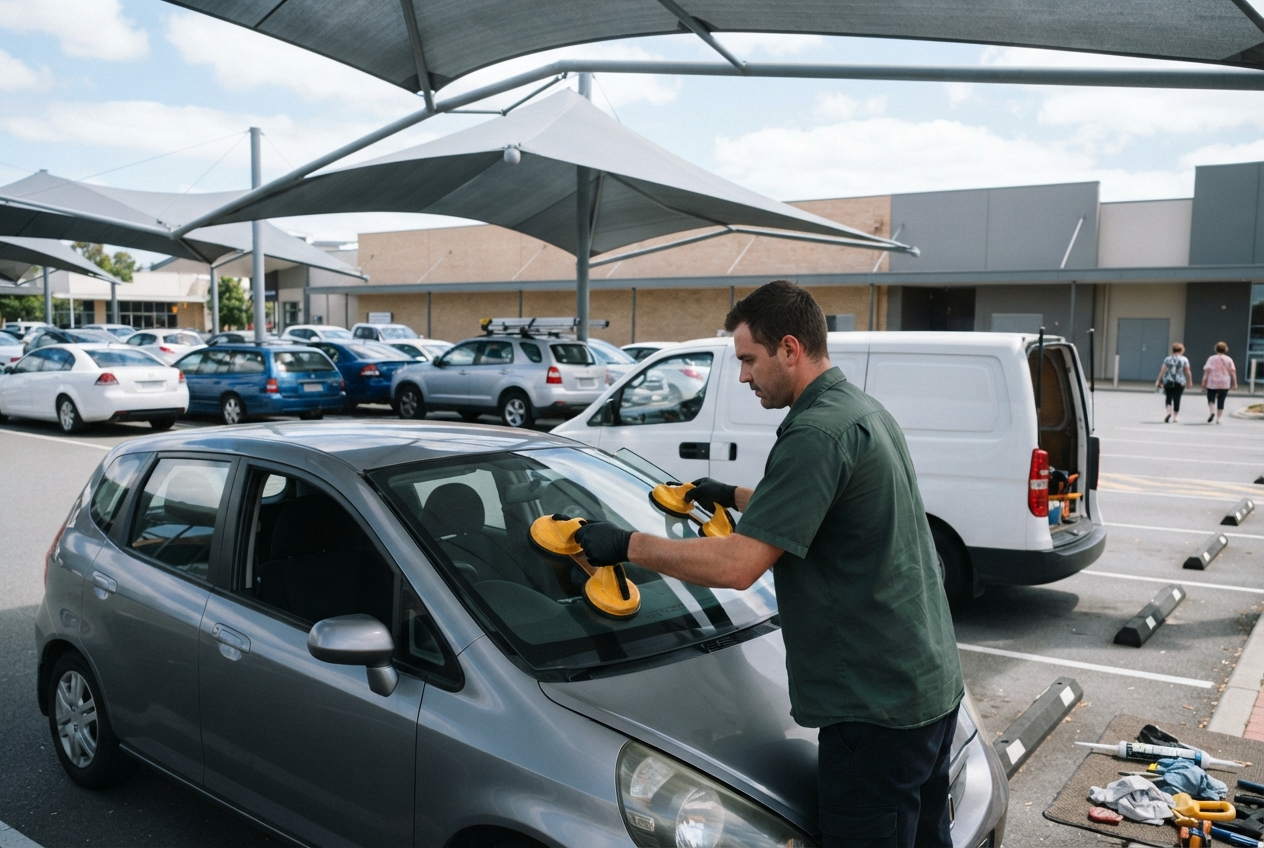
Imagine cruising through the stunning landscapes of Sydney in your luxury European car, with its sleek design and unparalleled comfort. Suddenly, a stray pebble is hurled up by the wheels of the vehicle in front, leaving an unwelcome crack on your pristine windscreen. It’s a scenario you’d rather not face, yet it’s an inevitable risk all drivers share. The next step is to get the windscreen replaced, but if you’ve ever wondered why the cost of this service can vary so significantly for luxury European cars, you are not alone. Understanding these cost fluctuations is crucial for making informed decisions about your vehicle’s care.
In Sydney, the windscreen replacement cost for luxury European cars can take many car owners by surprise, often leading them to question the complexities behind their invoices. These costs don’t just cover the basic glass repair; they reflect a combination of high-quality materials, advanced technology, and specialized labor required to maintain the vehicle’s safety and aesthetics. Each factor plays a pivotal role in determining the final price. Dive into our comprehensive guide as we dissect the various elements influencing these costs and help you navigate the best options for protecting your prized investment.
Factors Influencing Windscreen Replacement Costs for Luxury European Cars
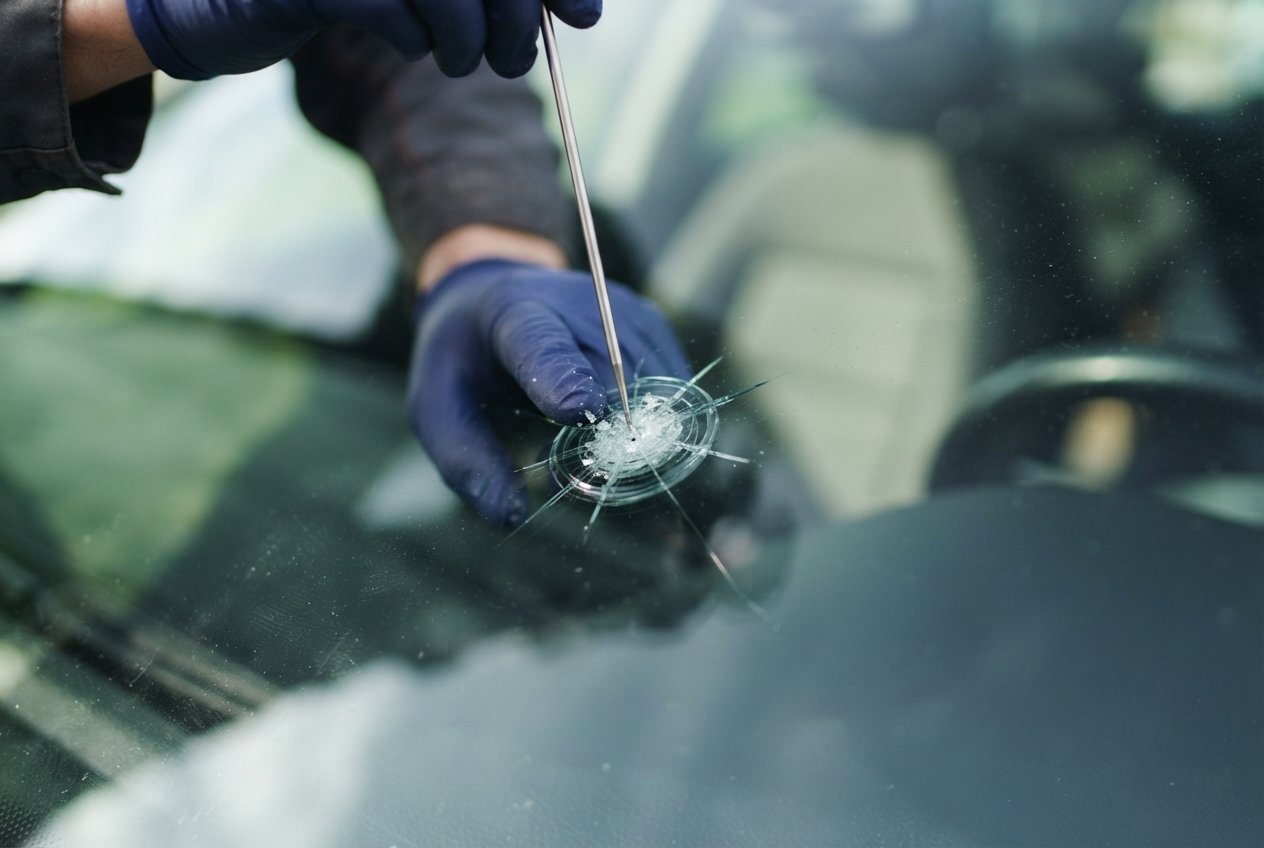
When assessing the windscreen replacement cost for luxury European cars in Sydney, multiple factors come into play that drive prices higher than standard vehicle glass repairs. First and foremost, the type of glass is critical: luxury brands often use laminated and heated windshields embedded with sensors or heads-up display (HUD) capabilities. These features enhance visibility, safety, and driving experience, but they also increase production complexity and raw material expenses.
Beyond glass type, curvature and design intricacy play a significant role. European marques like BMW, Mercedes-Benz, Audi, and Porsche incorporate precise curvature to complement their aerodynamic body lines. This means each windscreen must be custom manufactured to exact specifications, unlike mass-produced windshields for economy vehicles. Consequently, specialty molds and production runs drive up the cost.
Another key element is regulatory compliance. Australian Design Rules (ADRs) mandate specific safety and optical standards for automotive glazing. Certified windscreen manufacturers must conduct rigorous optical tests, UV transmittance measurements, and bonding strength assessments to satisfy these regulations. These quality assurance processes add labor hours and testing resources, directly influencing the final bill.
Finally, logistics and inventory management affect pricing. Because luxury parts are less frequently demanded than generic models, suppliers hold lower stock levels. Import duties, shipping delays, and storage constraints can lead to premium pricing to maintain supply reliability. Collectively, these factors—material type, design complexity, regulatory compliance, and logistics—intertwine to determine the overall windscreen replacement cost for luxury European cars in Sydney.
High-Quality Materials Used in Windscreen Replacement
Luxury European car manufacturers specify top-tier materials to ensure safety, durability, and performance. Unlike generic tempered glass, most OEM windscreens are laminated, consisting of two glass layers sandwiching a polyvinyl butyral (PVB) interlayer. This construction prevents shattering on impact and maintains windshield integrity, offering superior occupant protection during collisions. The PVB interlayer also provides sound dampening, reducing road and wind noise to uphold the car’s comfortable cabin environment.
In addition to standard laminated glass, many luxury windshields include heated elements or embedded antennas and sensors. Heated windscreen filaments help to quickly defrost and demist the glass in cooler weather, requiring precise lamination of conductive materials. Similarly, embedded rain sensors, light sensors, and advanced driver-assistance system (ADAS) cameras necessitate enhanced optical clarity and minimal distortion. Manufacturers often use specialized optical-grade glass with tighter tolerances on light transmission and refraction to support these technologies.
Furthermore, premium coatings are applied to resist scratches, UV rays, and environmental pollutants. Hydrophobic and oleophobic coatings repel water and grime, facilitating easier cleaning and improved visibility in rain. Anti-glare treatments can also be incorporated to minimize headlight flare at night. Each of these materials and coatings adds to production costs due to specialized manufacturing processes, quality control, and material sourcing fees.
When sourcing replacement windscreens, workshops supplying OEM-equivalent materials will naturally price their products higher to offset these premium components. While aftermarket options exist at lower price points, they may not replicate every high-quality material used in original windshields, potentially compromising performance, longevity, or safety. Consequently, the material composition of a replacement windscreen is a primary driver in the overall cost equation for luxury European cars in Sydney.
Advanced Technology Utilized in Windscreen Repairs
Luxury European cars often incorporate cutting-edge technology directly into their windscreens to enhance driver safety and comfort. Modern windscreen replacements for these vehicles require specialized equipment and software to recalibrate embedded systems accurately. One prominent example is the Advanced Driver Assistance Systems (ADAS), which rely on cameras and sensors mounted behind the glass. After replacing the windscreen, technicians must perform precise calibration to ensure lane-keeping assist, adaptive cruise control, and automatic emergency braking function properly.
Beyond ADAS, many luxury windshields feature heads-up display (HUD) projectors that present critical driving data onto the glass, such as speed, navigation, and safety alerts. Installing or replacing a HUD-enabled windscreen requires alignment tools to guarantee that projected images appear at the correct angle and distance. Even slight misalignment can lead to distorted displays, potentially distracting the driver and undermining the system’s effectiveness.
Another advanced technology is rain-sensing wipers. These systems detect moisture on the glass and automatically adjust wiper speed accordingly. Integrating these sensors into a replacement windscreen demands precise placement and calibration to maintain sensitivity and responsiveness. Additionally, some windshields include embedded antennas for GPS, satellite radio, or toll transponder integration, which must be seamlessly incorporated during installation to prevent signal interference.
Each of these technological features requires specialized diagnostic tools, manufacturer software licenses, and technician training. Workshops offering comprehensive windscreen replacement services for luxury European cars in Sydney must invest in state-of-the-art equipment, adding to labor and overhead costs. Consequently, the advanced technology embedded in these windshields significantly influences the overall repair price, reflecting the high degree of precision needed to restore all systems to factory specifications.
Specialized Labor Requirements for Luxury European Cars
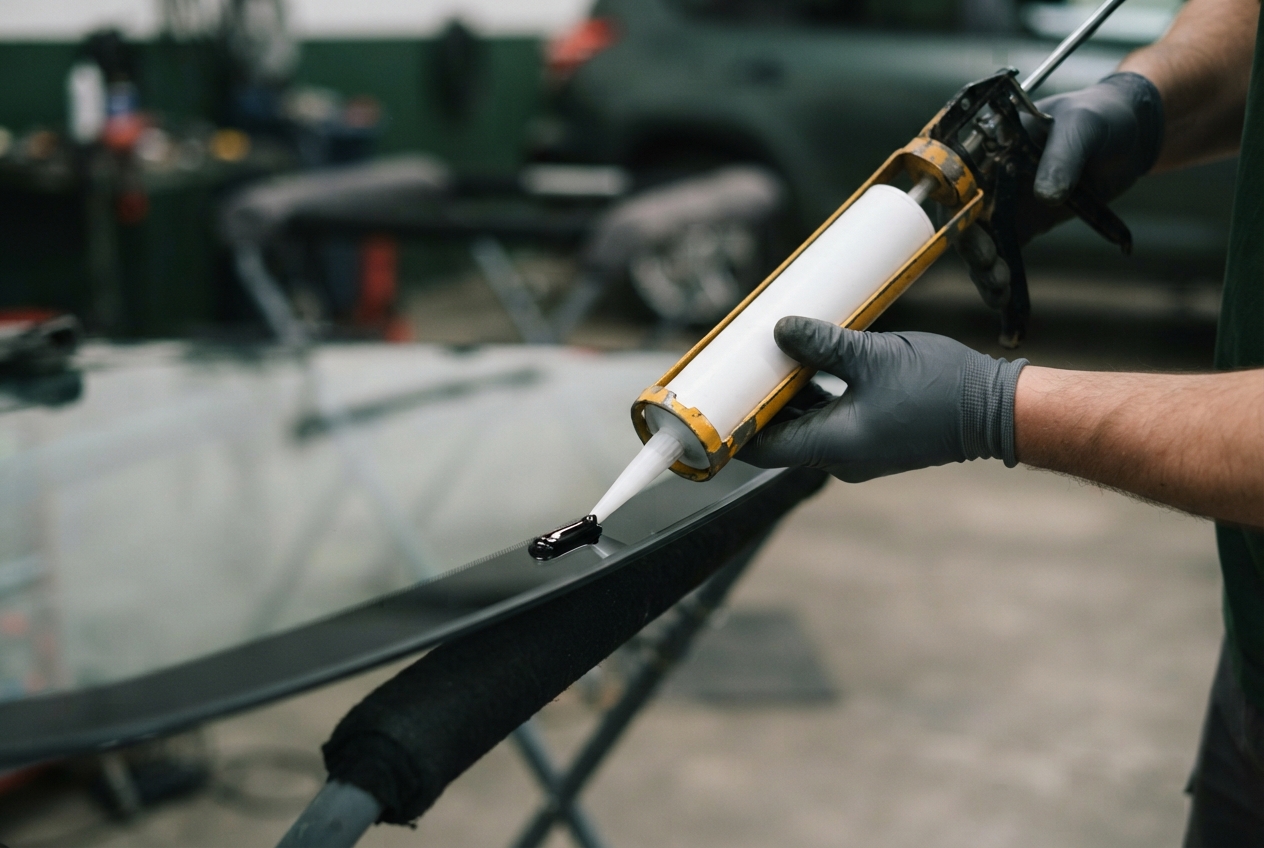
Replacing a windscreen on a luxury European car is not a simple DIY task; it demands highly trained technicians possessing manufacturer-specific certifications. These vehicles often use unique bonding adhesives that must be applied in strict temperature and humidity conditions to meet safety standards. Technicians must follow detailed instructions regarding adhesive bead size, curing times, and application techniques to achieve the required structural integrity—critical in ensuring the windshield remains securely in place during collisions or rollovers.
In addition, proper removal without damaging surrounding bodywork or trim requires skill and the right tools. Luxury cars frequently employ bespoke interior trim clips, seals, and molding that differ from mass-market vehicles. Incorrect removal can lead to costly panel misalignment or broken trim pieces. Therefore, workshops handling these replacements must allocate additional labor hours for meticulous disassembly and reassembly processes.
Technicians must also be adept at handling ADAS recalibration, HUD alignment, and other embedded systems post-installation. This involves using diagnostic scanners, calibration targets, and positioning jigs specified by the manufacturer. Each recalibration requires time to set up, verify, and validate system performance through road tests or static alignment procedures. The complexity of these tasks extends labor hours and elevates hourly shop rates compared to standard windscreen services.
Finally, the workshop’s insurance and warranty obligations drive up labor costs. Many luxury car owners demand lifetime or extended warranties on workmanship and parts. To underwrite these guarantees, shops must carry higher liability coverage and warranty reserves, costs that are passed on to the consumer. Altogether, specialized labor requirements—from adhesive application to system calibration—contribute significantly to the windscreen replacement cost for luxury European cars in Sydney.
Comparison of OEM vs. Aftermarket Windscreen Options
When it comes to windscreen replacement, car owners often face a choice between Original Equipment Manufacturer (OEM) products and aftermarket alternatives. OEM windscreens are produced by the same suppliers that manufacture the original glass for luxury European automakers. These parts offer exact fit, material composition, and performance characteristics as the factory-installed windscreen. Consequently, they tend to carry a premium price tag due to brand licensing, stringent quality control, and guaranteed compatibility with in-car systems.
Aftermarket windscreens, on the other hand, are produced by third-party manufacturers. While many reputable aftermarket suppliers invest in high-quality glass and precise molds to match OEM specifications, there can be variations in optical clarity, sensor mounting tolerances, or adhesive compatibility. These discrepancies may affect the performance of ADAS, HUD, or rain-sensing wipers, potentially requiring additional adjustments or recalibrations. Nonetheless, aftermarket windscreens typically cost 20–30% less than OEM counterparts, presenting a cost-saving option for budget-conscious owners.
One key consideration is warranty coverage. OEM replacements often come with extended warranties backed by the vehicle manufacturer or authorized dealerships. This coverage can include repairs or re-replacement if optical distortions or adhesive failures occur. Aftermarket parts may have limited warranties or rely solely on the installer’s labor guarantee. Buyers should weigh the peace of mind provided by OEM warranties against potential savings with aftermarket glass.
In Sydney, workshops offering OEM windscreens for luxury European cars will usually quote higher prices to reflect original-part authenticity and dealer-level service. Aftermarket options can be appealing, but discerning owners must ensure the chosen product meets necessary safety and optical standards. Ultimately, the decision between OEM and aftermarket influences both upfront costs and long-term satisfaction, impacting the overall windscreen replacement cost for luxury European cars in Sydney.
Impact of Vehicle Model and Brand on Replacement Costs
Different luxury European models vary considerably in design complexity, material needs, and embedded features, all of which influence replacement pricing. For instance, a high-end Mercedes-Benz S-Class with panoramic HUD windscreen will cost significantly more to replace than an entry-level Audi A3 that lacks advanced display overlays. Similarly, Porsche windshields often incorporate unique sensor housings for the marque’s distinctive night vision systems, making them more expensive to manufacture and install.
Brands also have varying supply chains and import duties. Some automakers source their windscreens from European factories, meaning importation to Australia can incur higher shipping fees and customs duties. Brands with local manufacturing or regional supply agreements may face lower logistics costs, which can slightly temper final prices. Additionally, rare or limited-production models—such as Lamborghini or Aston Martin—often require bespoke glass runs, inflating material and tooling expenses due to lower economies of scale.
Model year and mid-cycle updates also matter. Newer vehicles featuring next-generation sensor suites or redesigned curvature may demand fresh molds and updated calibration protocols. Workshops must invest in updated tooling and training to support these innovations, reflecting in labor and parts charges. Conversely, older models with long-standing designs might enjoy more competitive aftermarket availability and stable pricing.
Ultimately, the combination of brand prestige, model-specific technologies, and supply logistics dictates how much you’ll pay for a replacement windscreen. Car owners should research their specific make and model to understand the factors at play, ensuring they budget appropriately for the windscreen replacement cost for luxury European cars in Sydney.
Understanding Insurance Coverage for Windscreen Replacement
Many luxury European car owners rely on comprehensive insurance policies to mitigate the expense of windscreen replacement. In Sydney, insurers often provide windscreen-specific coverage or ‘glass-only’ add-ons that waive the excess for repairs or replacements. However, policy terms vary: some may cover OEM parts only, while others permit aftermarket glass, affecting both claim approvals and out-of-pocket costs.
Before filing a claim, it’s crucial to review your policy’s fine print. Certain insurers require authorized service providers to honor warranties and ensure genuine parts are used. Deviating from these approved networks can void coverage or trigger partial payouts. Additionally, insurers may impose claim limits per year—exceeding these can result in higher excess fees or denial of a second windscreen claim within the same policy period.
Another factor is the influence of claims on your premium. While glass claims are often considered ‘no-fault’ and non-chargeable, repeated claims could prompt your insurer to reassess risk levels. Some drivers opt to pay out of pocket to avoid impacting their no-claims bonus. Considering the comparatively lower cost of a single windscreen replacement versus premium increases, this can be a financially sound decision for certain models.
Finally, timeliness matters. Many policies stipulate that windscreen repairs or replacements be completed within a specified timeframe following damage notification. Delayed repairs can lead to additional damage, such as water ingress or sensor misalignment, which may not be covered. To maximize your insurance benefits, contact your provider promptly and choose an approved service partner familiar with luxury European requirements in Sydney.
Tips for Selecting a Reliable Windscreen Replacement Service in Sydney
Choosing the right workshop is essential to ensure quality and safety. First, look for accredited installers registered with the Australian Glass and Window Association (AGWA) or similar industry bodies. Accreditation signals adherence to national standards, proper use of adhesives, and correct installation techniques. Workshops with manufacturer certifications—such as BMW, Mercedes-Benz, or Audi-approved partners—demonstrate specialized expertise in luxury European models.
Next, verify equipment and calibration capabilities. Ask whether the service centre has the latest ADAS calibration tools, HUD alignment rigs, and temperature-controlled curing environments. Technicians should have access to manufacturer software and calibration targets to guarantee that embedded systems function flawlessly post-installation. Without these tools, you risk compromised safety features and potential dashboard warning lights.
Check reviews and testimonials from fellow luxury car owners. Online forums, social media groups, and local driving clubs can provide candid feedback on workmanship, turnaround time, and aftercare support. A reputable service will offer clear quotes detailing OEM versus aftermarket options, adhesive brands used, warranty terms, and expected completion times. Transparent pricing prevents surprises and gives you confidence in the service’s integrity.
Finally, inquire about mobile fitting options. Some premium workshops offer on-site replacement at your home or office, saving you time and safeguarding interior trim. Confirm that mobile teams carry the same quality control measures and curing procedures as in-house facilities. By taking these steps, you’ll secure a reliable partner for managing the windscreen replacement cost for luxury European cars in Sydney while maintaining the highest standards of safety and performance.
Maintenance Practices to Extend Windscreen Lifespan
Proper care can extend your windscreen’s lifespan and reduce the likelihood of costly replacements. Regular cleaning with a soft, lint-free microfiber cloth and a pH-neutral glass cleaner helps prevent abrasive particles from scratching the surface. Avoid abrasive pads or ammonia-based cleaners that can degrade hydrophobic coatings and lead to premature wear.
Park strategically to minimize rock chip risks. Whenever possible, avoid following heavy trucks on highways or parking beneath trees where falling debris and sap could damage the glass. In urban areas, choosing shaded, covered parking can also shield your windscreen from ultraviolet degradation and thermal stress, which may exacerbate existing micro-cracks.
Address small chips and cracks immediately. Even minor damage can spread rapidly under temperature fluctuations or mechanical stress. Many workshops offer resin injections that bond and seal small imperfections, preventing them from evolving into replacement-worthy fractures. Most insurers cover chip repairs without affecting your no-claims bonus, making prompt action both safe and economical.
Finally, ensure your wiper blades are in good condition. Over time, rubber edges wear down and can create micro-scratches on the windscreen surface. Replace wiper blades at least once a year, or whenever you notice streaking or skipping. Proper maintenance not only preserves visibility but also safeguards the advanced sensors embedded in luxury European windscreens, ultimately controlling the windscreen replacement cost for luxury European cars in Sydney.
Conclusion: Making Informed Decisions for Windscreen Replacement Costs
Understanding the myriad factors that influence windscreen replacement cost for luxury European cars in Sydney empowers you to make confident, cost-effective choices. From high-grade materials and advanced embedded technologies to specialized labor and insurance considerations, each element plays a vital role in determining final prices.
By selecting reputable service providers, weighing OEM versus aftermarket options, and adhering to proactive maintenance practices, you can protect both your investment and your safety. Armed with this knowledge, you’ll be better prepared to navigate the complexities of windscreen replacement and preserve the elegance and performance of your luxury European vehicle.