
Can Windscreen Replacement Be Your Rainy-Day Solution

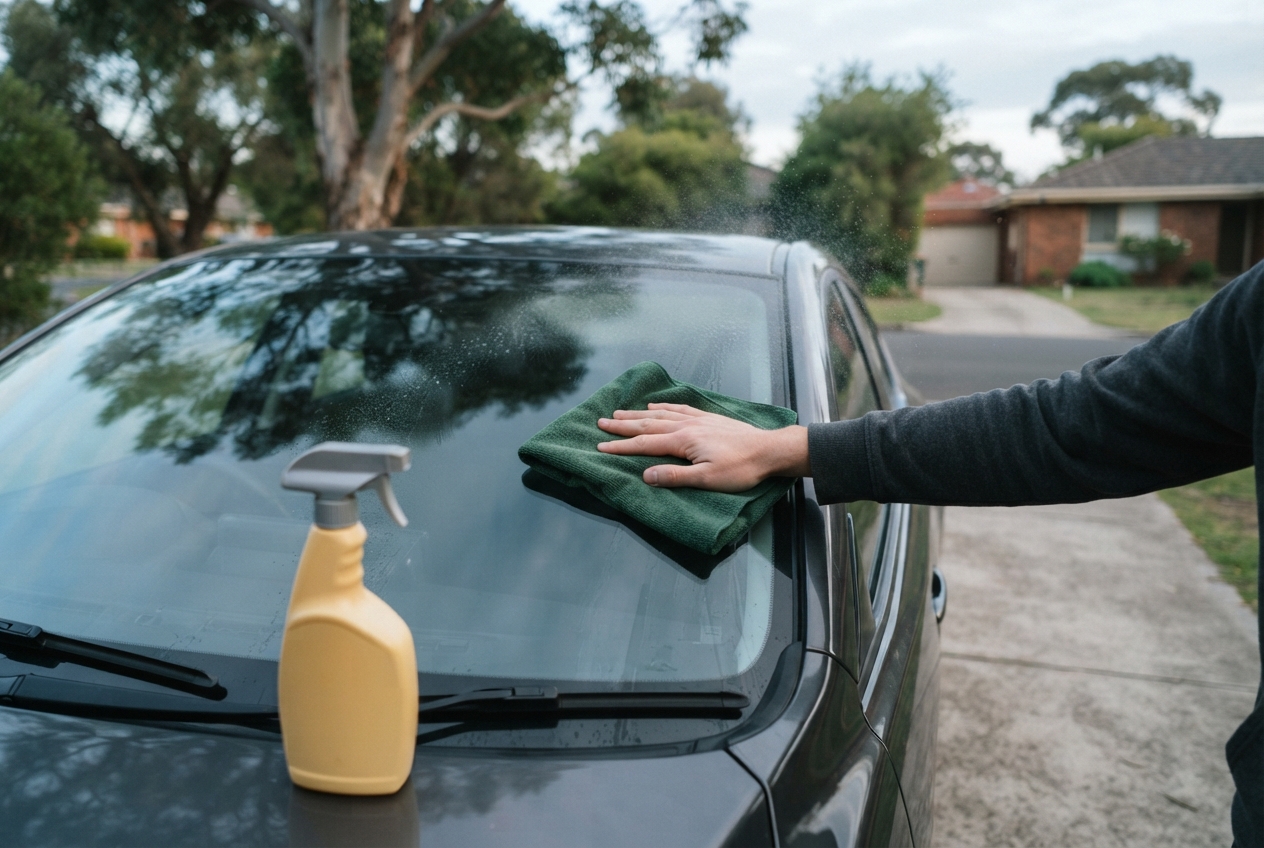
Picture this: you’re driving home after a long day at work, and the sky suddenly bursts open, unleashing a torrential downpour. As your wipers struggle valiantly to keep up, you notice a creeping crack spider-webbing across your windscreen. The rain taps a relentless rhythm on your roof, and you wonder if this is just bad luck or a sign that it’s time for a change. Could a windscreen replacement be carried out in these wet weather conditions, or are you destined to wait for brighter skies?
While many drivers dread having to replace their windscreen during inclement weather, believing it to be an impossible task, the reality might surprise you. Professionals equipped with the right tools and expertise can often perform a seamless replacement even when Mother Nature is less than cooperative. Understanding the nuances of getting this vital repair done during rainy conditions not only provides peace of mind but can also save you from potential hazards and further damage. So, the next time the skies open up and your windscreen gives out, rest assured that a solution is closer than you think.
The Importance of Timely Windscreen Replacement
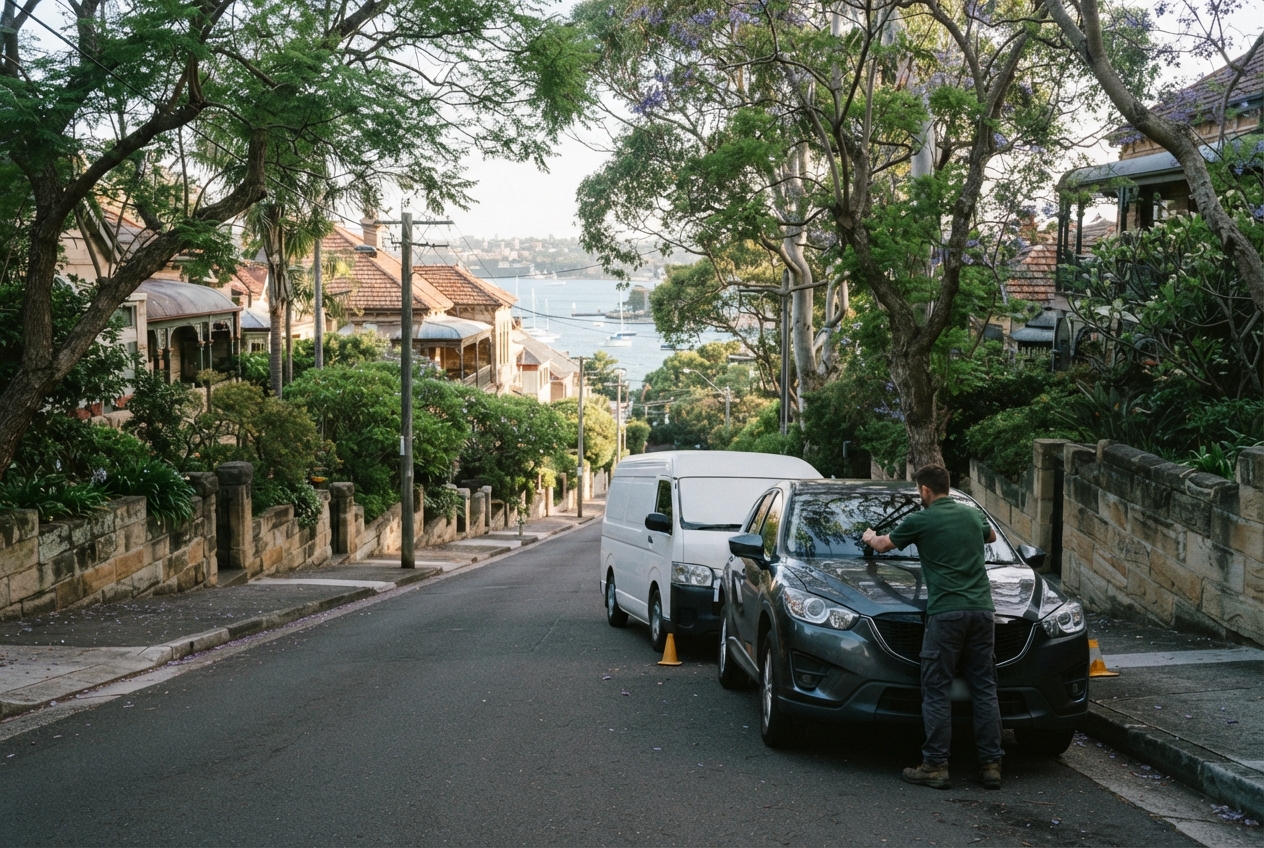
A damaged windscreen is more than just a cosmetic issue; it’s a critical component of your vehicle’s structural integrity and safety system. Even a seemingly minor chip or crack can rapidly expand, especially under stress from bumps, temperature changes, or further exposure to moisture. Ignoring these imperfections might compromise the windscreen’s ability to withstand impacts and could even interfere with the deployment of airbags in the event of a collision. Addressing a damaged windscreen promptly not only preserves your visibility and peace of mind but also helps maintain the manufacturer’s safety specifications.
Timely windscreen replacement also protects against escalating costs. Small chips are often repairable at a fraction of the cost of a full replacement if addressed immediately. However, once a crack grows beyond a certain length—typically around six inches—most repair shops will recommend full replacement. Procrastination can lead to more extensive damage, higher labor fees, and potential delays in obtaining replacement glass. In rainy conditions, water can seep into weakened areas, further taxing the adhesive bonds and complicating the replacement process. You’ll save time, money, and stress by scheduling a prompt service appointment rather than waiting for a crack to widen or the weather to clear up.
Factors to Consider Before Opting for a Windscreen Replacement
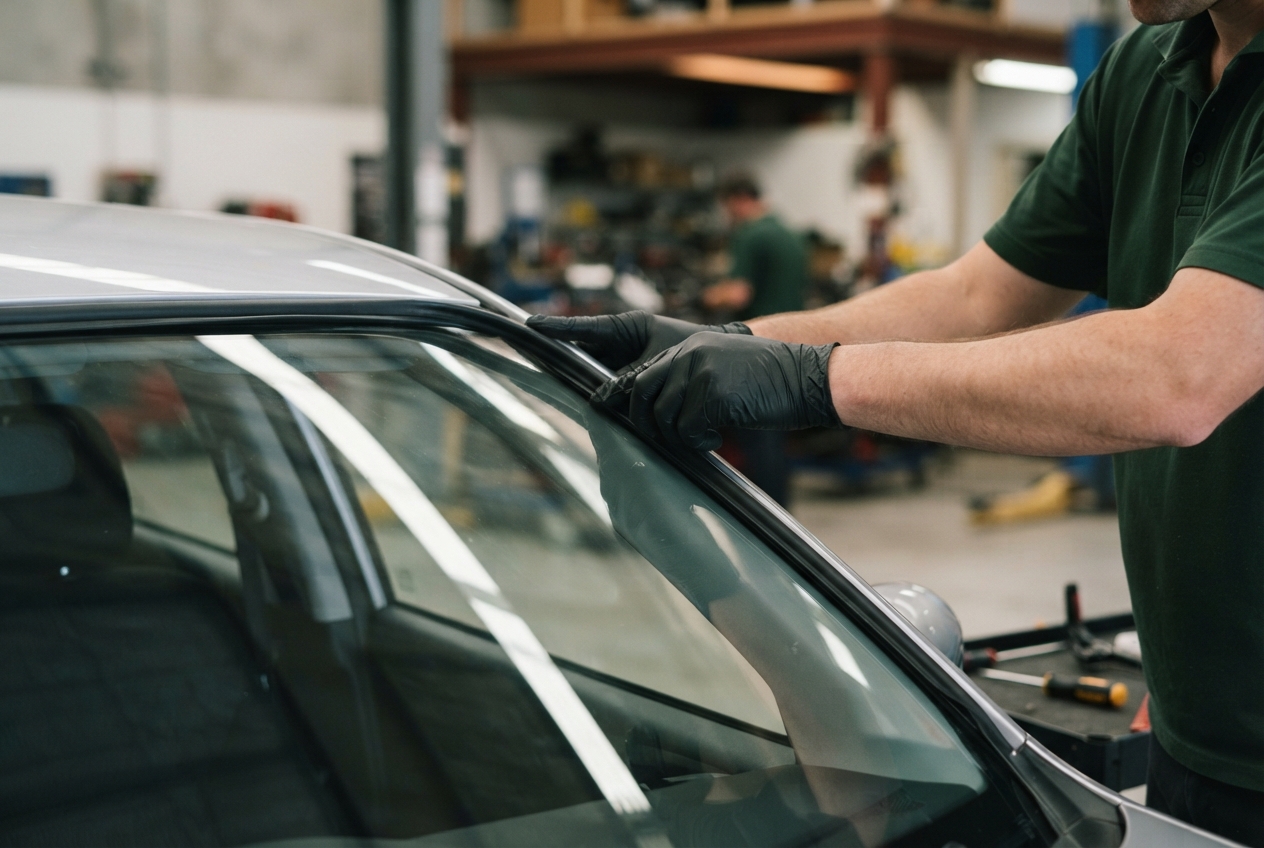
Before scheduling a windscreen replacement—even during rainy weather—several considerations should inform your decision. First and foremost, assess the size, location, and type of damage. A small, centrally located chip in the driver’s line of sight may warrant a full replacement, whereas a minor peripheral chip might be repairable. Also, consider the age and wear of your existing windscreen: if it’s old and pocked with minor scratches, a full replacement might improve clarity and safety.
Next, research the quality of replacement glass and adhesive used by different providers. Not all auto glass meets the same safety and durability standards. Verify that the service center uses OEM or OEM-equivalent windscreen and high-quality polyurethane adhesives certified for wet-weather applications. Finally, confirm warranty terms and service guarantees. A reputable installer will stand by their work, offering coverage against leaks, seal failures, and other post-installation issues, ensuring lasting performance even in unpredictable downpours.
Professional vs. DIY Windscreen Replacement: Pros and Cons
When debating whether to DIY or hire a professional for your windscreen replacement—especially under wet conditions—you’ll encounter distinct advantages and disadvantages. A DIY approach might appeal to budget-conscious drivers, but it requires specific tools, materials, and expertise. In contrast, professional installers bring experience, specialized equipment, and weather-adapted techniques that can ensure a reliable seal even if raindrops are falling.
Ultimately, the decision hinges on your comfort level with automotive repairs, the availability of proper tools (like windscreen removal knives, sealant applicators, and rain guards), and your confidence in weatherproofing the new installation. While a DIY kit might save on labor costs, any mistake in preparation or sealing can result in water intrusion, mold growth, or compromised structural integrity—risks most professionals are trained to avoid.
The Impact of Rainy Weather on Windscreen Replacement
Rainy weather introduces unique challenges to windscreen replacement: the presence of moisture can hinder adhesive bonding and increase the risk of leaks. Yet, with controlled procedures and swift work, technicians can mitigate these issues. Proper site preparation—such as using tarps, heat guns, and absorbent towels—ensures that the bonding surfaces remain dry until the sealant cures sufficiently to resist moisture intrusion.
While many wonder, “Can windscreen replacement be done during wet weather conditions?”—the answer is yes. Modern adhesives are formulated for rapid initial tack, and trained installers schedule their workflows to minimize exposure to rain during the critical curing window. By coordinating efficient procedures and leveraging advanced materials, professional services can deliver watertight installations even amidst a downpour.
Specialized Tools and Techniques for Rainy-Day Windscreen Replacement
Rainy-day replacements rely on specialized equipment to control ambient moisture and temperature. Installers often employ portable heat guns or infrared lamps to accelerate sealant curing, enabling quicker rain resistance. Weatherproof tarps and pop-up shelters create makeshift workstations, shielding the vehicle from direct rainfall and reducing the risk of water contamination during critical phases.
Cutting-edge adhesives with fast initial grab and high moisture tolerance are essential. These formulations allow technicians to complete windscreen placement and bead shaping within minutes, ensuring that even if the windscreens get splashed later, the bond remains intact. Techniques such as pre-conditioning the urethane and windscreen flange temperature can further optimize adhesion under damp conditions. Together, these tools and methods form a resilient protocol for rainy-day replacements.
Safety Measures During Wet Weather Windscreen Replacement
Safety is paramount when replacing windscreens in the rain. Technicians must secure slip-resistant mats around the work area to prevent falls, while wearing weatherproof gloves that maintain dexterity. The use of insulated, waterproof clothing protects both the installer and the vehicle’s interior from water exposure.
Electrical safety is also crucial: installers cover or disconnect sensitive components like dashboard electronics and rain sensors before starting. All power tools are equipped with ground-fault circuit interrupters (GFCIs) to guard against short circuits in wet environments. By adhering to strict safety protocols, professionals ensure a smooth and secure replacement process, even when raindrops are falling steadily.
Cost Considerations for Windscreen Replacement in Different Weather Conditions
Scheduling a windscreen replacement during rainy weather can affect pricing. Some service centers may levy a small surcharge to cover the use of additional shelters, heating elements, or specialized adhesives required for a weatherproof job. However, many operators absorb these costs as part of their standard service, offering flat-rate pricing regardless of conditions. Always clarify whether wet-weather work incurs extra fees or whether the quoted price is all-inclusive.
Comparatively, delaying replacement until fair weather may save a marginal “rain surcharge,” but it risks further damage to your windscreen and potential safety concerns. A small upfront premium for a prompt, rain-capable replacement often outweighs the financial and safety downsides of waiting. Shop around for transparent pricing and inquire about any hidden charges for expedited or weather-dependent services.
Signs Indicating the Need for Windscreen Replacement
Recognizing early warning signs can prevent cracks from spreading and reduce the urgency of emergency repairs in the rain. Look for chips larger than a dime, cracks extending toward the edge of the windscreen, or spiderweb patterns that compromise structural strength. If your windscreen exhibits multiple repair spots, optical distortions, or delamination (a cloudy, water-spotted appearance within the glass layers), full replacement is the safest option.
Additionally, be alert to symptoms like whistling noises at highway speeds—indicative of seal gaps—and noticeable water ingress during rain. These issues not only impair visibility but also signal a compromised seal. Addressing such problems when they first appear ensures a smoother replacement process, minimizing the risk of weather-related complications.
Expert Tips for Maintaining a Newly Replaced Windscreen
Once your windscreen is replaced, proper maintenance is crucial—especially if the rain continues. Avoid driving the vehicle for at least an hour to allow the adhesive to gain initial strength. When you resume driving, steer clear of car washes for 24–48 hours to prevent water pressure from dislodging the newly bonded glass.
Keep the replacement area clean and inspect the seal regularly for signs of moisture intrusion or dust buildup. Use a soft microfiber cloth and a mild, ammonia-free glass cleaner to maintain clarity. During heavy downpours, check the interior for leaks and address any seepage immediately. By following these expert maintenance tips, you’ll extend the life of your new windscreen and ensure reliable performance, come rain or shine.
Conclusion: Embracing Windscreen Replacement as a Rainy-Day Solution
Rainy days need not delay your windscreen replacement plans. With modern adhesives, specialized tools, and professional expertise, technicians can deliver swift, watertight installations even under inclement skies. Recognizing the importance of timely repair, understanding cost factors, and adhering to safety protocols ensures a reliable solution when you need it most.
Next time you spot a crack during a downpour, remember that a rainy-day replacement is far from impossible. Embrace the convenience and peace of mind that comes from knowing your windscreen—and your safety—are in expert hands.