 Aussie AutoGlass
 - November 27, 2025
- By feng gao
- In windscreen maintenance, windscreen replacement, windshield repair near me
- Tags repair near me, Windscreen repair near Earlwood, windscreen tinting
- 364
- 0
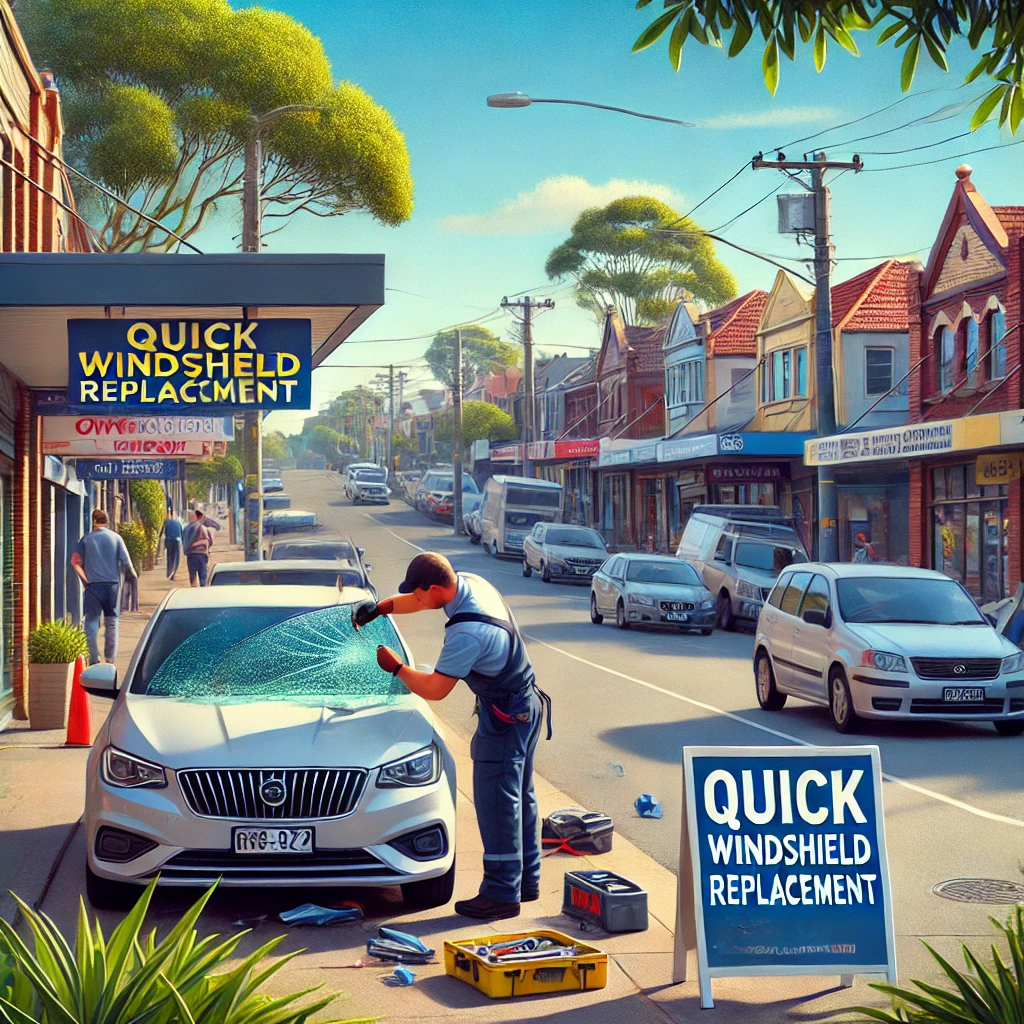
Imagine this: you’ve just had a new windscreen installed, you’re ready to get back on the road, and then it starts to pour. That fresh scent of rain mixed with the distinct “new” smell of your car fills your senses, and you can’t help but wonder, “Can I drive in the rain after a new windscreen installation?” This is more than just a curious thought; it’s a practical concern for drivers who rely on their vehicles daily. Understanding when it’s safe to brave the elements is crucial not only for the longevity of your windscreen but also for ensuring your safety on the road.
Navigating post-installation precautions is often shrouded in mystery or conflicting advice, leaving many drivers unsure of the best course of action. In this post, we’ll delve into the factors you need to consider before taking that first rain-soaked drive. From the importance of the adhesive cure time to practical tips on managing driving conditions, we’ve got you covered. So, buckle up as we dispel myths and arm you with the knowledge you need to confidently tackle wet weather with your newly fitted windscreen.
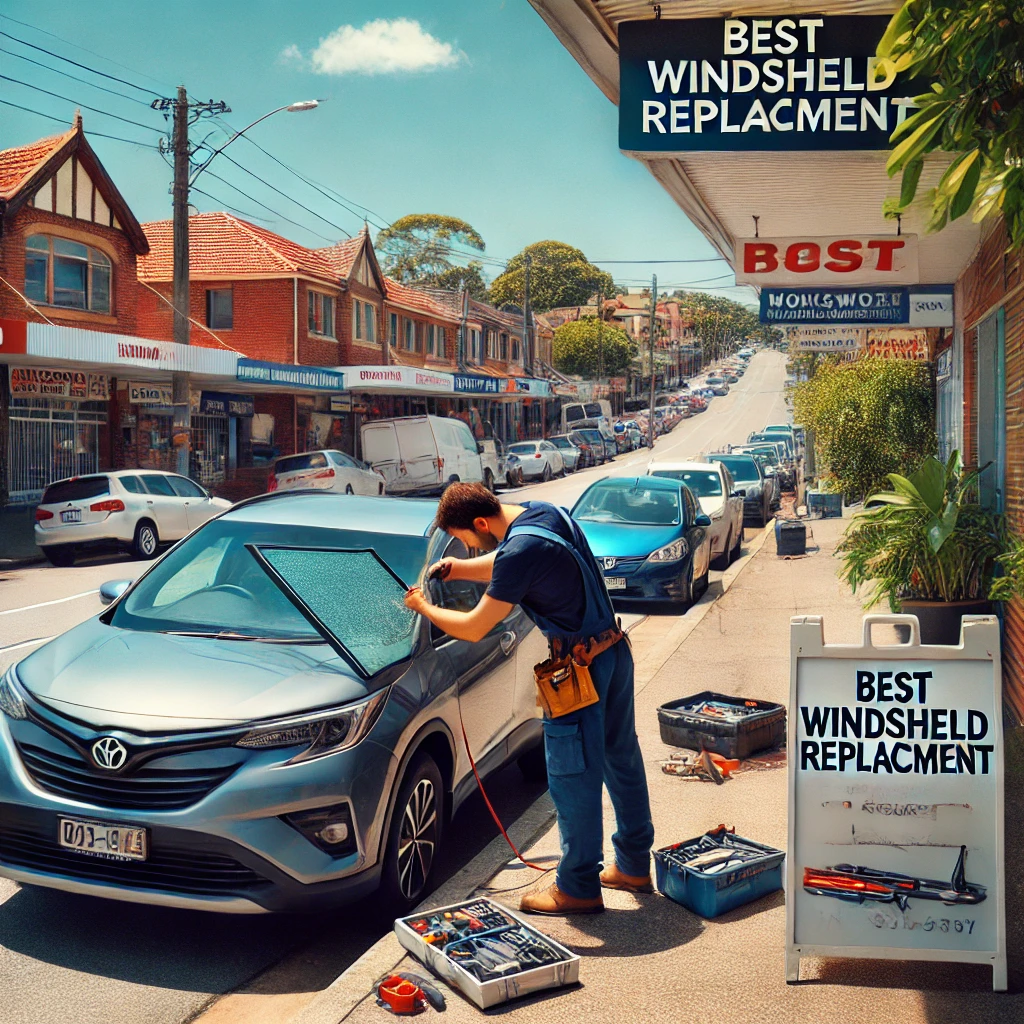
When asking yourself, “Can I drive in the rain after a new windscreen installation?”, one of the most critical factors to consider is the adhesive cure time. Auto glass adhesives are formulated to bond the windscreen frame and the glass with exceptional strength, but this bond is not instantaneous. After installation, the sealant requires a specific period to set and reach its maximum bonding strength. Manufacturers typically recommend cure times ranging from 1 to 24 hours depending on the type of adhesive used, weather conditions, and ambient temperature. Attempting to drive too soon can compromise the structural integrity of the windscreen, increase the likelihood of water seepage, and jeopardize occupant safety in the event of an accident.
Temperature and humidity can dramatically affect adhesive curing. In colder climates, adhesives take longer to harden, and moisture may inhibit the chemical reaction needed for full bonding. Conversely, in hot, dry conditions, cure times may be shorter but can sometimes lead to surface skinning—where the outer layer cures faster than the underlying adhesive, creating a weak points. Given these variables, always adhere to the installer’s specified cure time instructions. By waiting the recommended duration, you ensure that the adhesive has fully polymerized, providing a watertight seal and robust protection against rain infiltration. Neglecting this step could lead to leaks, fogging, or even windscreen detachment during heavy showers.

Before venturing out in wet weather, it’s crucial to inspect the installation quality of your new windscreen. A thorough visual and tactile check can reveal potential issues such as uneven adhesive beads, gaps between the glass and frame, or misalignment. Run your fingers along the seal lines to feel for consistency in the adhesive. Look for any bubbles or voids that may indicate incomplete bonding. These imperfections not only compromise the waterproofing but can also reduce the overall strength of the installation.
Another way to verify installation integrity is to conduct a gentle water test. Spray a light mist of water over the windscreen edges and observe whether any droplets penetrate into the cabin. If you detect moisture seeping in, it’s a clear sign that the adhesive seal isn’t fully effective. At this point, you should return to the installer for corrective work. Ensuring proper quality control now can prevent more significant problems down the road, such as prolonged leaks, mold growth, and costly resealing efforts.
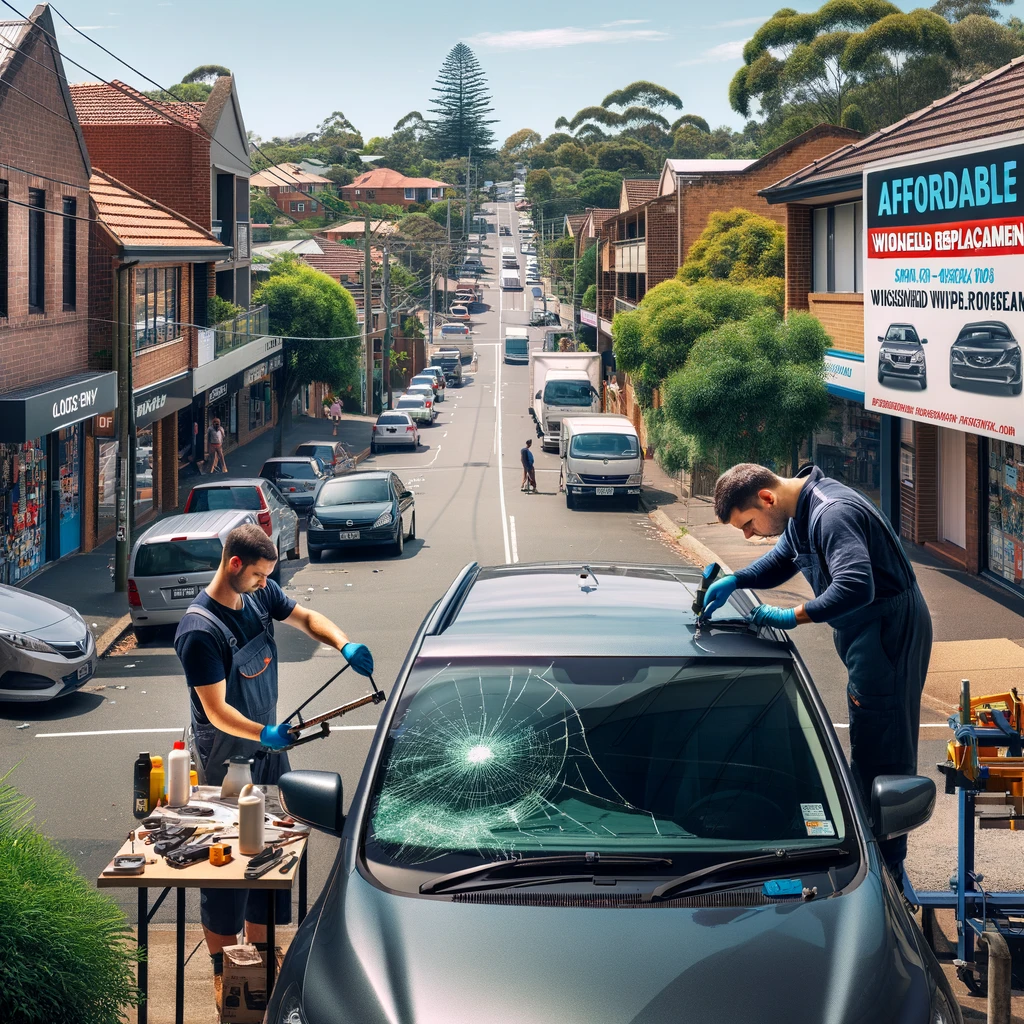
Modern windscreens often come treated with hydrophobic coatings designed to repel water, improving visibility during rain. When combined with a fresh adhesive bond, these coatings can enhance driving safety in wet conditions. However, compatibility between the new windscreen, hydrophobic treatments, and the sealant must be considered. Some sealants may interfere with the coating application if not properly cleaned or cured, reducing water beading performance.
Before heading out, confirm with your installer whether any additional rain-repellent treatments have been applied to the windscreen. If so, give those treatments sufficient time to bond to the glass surface according to their specific directions. It’s also wise to clean the windscreen gently with manufacturer-recommended products to maintain both seal integrity and water-repellency. By understanding how these components interact, you can better assess whether your vehicle is ready for rainy weather without compromising safety or performance.
Driving in wet conditions always warrants extra caution, but it’s especially important right after a windscreen replacement. Begin by checking your wiper blades for wear. Fresh, flexible blades can clear water more effectively, ensuring stable visibility. Replace any brittle or streaking blades before venturing out. Additionally, adjust your speed to account for reduced traction; wet roads can significantly increase braking distance. Maintaining a safe following distance of at least double your usual spacing gives you room to stop without sudden maneuvers that could stress the newly installed windscreen.
Another vital tip is to use the correct washer fluid. Opt for a formulation that includes rain-repellent properties, which helps water beads slide off the glass more quickly. When approaching puddles, slow down gradually—splashing water can momentarily obscure your view. Avoid hard cornering or lane changes, as these can provoke sudden flex in the chassis that may jostle the new seal. By incorporating these simple adjustments into your rain-driving routine, you minimize stress on the glass and ensure a safer journey for you and your passengers.
Rainwater itself isn’t inherently harmful to a properly cured adhesive seal. In fact, once the recommended cure time is complete, most automotive adhesives become fully waterproof and resistant to environmental factors. Nonetheless, driving in the rain too soon can introduce moisture into the still-curing sealant, weakening the bond between the windscreen and the vehicle’s frame. This can lead to micro-leaks and adhesive degradation over time.
Furthermore, if the sealant hasn’t had the opportunity to develop full tensile strength, heavy rain or wind-driven water can cause the windscreen to shift slightly under pressure. This movement can generate stress cracks along the edges and create pathways for more water intrusion. Therefore, it’s essential to respect the manufacturer’s cure time and avoid rain exposure until the sealant has achieved its optimal strength. Doing so ensures the longevity of the installation and prevents costly repairs down the line.
Once your windscreen has been fitted, avoid high-pressure car washes for at least 48 hours—longer if recommended by your installer. The forceful jets of water can breach the curing seal, leading to water ingress. Hand washing with a soft cloth and mild detergent is safer during the initial period. If rain begins unexpectedly, park the car under cover or in a garage until you’re certain the adhesive has cured adequately.
Avoid slamming doors or driving on extremely rough terrain in the first day after installation. Sudden jolts can disturb the adhesive layer before it has fully set. Check that your interior cabin remains dry after the first few showers. If you notice any damp spots or unusual odors, return to the service center immediately to address potential leaks. These early precautions will protect your investment and reduce the likelihood of long-term issues.
Clear visibility is paramount when driving in the rain. Beyond ensuring proper adhesive cure and installation quality, keep your windscreen in top condition by regularly cleaning the glass. Use a dedicated automotive glass cleaner to remove dirt, oil, and water spots that accumulate over time. A clean surface allows water to bead and roll off more effectively, minimizing visual distortion.
Invest in quality windshield wiper fluid with defogging and rain-repellent additives. These formulations break surface tension, helping water disperse swiftly across the windscreen. Periodically replace wiper blades every six months or as soon as you notice streaking. Small actions like these support optimal visibility, especially important when driving shortly after windscreen replacement. Good visibility reduces driver fatigue and enhances reaction times, making wet-weather journeys safer for everyone on the road.
Taking care of your new windscreen extends its lifespan and keeps your vehicle looking and functioning optimally. Routine inspections of the seal line will catch any emerging gaps or wear in the adhesive. Early detection of minor issues ensures you can address them before they escalate. Similarly, keeping the windscreen free from chips and cracks is vital. Even small chips can compromise the adhesive’s waterproof seal and lead to larger fractures under stress.
Avoid exposing your car to extreme temperature fluctuations immediately after installation. Parking in direct sunlight on a hot day followed by a sudden downpour can cause rapid expansion and contraction of the glass and adhesive, potentially weakening the bond. Instead, seek shaded or covered parking when possible. By following these simple care tips, you’ll preserve your windscreen’s integrity and avoid premature resealing or replacement costs.
One widespread myth is that all modern adhesives cure instantly, allowing drivers to hit the road in any weather immediately. In reality, most adhesives need a specified period to develop full strength. Another misconception is that rain can never penetrate a newly sealed windscreen—yet improper curing or rushed installations can lead to leaks. Believing otherwise sets you up for unexpected water ingress and potential interior damage.
Some drivers also assume that using household sealants or sprays can expedite the curing process or waterproof the windscreen, but these products are not designed for automotive applications. They can interfere with the factory sealant’s chemistry, causing long-term bonding issues. Finally, many believe that once the windscreen is in place, no further checks are needed. Regular inspections and maintenance, especially after heavy rain, are essential to guarantee that the seal remains intact. Debunking these myths will help you make informed decisions and avoid costly mistakes.
Understanding “Can I drive in the rain after a new windscreen installation?” comes down to respecting adhesive cure times, verifying installation quality, and adopting safe driving habits. By waiting for the sealant to fully set and following simple precautions—like avoiding high-pressure washes and practicing gentle driving—you protect both your safety and your investment.
Equipping yourself with proper visibility tools, routine inspections, and knowledge of common misconceptions ensures your windscreen remains durable and leak-free. With these practices in place, you can confidently navigate rainy roads with your newly fitted windscreen, knowing you’ve taken the right steps for a secure and comfortable ride.
Need a hand? Aussie AutoGlass provides a mobile service across greater Sydney. Windscreen replacement with Aussie AutoGlass starts from $330, depending on your vehicle. Read more in our guide to what happens if it rains after your windscreen is replaced, or contact us for a quote.
Book your appointment now and get 10% discount.
And give us google 5 Stars feedback and get a free drink on us.
MAKE APPOINTMENT


